






Pomník Helma na zřízení opevnění u Huningenu Memorial
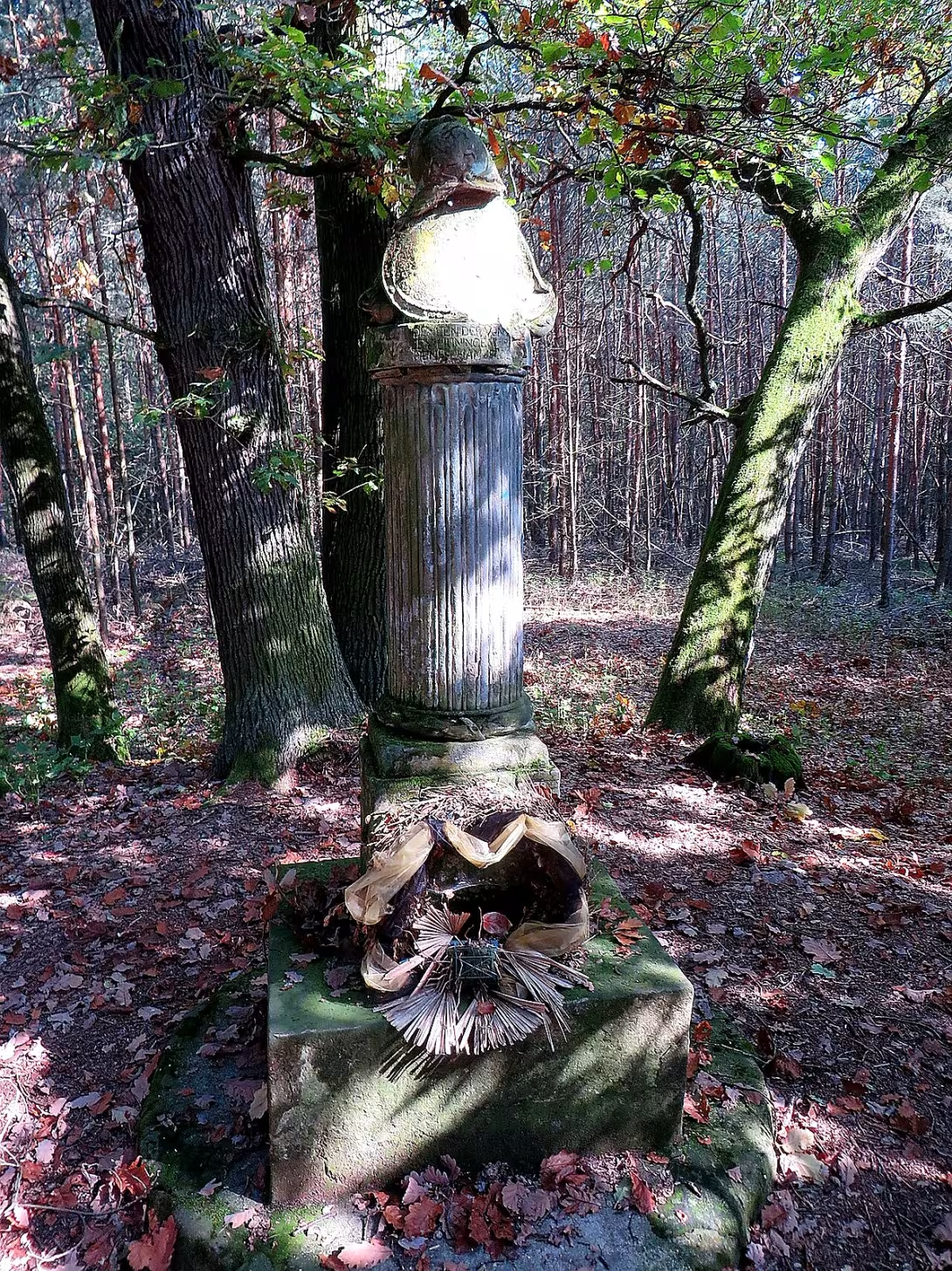
The Helm Monument at the Establishment of Fortification near Huningue, located in Loučeň's former castle courtyard within Nymburk district, is a historical monument. This Empirical-style sculpture on a pedestal was erected at the beginning of the 19th century to honor Karel Alois kníře Fürstenberk, a nobleman and war hero who died in the Battle of Huningue in 1796.
The monument testifies to the region's rich history and cultural heritage. Its construction dates back to the early 19th century, when Bohemia underwent significant changes, including nationalism and the Napoleonic Wars. The Helm Monument at the Establishment of Fortification near Huningue stands as a reminder of these tumultuous times and the individuals who shaped them.
The monument's architecture features an Empirical-style sculpture on a pedestal, showcasing a helmet with a Pegasus motif. This design nods to Karel Alois kníře Fürstenberk's military background and war hero legacy. The Helm Monument at the Establishment of Fortification near Huningue has undergone restoration work, most recently in 2021 under Josef Faltus' direction.
Today, the monument sits in Loučeň's former castle courtyard, surrounded by Nymburk region's picturesque landscape. Visitors can explore and gain a deeper understanding of its historical significance. The Helm Monument at the Establishment of Fortification near Huningue is a must-see for history, architecture, or cultural heritage enthusiasts.
In conclusion, the Helm Monument at the Establishment of Fortification near Huningue is an important historical monument offering a glimpse into the region's rich past. Its unique design and significance make it a fascinating site to visit.
Historical milestones
- 1796
- Karel Alois kníře Fürstenberk dies in the Battle of Huningue
- 1800
- Construction of the Pomník Helma na zřízení opevnění u Huningenu begins
- 2021
- Restoration work on the monument is completed under Josef Faltus' direction
Architectural development
The monument was built at the beginning of the 19th century and features an Empirical-style sculpture on a pedestal.
Historical events
Battle of Huningue in 1796
Restoration in 2021 under the direction of Josef Faltus
Owners
Lesy České republiky
Lesní závod Nymburk (polesí Loučeň)
Points of interest
– The Pomník Helma na zřízení opevnění u Huningenu is a historical monument located in Loučeň's former castle courtyard within Nymburk district.
– The monument was erected at the beginning of the 19th century to honor Karel Alois kníře Fürstenberk, a nobleman and war hero who died in the Battle of Huningue in 1796.
– The Pomník Helma na zřízení opevnění u Huningenu features an Empirical-style sculpture on a pedestal, showcasing a helmet with a Pegasus motif, which nods to Karel Alois kníře Fürstenberk's military background and war hero legacy.
Guide
Show guide text
This text was created by artificial intelligence and has not been editorially reviewed. It may contain inaccuracies.
Welcome to Loučeň. As you stand here in the quiet atmosphere of the former castle courtyard, take a moment to let the surroundings sink in. You are currently standing before a poignant piece of history, a silent witness to bravery and loss. Before you is the Huningue Memorial. At first glance, you will see a sculpture resting upon a sturdy pedestal, a composition that speaks of dignity and remembrance. It does not shout for attention with grandiosity, but rather invites you to stop, reflect, and remember a man whose life was defined by duty and honor.
To truly understand why this monument exists, we have to travel back in time, moving away from the peaceful greenery of the Nymburk district and toward the turmoil of the late eighteenth century. The story begins in 1796, a year marked by the echoes of war. It was during this time that Karel Alois Fürstenberk, a nobleman of high standing and a courageous soldier, met his end during the Battle of Huningue. He was not merely a title-holder but a war hero, a man who led with conviction and paid the ultimate price on the battlefield. The loss of such a figure left a void not only in the military ranks but within the heart of his family and his estate.
The monument you see before you was not erected immediately, but as the new century dawned, the desire to immortalize his sacrifice grew. In 1800, construction began on the Huningue Memorial. It was designed to be more than just a marker of death; it was intended to be a lasting tribute to the virtue and courage of Karel Alois Fürstenberk. By placing this monument here, in the courtyard of the castle in Loučeň, the family ensured that the memory of the fallen hero would remain woven into the daily life and landscape of his home.
Now, I invite you to look closer at the artistic execution of the monument. Notice the specific aesthetic of the work. The sculpture is crafted in the Empire style, a movement that was highly influential during the early nineteenth century. This style is characterized by its inspiration from the grandeur of ancient Rome and Greece, emphasizing order, symmetry, and a certain stoic nobility. When you look at the lines of the sculpture and the way it sits upon its pedestal, you can sense that desire for timelessness. The Empire style was often used for military monuments because it bridged the gap between the heroism of the ancient world and the patriotic duties of the modern era.
As you observe the details, you might notice that the monument looks remarkably well-preserved. This is not by chance. History is a fragile thing, and the elements of nature can be unkind to stone and sculpture over two centuries. To ensure that this tribute did not fade into obscurity, a significant restoration project was undertaken. In 2021, under the expert direction of Josef Faltus, the monument underwent a careful restoration. This work was essential to stabilize the structure and bring back the clarity of the Empire-style details that you are seeing right now. It is thanks to this recent effort that we can still appreciate the original vision of the artists who worked on this piece over two hundred years ago.
Let us dwell for a moment on the man himself, Karel Alois Fürstenberk. In the context of his time, a nobleman's life was often a balance between the administration of vast estates and the obligation to serve the state in times of conflict. Karel Alois embodied this duality. He was a man of the Enlightenment, yet he was a warrior. His death at the Battle of Huningue was a tragedy that resonated far beyond the battlefield. When you look at the monument, try to imagine the grief and the pride of those who commissioned it. They wanted every visitor to Loučeň to know that the nobility of the Fürstenberk name was backed by genuine sacrifice. The monument serves as a bridge between the violent reality of a distant battle and the serene environment of this courtyard.
There is something deeply interesting about the placement of this monument. While the battle took place far away, the memory was brought home to the Nymburk district. The Huningue Memorial stands as a geographical anchor, linking a local family's legacy to the broader European history of the Napoleonic era. It is a reminder that the events happening on the fringes of the empire often had the most profound impacts on the quiet corners of the countryside. The fact that it resides in the former castle courtyard adds a layer of intimacy to the site; it is as if the hero has finally returned home to keep a permanent watch over his lands.
As you stand here, you might wonder about the unknown architects who designed this piece. While their names have been lost to the passage of time, their skill remains evident. They managed to capture a sense of eternal mourning and eternal glory in a single composition. The simplicity of the pedestal combined with the focused energy of the sculpture creates a space for contemplation. It asks us to think about the cost of peace and the nature of heroism.
Now that you have had a chance to reflect on the life of Karel Alois Fürstenberk and the artistry of the Empire style, I encourage you to take a slow walk around the monument. Notice how the light hits the surfaces of the stone and how the monument interacts with the open space of the courtyard. Feel the connection between the restored stone and the ancient history it represents.
Your time at this specific stop has come to an end, but your journey through Loučeň is far from over. There is still so much to discover in this historic landscape, where every stone and every tree seems to hold a secret from the past. I invite you to continue your exploration, perhaps wandering further into the grounds or seeking out other remnants of the castle's former glory. Thank you for joining me at the Huningue Memorial. Please take your time as you move on to the next part of your visit. Enjoy the peace and the history that surrounds you. Farewell for now.
Tips for visitors
The best time to visit the Pomník Helma is during the spring and summer months when the weather is mild and sunny, making it ideal for photography. The monument's surroundings offer a picturesque landscape that is perfect for capturing stunning images.
Parking is available near the monument in Loučeň. Visitors can also use public transportation, with buses passing through the area. For those driving, be sure to park in designated areas to avoid congestion and ensure a smooth visit.
When visiting the Pomník Helma, it's essential to bring comfortable walking shoes and clothing suitable for the outdoors. Don't forget your camera and a water bottle to stay hydrated during your exploration.
The monument is situated in the former castle courtyard, offering unique photography opportunities. The best spots for capturing stunning images are around the monument itself and the surrounding landscape. Be mindful of lighting conditions, as the morning sun provides excellent illumination for photographs.
For those interested in exploring nearby attractions, the town of Loučeň offers a charming atmosphere with its historic buildings and scenic views. Within 30 minutes, visitors can also explore the Nymburk region's natural beauty, including rolling hills and picturesque villages.
Businesses nearby
Do you run a restaurant, accommodation, shop, museum, rental, wellness or other visitor service near this monument? Show yourself directly to the people heading to it — this is how they will see you in the app and on the web:
Nearby
The monument is situated in the former castle courtyard in Loučeň, surrounded by the landscape of the Nymburk region.
Accommodation nearby
Themed route
Thematic Tour Route
Stop 1: The Helma Monument Type: Memorial Why visit: This monument commemorates the establishment of fortifications at Huningenu and offers a glimpse into the region's military history.
Stop 2: Loučeň Castle Courtyard Type: Historical Landmark Why visit: The former castle courtyard where the monument is situated provides insight into the region's architectural heritage. Take a stroll around the courtyard to appreciate its charm.
Stop 3: Nymburk Region Landscape Type: Scenic Viewpoint Why visit: The surrounding landscape of the Nymburk region offers picturesque views and a chance to connect with nature. Enjoy the scenery while reflecting on the significance of the monument.
This thematic tour route takes you through the heart of Loučeň, exploring its historical landmarks and natural beauty.
Seasonal recommendations
Spring
The Pomník Helma on the establishment of fortification near Huningenu (monument) at Loučeň is a must-visit historical landmark in the spring. What makes this season special is the blooming nature, with vibrant greenery and colorful flowers adding to the monument's charm. The atmosphere is lively, with the sound of birds chirping and gentle breeze rustling through the leaves.
Practical tips: Arrive early to avoid large crowds, and dress comfortably in layers for the unpredictable spring weather. The best time to visit is during the morning or late afternoon when the sun is not too harsh.
Summer
Summer is a great time to visit the Pomník Helma, with warm weather and long days allowing you to fully appreciate the monument's grandeur. The natural surroundings are lush and green, creating a serene atmosphere perfect for relaxation. What makes this season special is the vibrant atmosphere, with outdoor events and activities taking place in the nearby area.
Practical tips: Plan your visit early in the morning or late in the evening to avoid the peak tourist hours and heat of the day. Wear comfortable clothing and shoes suitable for walking, and don't forget to bring sunscreen and a hat.
Autumn
Autumn is a beautiful time to visit the Pomník Helma, with the changing foliage creating a picturesque backdrop for the monument. The atmosphere is cozy, with the crisp air carrying the scent of ripe fruits and leaves. What makes this season special is the nostalgic feel, with the fading light of day casting a warm glow over the area.
Practical tips: Visit during the week or early in the morning to avoid large crowds, and dress warmly for the cooler autumn weather. Take your time to appreciate the surroundings and don't rush through your visit.
Winter
Winters can be chilly at the Pomník Helma, but the monument's grandeur is still worth braving the cold. The snow-covered landscape creates a serene atmosphere, with the sound of silence broken only by the occasional bird chirp or rustling of leaves. What makes this season special is the quiet intimacy, with the cold air invigorating your senses.
Practical tips: Wrap up warm and wear comfortable shoes suitable for walking on snowy terrain. Visit during the morning or late afternoon when the sun is not too harsh, and take your time to appreciate the peaceful atmosphere.
Visualizations and artistic views

The visualisations are generated by artificial intelligence and serve as inspiration.
Photos from the area
Real photos taken near the monument

Zdroj a licence jsou uvedeny u každého snímku.
Tips from visitors
No tips yet. Be the first!
Log in and add your tip.
Sources and literature
Fotografie: Michal Louč / CC BY-SA 4.0 — Wikimedia Commons. The author and licence also appear when you hover over the image.
Faktickým podkladem tohoto textu byl článek na Wikipedii, jehož autory jsou přispěvatelé Wikipedie. Článek je dostupný pod licencí CC BY-SA 4.0.
Location on the map

Příběhy a pověsti
Legendy, pověsti a příběhy spjaté s touto památkou
Fotografie návštěvníků
Zatím žádné fotografie. Buďte první, kdo přidá fotografii z návštěvy!
Přihlaste se a přidejte svou fotografii nebo hodnoťte.
Za ověřenou návštěvu v aplikaci získáte víc bodů — poznáme podle GPS, že jste na místě.
Reviews and comments