



Prohořský hrádek Fortress
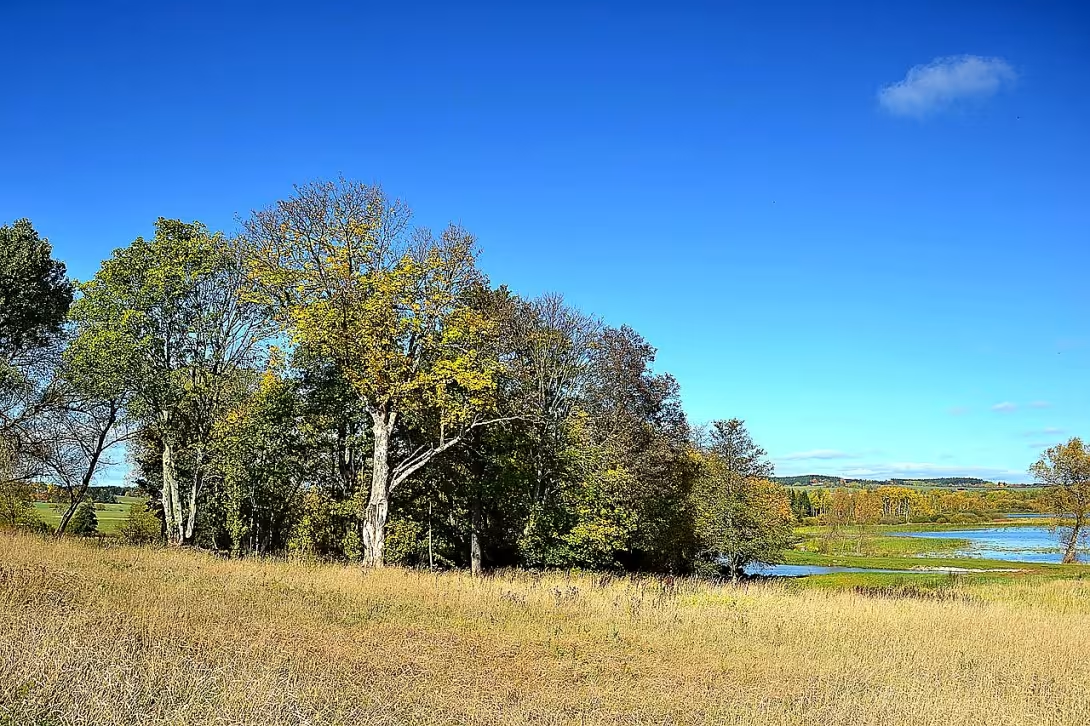
Objekt se nedochoval — na místě dnes nestojí. Následující text popisuje jeho historii, ne současnou návštěvu.
Prohořský hrádek is a extinct settlement with a fortress on the shore of Hradec pond near the village Štědrá in Karlovy Vary district. This monument came from the Middle Ages and was once the center of the same-name estate. It is an important cultural monument that reflects the dynamics of regional power structures.
The fortress was created approximately in the middle of the 13th century as part of a network of small chateaux and chateaux serving local administration. Its location on the road from Gretel to Dolní Yamnou suggests strategic importance, which is confirmed by the finding of ceramics from that time. Although the concrete history of the fortress during the 14th and first half of the 15th century is unknown, it may have been related to the history of the neighbouring Prohora.
Architecturally, the fortress is oval and surrounded by a moat up to 15 metres wide. The original medieval building is not known, but in the southern part, the cellar was preserved from the time after the collapse of the fortress. This cellar represents the only physical element of the preserved state and provides an indication of the gradual abandonment and disappearance of the fortress.
The ownership of the Proktor Chateau has undergone some significant changes. In the second half of the 15th century, the manor was joined by gentlemen from Gutštejn, who handed over the fort to Flovna in 1504. In 1572, this family had already sold the Hasistenských farm from Lobkovice, which six years later connected it to the Yellows. With this connection, the fort became useless and gradually disappeared.
Key events in the history of the Progerian Chateau include the transfer of property to the Plavenšt from Plavna in 1504, the subsequent takeover of the Hasistenských from Lobkovice in 1572 and finally the connection to the Yellows in 1578. These events illustrate the variable nature of property relations and the political strategies of that time.
Today, Prohořský hrádek is protected as a cultural monument, even if it remains only cellars. Yet it is worth a visit for those who are interested in the history of the region and want to understand the complex heritage of past generations. If you visit this place, you can imagine living conditions and strategic decisions that have shaped the history of this area.
Prohořský hrádek is witnessing the transformation of time and an important element of the cultural memory of the region. His visit offers an opportunity to explore the historical roots of the village Štědrá and its surroundings, which is a valuable experience for both historians and any curious tourist.
Then and now
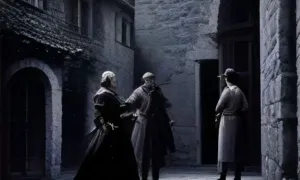
Drag the slider to compare how the landmark may have looked when it was built with the view today.
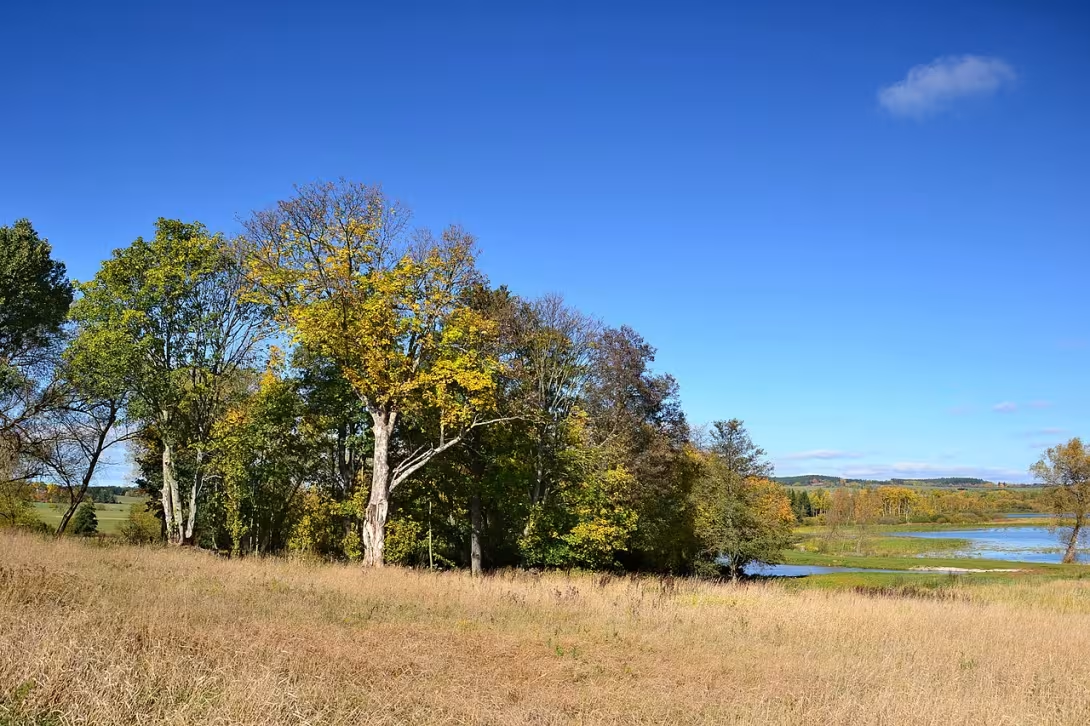
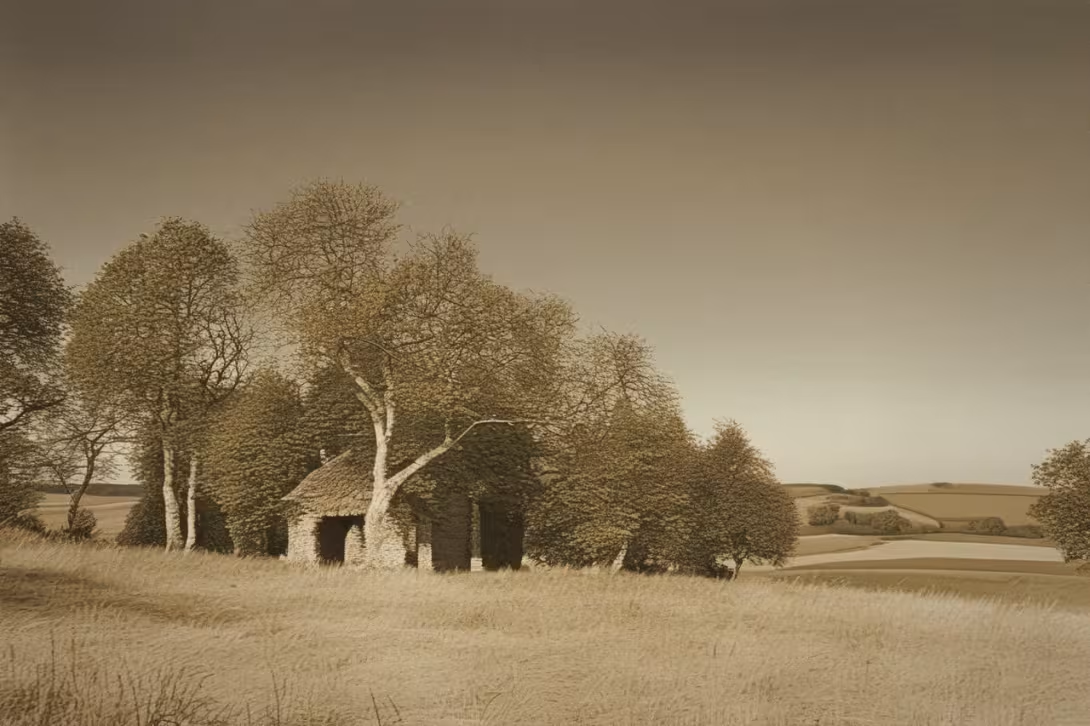
The historical appearance on the left is an AI-generated visualisation and serves as inspiration only.
Historical milestones
- 1504
- The owner became Plavenští z Plavna.
- 1572
- The farm went to Hasištejnské z Lobkovic.
- 1578
- Connection to the Yellows and the demise of the fortress.
Architectural development
It is an oval fortress surrounded by up to 15 metres wide moat. The original medieval building is unknown. In the southern part, the cellar was preserved from the time after the fort was destroyed.
Historical events
1504: Transfer of property to Plvenská from the Plavna. 1572: Switching the farm to Hasištejnské z Lobkovic. 1578: Connection to the Yellows and subsequent demise of the fortress.
Owners
Lords of Gutstejna (2nd half of the 15th century), Plavenští z Plavna (from 1504), Hasištejnské z Lobkovic (from 1572).
Points of interest
- Prohořský hrádek is a extinct settlement with a fortress on the bank of Hradec pond near the village Štědrá. - This monument dates back to the Middle Ages and was once the center of the same-name estate. - The fortress was created in the middle of the 13th century as part of a network of small chateaux and chateaux serving local administration. - Architecturally, the fortress is oval and surrounded by a moat of up to 15 metres wide, the cellar has been preserved from the time after the fortress's demise. - The ownership of the Proktor Chateau has undergone several significant changes: the transfer of assets to Plavenšta from Plavna in 1504, the subsequent takeover of the Hasistenskýnský from Lobkovice in 1572 and finally the connection to the Yellows in 1578.
Guide
Show guide text
This text was created by artificial intelligence and has not been editorially reviewed. It may contain inaccuracies.
Welcome to Progerian Chateau. Stop for a moment, take a breath and feel the peace and quiet of this place. You are standing right on the shore of the Hradec pond in the village Štědrá, in a place that may now look like a common meadow or a piece of landscape by the water, but under your feet and in the surrounding terrain sleeps deep history. In front of you, you see the space that once was the home of people, the center of power and the administrative centre of the entire estate. Even though you no longer see rising walls or high towers, this is where the fortress is located, the remains of the medieval fortress and the extinct settlements. Try to look around you now and imagine that the water of the pond that now surrounds you was once a strategic element that helped protect this place and gave it life.
Let's go back many centuries together, in fact to the mid-13th century. It is at this time that Prohořský hrádek was created here. In order to understand why it was built here, we have to realize how the world at the time worked. At the time, it was not about building a great chateau, but about creating a whole network of small chateaux and chateaux. These buildings served as local administrative points. Imagine them as small knots in a wider network that provided order in the landscape, tax collection and management of nearby land. Prohořský hrádek was one of such nodes and became the center of the same-name estate. It was therefore an important point on the map of the region at the time, a place where the fate of the local people was decided and local nobility was based.
Now pay attention to the terrain around you. Because we're talking about a fortress, we're not looking for monumental buildings in the landscape, but rather footprints in the country. Notice how the space is arranged relative to the shore of the pond. The hardships of this type were often built to exploit natural obstacles such as water surfaces or steeper slopes. Even though the buildings are long gone, the very shape of the terrain still tells us the story of where the main walls probably stood or where the entrance to the compound was. See the surrounding landscape and see the atmosphere of this place. It is fascinating to think that, in a place where grass may only be roaring today, the yard was once boiling, the voices of the servants sounded and the hooves of the horses were beating.
Who actually lived here and who ruled in these areas? The history of Progerian chateau is linked to several important noble families. In the early days with the site were páni z Gutštejna, who at that time formed a significant force in the region. However, over time the owners changed, which was common at that time in the context of family heirlooms or sales. In the year five hundred and four were owners of Plavenští z Plavna. Imagine how the atmosphere of this place was changing with the new masters, how maybe the interiors were being adjusted or how the way the surrounding villages were being managed. A little later, in the year five hundred and seventy-two, he crossed over the farm and the fort into the hands of the Hasistenskaya of Lobkovice. This was a family with great influence and ambition, which could mean a new era of bloom for the chateau, but fate had other plans for this place.
The key moment in the history of this place was a year of five hundred seventy-eight. It was at that time that the Progerian Chateau was connected to the Yellows. With this administrative change, the definitive demise of the fort began. Why did that happen? In the later Middle Ages and during the Renaissance, the needs of the nobles changed. Small, cramped forts were no longer as practical or safe as before. People were looking for more comfort, more representative buildings, or they simply decided to concentrate management in another, more important place. Prohořský hrádek gradually lost its meaning, stopped being the center of the manor and with the advancing time he began to be abandoned. Buildings that once protected the inhabitants and served as a symbol of power were probably dismantled and the material was used for other buildings in the area. So slowly and quietly, the prosperous settlement and the fortress became the fortress you see today.
There's something deeply melancholy but fascinating at the same time. Prohořský hrádek reminds us that nothing is eternal. A place that was so important in the 13th century that it created the entire estate, in the 16th century it became redundant. Today, however, this place is protected as a cultural monument, which means that even though the walls are gone, the monument remains. It's a quiet mystery in the landscape. If we looked deep beneath the surface of the earth today, we might find shards of ceramics, remains of foundations or coins that would tell us the details of the everyday lives of people who lived here centuries ago.
Now try to close your eyes for a moment and forget the world today. Do you hear that noise of water from the Hradec pond? Imagine the year is a thousand and three hundred and fifty. You're standing in the same place, but there are wooden and stone walls around you, you can smell the smoke from the fireplaces, and you can hear people calling from the surrounding settlement. Prohořský hrádek wasn't just a building, it was a living organism that fed people from the neighborhood and protected them. And then the time for silence came.
Now that you know the story of this place, I suggest you slowly go around the fort. Follow the lines of the terrain and search for traces of ancient architecture. Feel the contrast between the calm of nature and the stormy history of noble generations who took turns here. Let yourself be guided by your imagination and explore how this place is inserted into the wider landscape of the village Štědrá.
Thank you for spending some time with us at Proktor Chateau. We hope you have felt a connection to the history of this forgotten but still important place. Now you can continue your journey and discover other hidden treasures of our landscape. We wish you a pleasant rest of the day and many new experiences while exploring your surroundings. Goodbye.
Businesses nearby
Do you run a restaurant, accommodation, shop, museum, rental, wellness or other visitor service near this monument? Show yourself directly to the people heading to it — this is how they will see you in the app and on the web:
Nearby
Hrádecký rybník, obec Štědrá, místní část Prohoř.
Visualizations and artistic views


The visualisations are generated by artificial intelligence and serve as inspiration.
Photos from the area
Real photos taken near the monument

Zdroj a licence jsou uvedeny u každého snímku.
Tips from visitors
No tips yet. Be the first!
Log in and add your tip.
Sources and literature
Photos: Petr Kinšt / CC BY-SA 3.0 — Wikimedia Commons. The author and licence also appear when you hover over the image.
Faktickým podkladem tohoto textu byl článek na Wikipedii, jehož autory jsou přispěvatelé Wikipedie. Článek je dostupný pod licencí CC BY-SA 4.0.
Location on the map
More monuments – Štědrá
Show all in the municipality
Příběhy a pověsti
Legendy, pověsti a příběhy spjaté s touto památkou
Fotografie návštěvníků
Zatím žádné fotografie. Buďte první, kdo přidá fotografii z návštěvy!
Log in a přidejte svou fotografii nebo hodnoťte.
Za ověřenou návštěvu v aplikaci získáte víc bodů — poznáme podle GPS, že jste na místě.
Reviews and comments