



Rájec nad Svitavou Chateau
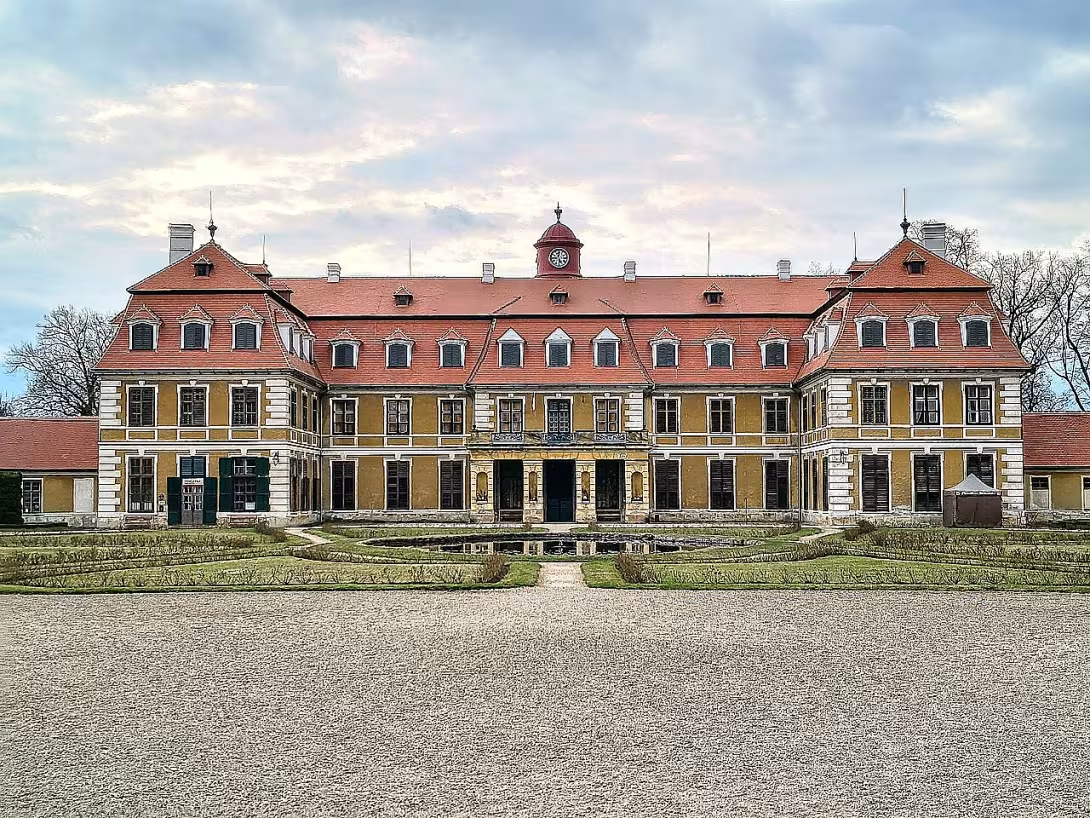
The Rájec nad Svitavou Castle is located on the high rise in the immediate vicinity of the Rájec-Jeshrobi. It is a late Baroque manison de plaisance castle, which has evolved for centuries - from medieval military strongholds to Renaissance palace manor to the imagination castle of the eighteenth century.
The oldest authors of the castle were three medieval forts. The existence of the older one is expected in the 13th century; in the 14th and 15th centuries, both are supported by written sources. They were defeated gradually - first probably during the so-called Margrave Wars between Margrave Yošt and his brother Prokop, then in 1431 by Hussite troops, and last mentioned as destroyed and desolate in 1446. The founders of the fort seem to have been members of the ruling family of the lords of Eden. The estate gradually passes among the various owners - the lords of Kunštát, of Lomnice, and finally the desolate fort becomes the property of the Olomouc bishop.
In 1464, the tomato goods will be taken into the hands of Drnovsky of Drnovice, which will become a determining family for centuries. In the second half of the 15th century, the smaller of the castles are restored in late Gothic style. Around 1570, the excellent landlord and supreme court judge of the Moravian Margrave Bernard Drnovský of Drnovic will expand the residence substantially and rebuild it in the Renaissance spirit - creating a four-wing two-story castle with a rectangular arcade courtyard and a tower above the main entrance. It grows around the castle with economic buildings, many of which have been preserved until today. The original form of the Renaissance castle was preserved in the painting of St. Florian in 1657, which hangs in the Church of All Saints in Paradise.
This period suddenly ends. In 1756, the castle was completely destroyed by a fire. At the time of the disaster, it is owned by the Rogendorf family, the Kraba family of Styria, which in the middle of the 18th century prefers it to a more comfortable palace in Brno. The castle remains in ruins.
Change comes in 1763. On 23 March, the estate buys the Old Count Antonín Karel Salm-Reifferscheidt, a secret council, the highest chamber and diplomat in the service of Marie Teresa and Josef II. Immediately after purchase, he will proceed to the construction of a new castle - maison de plaisance in the modern style of French classicality. The project is prepared by a Viennese architect of French origin Isidor Canevale, which creates a project in the style of the so-called rococo classicism (sometimes referred to as the style of luisése). The inspiration is drawn from the summer mansions of the French nobles of Louis XVI.
Today the castle is a national cultural monument owned by the state. It is managed by the National Heritage Institute and is open to the public. Visitors can see both architectural elements of the Baroque residence and the preserved economic buildings forelock.
Then and now
Drag the slider to compare how the landmark may have looked when it was built with the view today.
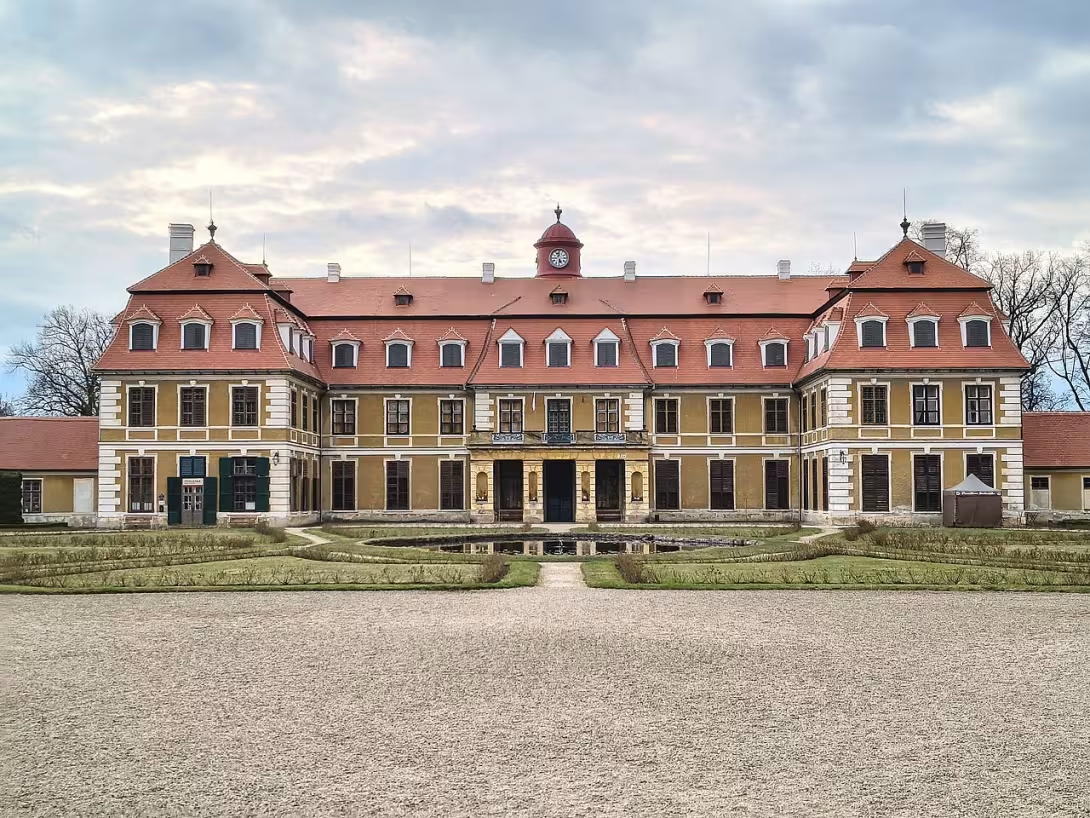

The historical appearance on the left is an AI-generated visualisation and serves as inspiration only.
Historical milestones
- 1763-1769
- Construction of the castle by Antonín Karem Salm-Reifferscheidt.
Architectural development
Originally there were three medieval forts, which were restored and rebuilt in Renaissance style. After the fire in 1756 the castle was not restored, but Antonín Karel Salm-Reifferscheidt built a new castle in the style of rococo classicism according to Isidor Canevale's plans.
Historical events
- 1431
- During the raid of the Hussite troops, the fort was destroyed.
- 1756
- The castle was destroyed by a fire.
- 1763-1769
- Construction of the current castle under the leadership of Antonín Karl Salm-Reifferscheidt.
Owners
- 1464
- 1621
- 1763
Points of interest
- The Rájec nad Svitavou Castle is a late baroque manison de plaisance castle developed for centuries - from medieval military strongholds to Renaissance palace manor to the imaginative 18th century castle. - The oldest originators of the castle were three medieval castles, the existence of which is supposed to exist in the 13th century and documented in the 14th and 15th centuries. - In 1756 the castle destroyed the fire; The owners at the time were the Rogendorf family, the Kraba family of Styria. - On 23 March 1763 the Old Count Antonín Karel Salm-Reifferscheidt bought the estate and began the construction of a new castle in the modern style of French classics according to the design of Viennese architect Isidor Canevale. - Today the castle is a national cultural monument owned by the state and managed by the National Heritage Institute, accessible to the public.
Guide
This guide is narrated by a synthetic voice generated by artificial intelligence.
Show guide text
This text was created by artificial intelligence and has not been editorially reviewed. It may contain inaccuracies.
Rájec Castle above Svitavou is a late Baroque residence from the second half of the 18th century. It stands on an elevation right near the city of Rájec-Jestřebí and bears the name of the once independent municipality of Rájec nad Svitavou. It belongs to the type that is called in French a maison de plaisance. It is a national cultural monument and is owned by the state, with the National Heritage Institute responsible for its administration.
In the Middle Ages, three fortresses stood here. The oldest of them is presumed to date from the 13th century, with fortresses documented in sources from the 14th and 15th centuries. They were likely founded by the lords of Rájce. The first known member of the family is Všebor, who in the year 1236 witnessed a document of the Moravian margrave Přemysl. The fortresses were first damaged by disputes between the margrave Jošta and his brother Prokop, and then in the year 1431 by a Hussite raid. In the year 1446 they are mentioned as abandoned. They gradually belonged to the lords of Rájce, of Kunštát, of Lomnice and finally to the Olomouc bishop Pavel z Miličína.
In the year 1464 the Rájec estates were acquired by the Drnovskis of Drnovic. They restored the smaller of the fortresses in the late Gothic style. Around the year 1570 Bernard Drnovský z Drnovic, the highest court judge of the Moravian Mark, rebuilt it into a Renaissance four-winged castle. It had two stories, an arcaded courtyard and a tower above the main entrance. Around it arose a forecourt with utility buildings, which have largely been preserved. The castle was accompanied by a garden with a maze, a circular sala terrena and a large bird cage. An approximate appearance of the Renaissance castle is captured in a painting of Saint Florian from the year 1657 in the Rájec Church of All Saints.
The last of the Drnovskis, Johanka, married Georg Ehrenreich z Rogendorfu in the year 1621. In the year 1661 Emperor Leopold the First granted her the domain. In the year 1756 a fire destroyed the castle. The Rogendorfs then preferred the more comfortable palace in Brno, and so the castle remained in ruins.
On the 23rd of March 1763 old count Antonín Karel Salm-Reifferscheidt purchased the estate from his wife Raffaela's brothers. He was a diplomat and the highest chamberlain in the service of Maria Theresa and the tutor of Joseph the Second. Immediately after the purchase he began building a new castle and founded the Salm-Reifferscheidt-Raitz family branch. The plans were designed by the Viennese architect of French origin Isidore Canevale. He chose Rococo classicism, which is quite rare in our country. His inspiration came from the summer residences of French nobility from the time of Louis the Sixteenth.
Tips for visitors
The best time to visit the castle Rájec nad Svitavou is in summer, especially in the months of May to October. During this period the tours take place at very pleasant temperatures and the castle park offers beautiful flowering landscapes that are ideal for relaxation and photography.
Parking can be found near the castle. We recommend arriving on the car or using public transport if you want to avoid parking problems during weekends and summer months. The current information about bus and tram routes can be checked in the online traffic search engine.
When visiting the castle, bring your protective sunglasses, umbrella (if necessary), and shoes suitable for walking on the lawn. If you are planning photography, remember that the best light is in the early morning or late afternoon when the sun is not too strong.
For families with children the castle offers interesting spaces and historical context, which can be used as a lesson on Baroque architecture. In the surroundings you can visit the natural park Šumava, which is an ideal place for family picnics and short walks.
Frequently asked questions
Can the monument be visited?
Yes. We verified the opening hours or admission on the official website (4. 10. 2026); you will find them in the visitor information on this page. Please double-check with the operator before you travel.
What are the opening hours and admission?
Details verified on the official website (4. 10. 2026) are listed in the visitor information on this page. Official website: https://www.zamek-rajec.cz/
Where is the monument?
Location: Blanenská 1, Rájec, Rájec-Jestřebí, Jihomoravský kraj. The map on this page shows the exact spot.
Why is the monument protected?
It is listed in the Central List of Cultural Monuments of the Czech Republic as a national cultural monument (register no. 279).
For kids
Businesses nearby
Do you run a restaurant, accommodation, shop, museum, rental, wellness or other visitor service near this monument? Show yourself directly to the people heading to it — this is how they will see you in the app and on the web:
Events nearby

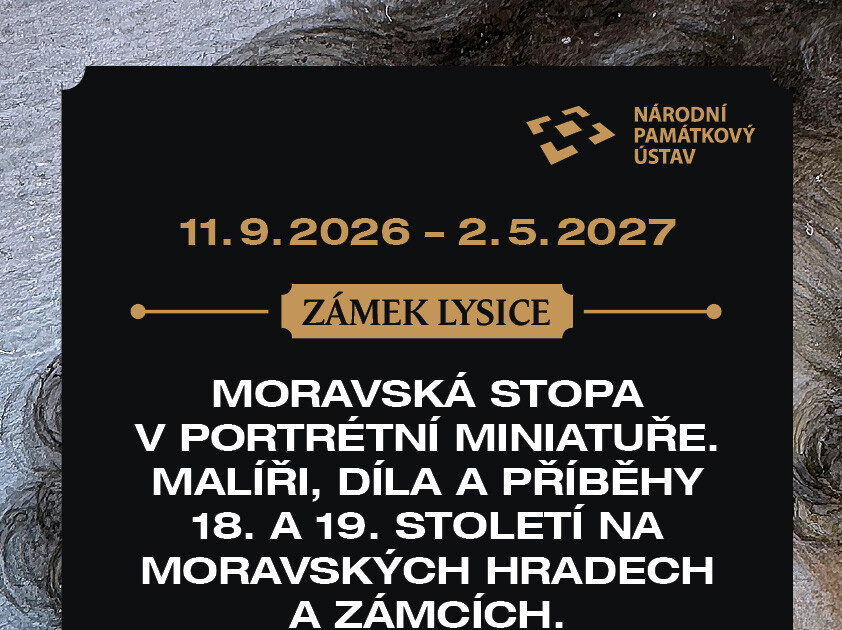
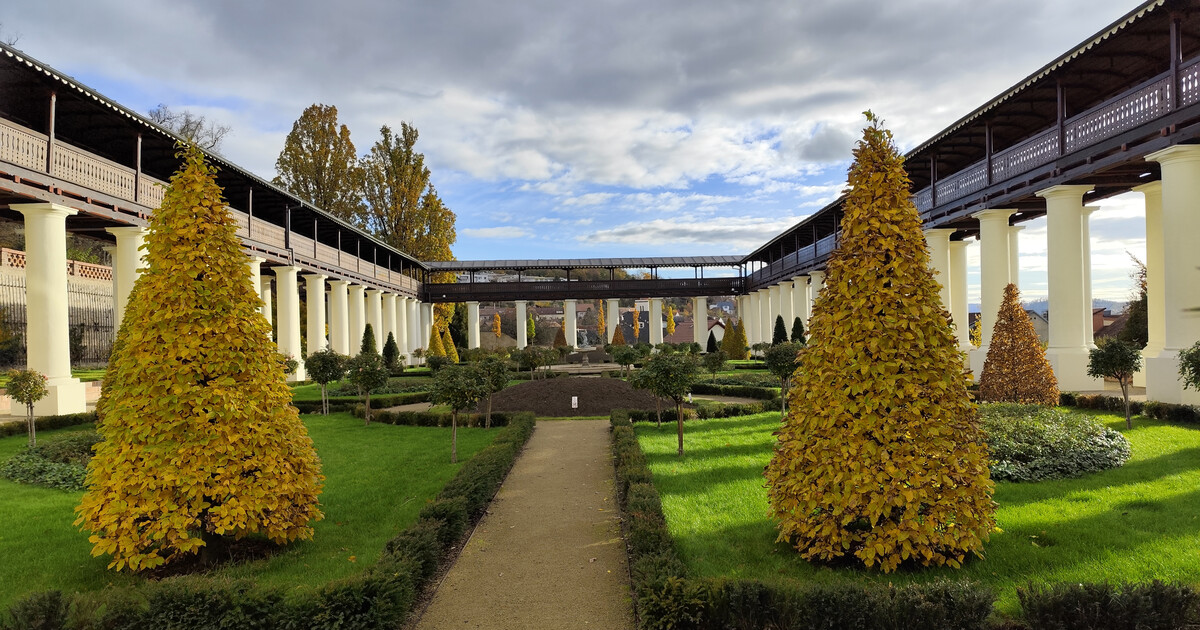

Zdroj akcí: otevřená data měst a obcí ČR (Národní katalog otevřených dat) a kalendář akcí Národního památkového ústavu.
Nearby
Ambient landscape, other monuments, natural elements up to 5 km or zero.
Accommodation nearby
Trips and activities nearby
Guided tours, tickets and activities nearby from GetYourGuide
Affiliate link: if you buy from the partner, we may receive a commission. The price for you does not change.
Search tours and activities →Themed route
Thematic cruise route castle Rájec nad Svitavou
1. Castle Rájec nad Svitavou * Type: * Historical lock * Why is it worth visiting: * The castle is one of the most famous Renaissance buildings in Bohemia, known for its architecture and rich history. It is an ideal place for understanding Czech heritage and culture.
2. Chapel of the Virgin Mary * Type: * Chapel in the castle courtyard * Why is it worth visiting: * This chapel is part of the castle complex and offers a peaceful atmosphere for meditation. Its historical significance and architectural beauty attract visitors who want to enjoy peace here in the middle of the castle.
3. Castle parks * Type: * Park and garden * Why is it worth a visit: * Castle parks are an ideal place for relaxing in nature, offering beautiful walks between old trees and landscaping. It's a place where you can enjoy the peace and beauty of the castle environment.
4. Castle Tower * Type: * Historical tower in the castle * Why is it worth visiting: * The tower offers a unique view of the surrounding landscape and is witnessing many historical events. It's the perfect place for those who want to understand the history of the castle from a different angle.
This track offers visitors a comprehensive view of the cultural and historical importance of the castle Rájec nad Svitavou, along with an opportunity to relax and enjoy the beauty of its parks.
Seasonal recommendations
Spring: In the spring season, Rájec nad Svitavou is transformed into a green paradise, where flowering shrubs and trees revive the castle with their beauty. The sun's rays shining between the misty clouds provide a romantic atmosphere, an ideal time for relaxing walks around the garden and looking at the waterfall. Although you are not afraid of crowds, we recommend you visit more slowly to enjoy mild spring temperatures and fresh air. Don't forget to wear light clothes, but you will also bring a cap or blankets for a cooler afternoon.
Summer: The Rájec nad Svitavou has become a popular destination for visitors seeking escape from urban life. The sunny days offer ideal conditions for exploring historical interiors and the natural beauty of the surrounding garden, where the atmosphere is filled with the fragrance of flowering plants. In the main summer season you may have to wait for entry, so we recommend to come earlier afternoon. Don't forget your short clothes and goggles so the sun doesn't surprise you.
Autumn: In autumn, Rájec nad Svitavou offers visitors a unique atmosphere coloured with pink, yellow and red leaves. Sunshine days are an ideal time for photography, when historical buildings are transformed into a background full of colors and textures. Moisture and cold may be present, therefore we recommend wearing more layers of clothing and not forgetting the warm shale for corridors between buildings. This time of year is also suitable for a calmer visit because they avoid crowds.
Winter: Winter Rájec nad Svitavou offers a different view of the lock under the cover of snow and ice breath. Sunshine days bring a beautiful contrast between the white world outside and historical interiors, creating an atmosphere of peace and mystery. Opening hours can be limited due to winter weather, so it is good to check the current information before visiting. Warm clothes and shoes suitable for snow conditions are essential so that winter does not surprise you during your trip to this historic monument.
Visualizations and artistic views


The visualisations are generated by artificial intelligence and serve as inspiration.
Photos from the area
Real photos taken near the monument


Zdroj a licence jsou uvedeny u každého snímku.
View from the area
This animation was generated by artificial intelligence from a real photograph of the surroundings. The motion and details are not real footage of the location.
Tips from visitors
No tips yet. Be the first!
Log in and add your tip.
Sources and literature
Photos: Pudelek / CC BY-SA 4.0 — Wikimedia Commons. The author and licence also appear when you hover over the image.
Faktickým podkladem tohoto textu byl článek na Wikipedii, jehož autory jsou přispěvatelé Wikipedie. Článek je dostupný pod licencí CC BY-SA 4.0.
Location on the map


Příběhy a pověsti
Legendy, pověsti a příběhy spjaté s touto památkou

Fotografie návštěvníků
Zatím žádné fotografie. Buďte první, kdo přidá fotografii z návštěvy!
Log in a přidejte svou fotografii nebo hodnoťte.
Za ověřenou návštěvu v aplikaci získáte víc bodů — poznáme podle GPS, že jste na místě.
Reviews and comments