






Rašínovo nábřeží Other
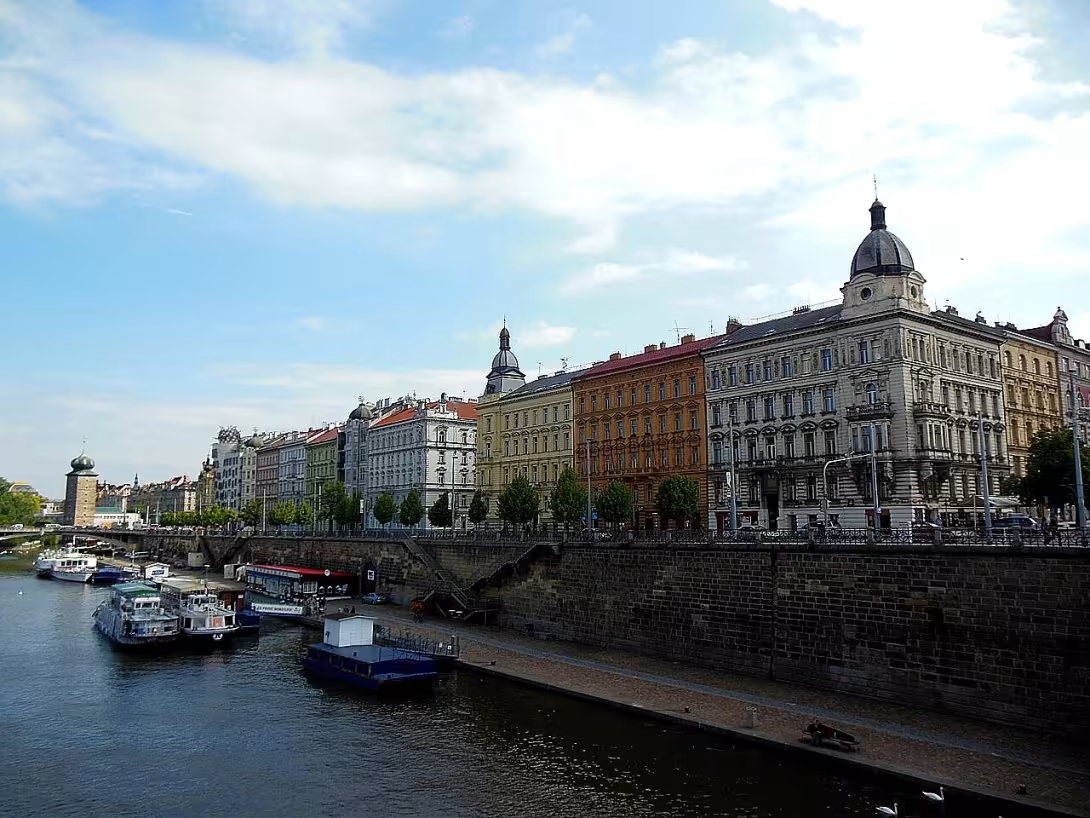
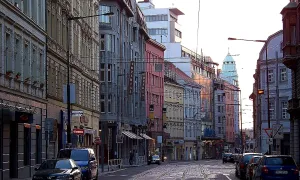
Rašínovo nábřeží is a prominent riverside promenade in Prague, located between Nové Město and Vyšehrad. Named after Czech politician and economist Alois Rašín, it serves as part of the city's flood protection system along the Vltava River. The area features elegant early 20th-century architecture, including Cubist buildings and functionalist structures. It is a vibrant cultural hub with regular farmer's markets on Saturdays and hosts numerous cultural events.
The promenade has evolved significantly since its medieval origins as a central communication route for Podskalí. By the early 20th century, it underwent substantial development, particularly after the construction of the Vyšehradská skála tunnel, which led to the reinforcement and paving of its southern section. This period marked a shift in its architectural identity, with notable contributions from Cubist architect Josef Chochol. The area was renamed Rašínovo nábřeží in 1990, replacing its previous designation as Nábřeží Bedřicha Engelse.
Architecturally, Rašínovo nábřeží is distinguished by early 20th-century structures reflecting Cubist and functionalist styles. The promenade includes a series of Cubist buildings designed by Josef Chochol, such as the four houses at numbers 6-10, celebrated for their architectural significance. Additionally, it features the Kovařovicova vila, another notable Cubist structure. These streamlined designs and functional elements exemplify modernist trends prevalent during this era.
Throughout its history, Rašínovo nábřeží has been associated with various figures and events. It was named after Alois Rašín, a key figure in Czech politics and economics, reflecting his influence on the region's development. Historically, it served practical purposes such as timber storage and goods unloading for river transport, highlighting its role in Prague's economic activities.
Today, Rašínovo nábřeží is not only an architectural landmark but also a lively cultural space. It hosts regular farmer's markets every Saturday and serves as the venue for numerous cultural events, making it popular with both locals and tourists. The promenade underwent significant revitalization in 2019, including the installation of the world's largest rotating glass windows, enhancing its modern appeal.
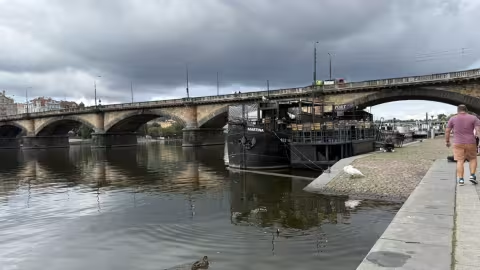
Visitors to Rašínovo nábřeží can enjoy scenic views along the Vltava River and explore the rich architectural heritage that characterizes this area. Its blend of historical significance and contemporary vibrancy makes it a must-visit location in Prague. Whether interested in architecture, history, or seeking a lively riverside experience, Rašínovo nábřeží offers something for everyone.
Then and now
Drag the slider to compare how the landmark may have looked when it was built with the view today.
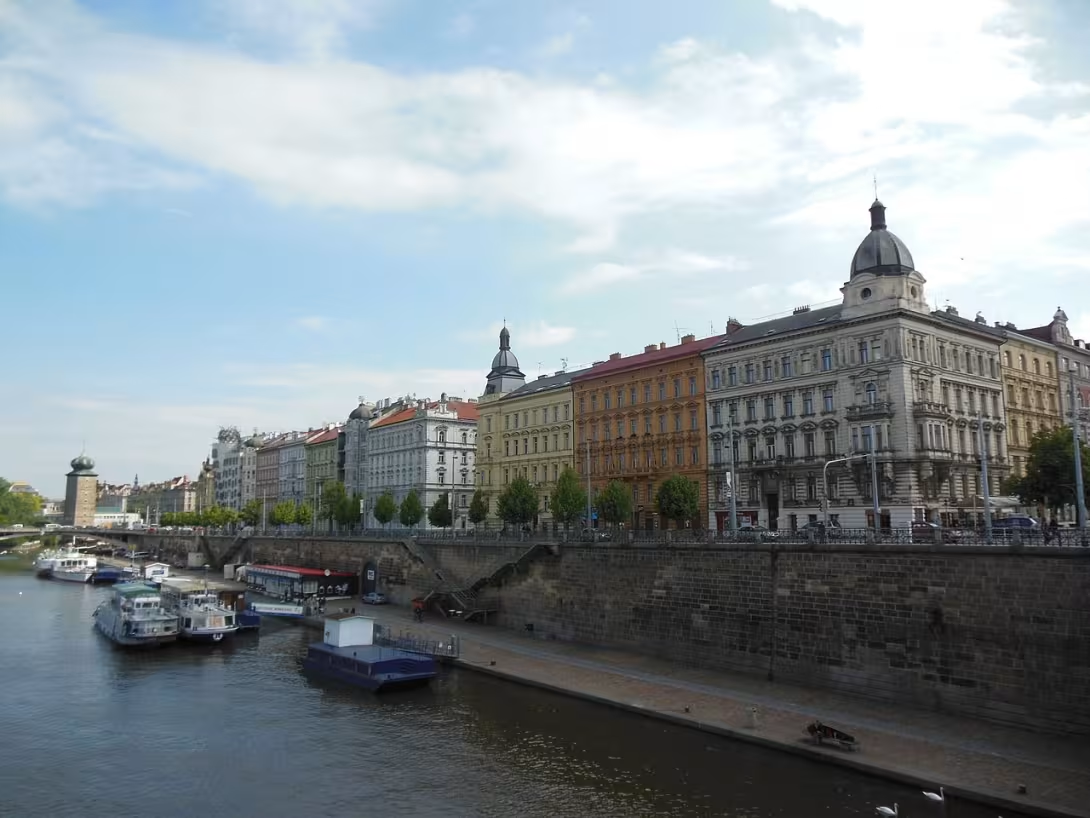

The historical appearance on the left is an AI-generated visualisation and serves as inspiration only.
Historical milestones
- 1875
- Construction of the stone section of the promenade up to Jiráskovo náměstí.
- 1951-1990
- The southern part was named Nábřeží Bedřicha Engelse, later renamed Rašínovo nábřeží in 1990.
Architectural development
Rašínovo nábřeží has evolved from a medieval communication route into a modern riverside promenade. The area saw significant development in the early 20th century with reinforced and paved sections, including notable Cubist architecture by Josef Chochol. Functionalism also influenced its design, evident in the streamlined structures along the riverbank.
Historical events
In the early 20th century, the southern section of Rašínovo nábřeží was reinforced and paved after the construction of Vyšehradská skála tunnel.
The promenade underwent a name change in 1990 to honor Alois Rašín, replacing its previous designation as Nábřeží Bedřicha Engelse.
Points of interest
- Despite its modern appearance, Rašínovo nábřeží's origins date back to medieval times as a crucial communication route for Podskalí, highlighting its longstanding significance in Prague's urban development.
- The promenade underwent significant transformation following the construction of the Vyšehradská skála tunnel, which not only reinforced and paved the southern section but also marked a shift towards modernist architectural styles like Cubism.
- Among the notable architects who contributed to Rašínovo nábřeží's distinctive style is Josef Chochol, whose designs include the celebrated series of four houses at numbers 6-10, recognized for their unique Cubist features and influence on early 20th-century architecture in Prague.
- Before being renamed after Alois Rašín in 1990, the promenade was known as Nábřeží Bedřicha Engelse, reflecting a historical connection to German socialist thinker Friedrich Engels and illustrating how political shifts can impact place names.
- In addition to its architectural allure, Rašínovo nábřeží is famous for hosting one of Prague's most vibrant farmer's markets every Saturday, which has become an integral part of the local culture and a popular attraction for both residents and tourists.
Guide
This guide is narrated by a synthetic voice generated by artificial intelligence.
Show guide text
This text was created by artificial intelligence and has not been editorially reviewed. It may contain inaccuracies.
Welcome to Rašínovo nábřeží, a stunning riverside promenade nestled between Nové Město and Vyšehrad in Prague's heart. As you stand here, take a moment to soak in the elegant architecture that lines the Vltava River. This area is an integral part of Prague’s flood protection system, blending functionality with historical charm.
The origins of Rašínovo nábřeží trace back to medieval times when it served as a vital communication route for Podskalí. Its modern form began to take shape in 1875 with the construction of the stone section up to Jiráskovo náměstí, marking its transformation into a prominent urban feature.
As you stroll along this promenade, your eyes are drawn to the early 20th-century architecture that defines the area. Notice the distinctive Cubist and functionalist buildings that reflect Prague's architectural evolution. These structures stand as silent witnesses to the city’s dynamic history, inviting you to explore their unique designs.
Alois Rašín, a key figure in Czech politics and economics, lends his name to this promenade. His legacy is intertwined with the area's development, particularly during its renaming in 1990 after previously being known as Nábřeží Bedřicha Engelse from 1951 to 1990.
One intriguing aspect of Rašínovo nábřeží is its enduring significance despite its modern appearance. Originally a medieval route, it has continuously evolved while maintaining its crucial role in Prague's urban landscape.
As you continue your journey along this historic promenade, let the blend of architectural styles and historical narratives inspire you to delve deeper into the stories that have shaped this vibrant part of Prague. Thank you for joining us on this exploration, and we hope you'll discover more wonders as you wander through this captivating city.
Tips for visitors
The best time to visit Rašínovo nábřeží is during the late spring or early autumn months, when the weather is pleasant for walking along the riverbank without the crowds of summer tourists. The mild temperatures and blooming nature make it an ideal setting for a leisurely stroll. Additionally, visiting in these seasons allows you to enjoy outdoor events and festivals that often take place near the promenade.
When planning your visit, consider bringing comfortable walking shoes and a light jacket, as weather conditions along the riverbank can change quickly. A camera or smartphone with a good camera will also enhance your experience, allowing you to capture stunning views of the Vltava River and the surrounding architecture. Don’t forget to bring water and snacks if you plan on spending several hours exploring.
For photography enthusiasts, Rašínovo nábřeží offers excellent spots for capturing the beauty of Prague’s skyline against the backdrop of the river. The best light is typically during the golden hour in the early morning or late afternoon when the sunlight creates a warm glow over the water and buildings. Additionally, the promenade provides various angles to photograph Vyšehrad Castle and other landmarks.
Within a 30-minute walk from Rašínovo nábřeží, you can explore Vyšehrad Castle, which offers historical insights and panoramic views of Prague. The nearby National Theatre is another cultural highlight worth visiting for its architectural beauty and performances. These attractions provide enriching experiences that complement your visit to the promenade.
For families with children, Rašínovo nábřeží is a great place to spend time outdoors. There are plenty of open spaces where kids can run around safely while parents enjoy the scenic views. The area also hosts various events and activities throughout the year that cater to young visitors. Additionally, the proximity to Vyšehrad Castle offers educational opportunities for children interested in history.
Frequently asked questions
Can the monument be visited?
We have not verified whether this monument is accessible. Please ask the owner or operator, or the local municipal office.
Where is the monument?
Location: Nové Město, Hlavní město Praha. The map on this page shows the exact spot.
Businesses nearby
Do you run a restaurant, accommodation, shop, museum, rental, wellness or other visitor service near this monument? Show yourself directly to the people heading to it — this is how they will see you in the app and on the web:
Events nearby

Zdroj akcí: otevřená data měst a obcí ČR (Národní katalog otevřených dat) a kalendář akcí Národního památkového ústavu.
Nearby
The vicinity of Rašínovo nábřeží includes significant cultural sites like Vyšehrad Castle and the National Theatre. The Vltava River offers scenic views and recreational opportunities, enhancing its appeal.
Accommodation nearby
Trips and activities nearby
Guided tours, tickets and activities nearby from GetYourGuide
Affiliate link: if you buy from the partner, we may receive a commission. The price for you does not change.
Search tours and activities →Themed route
Thematic Walking Tour: Rašínovo nábřeží and Surroundings
1. Rašínovo nábřeží - Type: Riverfront Promenade - Why Visit: Begin your journey at this iconic riverside promenade, offering stunning views of the Vltava River and Prague Castle across the water. The area is perfect for leisurely strolls or picnics, with its blend of modern architecture and natural beauty.
2. Vyšehrad - Type: Historic Site - Why Visit: A short walk from Rašínovo nábřeží, Vyšehrad offers a rich tapestry of history and culture. Explore the majestic Vyšehrad Castle, known for its stunning architecture and panoramic views of Prague. Don't miss the Vyšehrad Cemetery, resting place of many notable Czech figures.
3. National Theatre - Type: Cultural Landmark - Why Visit: Located near Vyšehrad, this iconic theatre is a testament to Prague's vibrant cultural scene. Admire its impressive Neo-Renaissance architecture and learn about its storied history in the world of performing arts.
4. Vltava River - Type: Natural Scenic Area - Why Visit: As you meander along Rašínovo nábřeží, take time to enjoy the scenic beauty of the Vltava River. The riverbanks are perfect for relaxation and offer numerous recreational opportunities, such as boating or simply soaking in the picturesque views.
This tour offers a harmonious blend of cultural exploration and natural beauty, making it an ideal experience for anyone visiting Prague's historic Vyšehrad area.
Seasonal recommendations
Spring: The arrival of spring at Rašínovo nábřeží and Vyšehrad brings a refreshing atmosphere with blooming flowers and lush greenery, enhancing the picturesque views of Prague Castle across the Vltava River. This season is characterized by mild temperatures and longer daylight hours, making it an ideal time for leisurely walks along the riverbank or exploring the historic sites without the summer crowds. Visitors should enjoy the gentle warmth but carry a light jacket as evenings can still be cool. The natural beauty of spring offers a serene backdrop to appreciate the architectural elegance of Vyšehrad and its surroundings.
Summer: Summer at Rašínovo nábřeží is vibrant, with long days filled with sunshine that accentuate the historic charm of Vyšehrad and Prague Castle. This season sees an influx of tourists, so arriving early in the morning can help avoid the crowds. The warm weather invites visitors to relax by the river or partake in outdoor activities like picnics. While exploring, comfortable walking shoes are recommended due to uneven paths, and light, breathable clothing is ideal for staying cool under the sun. Summer evenings offer a pleasant respite with cooler temperatures, perfect for enjoying the illuminated landmarks.
Autumn: Autumn transforms Rašínovo nábřeží and Vyšehrad into a tapestry of warm colors as leaves change from green to shades of orange and red. The crisp air and milder crowds make this season particularly inviting for those who appreciate nature's beauty. Visitors can enjoy the scenic views with fewer people around, making it an excellent time for photography or quiet reflection by the river. Layered clothing is advisable due to fluctuating temperatures throughout the day, and carrying a light scarf or hat can be beneficial as evenings become cooler.
Winter: Winter at Rašínovo nábřeží offers a magical experience with snow-covered landscapes that provide a stark yet beautiful contrast against the historic architecture of Vyšehrad. The shorter days mean fewer tourists, allowing for a more intimate exploration of the area. Visitors should dress warmly in layers to combat the cold and ensure comfort while walking on potentially icy paths. Winter evenings are enchanting as the illuminated landmarks reflect off the river, creating a picturesque scene. Despite the chilly weather, the serene atmosphere makes it a unique time to experience Prague's historic charm.
Visualizations and artistic views


The visualisations are generated by artificial intelligence and serve as inspiration.
Photos from the area
Real photos taken near the monument


Zdroj a licence jsou uvedeny u každého snímku.
Tips from visitors
No tips yet. Be the first!
Log in and add your tip.
Sources and literature
Photos: PatrikPaprika / CC BY-SA 3.0 — Wikimedia Commons. The author and licence also appear when you hover over the image.
Faktickým podkladem tohoto textu byl článek na Wikipedii, jehož autory jsou přispěvatelé Wikipedie. Článek je dostupný pod licencí CC BY-SA 4.0.
Location on the map
More monuments – Nové Město
Show all in the municipality


Příběhy a pověsti
Legendy, pověsti a příběhy spjaté s touto památkou

Za ověřenou návštěvu v aplikaci získáte víc bodů — poznáme podle GPS, že jste na místě.
Reviews and comments