



Řezníčkova vila Villa
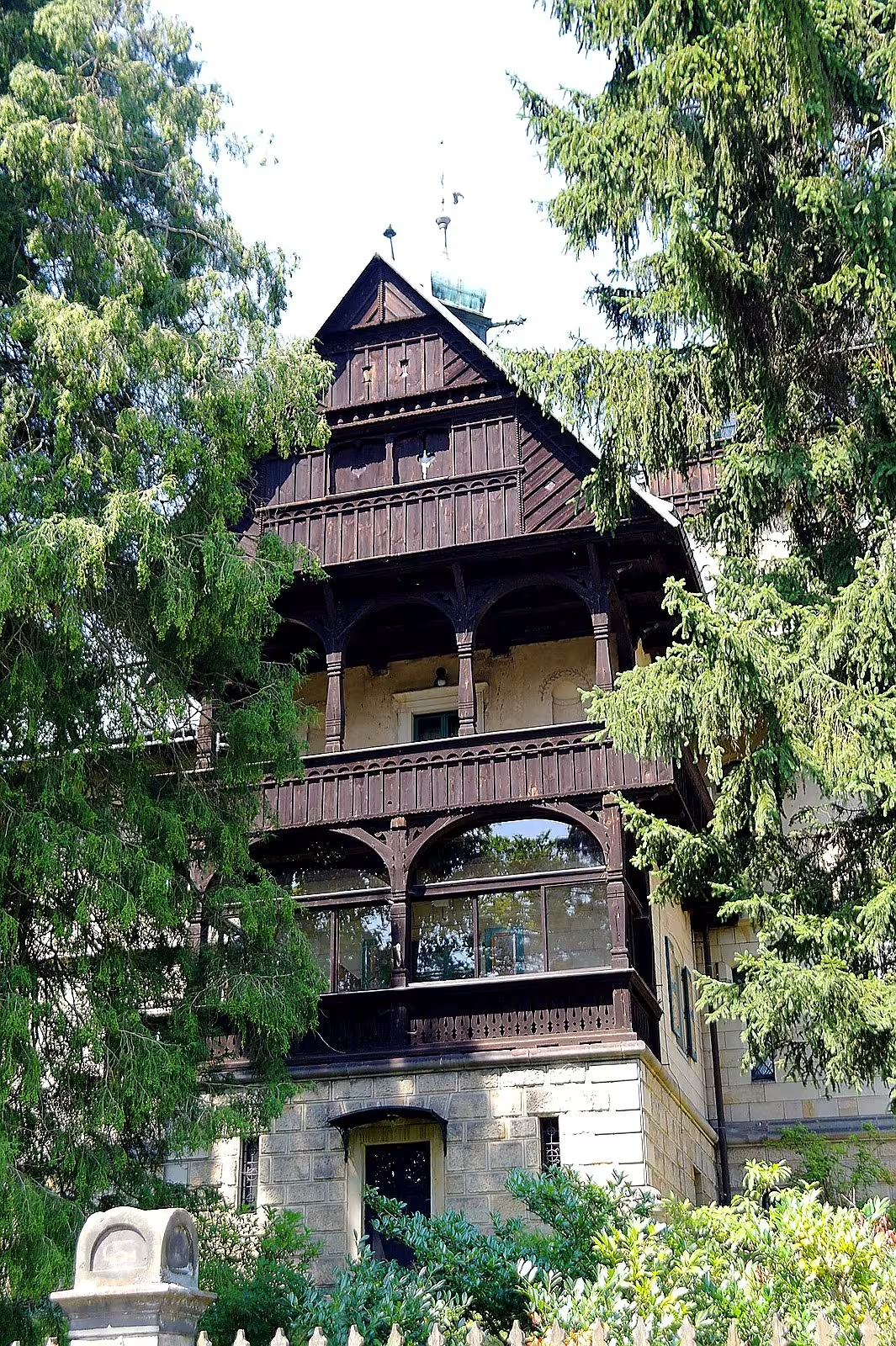
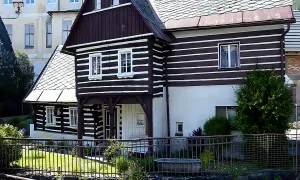
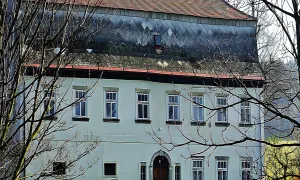
Řezníčkova vila in Doubravice, part of the village Hrubá Skála in Semily district, is a representative storey building from the turn of the 19th and 20th centuries. The building presents a unique example of the creation of architect Jan Vejhěk, in which the historical forms are successfully supplemented with elements of folk architecture and the upcoming Art Nouveau. Since 3 May 1958 the villa has been protected as a real-estate cultural monument.
The villa was built by Karel Řezníček, owner of a brewery on the Hrubé Skála, on a parcel in Doubravice near his establishment. The implementation of the project was entrusted to the renowned architect Jan Vejhův, a graduate of Prague technology, who is known for a number of neo-Renaissance and eclectic buildings in Czech cities. At that time, the construction budget was 16,000 gold pieces. At the time of the construction, the period of historism in the Czech countries culminated, which began to intersect with new artistic directions and sought inspiration in national traditions and folk building.
The building has a floor plan of an irregular cross and consists of a basement, two living floors and an attic. The facades combine wood, local carved sandstone and smooth plaster. The facade is decorated with folklore elements such as stoves, veranda, lounges and shutters, derived from the wooden architecture of the surrounding villages. The eastern facade is complemented by a tower with a wooden covered gallery, a polygonal roof and a lid with a lantern and dancing. On this side is the fresco of St. Wenceslas riding by painter L. Novák. The original shale roof was later replaced by a metal cover. Inner spaces connect ellipse staircases. The layout of living floors was designed around the hall and included a salon, living room with dining room, kitchen and other rooms; There was a bath and a maid's room to the kitchen. The basement served technical facilities, including the gardener's apartment.
After Karl The Butcher was replaced by other owners in possession of the villa, among which were Drag Zubalič Tykac and Jan Poláškov-Kaucká. In 1998 the building was purchased for the municipality of Hrubá Skála Czech-German businessman and Turnov benefactor Bohuslav Jan Horáček, native of nearby Railways.
Currently, the villa serves as the headquarters of the municipal office Hrubá Skála and is used for the needs of the village and its surroundings. The building is especially known as a sought-after venue for the wedding ceremonies, which have been held here for decades a year in the past. The building is surrounded by a large garden with a park treatment, including a stylish entrance gate.
Řezníčkova vila is a valuable document of the turn of the century architecture, which sensitively links representative historism with regional traditions. Visiting this place offers the opportunity to see the remarkable synthesis of artistic styles in the environment of the Czech Paradise.
Then and now
Drag the slider to compare how the landmark may have looked when it was built with the view today.
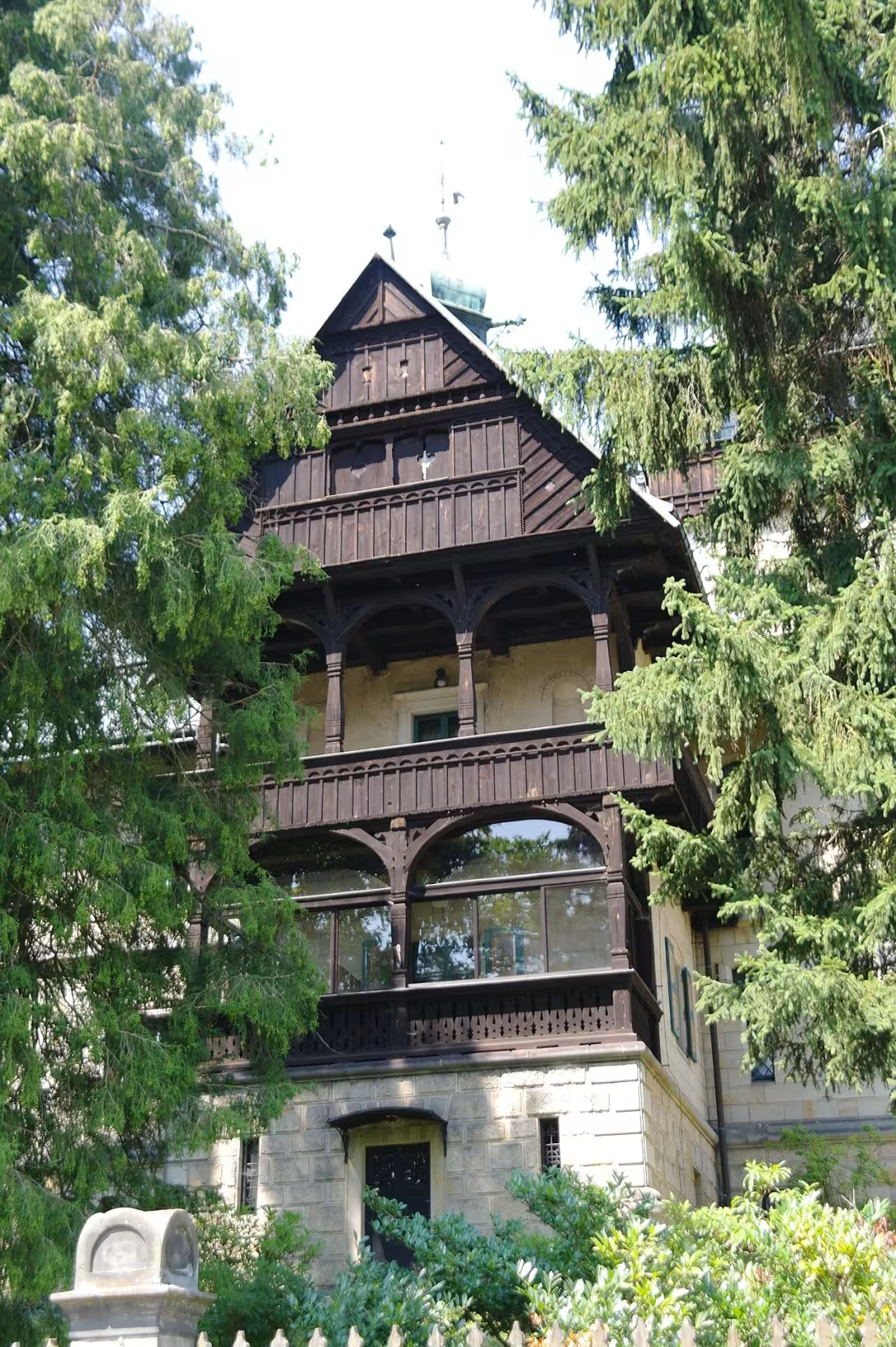
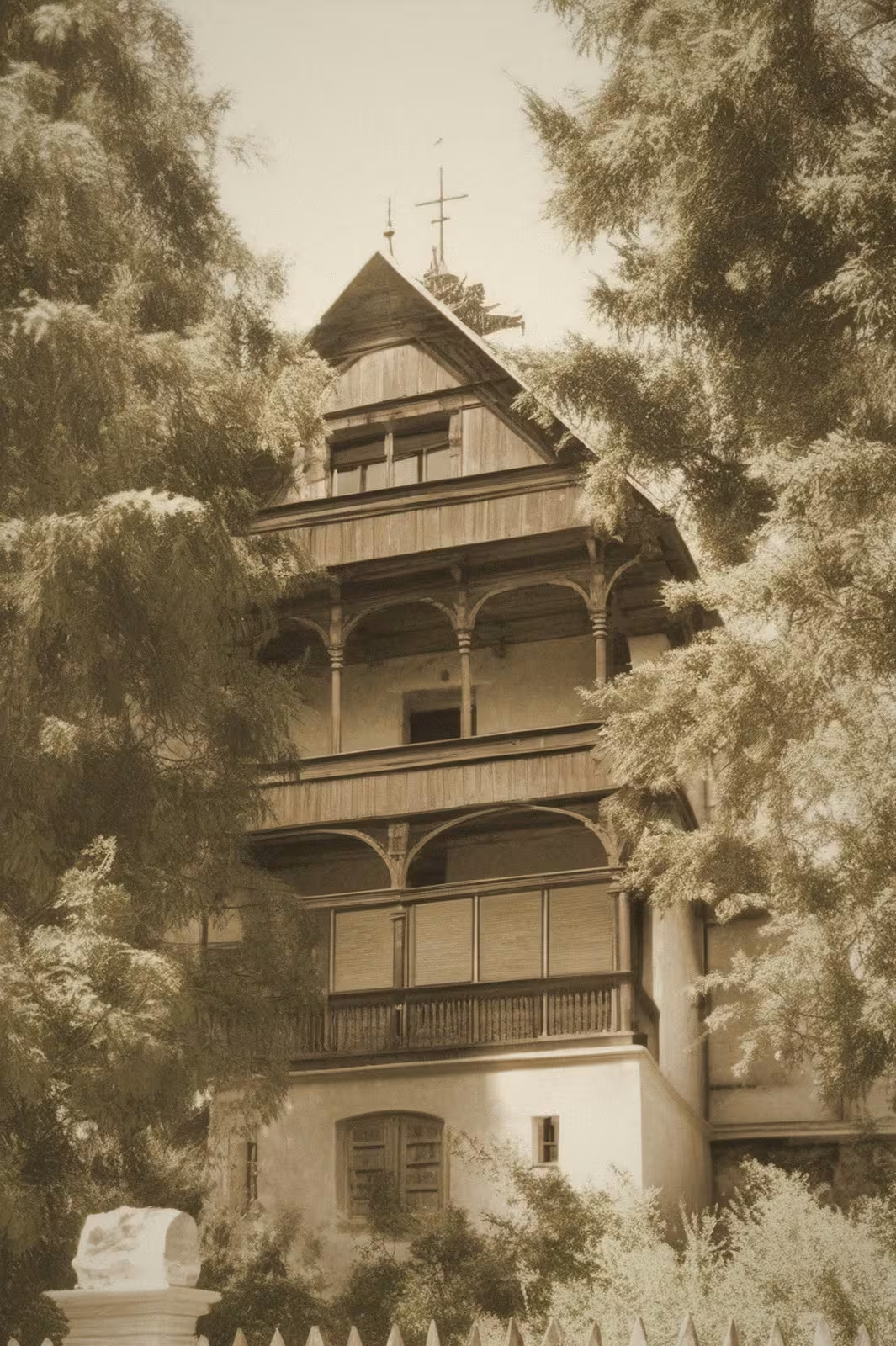
The historical appearance on the left is an AI-generated visualisation and serves as inspiration only.
Historical milestones
- around 1900
- Construction of the villa according to the design of architect Jan Vejhík
- 1958
- Entry of the object into the list of real estate cultural memories
- 1998
- Purchased by Bohuslav Jan Horack for the village of Hruba Skala
Architectural development
The construction was carried out according to Jan Vejhův's project with a budget of 16,000 gold pieces. The facades combine wood, carved sandstone and smooth plaster, with motifs based on local folk architecture. The original shale roof was replaced in a later period by a tin cover.
Historical events
3. 5. 1958: The villa was declared a cultural monument. 1998: The building was purchased by the benefactor Bohuslav Jan Horáček for the needs of the municipality.
Owners
Karel Řezníček (original owner), Drag Zubalič Tykač and Jana Poláškova- Kaucká (restituenti), Bohuslav Jan Horáček (since 1998), Municipality of Hrubá Skála.
Points of interest
- The construction is a unique example of the creation of architect Jan Vejhěk, where the historical forms are supplemented with elements of folk architecture and Art Nouveau. The building of the villa cost 16,000 gold pieces. - On the east front there is a fresco of St. Wenceslas on a horse, the author of which is painter L. Novák. - The original shale roof has been replaced over time by a tin cover. - The villa serves as a seat of the municipal office and is a popular place for wedding ceremonies.
Guide
Show guide text
This text was created by artificial intelligence and has not been editorially reviewed. It may contain inaccuracies.
Welcome to one of the most important buildings in this part of the region. You are standing right where history meets artistic expression and where every wall tells the story of success, tau şu and the pursuit of beauty. Look around you and feel the atmosphere. In front of you is Řezníčkova vila in Doubravice, a building that immediately attracts attention with its presence and dominates the entire area near the Hrubé Rock. It is a building that does not act as an ordinary house, but as a real mansion that has its dignity and its own soul. Feel the monumental and special harmony that radiates from this building.
To understand why this building looks so special, we must return together to about a thousand nine hundred. This was the time when the world was changing, when old traditions began to intertwine with new ideas and when people tried to express their position within society through the architecture of their homes. The main representative and person behind this vision was Mr Karel Řezníček. It was not just an ordinary person, but the owner of a local brewery, which at the time meant a significant social position and a significant economic success. He needed to build a mansion that was representative, that reflected his status, and that was dignified. This is how the project of this bunk villa was born, which was to be a symbol of his success.
Now pay attention to the architecture itself, which is right in front of your eyes. The whole object is designed in a very unusual way. If you imagine the floor plan of this building, you'll see it resembles an irregular cross. This shape makes the building dynamic and makes it constantly interesting from the perspective of every visitor because its shapes change according to the angle you are looking at. The architect Jan Vejrych was behind this brilliant design. His work here is absolutely unique and absolutely fascinating for art lovers. The egg didn't just want to copy the old patterns, it wanted to create something new.
Notice how different worlds intersect here. If you look at the individual parts of the facade, you'll see a rich breakdown that keeps the eye going. Here you will find elements of historical style that follow the past, but at the same time they are mixed with elements of folk architecture that are so typical of this region and close to people. And what is perhaps most fascinating is the emergence of a new, then fresh and modern direction called Art Nouveau. It is this synthesis, this combination of old forms, a folk spirit and a modern sense of decoration that makes the villa such an extraordinary whole. Also look at the towers that are part of the building. They have their gallery, which gives the building vertical emphasis and makes it even more representative.
Now let's focus on the specific artistic details that you can see if you look closely. If you turn towards the east facade, you may encounter a real treasure. There is a fresco on the wall that shows St. Wenceslas on the horse. This work of art was created by painter L. Novák. It is a detail that gives the whole building not only beauty but also some spiritual depth and connection with Czech history. The whole facade is so full of details to celebrate art and craft.
But this building is not just a past that has stopped. It's also a story about how monuments are preserved for future generations. In a thousand and nine hundred and fifty-eight, the villa was included in the list of real cultural monuments, which gave it protection and recognition of its value. And in the year one thousand nine hundred ninety-eight it became the property of the village Hrubá Skála thanks to Bohuslav Jan Horáček who bought it. Thanks to this decision and thanks to the people who appreciate this architecture, we, too, can stand here today and admire this heritage.
If you want to think about how much effort and what means this building was created, imagine its price at that time. The construction of this beautiful villa at that time cost an incredible 16,000 gold pieces. This was a huge amount which clearly shows how much Karel Řezníček invested in his home and how much he based on quality and nobility. The materials were also selected with care, for example the original roof was covered with shale, which gave the whole house its solid and authentic appearance.
I hope that this view of the Butcher's villa enriched you at least a little bit and that you could imagine life at a time when these stones and paintings were born. It's a place that deserves your attention and peaceful observation. Please continue to explore this beautiful place and feel the atmosphere surrounding this villa so closely connected. Thank you for your journey together and I wish you a wonderful rest of the day to discover other secrets of this wonderful area. Goodbye.
Frequently asked questions
Can the monument be visited?
This is a residential or farm building, not a museum with opening hours. Please view it from public space and respect the owners' privacy. We have no information about access to the interior.
Where is the monument?
Location: Hrubá Skála, Liberecký kraj. The map on this page shows the exact spot.
Why is the monument protected?
It is listed in the Central List of Cultural Monuments of the Czech Republic as a cultural monument (register no. 1000135191).
Businesses nearby
Do you run a restaurant, accommodation, shop, museum, rental, wellness or other visitor service near this monument? Show yourself directly to the people heading to it — this is how they will see you in the app and on the web:
Events nearby
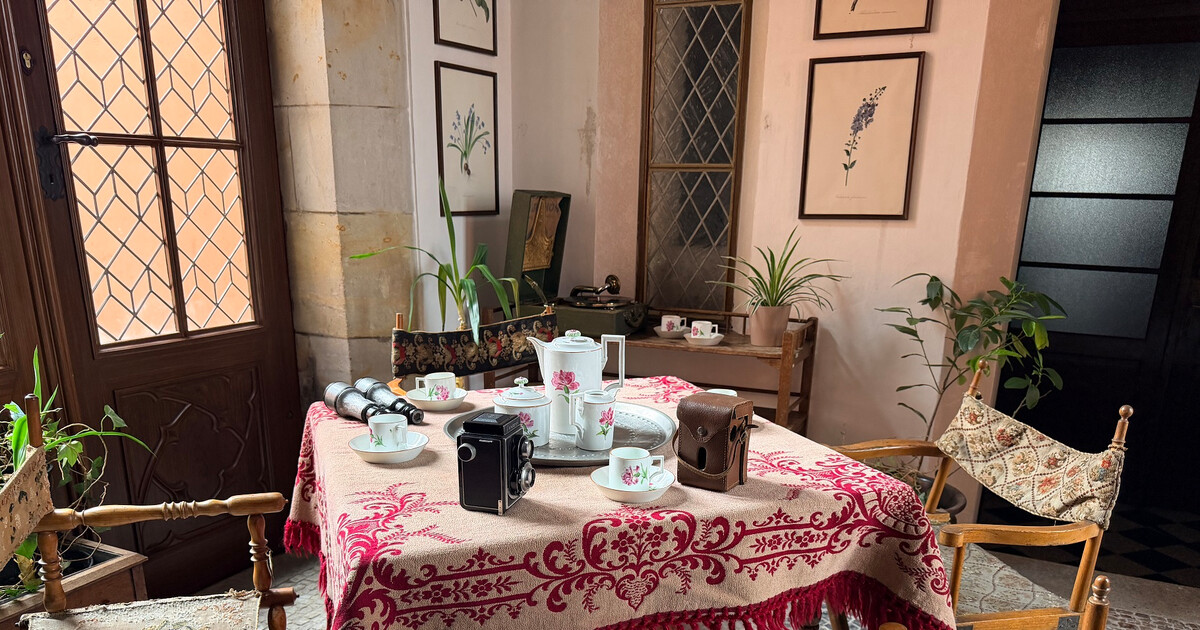

Zdroj akcí: otevřená data měst a obcí ČR (Národní katalog otevřených dat) a kalendář akcí Národního památkového ústavu.
Nearby
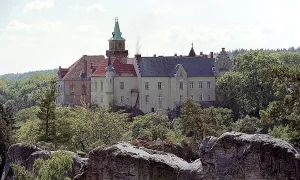
Zámek Hrubá Skála, oblast Českého ráje, přírodní památky v okolí obce Doubravice.
Accommodation nearby
Trips and activities nearby
Guided tours, tickets and activities nearby from GetYourGuide
Affiliate link: if you buy from the partner, we may receive a commission. The price for you does not change.
Search tours and activities →Themed route
1. Castle Hrubá Skála, historical residence. It's a great place to start the history of this area. 2. the area of the Czech Paradise, the natural area. This vast landscape offers beautiful views and peace. 3. natural monuments around the village of Doubravice, natural objects. Here you can discover unique natural attractions. 4. Řezníčkova vila, villa. This main destination will capture you with its architecture.
Seasonal recommendations
In spring, the villa of September accompanied by awakening nature and fresh green. The soft spring light highlights the details of the facade and surrounding parks. We recommend to dress in layered clothes because the weather is usually variable. Visiting is medium, which is why it's the perfect time in the morning.
The summer season brings rich colors and bright sun, which illuminates the whole building beautifully. The atmosphere is full of energy and the surrounding area is densely wooded. Due to the large number of tourists in the high season come as early as possible in the morning. Choose light, breathable clothes and don't forget drinking mode.
Autumn turns the surroundings of the villa into a sea of golden and red leaves, creating a romantic and slightly melancholy mood. The fog in the valley gives the place mystery. The best thing is to visit the memory in the afternoon in the golden light. Don't forget the waterproof shoes and the warm sweater.
In winter the villa is peaceful and noble, especially if it is surrounded by fresh snow. The contrast of the white landscape and architecture is very distinctive. Dress very warm and plan to arrive around noon when the most light is.
Visualizations and artistic views


The visualisations are generated by artificial intelligence and serve as inspiration.
Photos from the area
Real photos taken near the monument


Zdroj a licence jsou uvedeny u každého snímku.
Tips from visitors
No tips yet. Be the first!
Log in and add your tip.
Sources and literature
Photos: Jklamo / CC BY-SA 3.0 — Wikimedia Commons. The author and licence also appear when you hover over the image.
Faktickým podkladem tohoto textu byl článek na Wikipedii, jehož autory jsou přispěvatelé Wikipedie. Článek je dostupný pod licencí CC BY-SA 4.0.
Location on the map

Příběhy a pověsti
Legendy, pověsti a příběhy spjaté s touto památkou
Fotografie návštěvníků
Zatím žádné fotografie. Buďte první, kdo přidá fotografii z návštěvy!
Log in a přidejte svou fotografii nebo hodnoťte.
Za ověřenou návštěvu v aplikaci získáte víc bodů — poznáme podle GPS, že jste na místě.
Reviews and comments