






zámek Hrubá Skála Chateau
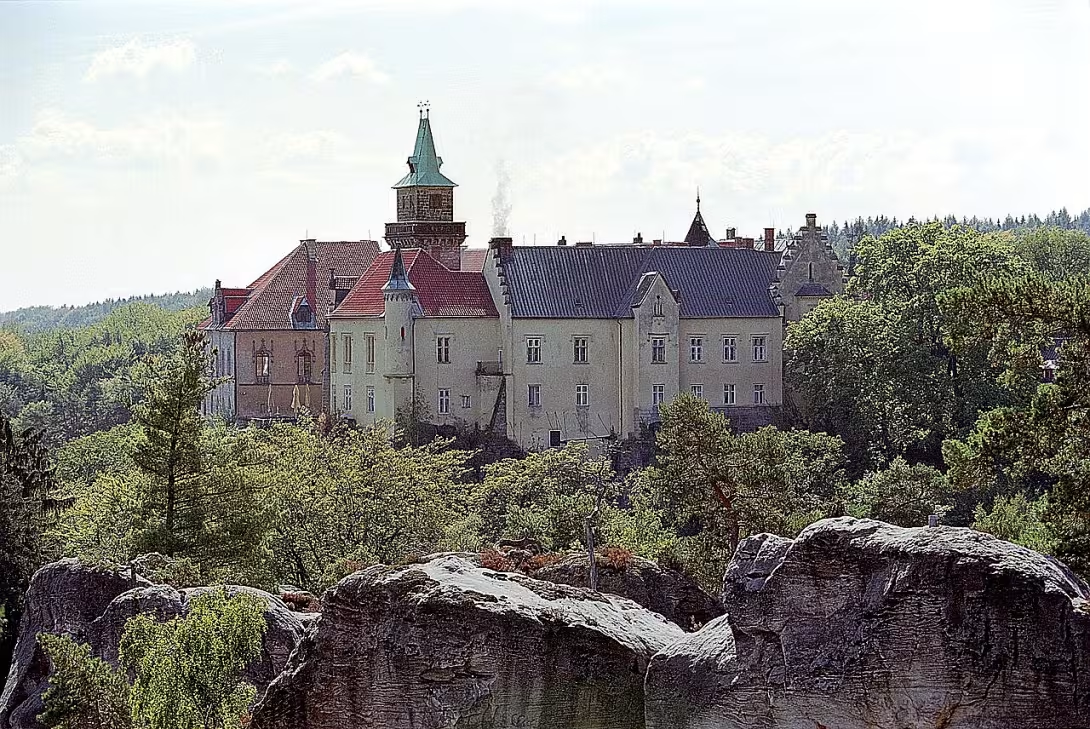
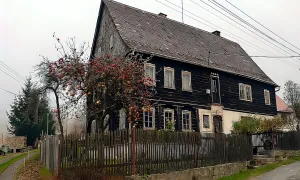
Zámek Hrubá Skála is a Renaissance chateau in the village of Hrubá Skála, within the Semily District of Liberecký kraj, Czech Republic. Located at the eastern edge of the Hruboskalsko nature reserve in Český ráj (Bohemian Paradise), this historical monument stands on the site of an earlier medieval fortress. Its transformation from a fortress to a chateau began in 1515 under Zikmund I. Smiřický, marking its significance as a noble residence through various architectural phases.
The origins of Hrubá Skála trace back to before 1353 when it was likely constructed by Hynek z Valdštejna. Initially serving as a fortress, the site evolved into a chateau during the Renaissance period, reflecting Bohemia's status as a cultural hub influenced by humanism and the arts. The transformation began in earnest under Zikmund I. Smiřický in 1515, who initiated significant architectural changes that continued through subsequent ownerships.
Architecturally, Hrubá Skála showcases elements from both its medieval fortress origins and Renaissance modifications. Key features include a surviving southern wall and remnants of a moat, indicative of its defensive past. The chateau's layout suggests it may have been part of the two-palace type, with a divided structure comprising a core and a forecourt separated by a moat. Over time, various owners contributed to its architectural evolution, resulting in the current Renaissance form.
Ownership of Hrubá Skála changed hands several times throughout history. After Hynek z Valdštejna, it was held by páni z Jenštejna from 1416 to 1460 and later by Zajícové z Hazmburka. In 1469, the chateau was occupied by royal forces, highlighting its strategic importance. From 1515 to 1524, Zikmund I. Smiřický began transforming it into a Renaissance chateau. Subsequently, Albrecht z Valdštejna acquired it, and in 1821, Lexové z Aehrenthalu took ownership. The chateau's history is further enriched by the birth of Alois Lexa z Aehrenthalu there in 1854.
Key events at Hrubá Skála include its occupation by royal forces in 1469 and a romantic reconstruction in 1859, which added to its historical allure. While legends describe mythical battles between Czech forces and German 'Sasíky,' these remain unverified by historical sources. The chateau also served as a recreational center for workers before 1990.
Today, Zámek Hrubá Skála stands as a testament to the region's rich history and architectural evolution. It is accessible from Turnov, located about six kilometers southeast of the village. Visitors are drawn not only by its historical significance but also by its stunning location near the Hruboskalsko nature reserve, offering breathtaking natural landscapes. The chateau's blend of medieval and Renaissance architecture makes it a worthwhile destination for those interested in exploring Czech history and culture.
Zámek Hrubá Skála invites visitors to step back in time and experience the legacy of Bohemia's noble families while enjoying the serene beauty of Český ráj. Its historical layers and picturesque setting make it an enriching journey into the past, offering insights into the region's cultural heritage.
Then and now
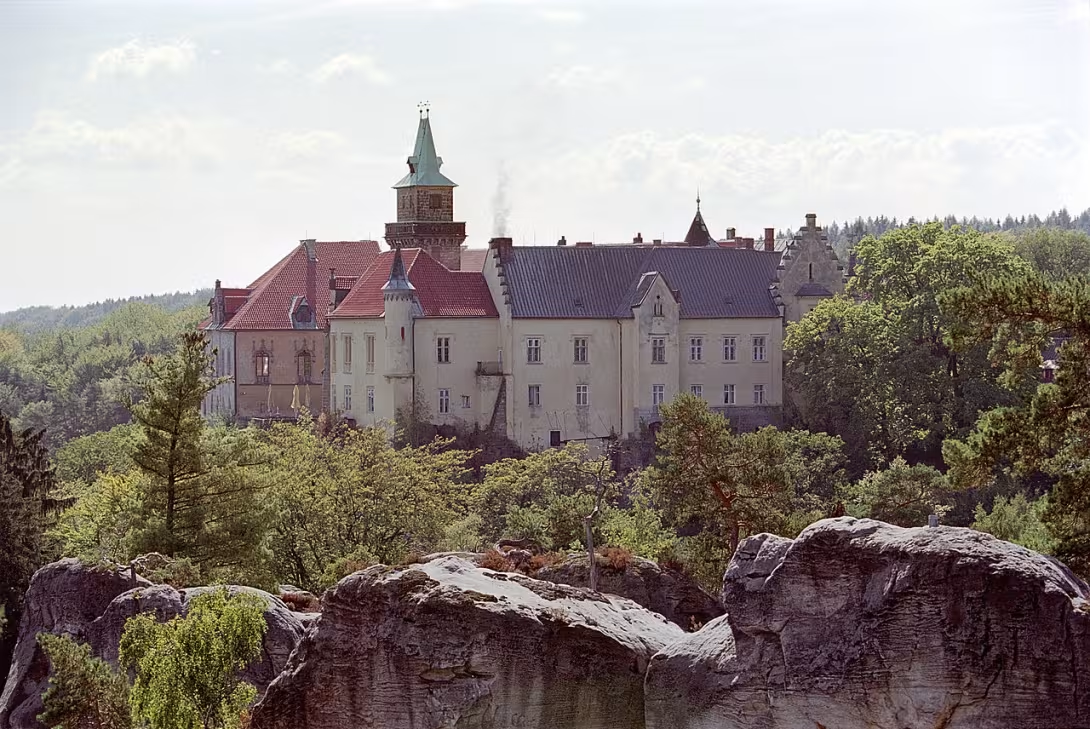
Drag the slider to compare how the landmark may have looked when it was built with the view today.
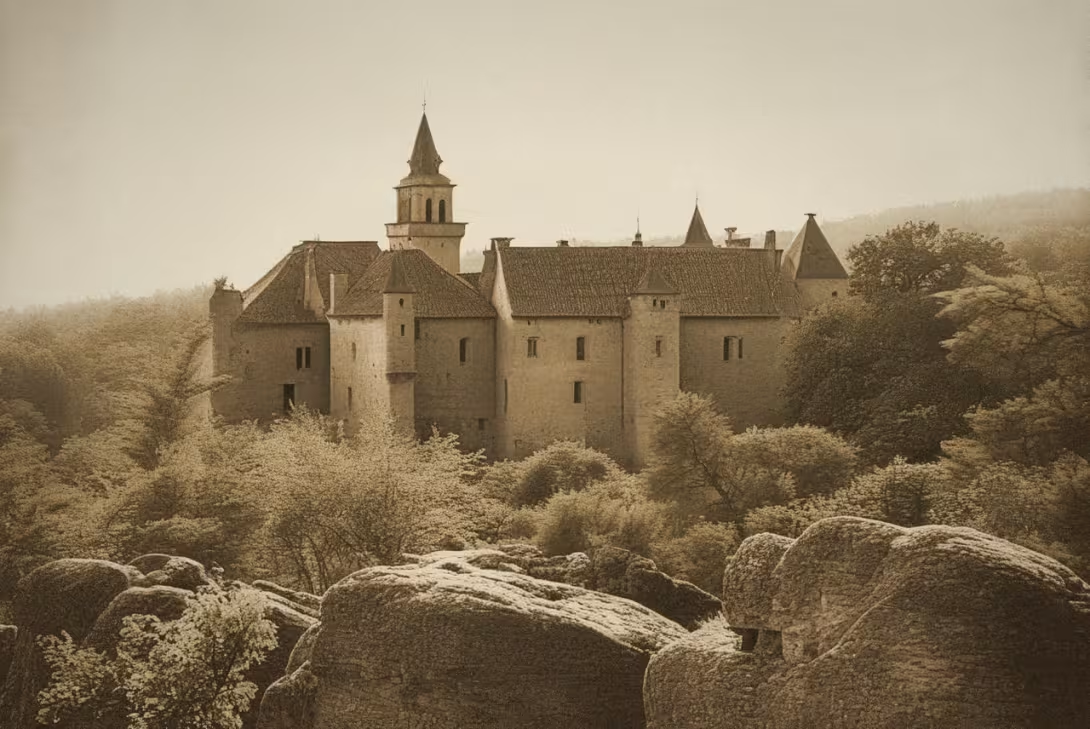
The historical appearance on the left is an AI-generated visualisation and serves as inspiration only.
Historical milestones
- 1469
- The chateau was occupied by royal forces.
- 1859
- Romantic reconstruction of the chateau occurred.
Architectural development
Originally a medieval fortress, Hrubá Skála underwent significant transformation into a Renaissance chateau starting in 1515. The architectural evolution included multiple phases with contributions from various owners, leading to its current form. Key features include the surviving southern wall and remnants of a moat, indicative of its defensive origins.
Historical events
The chateau was occupied by royal forces in 1469.
Romantic reconstruction of the chateau occurred in 1859.
Owners
Hynek z Valdštejna (before 1353)
páni z Jenštejna (1416-1460)
Zajícové z Hazmburka (after 1460)
Smiřický ze Smiřic (1515-1524)
Albrecht z Valdštejna (post-1524)
Lexové z Aehrenthalu (from 1821)
Points of interest
- The chateau's architectural evolution reflects the cultural shift from medieval fortifications to Renaissance elegance, symbolizing Bohemia's transition into a hub of humanism and arts during the 16th century.
- Despite its strategic importance, evidenced by royal forces occupying it in 1469, there are no verified historical records supporting the legend of mythical battles between Czech forces and German 'Sasíky' at Hrubá Skála.
- In 1859, a romantic reconstruction added to the chateau's allure, transforming it into not only a historical monument but also a picturesque retreat that attracted visitors for its aesthetic charm.
- The birthplace of Alois Lexa z Aehrenthalu in 1854 adds a layer of political history to Hrubá Skála, as he later became an influential Austro-Hungarian diplomat known for his role in the annexation of Bosnia and Herzegovina.
- Before 1990, Hrubá Skála served as a recreational center for workers, highlighting its role beyond mere nobility residence and showcasing its adaptation to social changes over time.
Guide
This guide is narrated by a synthetic voice generated by artificial intelligence.
Show guide text
This text was created by artificial intelligence and has not been editorially reviewed. It may contain inaccuracies.
Welcome to the historic site of Zámek Hrubá Skála, a jewel nestled in the village of Hrubá Skála within the Semily District of Liberecký kraj. As you stand here, imagine yourself at the eastern edge of the enchanting Hruboskalsko nature reserve in Český ráj, or Bohemian Paradise. Before you is a magnificent Renaissance chateau that stands as a testament to architectural evolution and cultural richness.
The origins of this site trace back to an earlier medieval fortress, which was transformed into the grand structure we see today starting in 1515 under Zikmund I. Smiřický. This transition marked a significant shift from fortification to elegance, reflecting Bohemia's embrace of humanism and the arts during the 16th century. The chateau has witnessed many pivotal moments, including its occupation by royal forces in 1469, highlighting its strategic importance throughout history.
As you take in your surroundings, notice how the chateau's architecture seamlessly blends strength with beauty. Its design is a narrative of change—from medieval fortifications to Renaissance elegance. While specific details like intricate stonework or ornate facades may catch your eye, it’s the overall atmosphere that speaks volumes about its storied past.
This site has been home to many influential figures and families who have shaped its history. Among them are Hynek z Valdštejna, the powerful lords of Jenštejn, Zajícové z Hazmburka, and Albrecht z Valdštejna, whose legacies are interwoven with the chateau's narrative. The romantic reconstruction in 1859 further adds layers to its historical tapestry.
One intriguing aspect of Hrubá Skála is how it symbolizes Bohemia’s transition into a hub of cultural and artistic development during the Renaissance. Despite its strategic significance, evidenced by royal occupation, the chateau evolved beyond military might into a beacon of elegance and culture.
As you explore further, let your curiosity guide you through this remarkable site. Each corner holds stories waiting to be discovered, each path leading to new insights about the past. We invite you to delve deeper into the history and beauty that Zámek Hrubá Skála has to offer. Thank you for joining us on this journey through time, and we hope your visit here inspires a lasting appreciation for this extraordinary place.
Tips for visitors
The best time to visit Zámek Hrubá Skála is during late spring or early autumn. During these seasons, the weather is typically mild, making it ideal for exploring both the chateau and the surrounding natural landscapes of the Hruboskalsko nature reserve. The foliage in spring and fall provides a stunning backdrop, enhancing the scenic beauty of Český ráj.
Parking at Zámek Hrubá Skála is generally available near the entrance to the site. For those preferring public transport, there are bus services that connect nearby towns with the village of Hrubá Skála. It's advisable to check current transportation options and schedules online before your visit to ensure a smooth journey.
When visiting Zámek Hrubá Skála, it is recommended to bring comfortable walking shoes as you'll likely want to explore both the chateau grounds and the nearby nature reserve. A camera or smartphone for capturing photos of the stunning architecture and landscapes is also advisable. Additionally, consider bringing a light jacket, as temperatures can vary throughout the day.
For photography enthusiasts, some of the best spots at Zámek Hrubá Skála include the chateau's main courtyard and the surrounding rock formations within the nature reserve. The golden hours—shortly after sunrise or before sunset—are ideal for capturing the chateau in soft, warm light. These times also offer dramatic shadows that highlight the intricate details of the Renaissance architecture.
Nearby attractions within a 30-minute drive include the picturesque village of Vysoká Pec and the scenic hiking trails around Hruboskalsko. Families with children might enjoy visiting these areas for their natural beauty and opportunities for outdoor activities. The chateau itself offers interactive tours that can be engaging for younger visitors.
Businesses nearby
Do you run a restaurant, accommodation, shop, museum, rental, wellness or other visitor service near this monument? Show yourself directly to the people heading to it — this is how they will see you in the app and on the web:
Natáčelo se zde
- Princ Bajaja (1971) film
Zdroj: Wikidata (vlastnost „místo natáčení“) · Všechna filmová místa
Events nearby
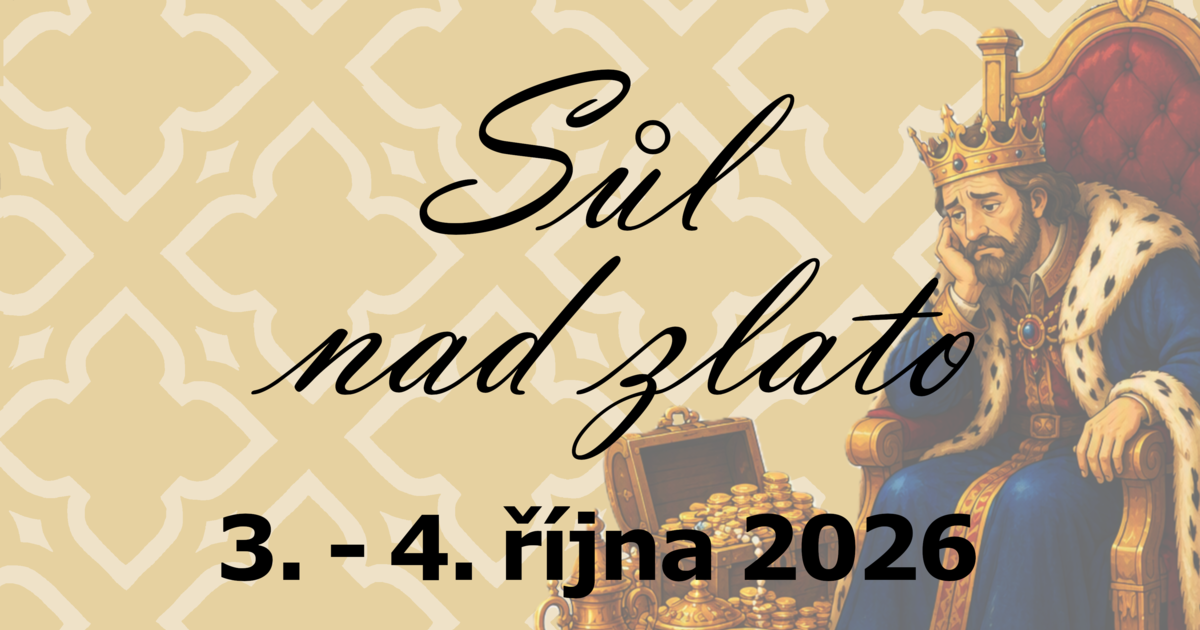

Zdroj akcí: otevřená data měst a obcí ČR (Národní katalog otevřených dat) a kalendář akcí Národního památkového ústavu.
Nearby
Zámek Hrubá Skála is situated near the Hruboskalsko nature reserve, offering stunning natural landscapes and rock formations. The area is known for its scenic beauty within Český ráj.
Accommodation nearby
Trips and activities nearby
Guided tours, tickets and activities nearby from GetYourGuide
Affiliate link: if you buy from the partner, we may receive a commission. The price for you does not change.
Search tours and activities →Themed route
Tematická výletní trasa zámek Hrubá Skála
1. Zámek Hrubá Skála (zámek) Start your journey at the chateau of Hrubá Skála, which is not only an architectural gem of the Liberec Region but also a historical site with a rich past. Highlights include its impressive buildings and beautiful garden spaces that offer stunning views of the surrounding landscapes of Bohemian Paradise.
2. Hruboskalsko (přírodní rezervace) Approximately 3 km from the chateau is Hruboskalsko, one of the most significant nature reserves in the Czech Republic. This area is known for its unique rock formations and breathtaking karst landscape, offering beautiful spaces for exploring nature and relaxation.
3. Hruboskalské jeskyně (přírodní atrakce) Near Hruboskalsko lies a group of caves that are an exceptional natural science and historical phenomenon. Their decorations of calcite and stalactites make the tour not only interesting but also aesthetically impressive.
4. Krkonošská vysočina (krajinářské oblasti) Explore the surrounding Krkonoše Highlands for unforgettable views of mountain landscapes and natural beauty. This area offers many opportunities for walking, cycling, or simply relaxing in nature.
This tour combines history and nature, making it ideal for anyone seeking a diverse experience in one place.
Seasonal recommendations
Spring: Visiting Hrubá Skála Chateau during spring offers a unique experience as the surrounding landscape awakens with vibrant colors and fresh blooms. The chateau's architecture is beautifully illuminated by the soft, golden light of longer days, enhancing its historical details. As nature comes alive, visitors can enjoy the lush greenery and blooming flowers that create a picturesque backdrop for exploring the site. It’s advisable to dress in layers as temperatures can vary throughout the day. While the early spring might see fewer tourists, mid-spring could attract more visitors, so planning your visit on weekdays or at off-peak hours is recommended.
Summer: The summer months bring Hrubá Skála Chateau into full swing with warm weather and extended daylight hours, making it an ideal time for exploration. Visitors can enjoy the chateau grounds in their most vibrant state, with lush gardens and clear skies that enhance the site's majestic appearance. However, this is also the peak tourist season, so arriving early in the morning can help avoid large crowds. Comfortable walking shoes and light clothing are recommended due to the heat, and don't forget a hat and sunscreen for protection against the sun.
Autumn: Autumn at Hrubá Skála Chateau offers a magical atmosphere as the foliage turns into brilliant shades of red, orange, and yellow. The cooler temperatures and softer lighting provide an ideal setting for photography enthusiasts looking to capture the chateau’s beauty amidst the autumnal landscape. This season tends to be less crowded than summer, allowing for a more leisurely visit. Visitors should dress warmly in layers and consider bringing a light jacket or sweater as evenings can become quite chilly.
Winter: Winter transforms Hrubá Skála Chateau into a serene and enchanting destination with its snow-covered grounds and crisp winter air. The chateau's silhouette against the stark, white landscape creates a striking visual contrast that is particularly captivating during sunrise or sunset. While some areas may be closed due to weather conditions, the site still offers a peaceful experience for those seeking a quieter visit away from summer crowds. It’s essential to dress warmly in insulated clothing and wear sturdy boots for walking on potentially icy paths. Be mindful of shorter opening hours and check ahead for any seasonal closures or changes.
Visualizations and artistic views


The visualisations are generated by artificial intelligence and serve as inspiration.
Photos from the area
Real photos taken near the monument


Zdroj a licence jsou uvedeny u každého snímku.
Tips from visitors
No tips yet. Be the first!
Log in and add your tip.
Sources and literature
Fotografie: No machine-readable author provided. Olaf1541 assumed (based on copyright claims). / CC BY 2.5 — Wikimedia Commons. The author and licence also appear when you hover over the image.
Faktickým podkladem tohoto textu byl článek na Wikipedii, jehož autory jsou přispěvatelé Wikipedie. Článek je dostupný pod licencí CC BY-SA 4.0.
Location on the map

Příběhy a pověsti
Legendy, pověsti a příběhy spjaté s touto památkou

Fotografie návštěvníků
Zatím žádné fotografie. Buďte první, kdo přidá fotografii z návštěvy!
Přihlaste se a přidejte svou fotografii nebo hodnoťte.
Za ověřenou návštěvu v aplikaci získáte víc bodů — poznáme podle GPS, že jste na místě.
Reviews and comments