



Rožmberk (okres Jindřichův Hradec) Water structure
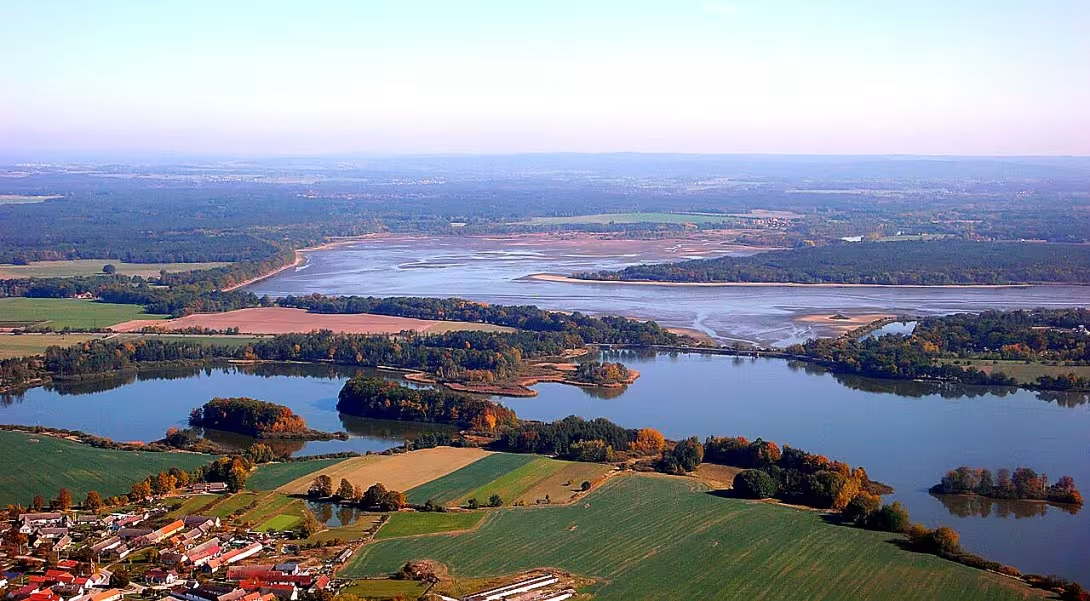
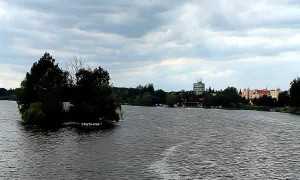
Rožmberk is an impressive fish pond located in the South Bohemian Region of the Czech Republic, specifically within the Třeboň District. Known as the largest fish pond globally, it covers 4.89 km² (1.89 sq mi) and was established at the end of the 16th century. This significant water body is part of the extensive Třeboň fishpond system, primarily used for fish farming. Its historical importance includes flood management and contributions to aquaculture.
The creation of Rožmberk began under Jakub Krčín z Jelčan a Sedlčan, representing the Bohemian aristocratic Rosenberg family (Czech: Rožmberk). Construction started in 1584 and concluded in 1590, driven by the need to control frequent floods from the Lužnice River. This period saw economic and cultural growth within the Habsburg Monarchy, including efforts to boost agricultural productivity and manage natural resources.
Architecturally, Rožmberk is notable for its impressive dam, measuring 2,355 meters in length with a height of 11 meters. Constructing it involved moving approximately 750,000 cubic meters of earth by around 800 workers. The dam features a unique water intake tunnel protected by wooden gates and steel sheets to prevent fish escape. This engineering feat served flood control and facilitated aquaculture.
Ownership has been with Rybářství Třeboň a.s., Europe's largest producer of freshwater fish. The pond supports various farmed species, including Eurasian carp, zander, catfish, tench, pike, grass carp, silver carp, common bream, and perch. Additionally, the right front part of the outlet houses an intake for a small hydroelectric power plant, operational since 1922.
Rožmberk has experienced historical events that shaped its current state. During the Thirty Years' War (1618–1648), it was damaged but subsequently restored. Its strategic importance and utility in water management and fish farming have remained consistent throughout history.
Today, Rožmberk is within the Třeboň Protected Landscape Area, with parts designated as the Výtopa Rožmberku Nature Reserve. This area, covering 205.6 hectares, protects littoral vegetation and wetland communities that include several valuable and endangered taxa. The pond's ecological significance matches its cultural heritage, making it important for nature enthusiasts and historians.
Visitors can appreciate Rožmberk’s historical and environmental importance while exploring the surrounding landscape, which includes other ponds like Hodějovského and Vítek, as well as natural streams feeding into Rožmberk. Its accessibility and rich history make it a worthwhile destination for those interested in traditional aquaculture practices and past engineering solutions.
Rožmberk stands as a testament to human ingenuity and the harmonious integration of nature management with agricultural development. It invites visitors to explore its vast expanse, reflect on its historical significance, and appreciate its role in both ecological preservation and cultural heritage.
Then and now
Drag the slider to compare how the landmark may have looked when it was built with the view today.
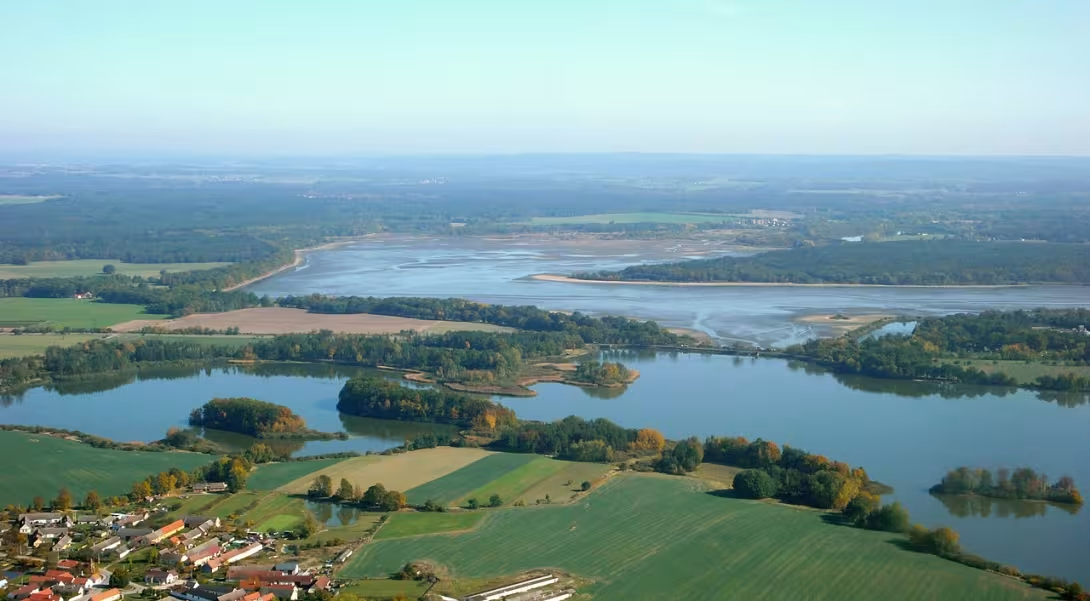

The historical appearance on the left is an AI-generated visualisation and serves as inspiration only.
Historical milestones
- 1584
- Construction of Rožmberk fishpond began.
- 1590
- Completion of Rožmberk fishpond construction.
- 1544
- A major flood in Bohemia influenced the decision to build the pond.
Architectural development
The Rožmberk fishpond's construction involved extensive earth-moving and dam-building efforts. Initially covering around 1,060 hectares, its size was reduced for greater productivity. A notable feature is the dam, which includes a unique water intake tunnel with wooden gates to prevent fish escape. The pond also underwent modifications during the Thirty Years' War.
Historical events
1584-1590: Construction of the Rožmberk fishpond by Jakub Krčín z Jelčan a Sedlčan.
1544: A significant flood in Bohemia influenced the decision to build the pond for better water management.
Thirty Years' War (1618–1648): The pond was damaged but later restored.
Owners
Rybářství Třeboň a.s.
Points of interest
- The construction of Rožmberk involved an impressive feat where approximately 800 workers moved around 750,000 cubic meters of earth to build the dam, which is a testament to the engineering skills of its time.
- Despite being damaged during the Thirty Years' War, Rožmberk was restored and continued to serve as a vital resource for flood control and aquaculture, highlighting its resilience and strategic importance through turbulent historical periods.
- The water intake tunnel at Rožmberk is uniquely protected by wooden gates and steel sheets to prevent fish from escaping, showcasing an early understanding of sustainable aquaculture practices that are still relevant today.
- While primarily known for its role in fish farming, Rožmberk also houses a small hydroelectric power plant operational since 1922, demonstrating the multifunctional use of historical water management structures.
- The Výtopa Rožmberku Nature Reserve within Rožmberk protects valuable and endangered taxa, emphasizing the pond's ecological significance alongside its cultural heritage.
Guide
This guide is narrated by a synthetic voice generated by artificial intelligence.
Show guide text
This text was created by artificial intelligence and has not been editorially reviewed. It may contain inaccuracies.
Welcome to Rožmberk, the largest fishpond in the Czech Republic and one of the most expansive globally. As you stand here in the serene expanse of this historic site located in the Jihočeský kraj region, take a moment to absorb the tranquil waters stretching out before you across 647 hectares. The gentle lapping of water against the dam invites you into a story that dates back centuries.
The creation of Rožmberk began in 1584 and was completed by 1590, driven by the vision of Jakub Krčín z Jelčan a Sedlčan. This monumental project was not only an engineering marvel but also a response to the challenges posed by nature; specifically, a major flood that swept Bohemia in 1544 had highlighted the need for effective water management. The construction of Rožmberk was a testament to human ingenuity and resilience, involving approximately 800 workers who tirelessly moved around 750,000 cubic meters of earth to build its impressive dam.
Now, as you look upon this structure, notice its sheer scale—a dam stretching an astonishing 2,355 meters. The engineering prowess of the time is evident in both the design and execution, a feat that required not only physical strength but also meticulous planning and coordination among the workers. This dam was central to controlling water flow for fish farming, showcasing how Rožmberk balanced functionality with environmental stewardship.
While specific historical figures associated with its construction remain largely unknown, the legacy of Rožmberk is undeniably linked to Jakub Krčín z Jelčan a Sedlčan. His role in bringing this vision to life stands as a testament to his leadership and foresight during an era when such ambitious projects were rare.
One intriguing aspect of Rožmberk's history is its resilience; despite suffering damage during the Thirty Years' War, it was restored, symbolizing the enduring value placed on this site. This perseverance through adversity adds another layer to its rich narrative, inviting you to ponder the countless stories that have unfolded here over the centuries.
As we conclude our brief journey through time at Rožmberk, I invite you to continue exploring and reflecting upon this remarkable landmark. Whether you're drawn by its historical significance or simply captivated by its natural beauty, there's always more to discover in every corner of this vast water expanse. Thank you for joining me on this exploration, and may your visit be filled with wonder and inspiration.
Tips for visitors
The best time to visit Rožmberk is during the late spring or early autumn months, from May to September. During these times, the weather is generally pleasant, making it ideal for exploring the expansive area of the fishpond and enjoying outdoor activities. The landscape around Rožmberk is particularly stunning in this period, with lush greenery and vibrant wildflowers enhancing the natural beauty. Additionally, visiting during weekdays can help avoid larger crowds, providing a more serene experience.
It's advisable to check current transportation options online for the most convenient route. The surrounding roads are generally accessible, but it’s a good idea to verify road conditions before your visit.
When visiting Rožmberk, consider bringing comfortable walking shoes as there are several trails around the fishpond that offer beautiful views and opportunities for bird watching. A hat, sunscreen, and water are also recommended due to the open landscape and potential for sunny weather. For those interested in fishing or boating, ensure you have the necessary permits and equipment.
Photography enthusiasts will find Rožmberk a rewarding location, especially during sunrise or sunset when the lighting is soft and golden hues illuminate the water and surrounding hills. The best spots include the eastern side of the fishpond where the light reflects beautifully on the water's surface. Early mornings are also ideal for capturing wildlife in their natural habitat without much disturbance.
In addition to Rožmberk, consider visiting nearby Hodějovského and Vítek ponds within a 30-minute drive or bike ride. These smaller ponds offer tranquil settings perfect for leisurely walks or picnics. The area is rich in history and natural beauty, providing ample opportunities for exploration beyond the main fishpond.
Frequently asked questions
Can the monument be visited?
This is a structure in a public space that can usually be seen from outside free of charge. We have not verified that this particular one is freely accessible.
Where is the monument?
Location: Lužnice, Jihočeský kraj. The map on this page shows the exact spot.
Why is the monument protected?
It is listed in the Central List of Cultural Monuments of the Czech Republic as a national cultural monument. It is protected as part of a larger listed ensemble.
Businesses nearby
Do you run a restaurant, accommodation, shop, museum, rental, wellness or other visitor service near this monument? Show yourself directly to the people heading to it — this is how they will see you in the app and on the web:
Events nearby



Zdroj akcí: otevřená data měst a obcí ČR (Národní katalog otevřených dat) a kalendář akcí Národního památkového ústavu.
Nearby
Rožmberk is located near the village of Stará Hlína in the Třeboň District. The surrounding landscape includes other ponds like Hodějovského and Vítek, as well as natural features such as streams feeding into Rožmberk.
Accommodation nearby
Trips and activities nearby
Guided tours, tickets and activities nearby from GetYourGuide
Affiliate link: if you buy from the partner, we may receive a commission. The price for you does not change.
Search tours and activities →Themed route
Thematic Vltava River Trail: Exploring Rožmberk and Its Surroundings
1. Rožmberk (Waterwork) - Start your journey at the historic waterworks of Rožmberk, located near Stará Hlína in the Třeboň District. This engineering marvel is a testament to medieval ingenuity, showcasing how water was historically managed and utilized for various purposes including milling and irrigation. The site offers insights into the technological advancements of the time and its impact on local agriculture and industry.
2. Hodějovského Pond - From Rožmberk, head towards Hodějovského Pond, a serene body of water that complements the landscape's natural beauty. This pond is part of the interconnected network of water bodies in the region and serves as an excellent spot for observing local wildlife and enjoying tranquil surroundings. Its proximity to Rožmberk makes it a perfect stop for appreciating the area’s aquatic ecosystems.
3. Vítek Pond - Continue your exploration by visiting Vítek Pond, another picturesque water feature in the vicinity of Rožmberk. This pond offers a peaceful environment ideal for leisurely walks and bird watching, providing visitors with an opportunity to connect with nature. The calm waters reflect the surrounding landscape, creating stunning vistas that highlight the region's natural charm.
4. Streams Feeding into Rožmberk - Conclude your thematic trail by tracing some of the streams that feed into Rožmberk. These smaller waterways illustrate the hydrological network sustaining the larger pond and its historical uses. Walking along these streams offers a chance to appreciate their role in shaping the local environment, supporting biodiversity, and contributing to the area's rich history.
This thematic trail provides an immersive experience of Rožmberk’s historical significance and natural beauty, connecting visitors with both cultural heritage and ecological wonders.
Seasonal recommendations
Spring: Visiting Rožmberk Castle during spring offers a unique experience as the landscape comes alive with vibrant colors and blooming flowers, creating a picturesque setting around this historic water castle. The gentle sunlight bathes the gardens in a soft glow, enhancing the beauty of the surroundings. Visitors can enjoy the mild weather that makes exploring the castle grounds pleasant, although it's wise to be prepared for occasional showers typical of springtime. This season is less crowded compared to summer, providing a more tranquil atmosphere for appreciating the site's historical and natural charm. Dress in layers to accommodate varying temperatures throughout the day.
Summer: Summer at Rožmberk Castle is characterized by long daylight hours, making it ideal for extended exploration of its historic architecture and lush gardens. The warm weather invites visitors to enjoy outdoor activities, such as picnicking or boating on the castle's moat. However, this is also the peak tourist season, so arriving early in the day can help avoid larger crowds. With higher temperatures, wearing comfortable, breathable clothing and bringing sunscreen is recommended. Despite the bustle, summer offers a lively atmosphere with various cultural events taking place around the region.
Autumn: Autumn transforms Rožmberk Castle into a stunning tapestry of reds, oranges, and yellows as the foliage changes color. The cooler temperatures create a crisp and refreshing environment perfect for leisurely walks through the castle's grounds, which are less crowded than in summer. This season is ideal for photography enthusiasts looking to capture the dramatic landscape. Visitors should dress warmly and consider bringing an umbrella or raincoat, as autumn can bring unpredictable weather. The tranquil ambiance of fall makes it a serene time to appreciate the historical significance of Rožmberk.
Winter: Winter at Rožmberk Castle offers a magical experience with its snow-covered grounds and festive atmosphere. While some areas might be closed due to maintenance or inclement weather, the castle itself remains accessible for those eager to explore its historic interiors. The shorter days mean planning your visit during daylight hours is essential, as many facilities close earlier in winter. Dress warmly in layers, including a hat and gloves, to comfortably enjoy the chilly air. Despite fewer visitors, the serene beauty of Rožmberk Castle in winter provides a unique opportunity for quiet reflection amidst its historic grandeur.
Visualizations and artistic views


The visualisations are generated by artificial intelligence and serve as inspiration.
Tips from visitors
No tips yet. Be the first!
Log in and add your tip.
Sources and literature
Photos: Pavel Rychtecký / CC BY 3.0 — Wikimedia Commons. The author and licence also appear when you hover over the image.
Faktickým podkladem tohoto textu byl článek na Wikipedii, jehož autory jsou přispěvatelé Wikipedie. Článek je dostupný pod licencí CC BY-SA 4.0.
Location on the map


Příběhy a pověsti
Legendy, pověsti a příběhy spjaté s touto památkou
Fotografie návštěvníků
Zatím žádné fotografie. Buďte první, kdo přidá fotografii z návštěvy!
Log in a přidejte svou fotografii nebo hodnoťte.
Za ověřenou návštěvu v aplikaci získáte víc bodů — poznáme podle GPS, že jste na místě.
Reviews and comments