






sad Jožky Jabůrkové Park
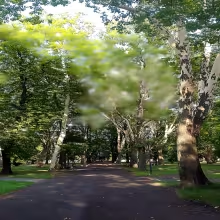
Sad Jožky Jabůrkové, also known as Vítkovický sad, is a municipal park in Ostrava-Vítkovice within the Moravian-Silesian Region of the Czech Republic. Established in 1922, it has experienced several name changes reflecting significant historical events and figures, contributing to its rich history. Initially named Marxův sad after philosopher Karl Marx, it later adopted names linked to Baldur von Schirach during the Protectorate of Bohemia and Moravia, Winston Churchill post-World War II, and Josef Stalin before being renamed in honor of Jožka Jabůrková, a local native who was an antifascist and communist politician. Today, it is celebrated as the "green lungs" of Ostrava-Vítkovice and offers diverse amenities for visitors.
The park's origin dates back to 1922 when it was established as Marxův sad, reflecting the post-World War I era marked by socialist ideas. Its initial naming after Karl Marx highlights the influence of socialist thought during its inception. Over time, the park's name changed in response to shifting political landscapes: it became known as park Baldur von Schiracha during the Nazi occupation and was temporarily renamed park Winstona Churchilla following World War II. In 1947, it was called Stalinův sad before finally being named after Jožka Jabůrková, honoring her legacy as an activist who perished in Ravensbrück concentration camp.
Architecturally, Sad Jožky Jabůrkové has evolved significantly since its establishment. Initially featuring structures such as children's play areas, ponds with bridges, and a small zoo, the park now includes modern amenities like a music pavilion, fountain, sports facilities, sculptures, climbing walls, information panels, and a book kiosk. These elements reflect both historical influences and contemporary adaptations to meet visitor needs.
Throughout its history, Sad Jožky Jabůrkové has been associated with various figures and events that have shaped its identity. The park's multiple name changes underscore its connection to significant historical periods and personalities, from Karl Marx to Jožka Jabůrková. These transformations highlight the park's role as a living testament to the region's complex history.
Today, Sad Jožky Jabůrkové is accessible year-round and offers a variety of attractions for visitors. Its rich flora, diverse amenities, and historical significance make it an appealing destination for both locals and tourists. The park serves not only as a recreational space but also as a cultural landmark that invites exploration and reflection on its storied past.
Sad Jožky Jabůrkové stands as a testament to the resilience and adaptability of public spaces through changing political eras. Its historical significance, combined with modern amenities, makes it an enriching destination for those interested in history, nature, or simply seeking a peaceful retreat. Visitors are encouraged to explore this unique park and experience its blend of cultural heritage and natural beauty.
Then and now
Drag the slider to compare how the landmark may have looked when it was built with the view today.
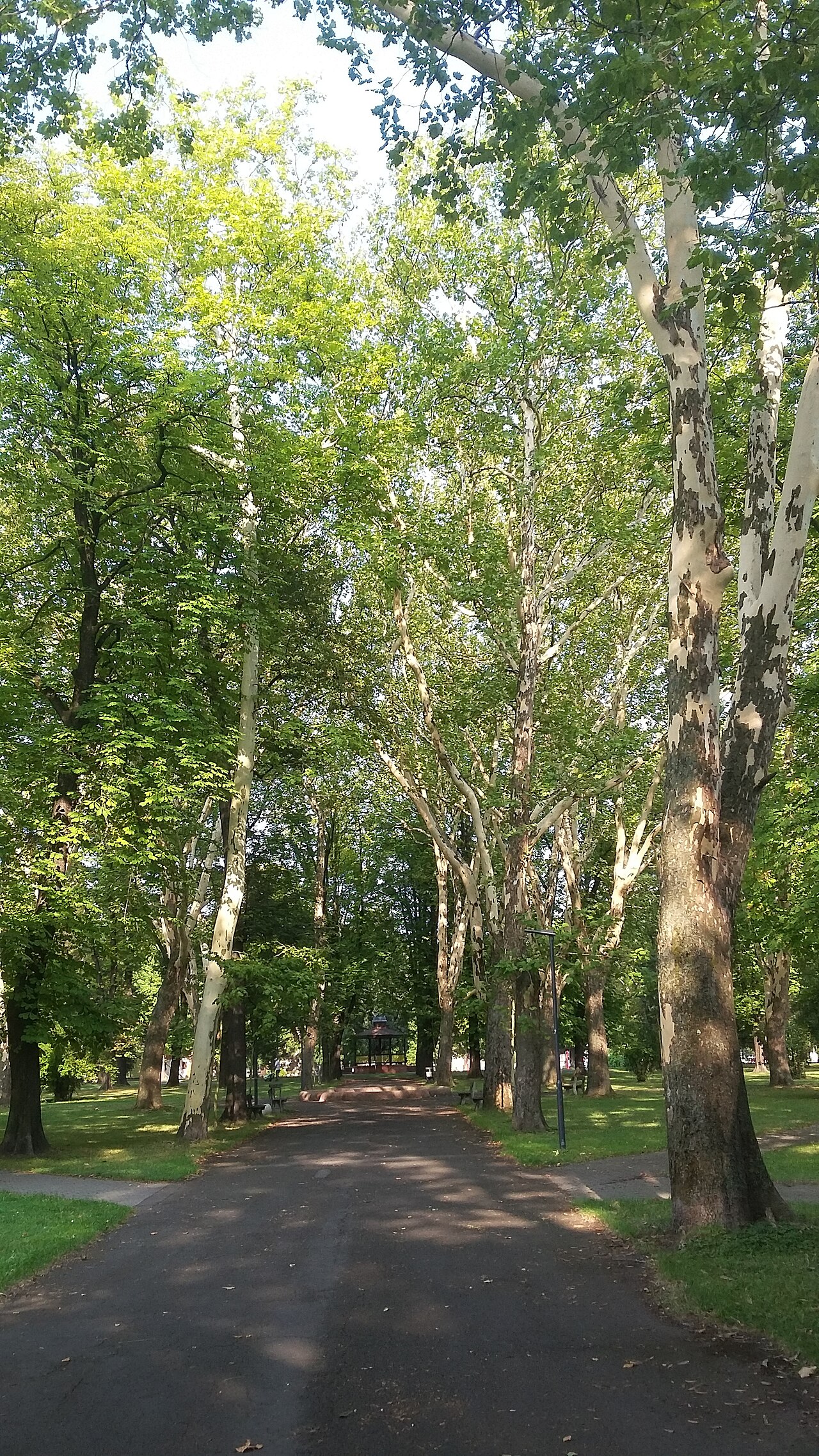
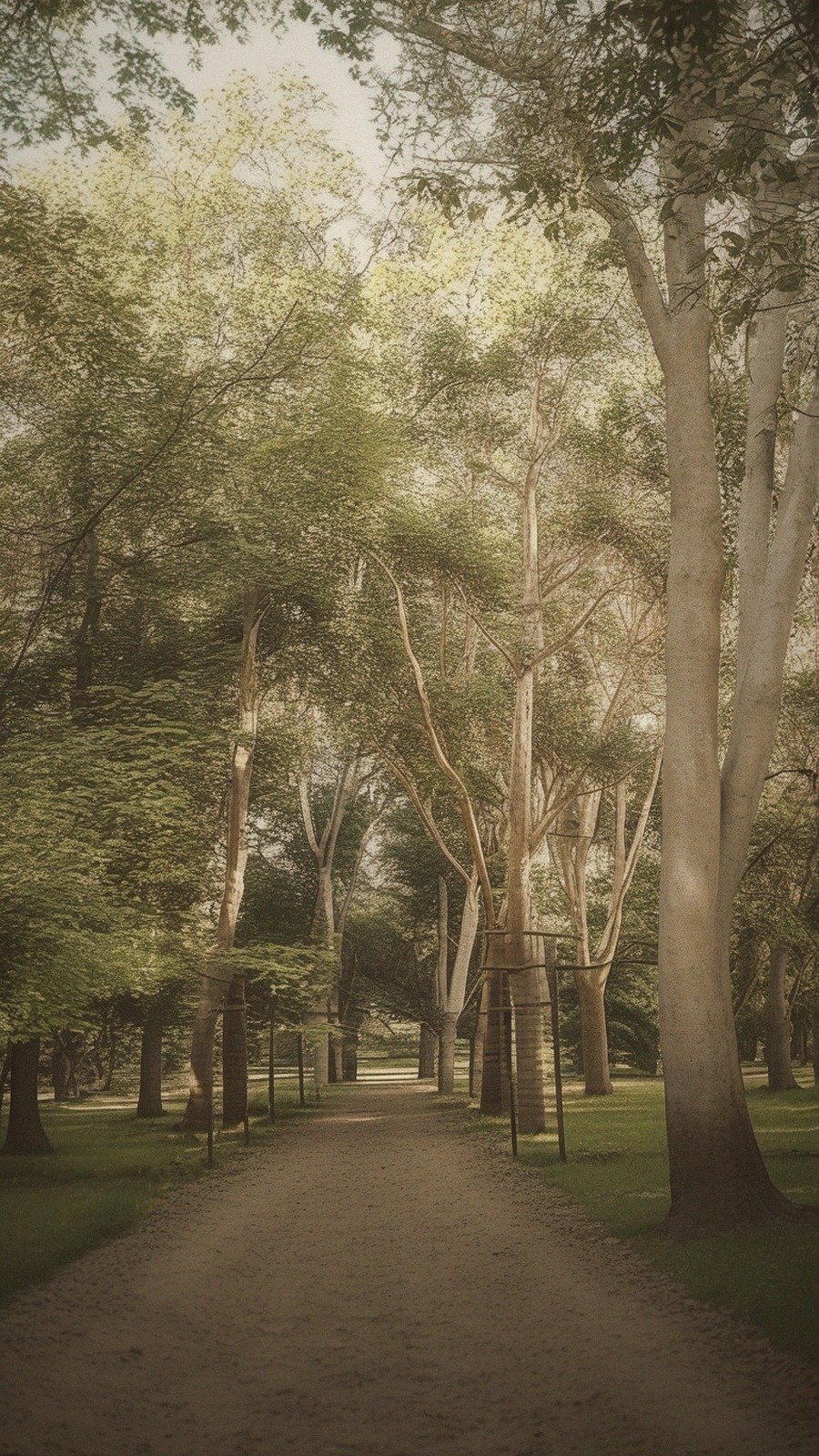
The historical appearance on the left is an AI-generated visualisation and serves as inspiration only.
Historical milestones
- 1922
- Park established as Marxův sad.
- None
- Renamed to park Baldur von Schiracha during the Protectorate of Bohemia and Moravia.
- None
- Temporarily renamed to park Winstona Churchilla post-WWII.
- 1947
- Renamed Stalinův sad before being named after Jožka Jabůrková.
Architectural development
The park has evolved from its original establishment in 1922, featuring various structures over time such as children's play areas, ponds with bridges, and a small zoo. Today, it includes amenities like a music pavilion, fountain, sports facilities, sculptures, climbing walls, information panels, and a book kiosk.
Historical events
1922: Park established as Marxův sad, named after Karl Marx.
1939-1945: Renamed to park Baldur von Schiracha during the Protectorate of Bohemia and Moravia.
Post-WWII: Temporarily renamed to park Winstona Churchilla.
1947: Renamed Stalinův sad before being named after Jožka Jabůrková.
Points of interest
- Sad Jožky Jabůrkové was originally named Marxův sad in 1922, reflecting the influence of socialist ideology following World War I. This naming choice underscores how political movements can shape public spaces.
- During the Nazi occupation, the park was renamed park Baldur von Schiracha after the head of the Hitler Youth, illustrating how occupying forces often imposed their own cultural symbols and leaders onto conquered territories.
Guide
Show guide text
Welcome to the enchanting Jožka Jabůrkové Park, nestled in the heart of Ostrava-Vítkovice. As you stand here, surrounded by lush greenery and the gentle rustling of leaves, take a moment to absorb the serene atmosphere of this historic municipal park. Established in 1922, this space has been a silent witness to significant historical shifts, each leaving its mark on the landscape before you.
The story of Jožka Jabůrkové Park begins as Marxův sad, named after Karl Marx, reflecting the socialist ideologies that swept through Europe following World War I. This choice highlights how political movements often shape our public spaces, embedding their philosophies within the very fabric of society's communal areas. As you meander along its paths, imagine the park in its early days, a symbol of hope and renewal.
Throughout its history, the park has undergone several name changes, each echoing the tumultuous events of the 20th century. During the Protectorate of Bohemia and Moravia, it was renamed after Baldur von Schirach, reflecting the influence of Nazi occupation on local landmarks. Following World War II, a temporary renaming to park Winstona Churchilla marked an era of liberation and change. In 1947, before receiving its current name, it was known as Stalinův sad, another nod to the shifting political tides.
As you explore, there are no specific architectural marvels or detailed structures attributed to named architects here, but rather a tapestry of nature interwoven with history. The park's design is simple yet profound, inviting visitors to reflect on its past while enjoying the tranquility it offers today.
Central to the park’s identity and legacy is Jožka Jabůrková herself, an inspirational figure whose spirit imbues this place with a sense of resilience and hope. Her story, intertwined with the park's history, serves as a reminder of the power of individual courage in shaping collective memory.
An intriguing aspect of Jožka Jabůrkové Park is its ability to encapsulate various historical epochs within its boundaries. From its origins as Marxův sad to its current namesake, each name change represents a chapter in the broader narrative of 20th-century European history. This park stands not just as a green space but as a living museum, inviting visitors to ponder the layers of stories embedded within its landscape.
As we conclude our journey through Jožka Jabůrkové Park, I encourage you to wander further and discover its many nooks and crannies. Each path offers new perspectives, each corner tells a different story. This park is more than just a place; it's a testament to the enduring spirit of those who have walked here before us.
Thank you for joining me on this exploration. May your visit inspire reflection, curiosity, and a deeper appreciation for the histories that shape our world. Farewell, until we meet again in another corner of history’s vast tapestry.
Tips for visitors
The best time to visit Sad Jožky Jabůrkové is during the spring or early autumn months when the park's natural beauty is at its peak, with vibrant flowers and lush greenery. These seasons offer pleasant weather that enhances your experience, allowing you to enjoy outdoor activities comfortably. Additionally, visiting on weekdays can provide a more tranquil atmosphere compared to weekends.
Parking in Vítkovice is accessible, but it's advisable to check for available spaces as they may be limited during peak hours or events. Public transportation is a convenient alternative, with several bus and tram lines serving the area. For precise routes and schedules, use an online transport planner to find the most efficient way to reach the park.
When visiting Sad Jožka Jabůrkové, consider bringing comfortable walking shoes for exploring the paths, sunscreen, and a hat if you plan to spend time outdoors during sunny days. A picnic blanket or portable chairs can enhance your relaxation experience in one of the park's scenic spots. Don't forget water and snacks, especially if you're planning an extended stay.
For photography enthusiasts, early morning or late afternoon is ideal for capturing the best light in Sad Jožka Jabůrkové. The park offers several picturesque spots, including areas near the pond where reflections can create stunning compositions. Look for angles that incorporate both natural elements and urban backdrops to highlight the unique setting of the park.
Nearby attractions within a 30-minute drive include Jiří z Poděbrad Square, which is perfect for exploring local architecture and enjoying street performances or markets. For those interested in industrial heritage, the Vítkovice Ironworks offers guided tours showcasing its historical significance. Families with children might also enjoy visiting nearby playgrounds or engaging in activities at local cultural centers.
Businesses nearby
Do you run a restaurant, accommodation, shop, museum, rental, wellness or other visitor service near this monument? Show yourself directly to the people heading to it — this is how they will see you in the app and on the web:
Nearby
Located in the Ostrava Basin, near Jiří z Poděbrad Square, the park is surrounded by urban landscapes typical of the Moravian-Silesian Region.
Accommodation nearby
Themed route
Tematická výletní trasa: Sad Jožky Jabůrkové a okolí
1. Sad Jožky Jabůrkové (Park) - *Typ:* Park - *Proč stojí za návštěvu:* Tento park je nejen klidným útočištěm uprostřed městského prostředí, ale také památníkem na počest Jožky Jabůrkové. Je to místo plné historie a kultury, které nabízí krásnou příležitost pro relaxaci a prozkoumání místní flóry a fauny.
2. Jiří z Poděbrad Square - *Typ:* Náměstí - *Proč stojí za návštěvu:* Nachází se v blízkosti parku Sad Jožky Jabůrkové a je jedním z centrálních míst obce Vítkovice. Toto historické náměstí nabízí pohled na architektonicky zajímavé budovy a poskytuje vhodnou přestávku během procházky, kde si můžete užít místní atmosféru.
3. Vítkovice Industrial Heritage Site - *Typ:* Historický areál - *Proč stojí za návštěvu:* I když není přímo v okolí parku, je to jedno z nejdůležitějších míst v Ostravské kotlině. Tento historický areál ukazuje průmyslovou minulost regionu a nabízí návštěvníkům pohled na technologický pokrok a dědictví, které formovalo místní kulturu.
4. Vítkovice Railway Station - *Typ:* Nádraží - *Proč stojí za návštěvu:* Toto historické nádraží je dalším důležitým prvkem v průmyslovém dědictví oblasti. Je to místo, kde se promítají moderní dopravní potřeby s historickou architekturou a nabízí pohodlný způsob, jak navštívit další části regionu.
5. Vítkovice Power Station - *Typ:* Historická elektrárna - *Proč stojí za návštěvu:* Tato bývalá elektrárna je symbol průmyslové éry v Ostravské kotlině. Je to fascinující místo pro ty, kteří mají zájem o historii energetiky a průmyslu, s možností prozkoumat její architektonický design a technologické inovace.
Tato trasa nabízí kombinaci klidu v parku a pohled na bohatou průmyslovou historii regionu.
Seasonal recommendations
Spring: The park of Jožka Jabůrková blooms with a vibrant tapestry of wildflowers and budding trees, offering visitors a refreshing display of nature's renewal. As daylight stretches longer, the soft morning light enhances the picturesque landscape, creating an ideal atmosphere for leisurely walks amidst blossoming flora. During this time, it is advisable to dress in layers; mornings can be cool while afternoons warm up pleasantly. Although visitor numbers are moderate, arriving early in the day allows you to enjoy the park's beauty without crowds and fully appreciate its tranquil ambiance.
Summer: In summer, the park of Jožka Jabůrková buzzes with life as lush greenery provides a cooling canopy under which visitors can relax. The long daylight hours offer ample time for exploration, while vibrant wildflowers add splashes of color to the landscape. This season is popular among families and tourists, so it's wise to visit in the early morning or late afternoon to avoid peak times when the park is busiest. Comfortable walking shoes and light clothing are recommended, along with sun protection such as hats and sunscreen, ensuring a pleasant experience while enjoying the lively summer atmosphere.
Autumn: Autumn transforms the park of Jožka Jabůrková into a stunning mosaic of reds, oranges, and yellows as deciduous trees prepare for winter. The cooler temperatures make this an ideal time to stroll through the park without the heat of summer. While visitor numbers are lower compared to summer, it's still best to plan your visit during weekdays or early mornings to fully appreciate the serene beauty of the fall foliage in peace. Wearing layers is advisable as temperatures can vary throughout the day, and a light jacket might be needed for cooler evenings.
Winter: The park of Jožka Jabůrková presents a quiet and introspective atmosphere in winter, with snow-dusted trees creating a tranquil, almost magical landscape. Though some paths may be less accessible due to weather conditions, those that are open offer serene views perfect for contemplative walks or photography. Visitor numbers are typically low, providing an opportunity to experience the park's beauty without crowds. Dress warmly in layers and wear sturdy boots with good traction; check ahead for any changes in opening hours due to winter weather conditions, ensuring a safe and enjoyable visit during this peaceful season.
Visualizations and artistic views


Vizualizace jsou generovány umělou inteligencí a slouží jako inspirace.


Tips from visitors
No tips yet. Be the first!
Log in and add your tip.
Location on the map
Příběhy a pověsti
Legendy, pověsti a příběhy spjaté s touto památkou
Za ověřenou návštěvu v aplikaci získáte víc bodů — poznáme podle GPS, že jste na místě.
Reviews and comments