






Šelmberk (Běleč) Ruin
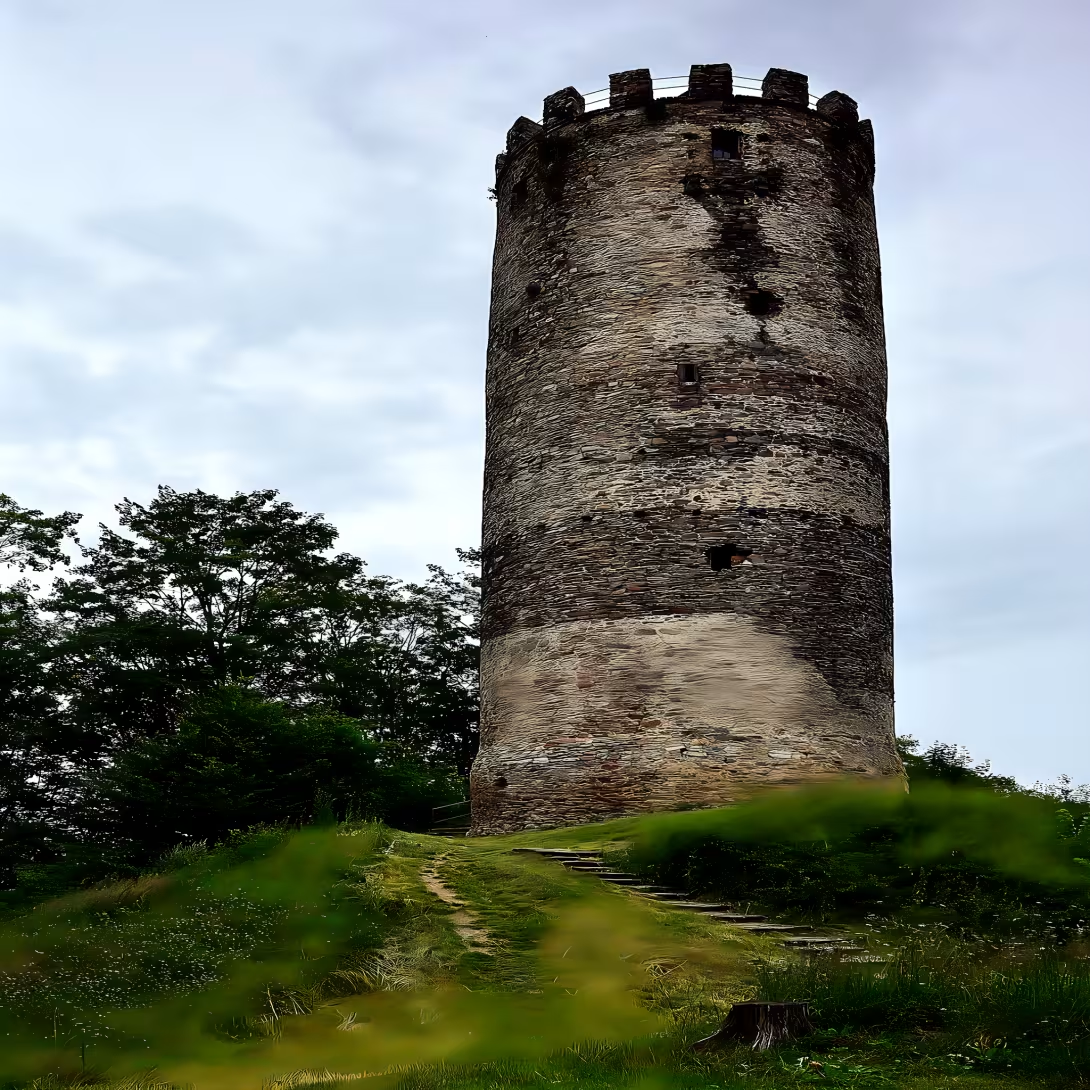
Šelmberk, also known as Schellenberg in German, is a captivating castle ruin near Běleč village in the Tábor District, Czech Republic. Perched on a rocky outcrop above the Blanice River valley at 480 meters elevation, it exemplifies the bergfrit style with its dominant tower structure. Recognized for historical significance and architectural features, Šelmberk has been protected as a cultural monument since 1963.
The origins of Šelmberk trace back to before 1318 when Přibyslav z Křimína, a member of the Buzic family, first documented its possession. Over centuries, various noble families have associated with the castle. Initially built as a two-part structure, it underwent several ownership changes and architectural transformations. Notably, in the first half of the 16th century, Renaissance renovations significantly altered its appearance.
Architecturally, Šelmberk's core is divided into two levels with a prominent bergfrit and a complexly structured palace. The late Gothic period saw enhancements to the tower, including large windows and an arcade. A subsequent Renaissance transformation led to the demolition of the late Gothic palace, replaced by a new two-story building featuring a gabled roof.
Throughout its history, Šelmberk changed hands among several notable figures. After Přibyslav z Křimína, ownership passed to his son Přibík ze Šelmberka in 1341, followed by Janek, Čeněk, and Ondřej ze Šelmberka. By the late 15th century, Aleš z Rýzmburka acquired the castle, which later transitioned to Mikuláš z Hořic in 1431. In 1505, Václav Předbor z Radejšína and his brothers became owners before selling it to Albrecht Ciplovi z Kravska in 1518. The castle eventually came into the possession of Michal Španovský z Lisova in 1586, marking a shift from its residential function.
The early 20th century brought further changes when Leopold von Kuenburg modified the tower into a lookout in a romantic style, and the surrounding area was transformed into an English park. Today, Šelmberk is accessible to visitors via marked trails, offering picturesque views of the Blanice River valley. The site is managed by Občanské sdružení Danar, which organizes various cultural and educational activities throughout the year.
Šelmberk stands as a testament to the architectural and historical evolution of medieval fortifications in Bohemia. Its rich history and scenic location make it a worthwhile destination for those interested in exploring Czech heritage. Visitors are invited to experience this remarkable site, where echoes of its storied past blend seamlessly with natural beauty.
Then and now
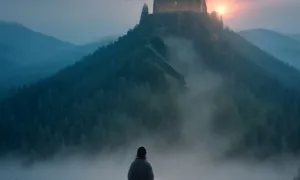
Drag the slider to compare how the landmark may have looked when it was built with the view today.
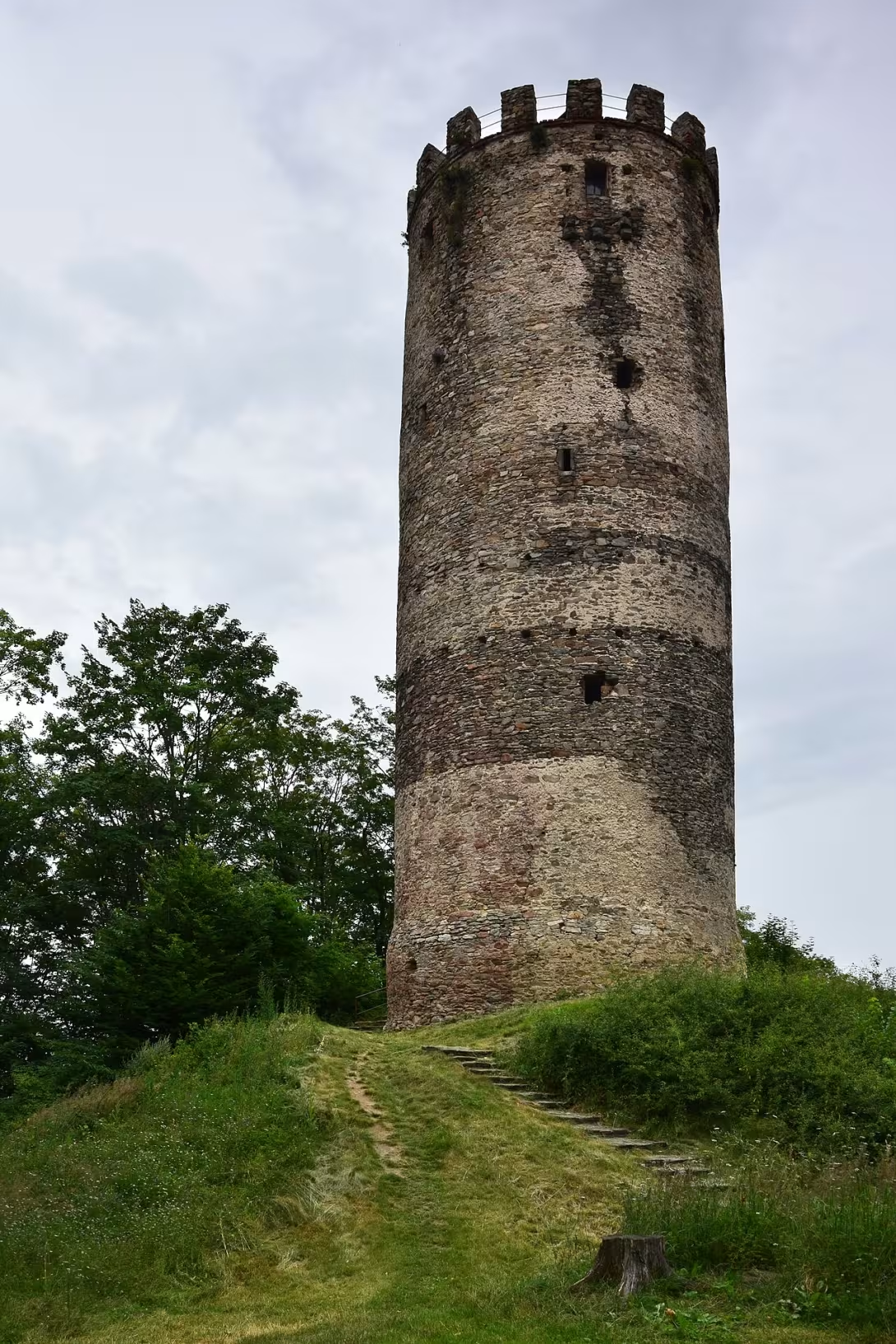
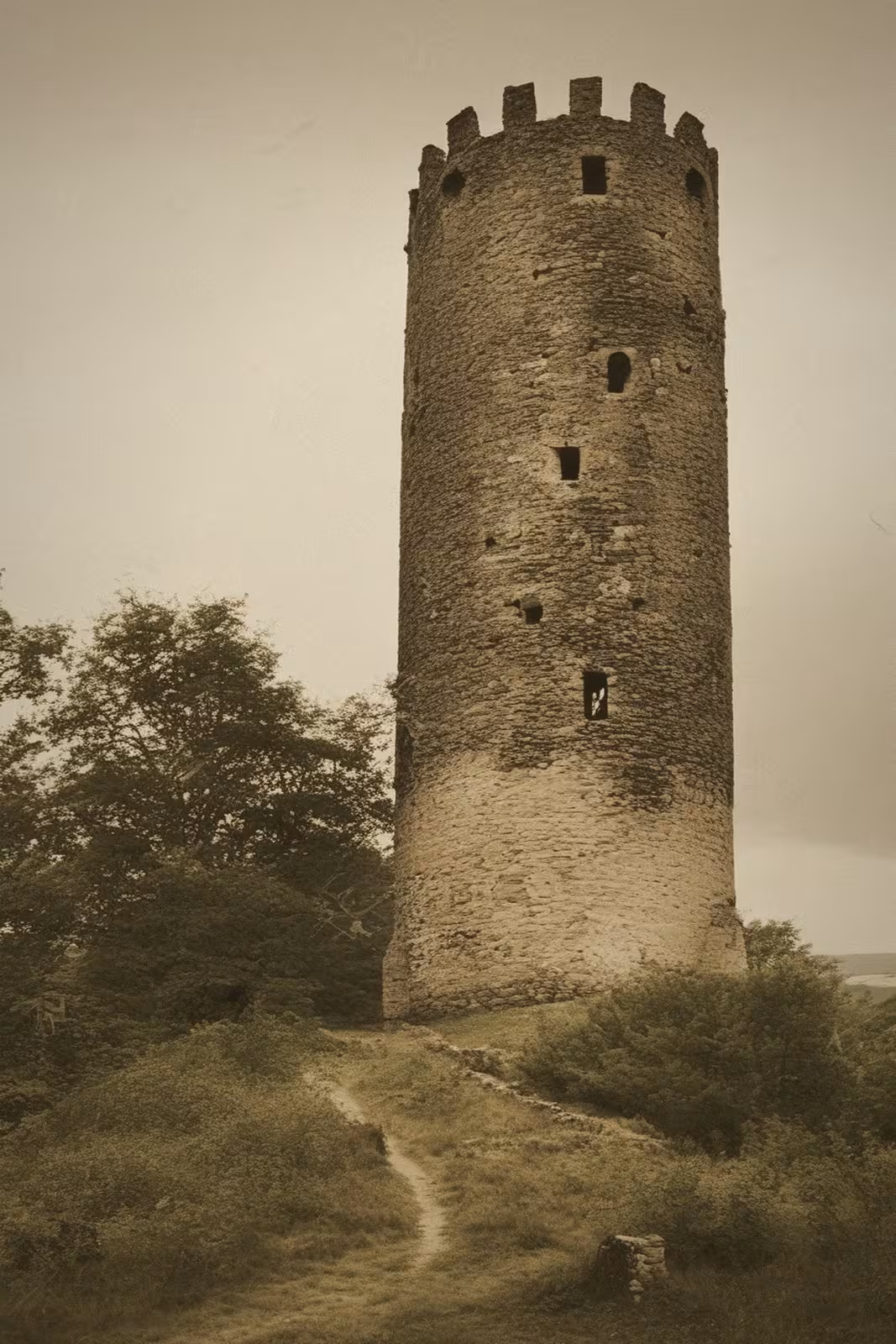
The historical appearance on the left is an AI-generated visualisation and serves as inspiration only.
Historical milestones
- 1318
- First documented mention in possession of Přibyslav z Křimína.
- 1431
- Ownership transferred to Mikuláš z Hořic.
- 1505
- Václav Předbor z Radejšína and his brothers became owners.
- 1518
- Sold to Albrecht Ciplovi z Kravska.
- 1586
- Acquired by Michal Španovský z Lisova.
Architectural development
Originally a two-part structure, Šelmberk's core is divided into two levels with a bergfrit and a complexly structured palace. The late Gothic period saw the tower elevated with large windows and an arcade. A Renaissance transformation led to the demolition of the late Gothic palace, replaced by a new two-story building with a gabled roof.
Historical events
First mentioned in 1318 under the ownership of Přibyslav z Křimína.
Renaissance renovations occurred in the first half of the 16th century.
The castle lost its residential function after being acquired by Michal Španovský z Lisova in 1586.
Owners
Přibyslav z Křimína (before 1318)
Přibík ze Šelmberka (1341)
Janek, Čeněk a Ondřej ze Šelmberka
Aleš z Rýzmburka (until the 1490s)
Mikuláš z Hořic (1431)
Václav Předbor z Radejšína (1505)
Albrecht Ciplovi z Kravska (before 1518)
Kateřina (daughter of Albrecht, married to Petra Mrackého z Dubé)
Michal Španovský z Lisova (1586)
Points of interest
- The castle's bergfrit style tower is a rare architectural feature in the Czech Republic, showcasing medieval military design that emphasizes verticality and defense.
- Legend has it that during its time as a lookout post in the early 20th century, mysterious lights were occasionally seen from Šelmberk’s tower, leading to local tales of spectral guardians watching over the valley.
- Despite its ruinous state today, archaeological excavations have uncovered remnants of Renaissance-era frescoes within the castle's walls, hinting at a once vibrant artistic life that has long since faded.
- In the 16th century, Šelmberk was briefly used as a sanctuary during regional conflicts, offering refuge to local nobility and their retinues, which contributed to its rich tapestry of historical narratives.
- The castle's transformation into an English park in the early 20th century by Leopold von Kuenburg introduced exotic plant species to the area, some of which have since become naturalized and are now considered part of the local flora.
Guide
This guide is narrated by a synthetic voice generated by artificial intelligence.
Show guide text
This text was created by artificial intelligence and has not been editorially reviewed. It may contain inaccuracies.
Welcome to the historic site of Šelmberk, also known as Schellenberg in German, nestled near the village of Běleč in the Tábor District. As you stand here, imagine the majestic past of this castle ruin perched on a rocky outcrop above the Blanice River valley. The remnants around you whisper tales from centuries ago, inviting you to explore their secrets.
Šelmberk first emerged into historical records in 1318 when it was documented as belonging to Přibyslav z Křimína. Over time, this fortress changed hands, reflecting the turbulent political landscape of medieval Bohemia. In 1431, Mikuláš z Hořic became its owner, followed by Václav Předbor z Radejšína and his brothers in 1505. The castle's ownership continued to evolve, eventually passing to Albrecht Ciplovi z Kravska in 1518. By 1586, Michal Španovský z Lisova had acquired it, marking the latest known transfer of this storied site.
As you take a moment to appreciate your surroundings, notice the distinctive architectural feature that sets Šelmberk apart: its bergfrit style tower. This rare design element in the Czech Republic highlights medieval military architecture's emphasis on verticality and defense. Imagine standing within these walls centuries ago, gazing out from this formidable structure.
Throughout its history, Šelmberk was home to several notable figures who left their mark on its legacy. Přibyslav z Křimína first claimed it, followed by personalities like Mikuláš z Hořic and Václav Předbor z Radejšína. Each owner added layers of history, shaping the castle's story with their ambitions and challenges.
Now, let your curiosity be piqued by a local legend that adds an air of mystery to Šelmberk. During its time as a lookout post in the early 20th century, mysterious lights were occasionally seen from this site. While these tales may seem like whispers from another world, they invite you to ponder what secrets might still linger here.
As your visit comes to a close, I encourage you to continue exploring and imagining the lives that unfolded within these ancient walls. Šelmberk is not just a relic of the past; it's a bridge connecting us to the stories and spirits of those who came before. Thank you for joining me on this journey through time, and may your adventures here inspire further exploration into the rich tapestry of history. Safe travels as you continue discovering the wonders of our world!
Tips for visitors
The best time to visit Šelmberk is during late spring or early autumn, when the weather is mild and pleasant for exploring. These seasons offer comfortable temperatures and beautiful natural scenery, making it ideal for hiking along the marked trails that lead to the ruins. Additionally, visiting outside of peak summer months can help avoid larger crowds, allowing you a more tranquil experience amidst the picturesque landscapes.
Always check for the most current transportation options online before planning your trip.
When visiting Šelmberk, it is recommended to bring comfortable walking shoes, a hat, sunscreen, and plenty of water, especially during warmer months. A packed lunch can also be convenient if you plan on spending several hours exploring the area. Additionally, consider bringing binoculars for bird watching or a camera with a good zoom lens to capture distant views.
For photography enthusiasts, the best spots at Šelmberk are those offering panoramic views of the Blanice River valley, particularly during sunrise or sunset when the lighting is soft and warm. The rocky outcrop provides excellent vantage points for capturing both the ruins and the surrounding landscape. Early morning visits can also offer a quieter atmosphere, ideal for photography without distractions.
Nearby attractions within 30 minutes include other historical sites and scenic spots in the region. Visitors can explore the charming village of Běleč or take a leisurely walk along the Blanice River to enjoy its natural beauty. For families with children, consider planning a day trip that includes these nearby areas, ensuring there are opportunities for rest and exploration suitable for all ages.
Frequently asked questions
Can the monument be visited?
This is a ruin. Such sites are often freely accessible, but some can only be visited with a guide or are closed for safety reasons. We have not verified the current situation – take care and respect any restrictions.
Where is the monument?
Location: Běleč, Jihočeský kraj. The map on this page shows the exact spot.
Why is the monument protected?
It is listed in the Central List of Cultural Monuments of the Czech Republic as a cultural monument (register no. 40173/3-4725).
Businesses nearby
Do you run a restaurant, accommodation, shop, museum, rental, wellness or other visitor service near this monument? Show yourself directly to the people heading to it — this is how they will see you in the app and on the web:
Nearby
Šelmberk is located near Mladá Vožice and features scenic views of the Blanice River valley. The site is accessible via marked trails, offering picturesque landscapes and proximity to other historical sites.
Accommodation nearby
Themed route
Thematic Walking Tour: Šelmberk (Běleč) and Surroundings
1. Šelmberk Castle Ruins - Type: Historical Site - Why Visit: Begin your journey at the historic ruins of Šelmberk, a medieval castle with breathtaking views of the Blanice River valley. The site offers an intriguing glimpse into the past and is accessible via marked trails that provide picturesque landscapes.
2. Blanice River Trail - Type: Scenic Walking Path - Why Visit: After exploring Šelmberk, follow the scenic trail along the Blanice River. This path offers tranquil views of the river valley and lush surroundings, perfect for a leisurely walk that connects you with nature while reflecting on the historical significance of the area.
3. Nearby Historical Sites - Type: Cultural Exploration - Why Visit: Continue your exploration by visiting other nearby historical sites accessible from Šelmberk. These locations provide additional context to the region's rich history and offer more opportunities for discovery, enhancing your understanding of the local heritage.
This thematic tour offers a blend of history and natural beauty, perfect for those interested in exploring the past while enjoying scenic landscapes.
Seasonal recommendations
Spring: Visiting Šelmberk during spring offers a unique experience as the ruins are enveloped by nature's reawakening. The blooming wildflowers and fresh greenery create a vibrant tapestry that contrasts beautifully with the ancient stone structures, providing an atmospheric backdrop perfect for photography enthusiasts. Spring mornings can be cool, so it is advisable to wear layers that you can adjust throughout your visit. While the crowds are generally moderate during this time, arriving early in the day allows for a more peaceful exploration of the site.
Summer: Summer at Šelmberk brings long days and warm weather, ideal for exploring the expansive grounds of the castle ruins. The lush foliage offers dappled shade, making it comfortable to wander through the historic pathways even during peak sunlight hours. However, this is also the high season for tourism, so expect larger crowds. To avoid the busiest times, consider visiting early in the morning or later in the afternoon. Don't forget a hat and sunscreen to protect yourself from the sun, and stay hydrated by bringing plenty of water.
Autumn: Autumn transforms Šelmberk into a picturesque landscape with its vibrant palette of reds, oranges, and yellows. The cooler temperatures make for pleasant walking conditions, allowing visitors to fully appreciate the scenic beauty without the summer heat. This is an excellent time for photography as the lighting is softer and the foliage provides dramatic contrasts against the ruins.
Winter: Winter at Šelmberk offers a serene and mystical atmosphere, with snow often blanketing the ruins and surrounding landscape. The stark beauty of the castle against a winter sky creates an enchanting scene that is particularly appealing for those seeking tranquility away from bustling tourist spots. However, visiting in winter requires preparation: dress warmly in layers and wear sturdy boots to navigate potentially icy paths.
Visualizations and artistic views


The visualisations are generated by artificial intelligence and serve as inspiration.
Photos from the area
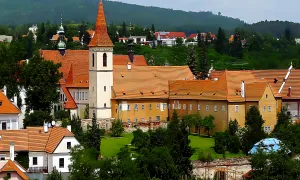
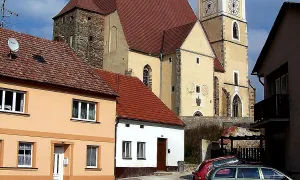
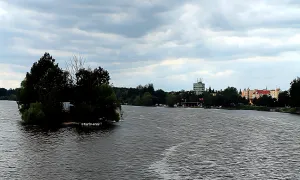
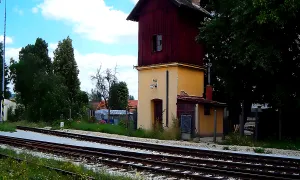
Real photos taken near the monument


Zdroj a licence jsou uvedeny u každého snímku.
Tips from visitors
No tips yet. Be the first!
Log in and add your tip.
Sources and literature
Photos: Petr Kinšt / CC BY-SA 4.0, rozlišení zvýšeno umělou inteligencí — Wikimedia Commons. The author and licence also appear when you hover over the image.
Faktickým podkladem tohoto textu byl článek na Wikipedii, jehož autory jsou přispěvatelé Wikipedie. Článek je dostupný pod licencí CC BY-SA 4.0.
Location on the map

Příběhy a pověsti
Legendy, pověsti a příběhy spjaté s touto památkou
Fotografie návštěvníků
Zatím žádné fotografie. Buďte první, kdo přidá fotografii z návštěvy!
Log in a přidejte svou fotografii nebo hodnoťte.
Za ověřenou návštěvu v aplikaci získáte víc bodů — poznáme podle GPS, že jste na místě.
Reviews and comments