






Socha svatého Václava (Hradčany) Statue
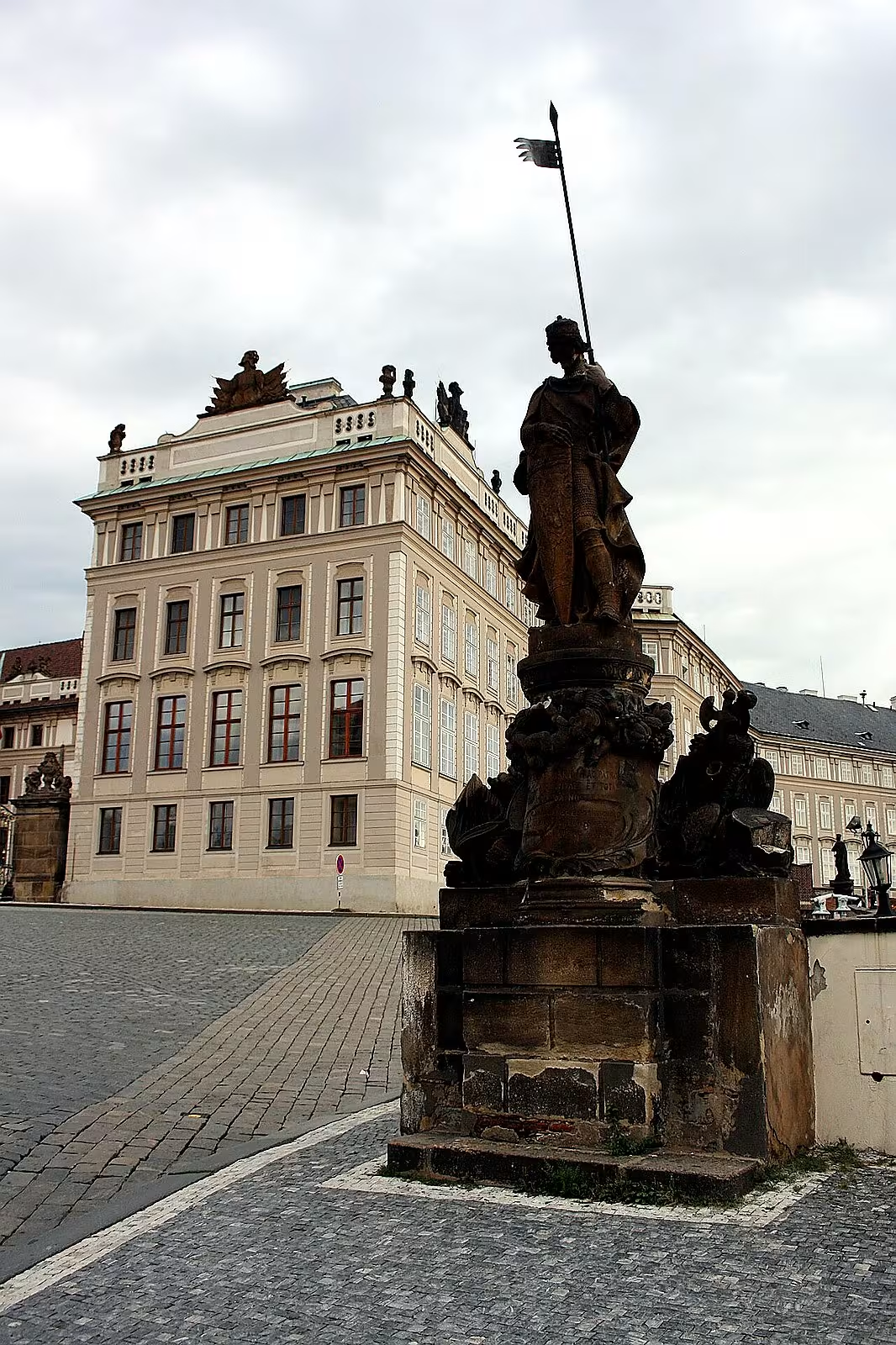
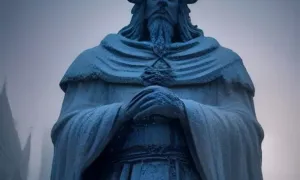
The Statue of Saint Wenceslas in Hradčany is a prominent Secessionist sculpture by Čeněk Vosmík. Located near Prague Castle in Prague, Czech Republic, it was erected in 1906. This statue symbolizes Czech cultural heritage and commemorates the patron saint of Bohemia. Its unique blend of modern artistic style with historical elements makes it an important cultural monument.
Created during a period when Bohemia experienced a cultural renaissance influenced by movements such as Secessionism, the statue reflects growing national consciousness within the Austro-Hungarian Empire. Čeněk Vosmík's 1906 creation marked an artistic endeavor to blend contemporary styles with traditional themes.
Architecturally notable for its Secessionist style, the statue contrasts sharply with its Baroque base. This base was originally part of a Saint Wenceslas sculpture from Charles Bridge, dating back to around 1672. It was relocated to Hradčany Square after a flood in 1791, adding historical depth to the setting.
Over time, the statue has undergone changes, including damage that necessitated replacing its left hand with granite for holding Wenceslas’s banner. Despite these modifications, an angelic hand on the base remains missing. The statue is affectionately nicknamed 'Rybář' (Fisherman) due to the angle of Wenceslas's banner.
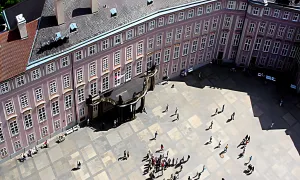
Hradčany Square, where the statue stands, is surrounded by significant historical sites such as Salmovský Palace and Schwarzenberský Palace. These landmarks contribute to the area’s rich cultural tapestry and offer panoramic views of Prague from nearby terraces.
Today, the Statue of Saint Wenceslas remains an accessible and noteworthy site for visitors. Its blend of modern artistry with historical elements offers a unique glimpse into Czech heritage, making it a must-see for those exploring Prague's storied past. The statue stands as a testament to artistic innovation and invites reflection on its cultural significance, encouraging appreciation of the rich tapestry of history and art in Hradčany.
Then and now
Drag the slider to compare how the landmark may have looked when it was built with the view today.
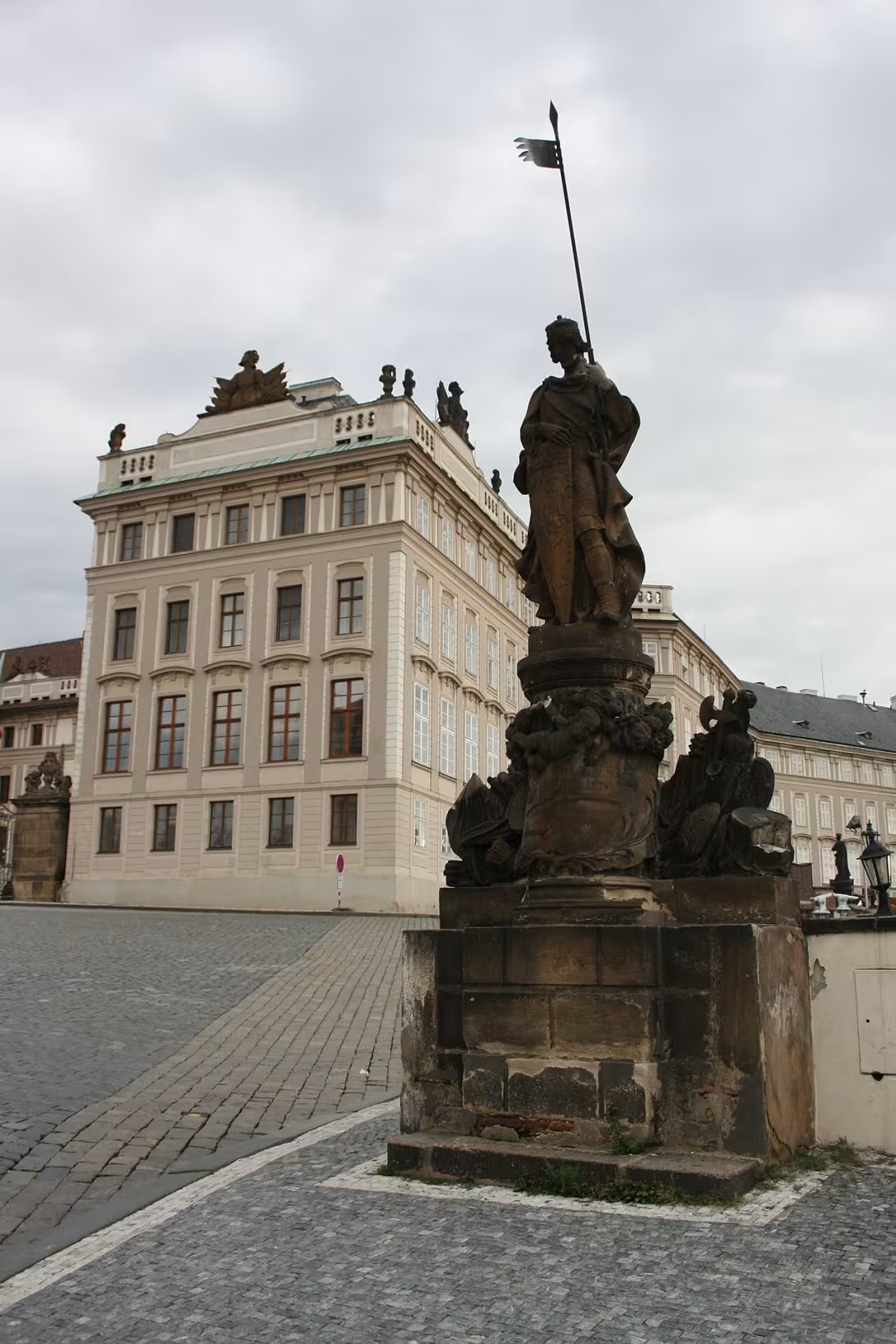
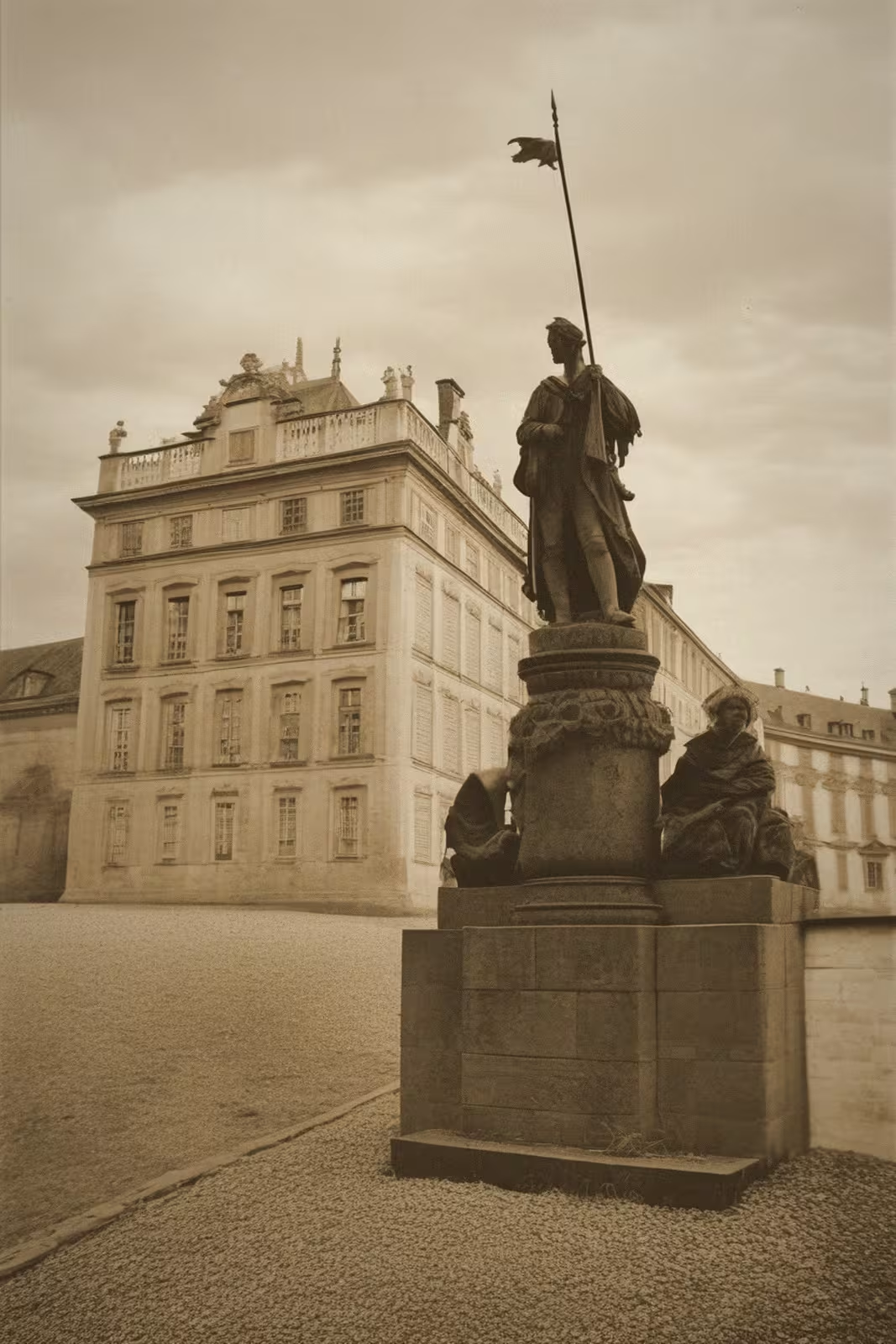
The historical appearance on the left is an AI-generated visualisation and serves as inspiration only.
Historical milestones
- 1906
- The Secessionist sculpture of Saint Wenceslas by Čeněk Vosmík was created.
Architectural development
The statue is crafted in the Secessionist style, notable for its contrast with the Baroque base it stands on. The original Baroque base dates back to around 1672 and was relocated from Charles Bridge following a flood in 1791.
Historical events
- 1906
- The statue was created by Čeněk Vosmík and initially placed on Hradčany Square.
- 1791
- A Baroque base, originally part of a Saint Wenceslas sculpture from Charles Bridge, was moved here after a flood.
Points of interest
- The statue's nickname 'Rybář' (Fisherman) arises from the peculiar angle of Saint Wenceslas’s banner, which resembles a fisherman casting a line.
- Originally part of a sculpture on Charles Bridge dating back to 1672, the Baroque base was moved to Hradčany Square after being damaged in the flood of 1791, adding historical layers to its current location.
- The statue's left hand is not original; it was replaced with granite to hold Wenceslas’s banner due to damage over time, while an angelic hand on the base remains missing.
- Čeněk Vosmík designed this Secessionist sculpture during a cultural renaissance in Bohemia, blending modern artistic styles with traditional themes amidst growing national consciousness within the Austro-Hungarian Empire.
- Surrounded by historical landmarks like Salmovský Palace and Schwarzenberský Palace, Hradčany Square offers panoramic views of Prague, enhancing the statue's significance as part of a rich cultural tapestry.
Guide
This guide is narrated by a synthetic voice generated by artificial intelligence.
Show guide text
This text was created by artificial intelligence and has not been editorially reviewed. It may contain inaccuracies.
Welcome to the historic Hradčany Square, where you stand before a captivating piece of Czech cultural heritage: the Statue of Saint Wenceslas. This Secessionist sculpture, crafted by Čeněk Vosmík in 1906, captures your attention with its modern style juxtaposed against the Baroque base it rests upon.
Let's delve into its history and significance. Created at the dawn of the 20th century, this statue was designed to commemorate Saint Wenceslas, the patron saint of Bohemia. Čeněk Vosmík’s work reflects a period when Czech artists were embracing new artistic movements while honoring their rich cultural past.
As you gaze upon it now, take note of its striking contrast: the sleek lines and modern aesthetic of the statue itself against the ornate Baroque base beneath. This blend of styles speaks volumes about the era's creative spirit and the enduring legacy of Bohemian artistry.
The story behind this location is as intriguing as the sculpture itself. Originally part of a larger work on Charles Bridge, the Baroque base you see here has a history marred by nature’s fury—a flood that damaged it so severely it was relocated to Hradčany Square. This relocation adds another layer to its storied past.
One fascinating tidbit about this statue is its affectionate nickname 'Rybář,' or Fisherman. This comes from the peculiar angle of Saint Wenceslas’s banner, which whimsically resembles a fisherman casting his line into the water. Such details add charm and intrigue, inviting you to look closer and imagine the stories behind them.
As we conclude this brief journey through history, I invite you to linger a while longer in Hradčany Square. Explore its surroundings, soak in the atmosphere, and let your imagination wander through centuries of Bohemian culture. Thank you for joining me on this exploration; may it inspire further curiosity about the rich tapestry of our shared heritage.
Tips for visitors
The best time to visit the Statue of Saint Wenceslas is during late spring or early autumn, when the weather is pleasant for exploring Hradčany Square. These seasons offer comfortable temperatures and minimal crowds, allowing you to fully appreciate the statuary's Secessionist style against its Baroque base. Additionally, visiting in the morning provides softer lighting that enhances photography opportunities.
Transportation options to reach this historical site include both public transit and personal vehicles. The area is accessible by tram lines, which can be checked for current routes via a local transportation app or website.
When planning your visit, consider bringing comfortable walking shoes as you'll likely explore more of Hradčany Square and its surroundings. A camera is recommended for capturing the statue against the backdrop of Prague’s skyline. Additionally, carrying a light jacket or umbrella can be useful due to variable weather conditions in Prague.
For photography enthusiasts, the best spots are from the terraces nearby that offer panoramic views of Prague. Early morning or late afternoon light provides ideal natural lighting conditions, casting soft shadows and highlighting the statue's intricate details against the historical setting.
In addition to the Statue of Saint Wenceslas, families with children can enjoy exploring Salmovský Palace and Schwarzenberský Palace within a 30-minute walk. These palaces offer insights into Prague’s architectural history and often feature interactive exhibits suitable for younger visitors.
Frequently asked questions
Can the monument be visited?
This is a structure in a public space that can usually be seen from outside free of charge. We have not verified that this particular one is freely accessible.
Where is the monument?
Location: Hradčany, Hlavní město Praha. The map on this page shows the exact spot.
Why is the monument protected?
It is listed in the Central List of Cultural Monuments of the Czech Republic as a cultural monument (register no. 1000151634).
Businesses nearby
Do you run a restaurant, accommodation, shop, museum, rental, wellness or other visitor service near this monument? Show yourself directly to the people heading to it — this is how they will see you in the app and on the web:
Events nearby

Zdroj akcí: otevřená data měst a obcí ČR (Národní katalog otevřených dat) a kalendář akcí Národního památkového ústavu.
Nearby
Hradčany Square is surrounded by significant historical sites including Salmovský Palace and Schwarzenberský Palace. The area offers panoramic views of Prague from nearby terraces.
Accommodation nearby
Trips and activities nearby
Guided tours, tickets and activities nearby from GetYourGuide
Affiliate link: if you buy from the partner, we may receive a commission. The price for you does not change.
Search tours and activities →Themed route
Thematic Walking Tour: Hradčany's Historical Gems
1. Socha svatého Václava (Hradčany) - Type: Statue - Why Visit: Begin your journey with the iconic statue of Saint Wenceslas, a symbol of Czech heritage and national pride. This bronze sculpture stands as a testament to the rich history of Hradčany and offers an excellent starting point for exploring the area's historical significance.
2. Salmovský Palace - Type: Historical Building - Why Visit: Just a short walk from the statue, Salmovský Palace is renowned for its stunning Baroque architecture. Originally built in the 17th century, it now houses the Czech Senate and offers visitors a glimpse into the political history of Prague through guided tours.
3. Schwarzenberský Palace - Type: Historical Building - Why Visit: Continuing your tour, Schwarzenberský Palace is an architectural masterpiece with its elegant Baroque style. This palace has played a significant role in Czech history and currently serves as the seat of the Senate's presidency. Its beautifully maintained gardens are perfect for a leisurely stroll.
4. Hradčany Square - Type: Public Space - Why Visit: Conclude your tour at Hradčany Square, where you can enjoy panoramic views of Prague from nearby terraces. This vibrant square is surrounded by historical buildings and offers a perfect spot to reflect on the rich history you've explored during your visit.
This thematic walking tour provides an immersive experience into the heart of Hradčany's historical landscape, highlighting its architectural beauty and cultural significance.
Seasonal recommendations
Spring: Visiting the Statue of Saint Wenceslas during spring offers a unique experience as nature begins to awaken around Hradčany. The blooming flowers and fresh greenery create a vibrant backdrop for this historic monument, enhancing its beauty with natural splendor. As daylight hours increase, the statue is illuminated by softer, warmer light that accentuates its details. Visitors are advised to dress in layers due to fluctuating temperatures typical of spring weather. Early mornings or late afternoons can provide a more tranquil atmosphere before larger crowds gather as the day progresses.
Summer: Summer at the Statue of Saint Wenceslas is characterized by long days and warm, inviting weather, making it an ideal time for outdoor exploration in Hradčany. The lush greenery and full blooms create a picturesque setting, while the extended daylight allows for more leisurely visits. However, this season also attracts larger crowds, especially during peak tourist hours. To avoid congestion, consider visiting early in the morning or later in the evening when temperatures are cooler and fewer visitors are present. Comfortable walking shoes and light clothing are recommended to navigate the area comfortably.
Autumn: The autumn months bring a magical transformation to Hradčany with the Statue of Saint Wenceslas surrounded by a palette of warm, fiery colors as leaves change. This season offers a more serene experience compared to summer, with fewer tourists enjoying the crisp air and cooler temperatures. The soft, golden light of late afternoon enhances the statue's features, creating an ideal time for photography enthusiasts.
Winter: Winter at the Statue of Saint Wenceslas presents a serene and enchanting atmosphere with snow-covered surroundings that add a touch of magic to Hradčany. The statue stands out against the stark winter landscape, often illuminated by festive lights if it's near Advent or Christmas time. Visitors should be prepared for shorter daylight hours and colder temperatures, making warm clothing essential.
Visualizations and artistic views


The visualisations are generated by artificial intelligence and serve as inspiration.
Photos from the area
Real photos taken near the monument

Zdroj a licence jsou uvedeny u každého snímku.
Tips from visitors
No tips yet. Be the first!
Log in and add your tip.
Sources and literature
Photos: Jaroslav Zastoupil / CC BY-SA 3.0 — Wikimedia Commons. The author and licence also appear when you hover over the image.
Faktickým podkladem tohoto textu byl článek na Wikipedii, jehož autory jsou přispěvatelé Wikipedie. Článek je dostupný pod licencí CC BY-SA 4.0.
Location on the map

Příběhy a pověsti
Legendy, pověsti a příběhy spjaté s touto památkou
Fotografie návštěvníků
Zatím žádné fotografie. Buďte první, kdo přidá fotografii z návštěvy!
Log in a přidejte svou fotografii nebo hodnoťte.
Za ověřenou návštěvu v aplikaci získáte víc bodů — poznáme podle GPS, že jste na místě.
Reviews and comments