






soubor věcí Buštěhradské dráhy Building complex
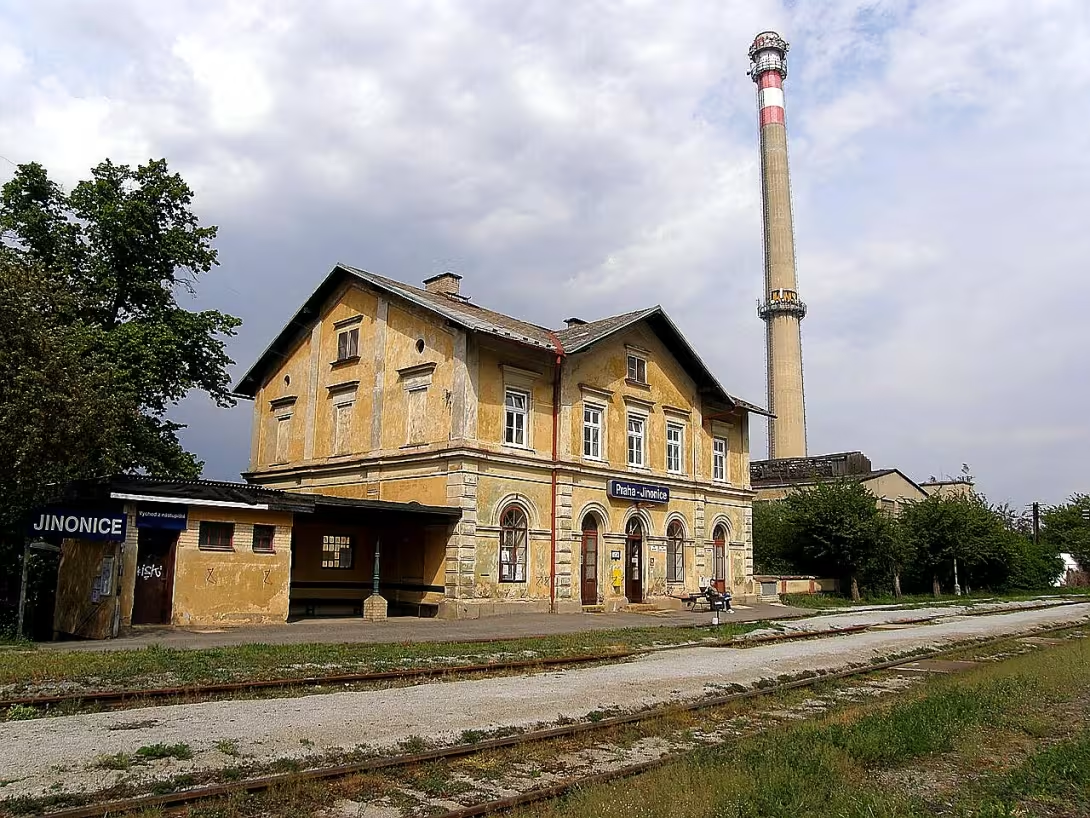
The set of Bustřahrad Railways in Prague is a historical complex of transport structures, which is situated in three cadastral areas - Smíchov, Hlučepy and Radlice. This file is protected as a real-estate cultural monument of the Czech Republic. It was created mainly after 1870, some of the objects were built in the 1920s.
Bustěhrad railway is a key part of the Czech railway and its history dates back to the period of intensive development of infrastructure in Bohemia. The creation of a network of railway and railway structures was motivated by the need to improve the connection between Prague and the surrounding areas, which was crucial for the economic growth and modernisation of the region. At that time, there was extensive development of the rail network in Europe, which had a major impact on communication and transport.
Architecturally, the set of Bustradic Railways is characterized by the diversity of building elements. These include bridges and viaducts, which are built from stone block masonry with semi-circular arches and arches. These structures show the influence of historicism, especially the classicist breakdown, evident on some objects. Viaducts are designed with respect to aesthetics and functionality, which is reflected in their robustness and elegant design.
The set consists of various railway objects such as bridges and viaducts. These include the Bridge over the line in Nová Zlichov Street, the Viaduct on Zlíchov and the High Viaduct, which crosses the valley of the Dalek creek. These structures are built out of stone blocks with architectural elements such as cracorns and profiled ledge. The Viaducts in Radlice have plastic decorative years, which adds to their historical significance.
The history of the file is linked to its creation and development in the 19th and early 20th centuries. The start of construction dates back to 1870, when the foundations for modernising railway transport in the region were laid. In 1924 a viaduct was built in Radlice, marked by the year and commemorating the next stage of the development of the ensemble.
Today, the set of Bustrazrad Railways is protected as a cultural monument and is worth visiting for its historical value and architectural importance. This is a reminder of the time when railways have become a key element in modernising and developing society. Visitors can appreciate not only the technical achievements of the past, but also the aesthetic aspects of these historical buildings.
The set of Bustradic Railways is a reminder of the time when railways have become a key element of modernisation and development of society. Visiting this complex is not only a way to the past, but also an opportunity to appreciate the architectural art and historical importance of these structures.
Historical milestones
- 1924
- Construction of the viaduct in Radlice with the year 1924.
Architectural development
The set consists of various railway objects such as bridges and viaducts with stone block wall, semi-circular arches and arches. Architectural elements include Classicist breakdowns and decorative years.
Historical events
- 1870
- The beginning of construction of a set of railway and railway structures.
- 1924
- Construction of the viaduct in Radlice, dated 1924.
Points of interest
- The set of Bustěhrad Railways is protected as a real cultural monument of the Czech Republic. - The creation of a set of railway and railway structures was motivated by the need to improve the connection between Prague and the surrounding areas, which was crucial for economic growth and modernisation of the region. - Architecturally, the ensemble is characterized by the diversity of building elements such as bridges and viaducts built from stone block masonry with semicircular arches and arches. - The Viaducts in Radlice have plastic decorative years, which adds to their historical significance. - The start of construction dates back to 1870, when the foundations for modernization of railway transport in the region were laid.
Guide
Show guide text
This text was created by artificial intelligence and has not been editorially reviewed. It may contain inaccuracies.
Welcome. You're standing in front of one of the most important transport units in this part of town. Perhaps at first glance you will be interested in the unusual cohesion of the various structures that are spread out here and which form one large, inseparable whole. It's not just one building or one road, but an entire vast set of things that together form the Bushkhade way. Feel the atmosphere of a place where history meets constant movement and where every detail shows the effort to connect human lives and trade routes. Look around you and realize that it is here, in this area, that three different parts of the city intertwine, namely Smíchov, Deep Cups and Radlice. This set of structures is not just a random cluster of objects, but it is a complex that interferes deeply into this territorial structure and creates a link between these three areas.
Now let's move forward in time together and understand why this place was created in the first place. Imagine the time around 1870. The world began to change very quickly back then. The need for modernisation and development was huge. In order for the region to grow and for the economy to develop, it was absolutely crucial to establish a strong and reliable link between Prague and all the surrounding areas. It was this need that was the main engine that led to the construction of this whole set of railway and railway structures. It was not just a path for trains, it was an artery that supplied energy and growth to the entire region. Most of these buildings were built in this period, after 1870, when a new, modern world was built based on speed and efficiency.
Now pay attention to what you see right in front of you and what you can see when you look at the individual parts of this work. Although this file is made up of many different elements, everything in it acts as part of a larger plan. Notice how these traffic structures have adapted to the surrounding terrain. One of the most important and impressive elements you can see in this area is the viaduct in Radlice. If you look at it more carefully, you can find the year 1924 in its construction. This particular object was built a little later than the rest of the whole, in the 1920s, and added a new dimension to the whole set. Feel the strength and stability of these structures. Although we do not know the names of the particular architects who drew these plans, their ability to create such a functional and permanent work is evident in every part of this complex. You can see how these buildings intertwine through the landscape and how they form a solid structure that resists time.
You might wonder who was behind all this great work. Who were the people who decided which way to go, and who were the masters who actually built these huge structures? It's one of the interesting things we have to say about this place. Although historical records have not given us the names of any particular architects or any famous personalities that are directly connected to this place, their presence here is felt in every detail. These are unknown creators who have laid the foundations for a modern way of life in this region. Their names may have remained hidden in history, but their work is here, before your eyes, and still serves its function. There is a kind of grandeur in it that such fundamental things were created for the nation by people whose names no longer know, but whose influence on the lives of thousands of people was immense.
But there is one other thing that you should really be interested in and that gives this place special weight. This whole ensemble, this whole Bustřehrad track, is not just an ordinary transport hub. It is a rare heritage which is protected as a real-estate cultural monument of the Czech Republic. This means that the state and society consider these buildings to be something extremely valuable that we need to preserve for future generations. It's not just about iron roads or buildings, it's about preserving the memory of how our world was changing and how we connected through these structures. This protection is proof of the profound impact this work has had on the development of our region and on our entire history. This is a reminder of when modernization became a reality and when small areas became interconnected and prosperous parts of the country.
But we will not hold you back now. This short journey is only the beginning of your discovery. Continue your search and see how this historical monument intertwines with today's city life. Explore the surrounding spaces, see how history meets the presence in every corner of this file. Every look at these buildings can reveal a new detail about how they used to live, how they traveled and how they were built. Thank you for spending this moment with this monument and for trying to understand its meaning. We wish you a pleasant further journey and many other interesting experiences in exploring this place.
Tips for visitors
This set of monuments offers a quiet atmosphere without a large crowd of tourists.
Local buses and trams may be suitable for arriving in the Smíchov area. The current connection can be checked in the online search engine.
We also recommend comfortable shoes to move on historical paths and sunglasses.
Photography here is great, especially in the early morning or in the evening when the light is softer. The best places for photos are when looking at historical buildings and their architecture. Natural lighting in these times increases the aesthetics of images.
It can be interesting for families with children to visit natural elements in Radlice, where children can enjoy leisure time.
Frequently asked questions
Can the monument be visited?
The building is in use (offices, a school, shops and the like). The interior is generally accessible only during operating hours and tours are not usually offered; we have not verified the details. You can see the exterior from the street.
Where is the monument?
Location: Smíchov, Hlavní město Praha. The map on this page shows the exact spot.
Why is the monument protected?
It is listed in the Central List of Cultural Monuments of the Czech Republic as a cultural monument (register no. 1179460457).
Businesses nearby
Do you run a restaurant, accommodation, shop, museum, rental, wellness or other visitor service near this monument? Show yourself directly to the people heading to it — this is how they will see you in the app and on the web:
Events nearby

Zdroj akcí: otevřená data měst a obcí ČR (Národní katalog otevřených dat) a kalendář akcí Národního památkového ústavu.
Nearby
Soubor zasahuje do katastrů Smíchov, Hlubočepy a Radlice. V okolí se nachází další historické památky a přírodní prvky.
Accommodation nearby
Trips and activities nearby
Guided tours, tickets and activities nearby from GetYourGuide
Affiliate link: if you buy from the partner, we may receive a commission. The price for you does not change.
Search tours and activities →Themed route
Thematic cruise route - Bustřehrad railway and surroundings
1. Bustěhrad railway (building complex)
Type: Historical railway monument
Why it is worth a visit: Bustřehrad railway is a unique complex that includes historical buildings and infrastructure of the first railway line in Bohemia. Visit this place to look at architecturally interesting buildings and to understand the history of Czech railways.
2. Church of St. Wenceslas (Smíchov)
Type: Historical church
Why is it worth a visit: This Baroque church is one of the oldest buildings in the village Smíchov. Its history and architecture attract many visitors looking for a view of the rich cultural heritage of the region.
3. Church of Saint Anne (Deep Cups)
Type: Historical church
Why is it worth a visit: St. Anne's Church is famous for its Baroque architecture and beautiful interior. It is an ideal place for those who want to appreciate historical art elements and quiet surroundings.
4. Radical Garden
Type: Historical garden
Why is worth a visit: This garden is one of the oldest in Prague, offering beautiful spaces and historical features. It is an ideal place to relax and explore natural and cultural heritage.
5. Hlubočepy Castle Park
Type: Historical castle park
Why is worth a visit: The park offers beautiful walks between historical architecture and the natural environment. It's a place where you can relax your mind and appreciate the peaceful view of the surrounding landscape.
This route will guide you through historical and culturally rich places in the municipalities of Smíchov, Hlučepy and Radlice, each point offering a unique perspective on regional heritage.
Seasonal recommendations
The sun's rays illuminate historic buildings with brighter light, giving the whole complex a vivid color shine. For a visit it is advisable to bring light clothes for a possible warm day and shoes for walking on possible wet paths. The best time to visit is on Tuesday or Wednesday when there are usually smaller crowds.
Summer: Summer brings a long sunny day and a warm atmosphere that is ideal for walking on the Bustřehrad track. The green region is transformed into a vibrant colour of blooming nature, which gives historical buildings a special touch. We recommend visiting the complex early in the morning or evening to avoid the midday heat and crowd of tourists. Don't forget the protective sunglasses, UV cream and plenty of drinking water.
Sunlight illuminates buildings in distinctive colours, giving the complex a romantic atmosphere. Due to mild temperatures, it is advisable to dress well and take an umbrella with you for possible rain. The best time to visit is Friday or Saturday when the crowds are relatively small.
The sun rays illuminate the complex with a softer light, giving the whole area a calm and quiet character. We recommend taking warm clothes, any protection against moisture and shoes with good groove for walking on snow or wet roads. The best time to visit is on Tuesday or Wednesday when the crowds are minimal.
Visualizations and artistic views

The visualisations are generated by artificial intelligence and serve as inspiration.
Photos from the area
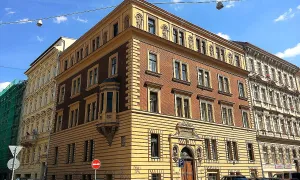
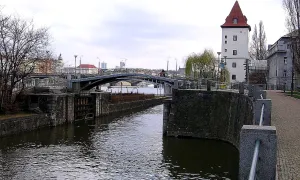
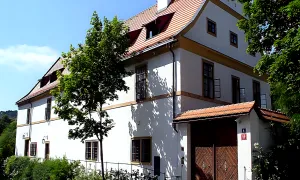
Real photos taken near the monument


Zdroj a licence jsou uvedeny u každého snímku.
Tips from visitors
No tips yet. Be the first!
Log in and add your tip.
Sources and literature
Photos: Jan Laurýn / CC BY 3.0 — Wikimedia Commons. The author and licence also appear when you hover over the image.
Faktickým podkladem tohoto textu byl článek na Wikipedii, jehož autory jsou přispěvatelé Wikipedie. Článek je dostupný pod licencí CC BY-SA 4.0.
Location on the map
Příběhy a pověsti
Legendy, pověsti a příběhy spjaté s touto památkou
Fotografie návštěvníků
Zatím žádné fotografie. Buďte první, kdo přidá fotografii z návštěvy!
Log in a přidejte svou fotografii nebo hodnoťte.
Za ověřenou návštěvu v aplikaci získáte víc bodů — poznáme podle GPS, že jste na místě.
Reviews and comments