






Stagnov Ruin
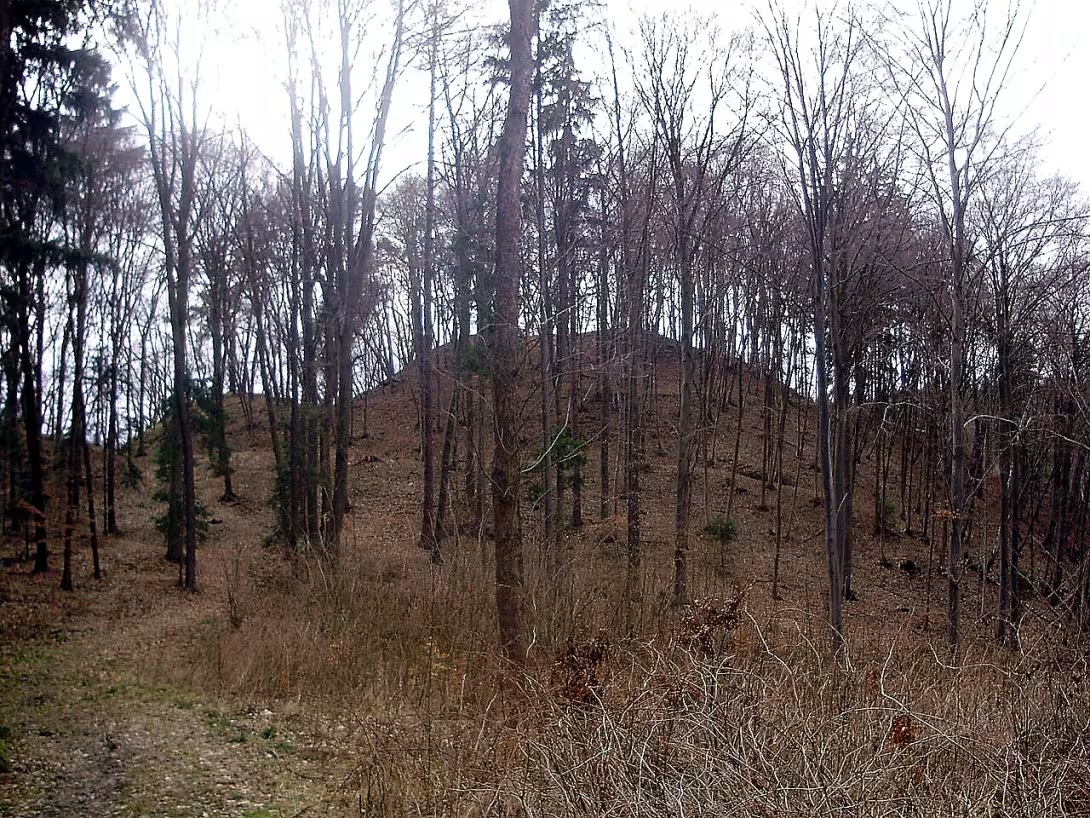
Stagnov, also known as Stangov or Nový hrad, is a medieval castle ruin located in Rychtářov, Vyškov. It sits on an island above the Rakovec stream, now called Malá Haná. Likely founded by a member of the Stange family in the late 13th century during the peak colonization of the Drahanské vrchoviny region, this castle served as a strategic stronghold for controlling surrounding territories and important trade routes. Over time, it passed through several prominent Moravian noble families before falling into ruin during the Hussite Wars.
The origins of Stagnov trace back to the late 13th century when the Stange family, German nobles invited by Bishop Bruno, established this fortified stronghold. Positioned strategically, it aided in the colonization and defense of the region, reflecting broader efforts led by figures like Bishop Bruno of Schauenburg during that period. This era saw an influx of German nobility who played a crucial role in developing new territories across Moravia.
Architecturally, Stagnov featured typical medieval fortifications characteristic of its time. However, specific details about its construction are scarce due to its ruinous state today. The castle was designed as a fortified stronghold with strategic importance, controlling surrounding areas and facilitating trade routes.
Ownership changed hands several times among notable Moravian noble families. Initially founded by the Stange family in the 13th century, it later passed to the Šternberk family in the late 14th century. By 1397, the Kravaře family acquired it, and after their line died out in 1466, it was inherited by the Boskovic family through marriage. Each transition marked a shift in the castle's role within regional politics.
Key events include its first indirect mention as 'Nový Hrad' in 1379 and direct reference to Albrecht's nephew Petr ze Šternberka owning it by 1381. The castle eventually fell into ruin during the Hussite Wars in the mid-15th century, a period marked by conflict between Czech and Hungarian forces that devastated much of Moravia.
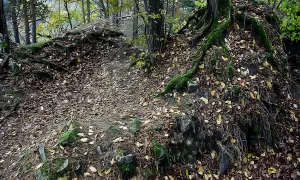
Today, only minimal remnants of Stagnov’s walls and terrain traces remain, protected as a cultural monument since 1970. Despite its dilapidated state, the site holds historical significance within the Drahanské vrchoviny landscape. Visitors can appreciate the castle's past importance and reflect on the turbulent history that shaped this region.
Stagnov offers a unique glimpse into medieval Moravian history, inviting visitors to explore its ruins and ponder the lives of those who once inhabited this strategic stronghold. Its historical significance and connection to prominent noble families make it a worthwhile destination for anyone interested in the rich tapestry of Czech heritage.
Then and now
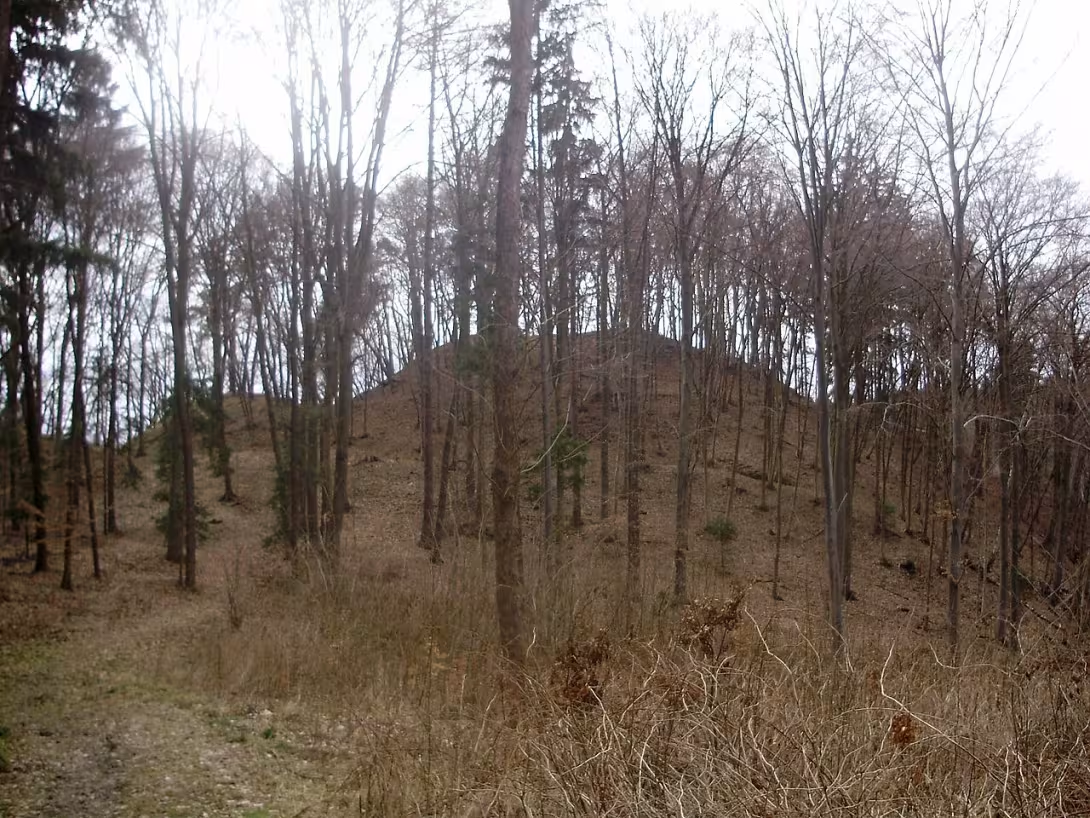
Drag the slider to compare how the landmark may have looked when it was built with the view today.
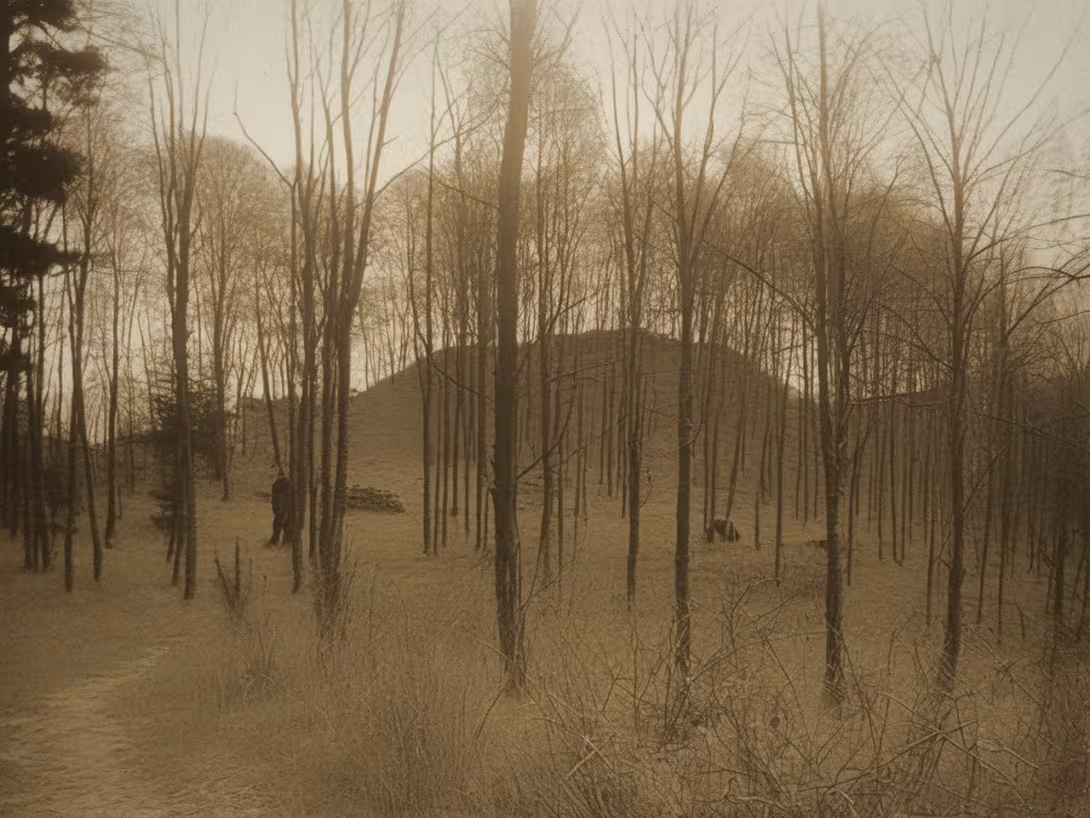
The historical appearance on the left is an AI-generated visualisation and serves as inspiration only.
Historical milestones
- 1379
- First indirect mention of the castle as 'Nový Hrad'.
- 1381
- Castle directly mentioned as property of Albrecht's nephew, Petr ze Šternberka.
Architectural development
Stagnov was built as a fortified stronghold with strategic importance, featuring typical medieval fortifications. The castle's architecture and materials were characteristic of the period, though specific details are scarce due to its ruinous state.
Historical events
Founded in the late 13th century by the Stange family.
Passed to the Šternberk family in the late 14th century.
Acquired by the Kravaře family after 1397.
Destroyed during the Hussite Wars in the mid-15th century.
Owners
Stangeové (13th century)
Šternberkové (late 14th century)
Kravařové (from 1397)
Boskovici (after 1466)
Points of interest
- The Stagnov castle was strategically positioned on an island above the Rakovec stream, which is now called Malá Haná, providing natural defense and control over the surrounding region.
- Despite its ruinous state today, Stagnov was once a fortified stronghold with significant architectural features typical of medieval castles, though specific details about its construction remain largely unknown due to time's wear.
- The castle's ownership transitioned through several notable Moravian noble families, including the Šternberk and Kravaře families, reflecting shifts in regional power dynamics over centuries.
- Stagnov was indirectly mentioned as 'Nový Hrad' in 1379, indicating its early recognition and importance even before direct historical records of ownership began to emerge.
- The castle's fall into ruin during the Hussite Wars highlights its involvement in broader conflicts that devastated much of Moravia, marking a turbulent period in Czech history.
Guide
This guide is narrated by a synthetic voice generated by artificial intelligence.
Show guide text
This text was created by artificial intelligence and has not been editorially reviewed. It may contain inaccuracies.
Welcome to the historic site of Stagnov, an evocative reminder of medieval times nestled in Rychtářov within the Jihomoravský kraj. As you stand here on this serene island above what is now known as Malá Haná, let your imagination wander back to a time when this castle was a bustling stronghold.
Stagnov, also referred to historically as Stangov or Nový hrad, finds its origins in the late 13th century. It's believed that a member of the influential Stange family founded it during the peak colonization period of the Drahanské vrchoviny region. This strategic location served not just as a fortress but also as a pivotal point for controlling the surrounding lands.
As you take in your surroundings, notice how nature has reclaimed much of what was once a fortified stronghold. The remnants here speak to its historical significance and architectural prowess, even if only hints remain visible today. Observe the way the landscape cradles these ruins—this natural setting provided both defense and isolation for those who lived within its walls.
The history of Stagnov is intertwined with notable families such as the Šternberkové, Kravařové, and Boskovici. In 1379, an indirect mention referred to it as 'Nový Hrad,' and by 1381, it was documented as property of Albrecht's nephew, Petr ze Šternberka. These connections highlight the castle’s importance in regional politics and its role within noble lineages.
One fascinating aspect of Stagnov is its strategic positioning on an island above the Rakovec stream. This not only provided natural defenses but also allowed control over the surrounding area—a feature that must have been crucial during turbulent times.
As you continue to explore this site, let your senses absorb the atmosphere—feel the whispers of history in the wind and the stories etched into every stone. While much is left to imagination, the ruins of Stagnov offer a unique glimpse into the past.
We invite you to take your time wandering around, letting curiosity guide you through what remains of this once-mighty castle. Thank you for joining us on this journey back in time. We hope you leave with a deeper appreciation for the history and stories that Stagnov has to share. Enjoy your exploration!
Tips for visitors
The best time to visit Stagnov is during late spring or early autumn when the weather is mild, making it ideal for exploring the ruins without the discomfort of summer heat or winter cold. These seasons also offer beautiful natural lighting conditions that enhance the historical ambiance of the site.
Parking and transportation options are convenient as you can drive to Rychtářov and find parking nearby. Alternatively, public transport is available; check current routes online for buses connecting Vyškov to Rychtářov. This flexibility allows visitors to choose the most comfortable way to reach the site.
When visiting Stagnov, it's advisable to bring comfortable walking shoes, as exploring the ruins involves some uneven terrain. A hat and sunscreen are recommended if you plan to visit during sunny days. Additionally, carrying a water bottle is essential, especially in warmer months, since there are no facilities on-site.
For photography enthusiasts, early morning or late afternoon provides the best light for capturing Stagnov's ruins against the backdrop of the Malá Haná stream and surrounding landscape. The low-angle sunlight during these times creates dramatic shadows that highlight the textures of the remaining walls.
Nearby attractions within a 30-minute drive include the historical town of Vyškov, which offers museums and cultural sites. For families with children, consider visiting local parks or nature trails in the Drahanské vrchoviny region for outdoor activities.
Businesses nearby
Do you run a restaurant, accommodation, shop, museum, rental, wellness or other visitor service near this monument? Show yourself directly to the people heading to it — this is how they will see you in the app and on the web:
Nearby
Today, only minimal remnants of the castle's walls and terrain traces remain. The surrounding landscape includes the Malá Haná stream and is characterized by its historical significance as part of the Drahanské vrchoviny.
Accommodation nearby
Trips and activities nearby
Guided tours, tickets and activities nearby from GetYourGuide
Affiliate link: if you buy from the partner, we may receive a commission. The price for you does not change.
Search tours and activities →Themed route
Thematic Route: Exploring Stagnov and the Surroundings
1. Stagnov Ruins *Type:* Historical Site *Why Visit:* Begin your journey at the remnants of Stagnov Castle, where minimal traces of walls and terrain offer a glimpse into its historical significance within the Drahanské vrchoviny region. The site provides an evocative starting point for exploring the area's rich past.
2. Malá Haná Stream *Type:* Natural Feature *Why Visit:* A short walk from Stagnov, the Malá Haná stream meanders through the landscape, offering a serene natural setting to appreciate the region’s beauty. Its presence enhances the historical ambiance of the area and provides an opportunity for reflection amidst nature.
3. Rychtářov Village *Type:* Local Community *Why Visit:* Explore the charming village of Rychtářov, located near Stagnov ruins. The village offers a glimpse into local life and culture, with its traditional architecture and community spirit reflecting the historical context of the surrounding region.
4. Drahanské vrchoviny Landscape *Type:* Historical Geographical Area *Why Visit:* As you wander through this area, take in the rolling hills and open landscapes that characterize Drahanské vrchoviny. This geographical feature not only frames Stagnov but also provides insight into the natural environment that influenced historical developments in the region.
5. Return to Stagnov Ruins *Type:* Historical Site (Revisit) *Why Visit:* Conclude your tour by returning to the Stagnov ruins, reflecting on the day's discoveries and the interplay between history and nature you've experienced. This final visit allows for a deeper appreciation of the site’s historical significance within its natural setting.
This route offers an immersive experience into the history and landscape surrounding Stagnov, providing both educational insights and scenic enjoyment.
Seasonal recommendations
Spring: Visiting Stagnov Castle ruins during springtime offers a unique experience as nature begins to awaken around the site. The rolling hills and surrounding landscapes are adorned with vibrant wildflowers, creating a picturesque setting that enhances the historical ambiance of the castle's remains. As daylight hours lengthen, visitors can enjoy softer morning light that gently illuminates the ancient stones, casting long shadows and adding depth to the ruins' mystique. This season is ideal for photography enthusiasts looking to capture the interplay between nature and history. However, be mindful of occasional rain showers typical in spring; wearing waterproof footwear and bringing a light jacket are practical tips to ensure comfort during your visit.
Summer: The summer months at Stagnov Castle bring long days filled with warm sunlight that accentuates the textures and details of the ruins. This is the peak tourist season, so visitors might encounter larger crowds exploring the site. To fully enjoy the experience without feeling rushed, it's advisable to arrive early in the morning when the atmosphere is tranquil, and the temperature is cooler. Summer evenings offer a pleasant alternative with milder temperatures ideal for leisurely exploration. Don't forget to wear comfortable walking shoes and bring plenty of water to stay hydrated under the summer sun.
Autumn: Autumn at Stagnov Castle provides a serene and atmospheric setting as the foliage transforms into warm hues of red, orange, and gold. The cooler weather invites visitors to stroll through the ruins without the discomfort of summer heat, while the soft autumn light creates a magical ambiance that enhances the historical feel of the site. This is an excellent time for photography, with fewer crowds compared to summer, allowing for more intimate exploration. Dressing in layers is recommended due to fluctuating temperatures throughout the day, and carrying a light raincoat can be handy as autumn rains are not uncommon.
Winter: Winter transforms Stagnov Castle into a quiet and contemplative destination, offering a stark yet beautiful contrast against the snow-covered landscape. The ruins take on an ethereal quality in the winter light, with shorter days providing unique opportunities to capture the site in different lighting conditions. Visitors should be prepared for colder temperatures by dressing warmly in layers and wearing sturdy boots suitable for potentially icy paths. Due to limited daylight hours, it's best to plan your visit during midday when there is sufficient natural light to appreciate the details of the ruins fully. The tranquility of winter also makes it a peaceful time to reflect on history amidst nature's quiet beauty.
Visualizations and artistic views


The visualisations are generated by artificial intelligence and serve as inspiration.
Tips from visitors
No tips yet. Be the first!
Log in and add your tip.
Sources and literature
Fotografie: cs:User:Pernak1 / CC BY-SA 3.0 — Wikimedia Commons. The author and licence also appear when you hover over the image.
Faktickým podkladem tohoto textu byl článek na Wikipedii, jehož autory jsou přispěvatelé Wikipedie. Článek je dostupný pod licencí CC BY-SA 4.0.
Location on the map




Příběhy a pověsti
Legendy, pověsti a příběhy spjaté s touto památkou

Fotografie návštěvníků
Zatím žádné fotografie. Buďte první, kdo přidá fotografii z návštěvy!
Přihlaste se a přidejte svou fotografii nebo hodnoťte.
Za ověřenou návštěvu v aplikaci získáte víc bodů — poznáme podle GPS, že jste na místě.
Reviews and comments