






Štědrý hrádek Ruin
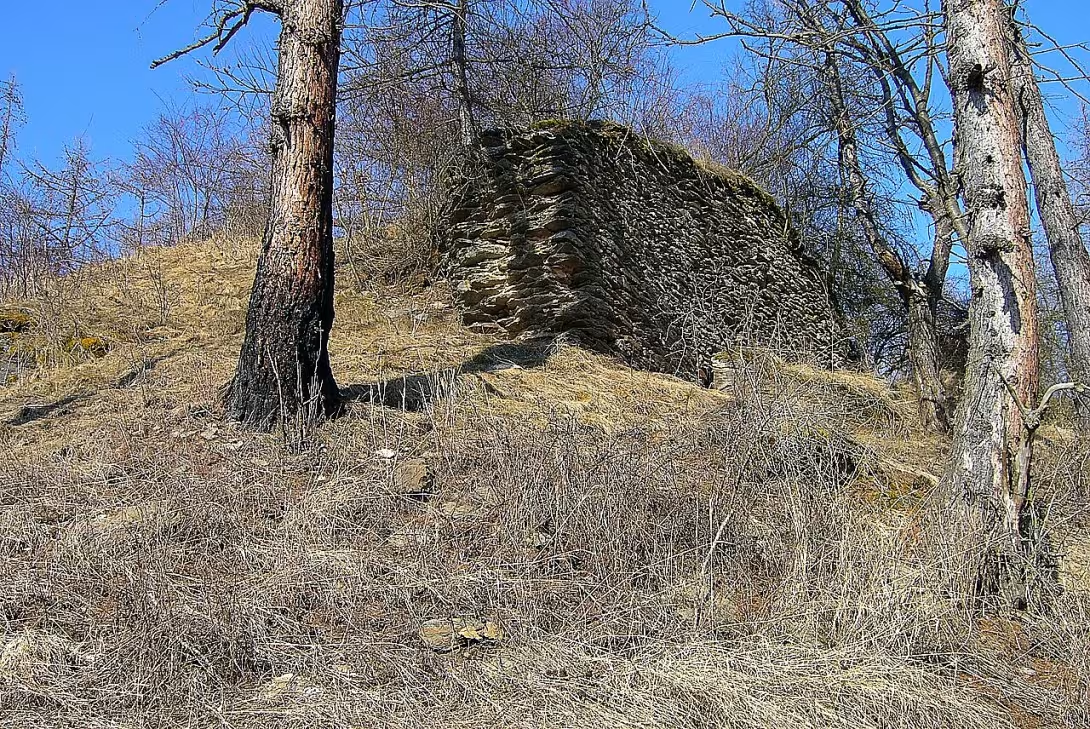
Štědrý hrádek is an intriguing medieval castle ruin perched on a steep cliff above Mlýnský rybník in Borek, within the Karlovarský kraj of the Czech Republic. Constructed around the mid-14th century, it stands out for its innovative use of natural rock formations as defensive structures. This makes it an interesting variant of bergfrit-type castles and a notable example of a rock castle. Its historical significance is highlighted by its involvement in military actions against King Wenceslaus IV, marking it as strategically important during turbulent times.
The origins of Štědrý hrádek trace back to the mid-14th century when it likely replaced an older seat in the village of Štědrá. The first documented mention dates to 1361, with Vícemil z Borku residing there. By 1379, ownership had passed to the Rýzmburkové family. Its strategic importance became evident when Jindřich z Plavna seized it in 1417 and used it as a base for military actions against King Wenceslaus IV. This led to its siege, capture, and burning by royal forces in 1418. Despite this destruction, the castle was restored under permission from King Zikmund Lucemburského. Ownership continued to change hands throughout the 15th century, with notable figures such as Jakoubek and Jan z Vřesovic acquiring it in 1445, followed by Anežka z Valdeka after a legal dispute, and later Jan z Gutštejna in 1488. By 1506, Jan z Plavna had integrated the castle into the Prohořský hrádek estate.
Architecturally, Štědrý hrádek is distinguished by its use of a massive rock outcrop as its primary defensive feature, effectively serving as a bergfrit. The remnants of mortar on this natural structure indicate the existence of a significant building atop it. In the 15th century, the castle was expanded to include new forecourts with advanced fortifications. Within its confines stood a two-story stone palace with an oblong base measuring approximately 15 by 11 meters, enclosing a trapezoidal core. The lower level featured vaulted ceilings, while the upper levels likely consisted of wooden structures that have not survived. A formidable front wall, about two meters thick, remains as one of the most prominent remnants. Additionally, a cistern carved into the rock, six meters deep, and a protruding bastion on the ridge were part of its defensive enhancements.
Throughout its history, Štědrý hrádek witnessed significant events that reflect the political dynamics of Bohemia during the 14th to 16th centuries. The castle's strategic location made it a focal point in conflicts involving nobility and royal forces, particularly during the reign of King Wenceslaus IV. Its capture and subsequent burning by royal troops in 1418 highlight its role in these power struggles.
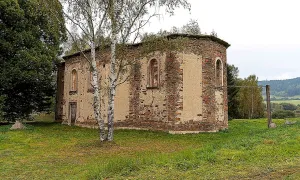
Today, Štědrý hrádek stands as a protected cultural monument, offering visitors a glimpse into medieval fortification techniques and the turbulent history of Bohemia. The site's unique integration with natural rock formations provides an intriguing perspective on historical architecture. While much of the original structure has succumbed to time, the remaining elements still convey the castle's former grandeur and strategic significance.
Visiting Štědrý hrádek is a journey into the past, where one can appreciate the ingenuity of medieval fortification and reflect on the historical narratives that unfolded within its walls. Its preservation as a cultural monument ensures that this remarkable site continues to captivate those interested in history and architecture.
Then and now
Drag the slider to compare how the landmark may have looked when it was built with the view today.
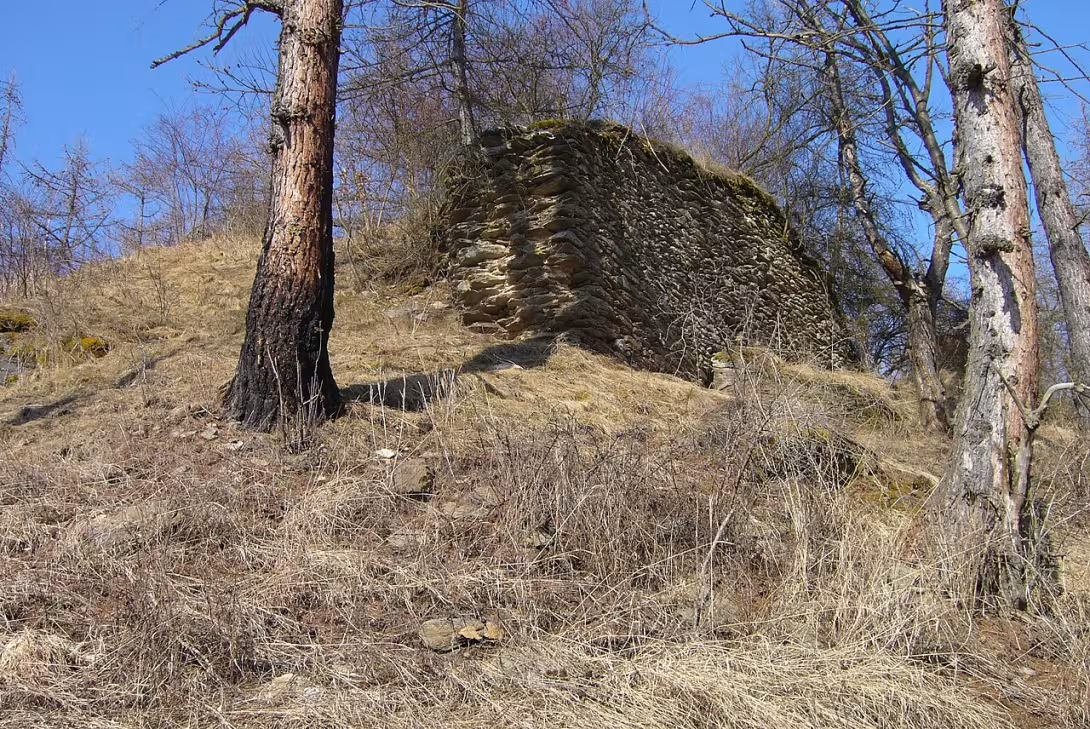
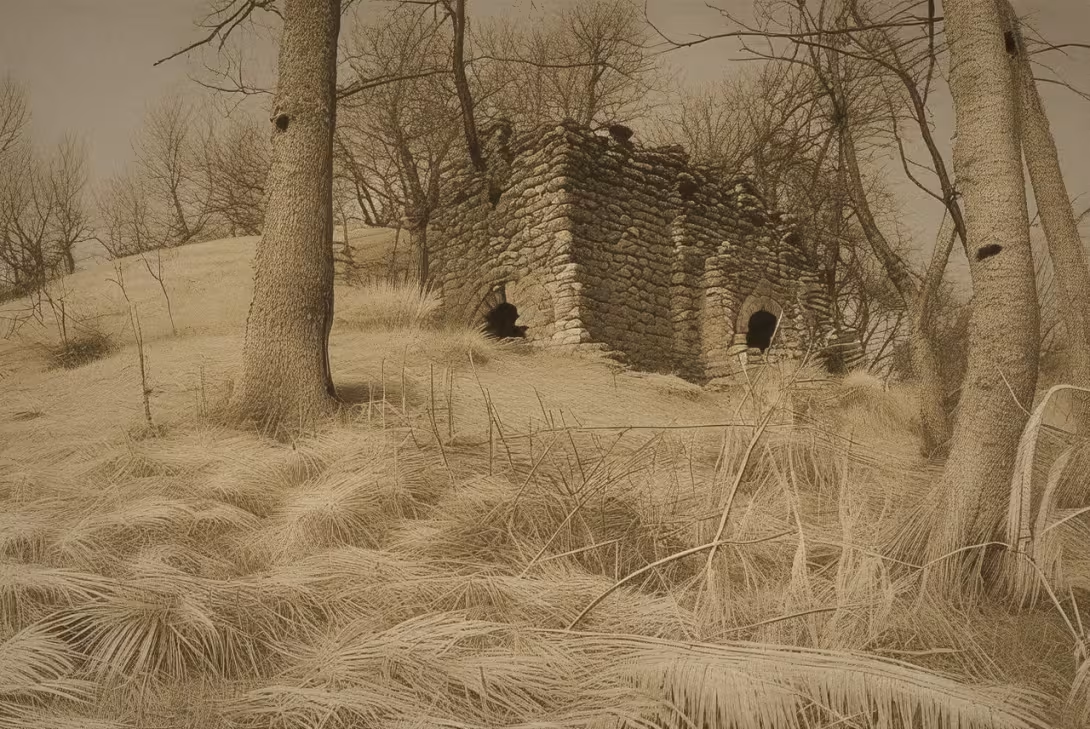
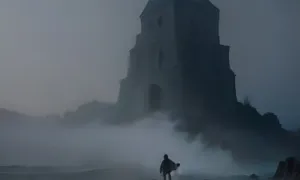
The historical appearance on the left is an AI-generated visualisation and serves as inspiration only.
Historical milestones
- 1361
- Vícemil z Borku resided at Štědrý hrádek.
- 1379
- The Rýzmburkové family purchased the castle.
- 1417
- Jindřich z Plavna seized the castle and initiated military actions against King Wenceslaus IV.
- 1418
- The castle was besieged, captured, and burned by royal forces.
- 1445
- Jakoubek and Jan z Vřesovic acquired the castle.
- 1463
- Jan z Vřesovic engaged in a legal dispute over the castle with Anežka z Valdeka.
- 1488
- Jan z Gutštejna became the owner of the castle.
- 1506
- Jan z Plavna purchased the castle and integrated it into the Prohořský hrádek estate.
Architectural development
Štědrý hrádek was constructed using a massive rock outcrop as its main defensive feature. The castle included a two-story stone palace and a large front wall, with remnants of mortar indicating the original structure on top of the rock. In the 15th century, it was expanded to include new forecourts with advanced fortifications.
Historical events
1417: Jindřich z Plavna seized the castle and led military actions against King Wenceslaus IV.
1418: The castle was besieged, captured, and burned by royal forces.
1445: Purchased by Jakoubek and Jan z Vřesovic.
1506: Acquired by Jan z Plavna, who integrated it into the Prohořský hrádek estate.
Owners
Vícemil z Borku (1361)
Rýzmburkové (1379)
Jindřich z Plavna (1417)
Vilém Bukovina z Pnětluk (post-1418)
Zikmund Lucemburský
Jakoubek a Jan z Vřesovic (1445)
Anežka z Valdeka (1463–1465)
Jan z Gutštejna (1488)
Jan z Plavna (1506)
Points of interest
– One of the lesser-known aspects of Štědrý hrádek is its innovative use of natural rock formations as part of its defensive structures, a unique feature among medieval castles in Bohemia. This integration with nature makes it an exceptional example of how geography was leveraged for military advantage.
– Interestingly, despite being burned down by royal forces in 1418, Štědrý hrádek was restored under the permission of King Zikmund Lucemburského, showcasing its continued strategic importance even after significant destruction. This resilience highlights its value and the determination to maintain control over such a pivotal site.
– A curious historical tidbit is that the castle's ownership changed hands multiple times in the 15th century, with notable figures like Jakoubek and Jan z Vřesovic acquiring it in 1445. The frequent changes reflect the turbulent political landscape of the time, where noble families vied for power and influence.
– One intriguing architectural detail is the existence of a cistern carved into the rock, six meters deep, which served as a crucial water supply during sieges. This adaptation showcases the castle's preparedness for prolonged military engagements and its self-sufficiency in challenging times.
– Despite its eventual decline, Štědrý hrádek was integrated into the Prohořský hrádek estate by 1506 under Jan z Plavna, indicating a strategic consolidation of properties. This move reflects broader trends in land management among Bohemian nobility during that period.
Guide
This guide is narrated by a synthetic voice generated by artificial intelligence.
Show guide text
This text was created by artificial intelligence and has not been editorially reviewed. It may contain inaccuracies.
Welcome to the historic site of Štědrý hrádek, a remarkable medieval castle ruin perched on a steep cliff above Mlýnský rybník near Borek in Karlovarský kraj. As you stand here, take a moment to absorb the breathtaking view that unfolds before your eyes: rugged rock formations and lush greenery surrounding this iconic site. The air carries whispers of its storied past, inviting you on an exploration through time.
Štědrý hrádek was constructed around the mid-14th century, utilizing the natural landscape as part of its defensive strategy—an innovative approach for that era. This integration with nature makes it a fascinating variant of bergfrit-type castles and a notable example of rock castle architecture in Bohemia. The site has witnessed significant historical events, including military actions that have shaped its legacy.
As you explore this site, notice how the natural rock formations are seamlessly incorporated into the structure. These features served as formidable defensive elements, highlighting the strategic genius behind the castle's design. Although much of the original construction details remain a mystery due to the unknown architects, the remnants speak volumes about medieval ingenuity and adaptation to the environment.
Throughout its history, Štědrý hrádek has been home to several notable figures who played pivotal roles in its story. In 1361, Vícemil z Borku resided here, marking the beginning of its documented history. By 1379, the Rýzmburkové family had purchased the castle, adding their chapter to its tale. The year 1417 saw Jindřich z Plavna seize the castle and initiate military actions against King Wenceslaus IV—a bold move that led to a dramatic siege in 1418 by royal forces. After this event, Vilém Bukovina z Pnětluk took control of the site.
In 1445, Jakoubek and Jan z Vřesovic acquired Štědrý hrádek, further entwining it with Bohemian nobility. By 1463, a legal dispute over ownership arose between Jan z Vřesovic and Anežka z Valdeka, adding another layer of intrigue to its history. The castle continued to change hands through the years, with figures like Jan z Gutštejna in 1488 and Jan z Plavna in 1506 leaving their mark.
One intriguing aspect of Štědrý hrádek is how it cleverly used natural rock formations as part of its defenses. This unique feature sets it apart from other medieval castles in Bohemia, making it an exceptional example of leveraging geography for military advantage. The castle's history is a testament to the strategic importance of location and design in medieval warfare.
As you conclude your visit, take a moment to reflect on the stories that echo through this ancient site. Štědrý hrádek invites you to delve deeper into its mysteries and imagine the lives that once unfolded here. We encourage you to continue exploring the surrounding area, where more tales of history await discovery.
Thank you for joining us on this journey through time at Štědrý hrádek. May your exploration be filled with wonder and curiosity as you uncover the layers of history embedded in these ancient stones. Safe travels!
Tips for visitors
The best time to visit Štědrý hrádek is during late spring or early fall when the weather is mild, and the natural surroundings are particularly vibrant. During these seasons, you can enjoy pleasant temperatures for exploring the ruins without the crowds that often accompany peak summer months. The autumn foliage adds a picturesque backdrop to your visit, while spring offers blooming flora around the site.
Public transport is also available; however, it's advisable to check current routes and schedules in advance using an online search tool or local travel apps. The site is accessible by foot from these points, providing a scenic walk through the surrounding landscape.
When visiting Štědrý hrádek, consider bringing comfortable walking shoes as you'll be navigating uneven terrain around the ruins. A hat and sunscreen are recommended for sun protection during your visit. Additionally, carrying water and snacks will help keep you hydrated and energized throughout your exploration of the site.
For photography enthusiasts, Štědrý hrádek offers several vantage points that capture its dramatic setting atop a steep cliff. The best light is typically found in the early morning or late afternoon when shadows are longer, adding depth to your photos. The ruins themselves provide interesting textures and details for close-up shots.
Within a 30-minute drive from Štědrý hrádek, visitors can explore other historical sites such as Mlýnský rybník, which offers serene water views and opportunities for leisurely walks. These nearby attractions complement your visit by providing additional context about the region's rich history and natural beauty.
For families with children, Štědrý hrádek can be an engaging outing if planned thoughtfully. The site's open spaces are ideal for imaginative play, allowing kids to explore while learning about medieval architecture. Bringing along a picnic lunch can turn your visit into a relaxing day out in nature.
Frequently asked questions
Can the monument be visited?
This is a ruin. Such sites are often freely accessible, but some can only be visited with a guide or are closed for safety reasons. We have not verified the current situation – take care and respect any restrictions.
Where is the monument?
Location: Borek, Karlovarský kraj. The map on this page shows the exact spot.
Why is the monument protected?
It is listed in the Central List of Cultural Monuments of the Czech Republic as a cultural monument (register no. 30359/4-762).
Businesses nearby
Do you run a restaurant, accommodation, shop, museum, rental, wellness or other visitor service near this monument? Show yourself directly to the people heading to it — this is how they will see you in the app and on the web:
Nearby
Štědrý hrádek is situated on a steep cliff above Mlýnský rybník, offering scenic views of the surrounding landscape. The area includes natural features and other historical sites within a 5 km radius.
Accommodation nearby
Trips and activities nearby
Guided tours, tickets and activities nearby from GetYourGuide
Affiliate link: if you buy from the partner, we may receive a commission. The price for you does not change.
Search tours and activities →Themed route
Tematická výletní trasa kolem Štědrého hrádku
1. Štědrý hrádek (zřícenina) Typ: Historická zřícenina Proč stojí za návštěvu: Štědrý hrádek, postavený v 13. století, je jedním z nejstarších hradů na území České republiky. Tato zřícenina nabízí nádherné pohledy na okolní krajinu a Mlýnský rybník, což ji činí ideálním místem pro milovníky historie i přírody.
2. Mlýnský rybník Typ: Rybník Proč stojí za návštěvu: Nacházející se pod Štědrým hrádkem, Mlýnský rybník je klíčovou součástí místního kraje. Je to místo ideální pro relaxaci a krásné fotografování, kde si můžete užít klidu a přírodních zvuků.
3. Přírodní oblast kolem Štědrého hrádku Typ: Přirozený park Proč stojí za návštěvu: Tato oblast nabízí pěkné procházky mezi divokou flórou a faunou. Je to skvělý způsob, jak se ponořit do klidné přírody a objevit místní druhy rostlin a živočichů.
4. Pohledová stanice na Štědrém hrádku Typ: Pohledové místo Proč stojí za návštěvu: Tato stanice nabízí jedinečné panoramatické pohledy na Karlovarský kraj. Je to ideální místo pro fotografování a užívání si klidu, zatímco se díváte na rozlehlou krajinu.
Tato trasa nabízí kombinaci historie, přírody a krásných pohledů, což ji činí perfektní pro celodenní výlet.
Seasonal recommendations
Spring: Visiting Štědrý hrádek during spring offers a vibrant display of wildflowers and budding trees, creating a picturesque landscape that enhances the mystique of this historical ruin. The soft, diffused light of early mornings or late afternoons provides an ideal setting for photography, capturing the harmonious blend of nature and history. As the weather can be unpredictable with occasional rain showers, it's advisable to wear layers and bring waterproof footwear. Early visits are recommended to avoid larger crowds that gather as the season progresses.
Summer: The summer months at Štědrý hrádek are characterized by lush greenery and warm sunshine, making it a perfect time for exploring the extensive grounds of the ruin. Long daylight hours allow for extended sightseeing, but visitors should plan their visit early in the morning or later in the afternoon to escape the midday heat and peak tourist traffic. Comfortable walking shoes, sun protection such as hats and sunscreen, and plenty of water are essential. The vibrant atmosphere is ideal for picnics amidst nature, offering a serene experience.
Autumn: Autumn transforms Štědrý hrádek into a stunning tapestry of reds, oranges, and yellows, with the changing leaves providing a breathtaking backdrop to the historic site. This season offers a more tranquil visit as it falls outside the peak tourist season, allowing for a quieter exploration of the ruins. The crisp air and cooler temperatures make it comfortable for walking and photography. Visitors should dress in layers and consider bringing a light jacket or sweater, especially towards the end of the day when temperatures can drop.
Winter: Winter at Štědrý hrádek presents a serene and atmospheric experience, with snow-covered ruins offering a unique perspective on this historical site. The shorter days mean that visits should be planned for daylight hours, ideally in the morning to make the most of the limited light. The winter landscape can be enchanting but requires visitors to dress warmly in layers, wear sturdy boots, and bring gloves and hats to stay comfortable during their visit. While some paths may be less accessible due to snow or ice, the quietness of the site provides a peaceful exploration opportunity.
Visualizations and artistic views


The visualisations are generated by artificial intelligence and serve as inspiration.
Photos from the area
Real photos taken near the monument

Zdroj a licence jsou uvedeny u každého snímku.
Tips from visitors
No tips yet. Be the first!
Log in and add your tip.
Sources and literature
Photos: Salim2 / CC BY-SA 3.0 — Wikimedia Commons. The author and licence also appear when you hover over the image.
Faktickým podkladem tohoto textu byl článek na Wikipedii, jehož autory jsou přispěvatelé Wikipedie. Článek je dostupný pod licencí CC BY-SA 4.0.
Location on the map
Příběhy a pověsti
Legendy, pověsti a příběhy spjaté s touto památkou
Fotografie návštěvníků
Zatím žádné fotografie. Buďte první, kdo přidá fotografii z návštěvy!
Log in a přidejte svou fotografii nebo hodnoťte.
Za ověřenou návštěvu v aplikaci získáte víc bodů — poznáme podle GPS, že jste na místě.
Reviews and comments