



Strahovská knihovna Monastic library
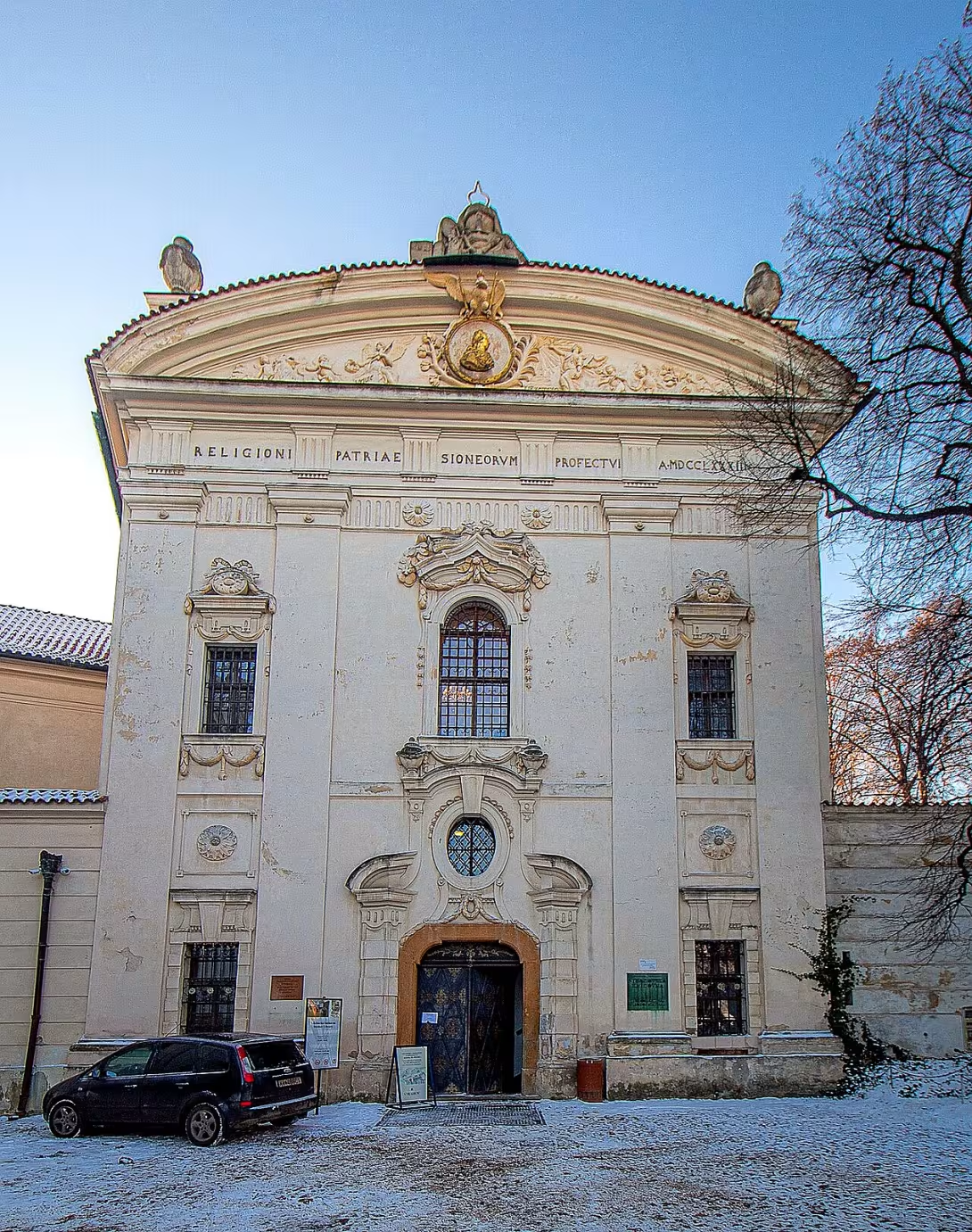
Strahovská Knihovna is a historic monastic library located in Prague's Hradčany district, within the grounds of Strahov Monastery. Established alongside the monastery in 1143 by the Premonstratensian Canons Regular at Strahov, it stands as one of Europe’s oldest and most significant libraries. The library is renowned for its extensive collection of over 200,000 volumes, including more than 3,000 manuscripts and 1,500 incunabula, reflecting its long-standing role in the intellectual life of Bohemia.
The origins of Strahovská Knihovna date back to the early 12th century when monastic communities were pivotal centers of learning. Founded concurrently with the monastery in 1143, it has endured numerous historical challenges, including fires and political upheavals, which have shaped its development over the centuries. The library's evolution mirrors broader European trends during the Baroque era, characterized by ornate detail and grandeur.
Architecturally, Strahovská Knihovna underwent significant transformations. The Theological Hall, constructed between 1671 and 1674 under Giovanni Domenico Orsi’s design, features frescoes by Siard Nosecký from 1721 to 1727. Later, the Philosophical Hall was completed from 1783 to 1785 with a new façade designed by Ignác Jan Palliardi and sculptures by Ignác František Platzner. The hall's ceiling fresco, depicting spiritual development, was painted in 1794 by František Antonín Maulbertsch, showcasing the artistic prowess of the period.
Ownership and administration of the library have seen dramatic changes over time. After its establishment, it became part of the National Literary Monument post-1950 but returned to the Premonstratensians after 1989. Throughout its history, notable figures such as Jan Lohelius and Jeroným Hirnhaim contributed to its development, ensuring its survival through various adversities.
Key events in the library's history include the construction of significant architectural elements like the Theological Hall and the Philosophical Hall. Additionally, it houses Strahovský Evangeliář, a manuscript dating back to around 860, highlighting its rich historical significance. A cabinet of curiosities within one of the connecting corridors served as an early precursor to museums, adding another layer of intrigue to the library's history.
Today, Strahovská Knihovna remains a vital cultural and intellectual hub. It continues to expand its collection through donations and acquisitions while offering access to both historical and contemporary literature. Visitors can explore its two main halls—the Theological Hall with its intricate frescoes and the Philosophical Hall adorned by Maulbertsch’s ceiling masterpiece—making it an enriching experience for those interested in history, architecture, and art.
Strahovská Knihovna is not only a testament to the enduring legacy of monastic scholarship but also a treasure trove of historical artifacts and architectural beauty. Its rich collection and storied past make it a must-visit destination for anyone exploring Prague's cultural heritage.
Then and now
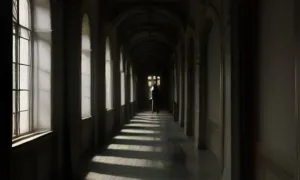
Drag the slider to compare how the landmark may have looked when it was built with the view today.
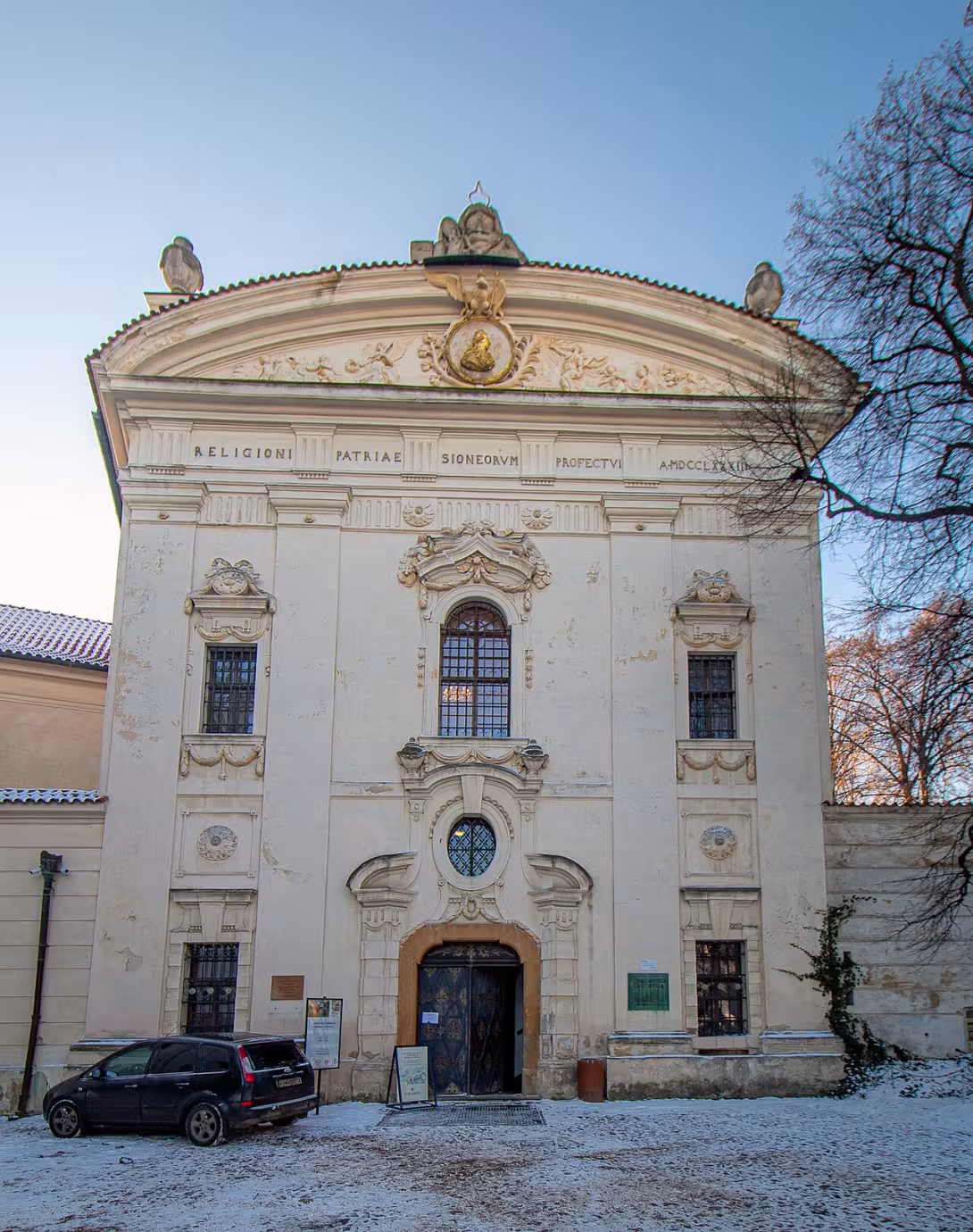

The historical appearance on the left is an AI-generated visualisation and serves as inspiration only.
Historical milestones
- 1143
- Knihovna was established with the founding of the monastery.
- 1671-1674
- Construction of the Theological Hall under Giovanni Domenico Orsi's design.
- 1783-1785
- Completion of the Philosophical Hall, incorporating furnishings from Louka near Znojmo.
Architectural development
Strahovská knihovna underwent significant architectural development over the centuries. The Theological Hall was built between 1671 and 1674, featuring frescoes by Siard Nosecký from 1721 to 1727. Later, the Philosophical Hall was constructed between 1783 and 1785 with a new façade designed by Ignác Jan Palliardi and sculptures by Ignác František Platzner. The hall's ceiling fresco, depicting spiritual development, was painted in 1794 by František Antonín Maulbertsch.
Historical events
Established in 1143 alongside the founding of the monastery.
The Theological Hall was constructed between 1671 and 1674 under Giovanni Domenico Orsi's design.
The Philosophical Hall was completed from 1783 to 1785, incorporating furnishings from a dissolved Premonstratensian monastery in Louka near Znojmo.
Owners
Founded in 1143 by Premonstratensian Canons Regular at Strahov; integrated into the National Literary Monument post-1950; returned to Premonstratensians after 1989.
Points of interest
- The Strahovská Knihovna houses the Strahovský Evangeliář, a manuscript dating back to around 860, making it one of the oldest manuscripts in its collection and highlighting the library's deep historical roots.
- A cabinet of curiosities located within a connecting corridor at Strahovská Knihovna served as an early precursor to modern museums, showcasing a wide array of intriguing objects that captivated visitors' imaginations long before formal museum institutions existed.
- The Philosophical Hall's ceiling fresco by František Antonín Maulbertsch, completed in 1794, is renowned for its depiction of spiritual development and artistic mastery, reflecting the intellectual ambitions of the Baroque period.
- Despite numerous historical challenges such as fires and political upheavals, Strahovská Knihovna has preserved its collection through the contributions of notable figures like Jan Lohelius and Jeroným Hirnhaim, who played crucial roles in safeguarding the library's treasures over centuries.
- After being part of the National Literary Monument post-1950, Strahovská Knihovna returned to the Premonstratensians following the political changes of 1989, marking a significant shift in its ownership and administration that reflects broader historical transformations in Czechoslovakia.
Guide
This guide is narrated by a synthetic voice generated by artificial intelligence.
Show guide text
This text was created by artificial intelligence and has not been editorially reviewed. It may contain inaccuracies.
The Strahov Library belongs to the Royal Canonry of Premonstratensians at Strahov and is located in the courtyard of the Strahov Monastery on Prague's Hradčany. Its historical collection comprises over 200,000 volumes. Among them are over 3,000 manuscripts and 1,500 incunabula, which are stored in a special depository.
The monastery had books from its foundation in 1143. However, the library did not develop continuously, because the monastery was struck by numerous disasters over the centuries that did not spare the books either. The oldest volume is the Strahov Evangeliary, which was created around 860 in Tours in France. In 2011 and 2012, a facsimile of it was made.
Under Abbot Jan Lohel, the library received its own wing, which today contains the monastery's refectory and kitchen. The oldest of today's rooms is the Theological Hall. It was created in the 1670s under Abbot Jeronýmus Hirnhaim according to a design by and under the direction of Giovanni Domenico Orsi. The ceiling frescoes in it were painted between 1721 and 1727 by the Strahov Premonstratensian Siard Nosecký. The hall mainly preserves theological literature and various editions of the Bible fill most of its northern wall.
It is connected to the larger Philosophical Hall by a connecting corridor. This too serves as a library. At its end is a cabinet of curiosities, a predecessor of later museums. Remarkable natural specimens such as shells or stuffed animals are displayed in glass cabinets here.
The Philosophical Hall was created at the initiative of Abbot Mayer in 1783 to 1785 by converting an original granary. The new façade was designed by Ignác Jan Palliardi and the sculptures were created by Ignác František Platzer. The vaulted hall measures approximately 10 by 32 meters, extends over two stories and is encircled by a gallery roughly halfway up its height. In 1792 it was adapted for the furniture of the library of the dissolved Premonstratensian monastery in Louka near Znojmo. That was ceremonially opened in 1778. The cabinets were once made by carpenter Jan Lahofer from Tasovice. With his assistants, he then disassembled them and reassembled them in Prague. The ceiling fresco with the theme of humanity's spiritual development was painted in 1794 by František Antonín Maulbertsch with his student Martin Michl. Maulbertsch had created a very similar fresco earlier in Louka.
After 1950, the library became part of the Monument of National Literature. After 1989 it returned to the Premonstratensians along with the monastery. Today it also has a reading room with new theological and encyclopedic literature, its collection continues to grow, and the library publishes its own publications. Several members of the Strahov community are directly involved in its operation.
Tips for visitors
The best time to visit Strahovská knihovna is during the late spring or early fall months, when the weather is pleasant for walking around Prague's Hradčany district and exploring nearby sites like Prague Castle. These seasons offer a comfortable climate that enhances your experience of both the library and the surrounding historical attractions.
For transportation to Strahovská knihovna, visitors can use public transport or drive to the area. Public transport is often a convenient choice given the city's efficient network.
When planning your visit, consider bringing comfortable walking shoes as you'll likely explore more than just the library itself. A camera is also recommended to capture the stunning architecture and serene atmosphere of Strahov Monastery. For photography enthusiasts, early morning or late afternoon light provides a soft glow that beautifully highlights the interior details.
Nearby attractions within a 30-minute walk include Prague Castle, offering panoramic views of the city, and the Church of St. Thomas, known for its impressive architecture and historical significance. These sites complement your visit to Strahovská knihovna by providing additional cultural insights into Prague's rich history.
For families with children, Strahov Monastery offers a peaceful environment that is both educational and engaging. The library itself might appeal more to older children interested in history or architecture. However, the monastery grounds are spacious for exploration, and nearby attractions like Prague Castle have areas designed to captivate younger visitors.
Frequently asked questions
Can the monument be visited?
Religious buildings are usually open mainly during services; at other times a visit is normally arranged with the parish or the operator. We have not verified specific times.
Where is the monument?
Location: Praha, Hlavní město Praha. The map on this page shows the exact spot.
Why is the monument protected?
It is listed in the Central List of Cultural Monuments of the Czech Republic as a national cultural monument. It is protected as part of a larger listed ensemble.
Businesses nearby
Do you run a restaurant, accommodation, shop, museum, rental, wellness or other visitor service near this monument? Show yourself directly to the people heading to it — this is how they will see you in the app and on the web:
Events nearby

Zdroj akcí: otevřená data měst a obcí ČR (Národní katalog otevřených dat) a kalendář akcí Národního památkového ústavu.
Nearby
Strahovská knihovna is situated within the grounds of Strahov Monastery in Prague's Hradčany district, near other historical sites such as Prague Castle and the Church of St. Thomas.
Accommodation nearby
Trips and activities nearby
Guided tours, tickets and activities nearby from GetYourGuide
Affiliate link: if you buy from the partner, we may receive a commission. The price for you does not change.
Search tours and activities →Themed route
Tematická výletní trasa Strahovská knihovna
1. Strahovská knihovna (Klášterní knihovna)
Typ: Historická památka
Stojí za návštěvu pro své bohaté sbírky, které zahrnují jedny z nejcennějších rukopisů a starožitností v České republice. Knihovna je známá svým architektonickým krásou a historickým významem, nabízející návštěvníkům pohled na tisíciletou kulturní tradici.
2. Strahovský klášter
Typ: Klášterní komplex
V blízkosti knihovny se nachází samotný Strahovský klášter, který stojí za návštěvu pro svou historii a architekturu. Založen v 12. století, je to jedna z nejstarších benediktinských osad na území dnešní České republiky. Klášter nabízí pohledy na jeho nádherné interiéry a výhledy z okolního terénu.
3. Kostel Panny Marie Sněžné
Typ: Kostel
Tento kostel je součástí klášterního areálu a stojí za návštěvu pro svou výjimečnou gotickou architekturu. Je známý jako "malý Chartres" díky svému bohatému dekorativnímu umění, včetně fresk a soch. Kostel nabízí návštěvníkům pohled na jedinečné historické prvky.
4. Kaple Panny Marie Sněžné
Typ: Kaple
Nachází se v blízkosti kostela a stojí za návštěvu pro svou krásnou gotickou architekturu a historické fresky. Kaple je známá jako místo, kde byl nalezen obraz Panny Marie Sněžné, což přispívá k jejímu duchovnímu významu.
5. Strahovské nádvoří
Typ: Nádvoří
Toto místo je ideální pro relaxaci a poslední pohled na klášterní komplex. Strahovské nádvoří nabízí výhledy na okolní historickou architekturu a přírodní krásu, což je dokonalé místo pro pochopení celkového kontextu kláštera.
Tato trasa nabízí návštěvníkům pohled na bohatou historii a architekturu Strahovské knihovny a jejího okolí, zatímco se ponořují do duchovního a kulturního dědictví klášterního komplexu.
Seasonal recommendations
Spring: Visiting Strahov Monastery Library during spring offers a unique experience as the surrounding gardens and pathways begin to bloom, creating a picturesque setting that enhances the historical ambiance of the site. The soft, natural light filtering through budding trees adds a serene glow to the library's ancient interiors. This season is ideal for those who appreciate nature’s subtle beauty without overwhelming crowds. To make the most of your visit, consider coming on a weekday morning when the gardens are at their freshest and before larger groups arrive. Dress in layers as temperatures can fluctuate, ensuring comfort during both indoor exploration and outdoor strolls.
Summer: Summer is the peak season for visiting Strahov Monastery Library, with its lush surroundings offering vibrant greenery that complements the historic architecture. The long daylight hours provide ample opportunity to explore both inside and out, though it's wise to arrive early to avoid larger crowds attracted by the pleasant weather. During this time, the library can be quite busy, especially on weekends, so planning ahead is crucial. Light, breathable clothing is recommended for comfort during your visit, and carrying a hat or sunglasses can help protect against the sun while you admire both the monastery's history and its scenic views.
Autumn: Autumn brings a magical atmosphere to Strahov Monastery Library as the leaves change color, creating a stunning backdrop of reds, oranges, and yellows. The cooler temperatures make for a comfortable exploration of the library’s interiors without the summer heat. This season is particularly appealing for photography enthusiasts looking to capture the monastery in its seasonal splendor. As daylight hours shorten, it's advisable to visit earlier in the day to fully enjoy both the natural beauty outside and the rich history within. A light jacket or sweater will keep you cozy as you wander through this enchanting setting.
Winter: Winter transforms Strahov Monastery Library into a serene retreat with its snow-covered grounds offering a quiet, almost mystical atmosphere. The shorter days mean that visits are best planned for mid-morning to ensure enough daylight to appreciate the library's architecture and artistry. During this time, the monastery is less crowded, providing a peaceful environment for reflection and exploration. Due to the cold temperatures, dressing warmly in layers is essential, along with comfortable footwear for navigating potentially icy paths. The winter light casts soft shadows within the library, adding an ethereal quality that enhances its historical charm.
Visualizations and artistic views


The visualisations are generated by artificial intelligence and serve as inspiration.
Photos from the area
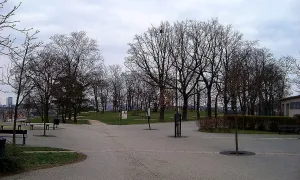
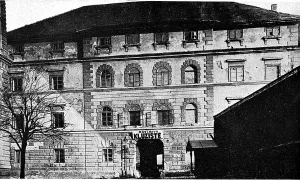
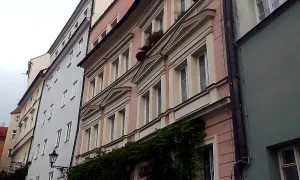
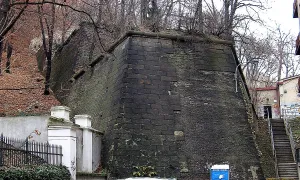
Real photos taken near the monument


Zdroj a licence jsou uvedeny u každého snímku.
Tips from visitors
No tips yet. Be the first!
Log in and add your tip.
Sources and literature
Photos: VitVit / CC BY-SA 4.0 — Wikimedia Commons. The author and licence also appear when you hover over the image.
Faktickým podkladem tohoto textu byl článek na Wikipedii, jehož autory jsou přispěvatelé Wikipedie. Článek je dostupný pod licencí CC BY-SA 4.0.
Location on the map
Příběhy a pověsti
Legendy, pověsti a příběhy spjaté s touto památkou
Fotografie návštěvníků
Zatím žádné fotografie. Buďte první, kdo přidá fotografii z návštěvy!
Log in a přidejte svou fotografii nebo hodnoťte.
Za ověřenou návštěvu v aplikaci získáte víc bodů — poznáme podle GPS, že jste na místě.
Reviews and comments