






Střela Castle
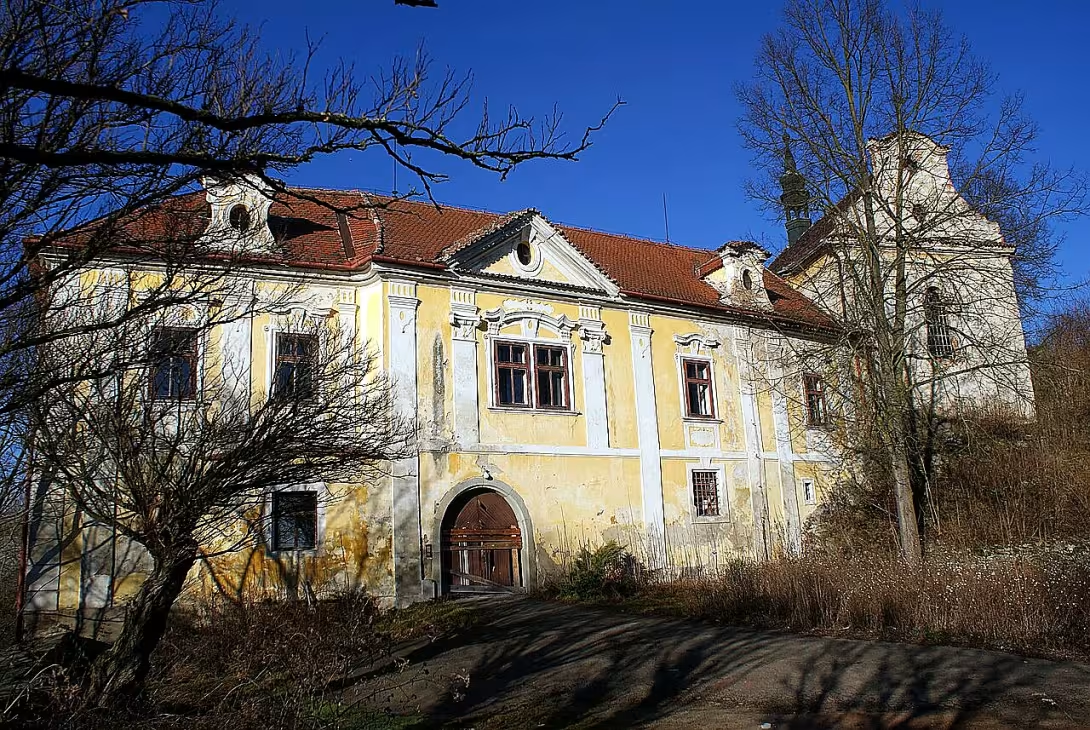
Střela was probably founded by the Bavarians of Strakonice. The first written mention dates back to 1242, but it is uncertain whether it relates directly to the castle. The castle is reliably mentioned since 1318, when it was owned by Bleh ze Střely, which the descendants owned until the end of the fourteenth century.
In 1393 Mikuláš obtained it from Landštejn, whose family was владел estate until the second half of the 15th century. The sons of Nicholas, during the Hussite wars, leaned towards the Hussites. In 1464 the manor was taken over by Lev of Rožmitál and secured a reconstruction of the castle. At the end of the 15th century it was owned by Půta Švihovský z Rýzmberka, in 1514 it was bought by Václav Kraselovský z Kraselova, which started the Renaissance reconstruction. After his death in 1544 he crossed the castle to Wenceslas from Leskovec.
The descendants of Václav of Leskovec later exchanged it with Boubinski of Újezda for oak. During the state uprising, the castle was plundered by the army of Martin de Hoeff- Huerta and the property fell to the crown. In 1623 it was purchased by Libštejnští z Kolovrat, but in 1645 it was burned by Swedish troops. Václav Libstein bequeathed the estate to the Jesuits.
Since 1661, the Jesuit college from Klatov Castle has managed and rebuilt the Baroque castle. After the cancellation of the order in 1773 it belonged to the study fund, in 1777 it was bought by the superintendent Josef Kraus of Strakonice. In the 19th century it belonged to the descendants of Erasma Obst and underwent repair. Several owners were replaced between 1889 and 1948. After the communist coup was nationalized, during the second half of the 20th century there was a boarding school and later an archive. After the Velvet Revolution, it was returned to its owners and inhabited until 2006.
Střela is built-in two-piece, consisting of the above-laid castle core surrounded by a boulder and a moat and the below-laid forefront. A substantial part of the perimeter wall has been preserved from the core, which shows a long development. According to the remains and historical drawings, the core was the palace wing and square living tower. From the Middle Ages also comes a well and cellars cut out in a rock. During the Baroque Jesuits buried part of the ditch and built the Baroque chapel of St. John the Baptist. The castle has a ground plan in the form of a letter D, the other wings close the yard with arcades.
In 2006, Hana Meindl's owner sold the castle to a Latvian businessman who had it lost. The building became the target of thieves and squatters, the roof was damaged by wind. In 2017 it was purchased by Evžen Potnčíř, a presenter of the occupational medicine clinic of the Faculty Hospital of the Royal Vinohrad. He's secured it and is planning a reconstruction. The castle and the remains of the castle remain inaccessible - the area is fenced. It is surrounded by a red marked tourist route from Strakonice to Katowice.
Then and now
Drag the slider to compare how the landmark may have looked when it was built with the view today.
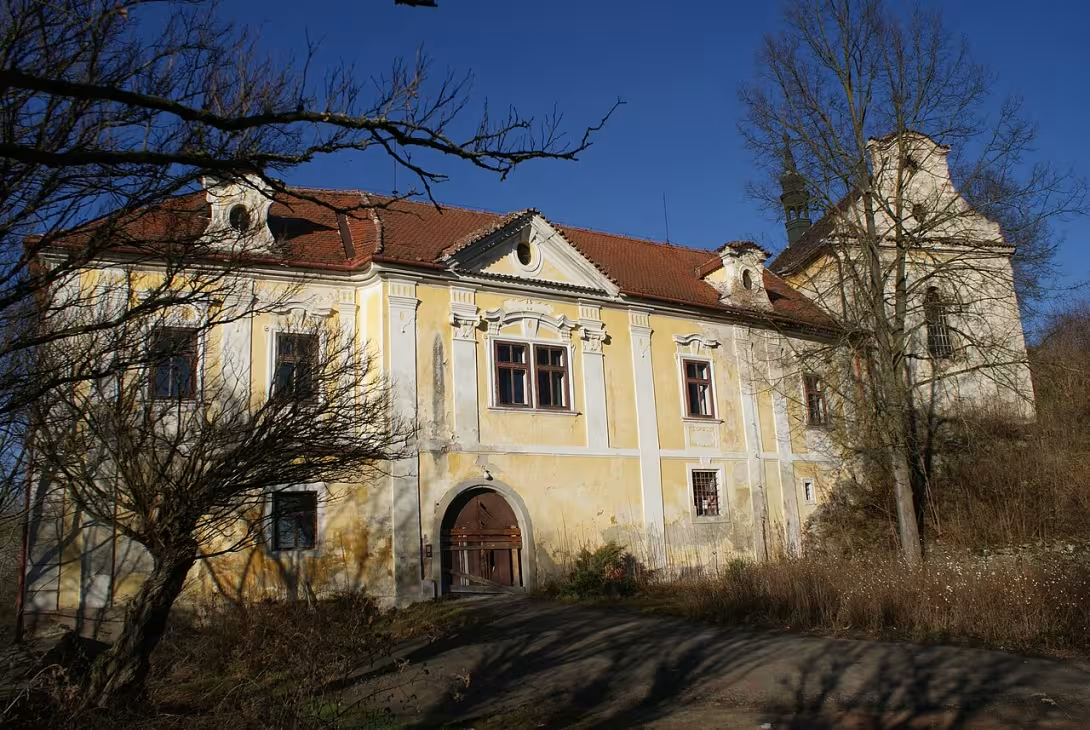
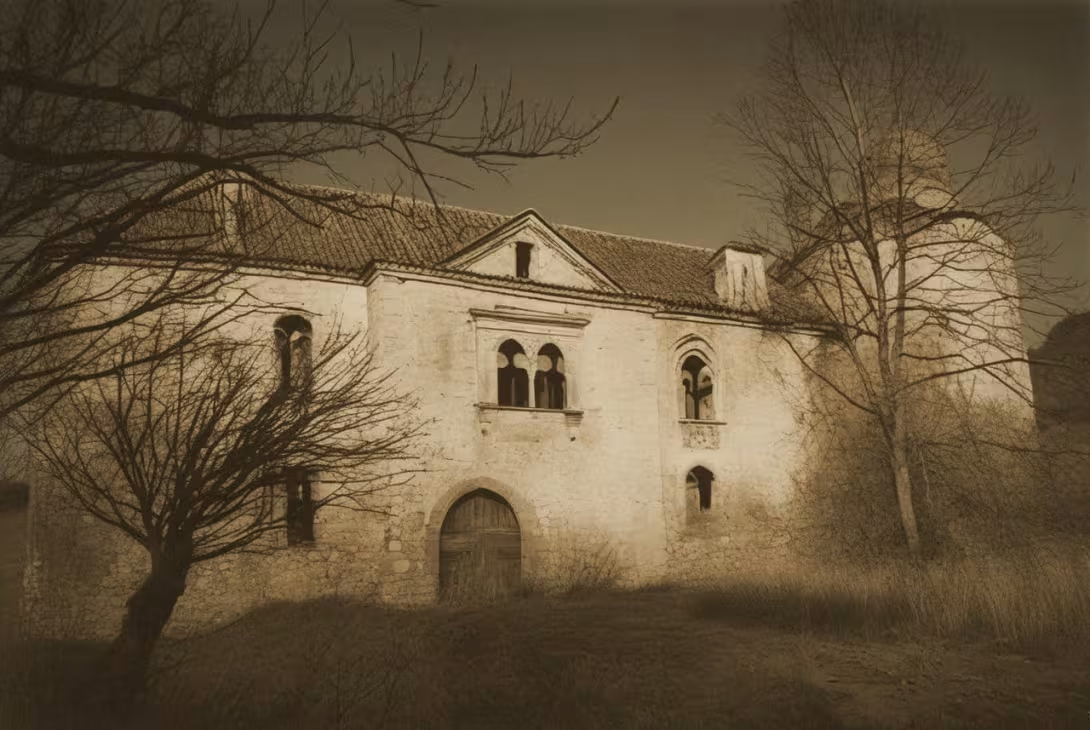
The historical appearance on the left is an AI-generated visualisation and serves as inspiration only.
Historical milestones
- 1242
- First mention of the castle
- 1318
- Bleh ze Střely as owner
- 1393
- Mikuláš z Landštejna a Borotína as new owner
Architectural development
The castle was originally a two-piece castle with a castle core and a dam. During the 30-year war, the ravaged castle was rebuilt into a castle in the Baroque era, which has a ground plan in the shape of the letter D and contains the Baroque chapel of St. John the Baptist.
Historical events
- 1242
- 1645
- 1661
Owners
- 13th century
- 1318
- 1393- 15th century
- end of the 15th century
- 1514
- 1544
- before 1623
- 1623-1645
- 1661-1773
- 1777
Points of interest
- Střela was probably founded by members of the Bavarian family from Strakonice.
- The first written mention of the castle dates back to 1318 when it was owned by Bleh ze Střely.
- In 1464 the manor was taken over by Lev of Rožmitál and secured the reconstruction of the castle.
- In 1661 Jesuit college from Klatov Castle managed and converted to a Baroque castle.
- The castle has a ground plan in the form of a letter D, the other wings close the yard with arcades.
Guide
This guide is narrated by a synthetic voice generated by artificial intelligence.
Show guide text
This text was created by artificial intelligence and has not been editorially reviewed. It may contain inaccuracies.
Střela is a castle ruin situated above the village of the same name, approximately four kilometers west of Strakonice. It stands on a solitary hilltop on the left bank of the Otava River, at an elevation of four hundred and twenty-five meters. The outer ward was later rebuilt as a baroque château, which is protected as a cultural monument.
The castle was founded by the Bavarians from Strakonice. The first mention of Střela dates from twelve forty-two, but it is uncertain whether this refers directly to the castle. The castle is reliably documented from thirteen eighteen, when it belonged to Bleh of Střela. In thirteen ninety-three the new owner became Mikuláš of Landštejna and Borotína. His sons sided with the Hussites during the Hussite Wars. In fourteen sixty-four Lev of Rožmitálu acquired the estate, and during his sons' time the castle was rebuilt. In fifteen fourteen the castle was purchased by Václav Kraselovský of Kraselova, who apparently initiated a Renaissance renovation.
Later the castle belonged to the Boubín family of Újezda. During the Estates' Uprising, the army of Martin de Hoeff-Huerty plundered it, and the Boubíns' property was confiscated. In sixteen twenty-three the estate was purchased by the Libštejnský family of Kolovrat. In sixteen forty-five the castle was burned by the Swedes. Václav Libštejnský of Kolovrat then bequeathed the estate to the Jesuits.
From sixteen sixty-one, the damaged castle was administered by the Klatov Jesuit college, which had it rebuilt as a baroque château. The Jesuits filled in part of the moat in front of the castle core and built the chapel of Saint John the Baptist in its place. The château with its chapel has a floor plan in the shape of the letter D. The wings enclose a courtyard lined with arcades, and the entrance to the château is through a vaulted passage in the eastern wing.
The original castle had a higher situated core surrounded by an earthwork and a wide moat, and a lower situated outer ward. From the core, a substantial portion of the perimeter wall has survived. It consisted of several palace wings and a square residential tower. From the medieval period, a well has apparently survived, and possibly also cellars hewn from rock.
After the Jesuit order was abolished in seventeen seventy-three, the château changed hands several times. After nineteen forty-eight it was nationalized and housed a special school with a dormitory, and later an archive. After the Velvet Revolution it returned to its original owners, who sold it in two thousand and six. The château then fell into disrepair, thieves stole from it, and wind damaged the roof. In two thousand and seventeen it was purchased by physician Evžen Hrnčíř, who secured it and plans a reconstruction.
Tips for visitors
The best time to visit the castle Střela is spring and autumn, when natural views are the most beautiful and the weather is usually quiet. In addition, in these months you will avoid the summer sun, which may be too strong for long tours.
The current route and connection options can be found on local carriers' websites.
When visiting the Střela Castle, it is a good idea to bring shoes suitable for walking on uneven terrain, sunglasses and protective clothing. Also remember the water and refreshments, because the public facilities at the castle are not available.
The best place for photography is at the sunrise, when light is projected through old walls and trees. The most beautiful view of the castle offers a perspective from Otava towards the castle design. Photography is also possible in the quiet hours of morning or evening.
In the vicinity of the Bullets, which can be reached by walking or cycling within 30 minutes, there is a natural park Český kras. It is an ideal place for families with children to know local geological formations and waterfalls. There is also the possibility to visit the historical location Hluká nad Vltavou, which offers visitors parks and cultural programs.
Frequently asked questions
Can the monument be visited?
Some buildings of this kind are open for guided tours, others serve another purpose or are privately owned. We have not verified whether and when this monument is open – please ask the operator. According to the heritage register the structure is in poor condition – do not enter it and take care nearby.
What are the opening hours and admission?
We have not verified the opening hours or admission. Current information is published by the operator.
Where is the monument?
Location: Střela č.p. 1, Strakonice, Jihočeský kraj. The map on this page shows the exact spot.
Why is the monument protected?
It is listed in the Central List of Cultural Monuments of the Czech Republic as a cultural monument (register no. 21288/3-3987).
For kids
Imagine going back to the past and appearing at the foot of the hill, where today stands the ruins of castle Střela. It's like a game where you're a hero and you discover the secrets of the past.
There was a network of cottages and closets where people lived and managed the land. They were people who fed on agriculture, pastures and the production of vessels and tools. It was a good time when people focused on their families and communities.
Businesses nearby
Do you run a restaurant, accommodation, shop, museum, rental, wellness or other visitor service near this monument? Show yourself directly to the people heading to it — this is how they will see you in the app and on the web:
Nearby
about four kilometers west of Strakonice
Accommodation nearby
Themed route
Thematic cruise route castle Střela
1. Castle Střela * Type: * Historical lock * Why is it worth a visit: * Castle Střela is a unique architectural monument with a rich history dating back to the 14th century. Its Baroque interiors and beautiful gardens offer visitors a view of the past and an opportunity to explore the historical lifestyle.
2. Chapel by the castle * Type: * Chapel * Why is it worth a visit: * This picturesque chapel is an ideal place for calm and reflection, allowing visitors to relax after exploring the castle. Its spatial arrangement and historical importance bring a sense of calm and spiritual connection.
3. Gardens of the castle Střela * Type: * Garden * Why is it worth a visit: * The castle gardens are a beautiful example of Baroque horticultural culture, with carefully prepared flowering partridges and elegant topiars. They are an ideal place for nature walks and enjoy the beauty of garden art.
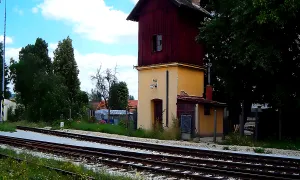
4. Water tank * Type: * Water tank * Why is it worth a visit: * This water tank is not only an aesthetic supplement to the castle, but also a place to relax and enjoy the quiet surroundings. It is an ideal place for a short break during a trip where natural sounds and views can be enjoyed.
5. Castle courtyard * Type: * * Why is it worth a visit: * The castle courtyard is the centre of the castle buildings, where you can explore the architectural look and history of this monument. It is also a place where various cultural events and events take place, offering visitors the opportunity to participate in the life of the castle.
This route offers a comprehensive view of the historical castle Střela and its surroundings, allowing visitors to explore not only the monument itself, but also its natural and cultural environment.
Seasonal recommendations
Spring: In the spring period, Střela is transformed into a green sanctuary, where flowering shrubs and trees revive the castle terraces with their diverse flower happiness. The sun rays breaking through the clouds provide a lively atmosphere that attracts nature and history lovers. For a visit it is advisable to choose the period after Easter when the crowd can pass, which allows you to explore the lost beauty more calmly. We recommend wearing clothes suitable for warm and cold days - summer and autumn can be cut. In the morning, the perfect time is when the place is even quieter.
Summer: In the summer season, Střela offers an unforgettable experience under full sun, when the wavy leaf trees and blooming grass appear to be at their peak. The castle is surrounded by living nature, which can be perfectly explored by long corridors and garden plots. For a visit in the main summer season it is advisable to go early morning or late afternoon to avoid crowds. Early arrival also means smaller fronts at the entrance. Do not forget the protective sun cream and non-stringy clothing - warm days can be intense, especially on sunny parts of the castle.
Autumn: In the autumn period, Střela offers a unique atmosphere with colours of curly leaves that add a romantic touch to historical architecture. The sunny days shine on golden and yellow leaves, creating an exciting contrast with the black and white structure of the castle. The visit during the main autumn days can be crowded, so it is advisable to choose the mild days at the beginning or end of the season. A warm coat and protective clothing are essential for comfort during cold autumn days when even slight humidity may occur.
Winter: Winter visit to the Bullet offers a calm and quiet atmosphere, where ice shapes in gardens and cold air add a mystical touch. Sunshine days may be a great opportunity to photograph the castle in bright light, but short winter days mean a limited visit time. When planning, it is advisable to leave early in the morning to examine everything before closing. Hot clothes, protective shoes and other winter clothes are essential for comfort during cold days. Watch out for shorter opening times in the winter months, which requires careful planning visits.
Visualizations and artistic views


The visualisations are generated by artificial intelligence and serve as inspiration.
Photos from the area
Real photos taken near the monument

Zdroj a licence jsou uvedeny u každého snímku.
Tips from visitors
No tips yet. Be the first!
Log in and add your tip.
Sources and literature
Photos: Feťour / CC0 — Wikimedia Commons. The author and licence also appear when you hover over the image.
Faktickým podkladem tohoto textu byl článek na Wikipedii, jehož autory jsou přispěvatelé Wikipedie. Článek je dostupný pod licencí CC BY-SA 4.0.
Location on the map

Příběhy a pověsti
Legendy, pověsti a příběhy spjaté s touto památkou

Fotografie návštěvníků
Zatím žádné fotografie. Buďte první, kdo přidá fotografii z návštěvy!
Log in a přidejte svou fotografii nebo hodnoťte.
Za ověřenou návštěvu v aplikaci získáte víc bodů — poznáme podle GPS, že jste na místě.
Reviews and comments