



Střelské Hoštice Chateau
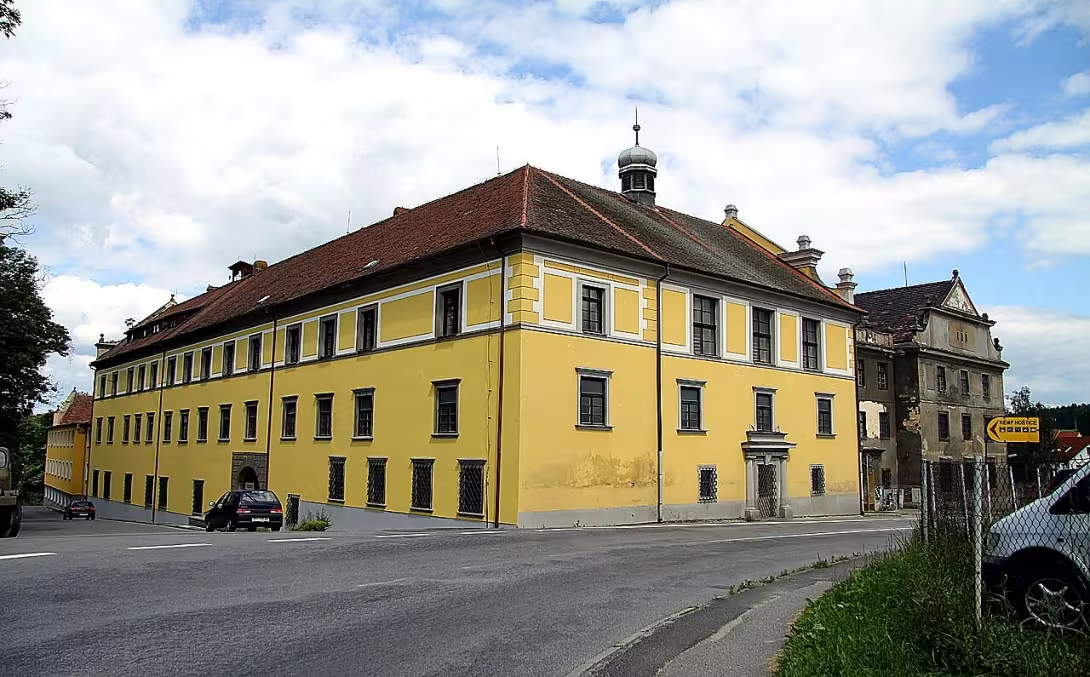
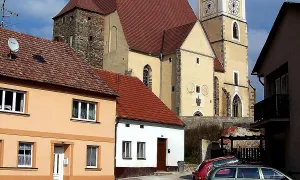
Střelské Hoštice is a captivating Baroque chateau located in the village of Střelské Hoštice within the Strakonice District of the South Bohemian Region in the Czech Republic. Originally constructed as a fortress around 1500, it later evolved into a Renaissance chateau and underwent significant Baroque renovations in the early 18th century. This transformation has shaped its current appearance, making it a cultural monument that houses the Museum of the Otava River and Rafting. The chateau's rich history and architectural evolution make it an intriguing site for visitors interested in exploring Czech heritage.
The origins of Střelské Hoštice trace back to around 1500 when it was initially built as a fortress by Kraselovští z Kraselova. During this period, Bohemia was part of the Holy Roman Empire under Habsburg rule and experienced significant political and religious changes across Europe, including the early stages of the Protestant Reformation. The chateau's transformation into a Renaissance chateau began under Šebestián Pešík z Komárova in 1569, who likely oversaw its reconstruction. Over time, ownership changed hands several times, with notable owners including Jindřich Libštejnský z Kolovrat and Václav František. In 1809, Erasmus Obst acquired the chateau following the dissolution of the Jesuit order, marking another significant change in its history.
Architecturally, Střelské Hoštice began as a fortress built around 1500. The transformation into a Renaissance chateau under Šebestián Pešík z Komárova introduced new architectural elements. However, it was the Baroque renovations in the early 18th century that significantly altered its appearance, adding distinctive Baroque features to both the economic buildings and the chateau itself. These renovations contributed to the chateau's current aesthetic, characterized by Baroque style elements.
Throughout its history, Střelské Hoštice experienced several dramatic changes in ownership and fortune. After being owned by Kraselovští z Kraselova, it passed to Šebestián Pešík z Komárova in 1569, followed by Jindřich Libštejnský z Kolovrat in 1623, and Václav František in 1654. The chateau was significantly damaged by fire in 1666 but was soon restored. In 1809, Erasmus Obst purchased it after the Jesuit order's dissolution. Ownership changed frequently until Haléřový fond dělnictva Škodových závodů acquired it in 1923.
Key events in the chateau's history include its destruction by fire in 1666 and subsequent restoration, as well as the Baroque renovations in the early 18th century. During World War II, military occupation led to significant alterations and damage to the original structure. Interestingly, remnants of sgraffito decorations on the chateau's façades were visible until the mid-20th century, adding a layer of artistic intrigue to its history.
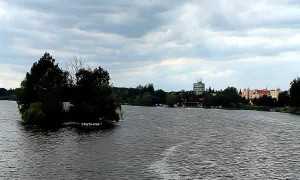
Today, Střelské Hoštice stands as a cultural monument, open to visitors who wish to explore its rich history and architectural beauty. The chateau is situated on the left bank of the Otava River, with nearby remnants of older buildings and a Baroque granary adding to the historical ambiance of the area. It houses the Museum of the Otava River and Rafting, offering insights into local culture and history. Visiting Střelské Hoštice provides an opportunity to delve into Czech heritage, appreciate its architectural evolution, and explore the stories embedded within its walls.
Střelské Hoštice is a testament to the dynamic history of the region, reflecting changes in ownership, style, and purpose over centuries. Its Baroque architecture and historical significance make it a worthwhile destination for those interested in exploring the cultural heritage of the Czech Republic. Visitors are invited to experience this remarkable site, where history comes alive amidst the serene backdrop of the Otava River valley.
Then and now
Drag the slider to compare how the landmark may have looked when it was built with the view today.
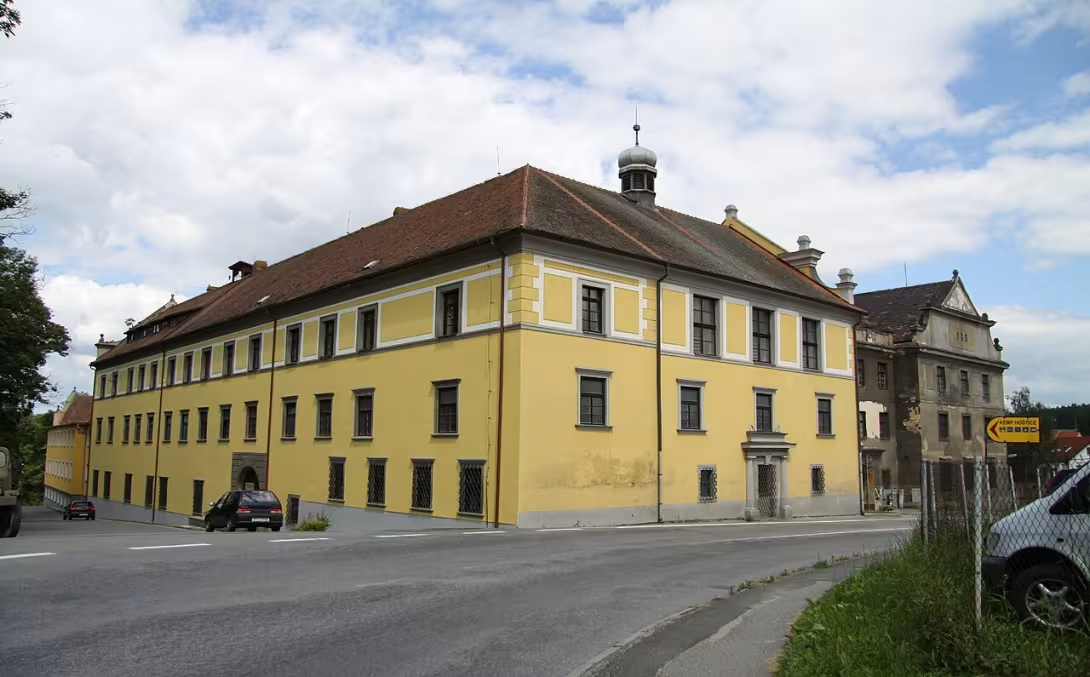

The historical appearance on the left is an AI-generated visualisation and serves as inspiration only.
Historical milestones
- 1500
- Construction of the original fortress.
- 1666
- The chateau was destroyed by fire but subsequently restored.
Architectural development
Střelské Hoštice began as a fortress built around 1500. It was transformed into a Renaissance chateau by Šebestián Pešík z Komárova, who likely oversaw its reconstruction. The baroque renovations in the early 18th century significantly altered its architecture, adding new elements and styles.
Historical events
The chateau was significantly damaged by fire in 1666 but was soon restored.
In the early 18th century, both economic buildings and the chateau itself were renovated in baroque style.
Owners
The chateau was initially owned by Kraselovští z Kraselova around 1500. It later passed to Šebestián Pešík z Komárova in 1569, followed by Jindřich Libštejnský z Kolovrat in 1623. In 1654, it was acquired by Václav František, and after the dissolution of the Jesuit order, it was bought by Erasmus Obst in 1809. Ownership changed frequently until Haléřový fond dělnictva Škodových závodů purchased it in 1923.
Points of interest
- Despite its Baroque transformation, Střelské Hoštice retains remnants of sgraffito decorations on its façades, which were visible until the mid-20th century, adding a unique artistic touch to its history.
- The chateau's dramatic change in ownership following the dissolution of the Jesuit order in 1809 highlights its connection to broader historical events and shifts within religious institutions in Europe.
- During World War II, Střelské Hoštice experienced military occupation that led to significant alterations and damage, reflecting its strategic importance during tumultuous times.
- Originally built as a fortress around 1500 by Kraselovští z Kraselova, the chateau's transition through various architectural styles mirrors the political and cultural evolution of Bohemia over centuries.
- The transformation into a Renaissance chateau under Šebestián Pešík z Komárova in 1569 marks an early instance of adaptive reuse in architecture, showcasing how existing structures were repurposed to reflect changing tastes and needs.
Guide
This guide is narrated by a synthetic voice generated by artificial intelligence.
Show guide text
This text was created by artificial intelligence and has not been editorially reviewed. It may contain inaccuracies.
Welcome to Střelské Hoštice, a remarkable site where history whispers through the walls of this majestic chateau nestled in the heart of Jihočeský kraj. As you stand here, imagine yourself stepping back into time, surrounded by the grandeur and stories that have unfolded over centuries.
The origins of Střelské Hoštice trace back to around 1500 when it was initially constructed as a fortress. This structure served as a bastion of defense in an era marked by territorial disputes and shifting allegiances. Over time, its purpose evolved; the fortress underwent transformation into a Renaissance chateau, reflecting the changing tastes and cultural aspirations of its inhabitants.
As you gaze upon the chateau today, take note of its Baroque renovations from the 18th century. These modifications are evident in the symmetry and ornamentation that characterize its current appearance. The façades, though stripped of their original sgraffito decorations by the mid-20th century, still hint at a rich artistic heritage with subtle remnants visible to those who look closely.
The chateau's history is interwoven with notable figures such as Kraselovští z Kraselova and Šebestián Pešík z Komárova. These individuals played pivotal roles in shaping the estate's legacy, navigating through periods of prosperity and challenge. One dramatic chapter in its story occurred in 1666 when a devastating fire reduced the chateau to ashes. However, it was swiftly restored, symbolizing resilience and continuity.
A fascinating aspect of Střelské Hoštice is how it adapted following significant historical shifts, such as the dissolution of the Jesuit order. This event marked yet another transition in its ownership and purpose, reflecting broader societal changes.
As you explore further, let your curiosity guide you through this cultural monument that now houses the Museum of the Otava River and Rafting. Here, the spirit of adventure is palpable, inviting visitors to delve into tales of exploration and endurance along one of Europe's most storied rivers.
In conclusion, Střelské Hoštice offers a tapestry of history waiting to be discovered. We invite you to wander its grounds, immerse yourself in its stories, and let the echoes of the past inspire your journey. Thank you for joining us on this exploration, and may your visit here leave an indelible mark on your memory.
Tips for visitors
The best time to visit Střelské Hoštice is during the late spring or early autumn months, from May through September. During these times, the weather is typically pleasant, with mild temperatures and lower chances of rain, making it ideal for exploring both the chateau grounds and the surrounding natural beauty. The lush greenery around the Otava River enhances the picturesque setting, providing a perfect backdrop for your visit.
It's advisable to check current routes and schedules in advance to ensure a smooth journey.
When visiting Střelské Hoštice, it’s recommended to bring comfortable walking shoes as there are several areas to explore on foot. A hat and sunscreen are also wise for protection against the sun, especially during peak daylight hours. Additionally, carrying a water bottle will help keep you hydrated throughout your visit.
For photography enthusiasts, Střelské Hoštice offers numerous picturesque spots. The best light is typically in the early morning or late afternoon when the sunlight casts soft shadows and highlights the architectural details of the chateau. Capturing images from the baroque granary or along the Otava River can provide stunning views. Remember to respect any photography restrictions that may be in place.
In terms of nearby attractions within a 30-minute drive, visitors can explore the remnants of older buildings west of the main chateau complex and enjoy the serene setting by the Otava River. These sites offer additional historical insights and scenic beauty, making them worthwhile stops for those interested in history or nature.
Frequently asked questions
Can the monument be visited?
Some buildings of this kind are open for guided tours, others serve another purpose or are privately owned. We have not verified whether and when this monument is open – please ask the operator.
What are the opening hours and admission?
We have not verified the opening hours or admission. Current information is published by the operator.
Where is the monument?
Location: č.p. 1, Střelské Hoštice, Jihočeský kraj. The map on this page shows the exact spot.
Why is the monument protected?
It is listed in the Central List of Cultural Monuments of the Czech Republic as a cultural monument (register no. 28247/3-4382).
Businesses nearby
Do you run a restaurant, accommodation, shop, museum, rental, wellness or other visitor service near this monument? Show yourself directly to the people heading to it — this is how they will see you in the app and on the web:
Nearby
Střelské Hoštice is situated on the left bank of the Otava River. The area features a baroque granary and remnants of older buildings west of the main chateau complex.
Accommodation nearby
Themed route
Střelské Hoštice Thematic Walking Tour
1. **Baroque Granary (Type: Historical Building) Why Visit: Begin your journey with the Baroque granary located west of the main chateau complex. This architectural gem offers a glimpse into the agricultural history and storage practices of the past, showcasing intricate designs typical of the Baroque period.
2. **Main Castle Complex (Type: Historical Site) Why Visit: Explore the heart of Střelské Hoštice at this majestic chateau complex. The main chateau is a testament to the region's historical significance and architectural evolution, offering visitors a chance to immerse themselves in its storied past.
3. **Remnants of Older Buildings (Type: Historical Ruins) Why Visit: Venture west from the main chateau to discover the remnants of older structures that once stood here. These ruins provide fascinating insights into the area's development over centuries, allowing you to piece together its historical narrative.
4. **Otava Riverbank (Type: Natural Feature) Why Visit: Conclude your tour by strolling along the left bank of the Otava River. The serene riverbanks offer a peaceful setting to reflect on the day's discoveries, with picturesque views that highlight the natural beauty surrounding Střelské Hoštice.
This thematic walking tour offers a comprehensive exploration of Střelské Hoštice, combining historical insights with natural charm in a logical and engaging sequence.
Seasonal recommendations
Jar: During the spring season, Střelské Hoštice Chateau is bathed in unique shimmering light as sunlight reflects off newly sprouting leaves and blooming shrubs. This time of year brings a tranquil atmosphere with fewer crowds, making it an ideal getaway for history enthusiasts. It's recommended to visit in the early afternoons when temperatures are pleasant and the sunlight is at its most beautiful. Visitors should wear comfortable walking shoes for grassy areas and perhaps clothing that can accommodate mild breezes.
Leto: In summer, Střelské Hoštice Chateau comes alive with warm sunny days and long evenings offering stunning lighting for photography. However, this season also sees the highest number of visitors and longer wait times for entry. It's advisable to visit early in the morning or later in the evening to avoid the heat and crowds. Wearing light clothing with sun protection and carrying plenty of water is essential for a comfortable experience.
Podzim: Autumn brings a kaleidoscope of colorful leaves that enliven the surrounding landscape around Střelské Hoštice Chateau. The atmosphere is calm and serene, providing ideal conditions for relaxation and enjoying nature's beauty. Weather can be changeable, so layered clothing is recommended to allow quick adaptation to temperature shifts. Visit the chateau in the afternoon when the sun is still strong enough for photography but not as hot as midday.
Zima: A winter visit to Střelské Hoštice Chateau offers a magical atmosphere with snow cover and icicles adding charm. Wearing warm clothing, including hats and gloves, is essential for protection against the cold. An earlier visit during daylight hours ensures a better experience as day length is limited and lighting can be irregular.
Visualizations and artistic views


The visualisations are generated by artificial intelligence and serve as inspiration.
Photos from the area
Real photos taken near the monument


Zdroj a licence jsou uvedeny u každého snímku.
Tips from visitors
No tips yet. Be the first!
Log in and add your tip.
Sources and literature
Photos: Chmee2 / CC BY 3.0 — Wikimedia Commons. The author and licence also appear when you hover over the image.
Faktickým podkladem tohoto textu byl článek na Wikipedii, jehož autory jsou přispěvatelé Wikipedie. Článek je dostupný pod licencí CC BY-SA 4.0.
Location on the map

Příběhy a pověsti
Legendy, pověsti a příběhy spjaté s touto památkou
Fotografie návštěvníků
Zatím žádné fotografie. Buďte první, kdo přidá fotografii z návštěvy!
Log in a přidejte svou fotografii nebo hodnoťte.
Za ověřenou návštěvu v aplikaci získáte víc bodů — poznáme podle GPS, že jste na místě.
Reviews and comments