



Švédské hradby Archaeological site
Švédské hradby for Třebska are a pair of archaeological sites representing fenced locations from the Latin era. It is located in the district of Příbram in the Central Bohemian Region and probably served as centres of elite controlled over mining sites in the area. They are protected as cultural monuments.
The history of the Swedish walls is closely linked to the Latin culture, belonging to the late bronze and early iron age. This period was characterised by the development of mining and the first attempts at rice. In Bohemia, this development took place in parallel with other cultural changes in Europe. The original view that the remains of the two fenced areas were field fortifications from the Thirty Years' War was overcome by superficial archaeological research and geophysical measurements. These studies have shown the latenistic competence of objects known as Viereckschanze, which suggests their function as the seat of the elite.
The architecture of the Swedish walls is particularly interesting. The Třebsko 1 has a floor plan of 97 × 68 metres, bounded by high walls of up to 2.5 metres with a deep front moat of up to two metres. The level of these waves was initially increased, which is particularly apparent in the west corner. The entrance to the complex was probably located in the middle of the northwest side, where the terrain was artificially aligned for possible above ground structures. Inside the fence were discovered latenian finds and fragments of ceramics. On the second location, Třebsko 2, the area had a rectangular ground plan with dimensions of 80 × 70 meters. Vale died here, but Josef Ladislav Píč observed them before 1893 as gravel soil with corner outputs. A remarkable remnant is the limit in the field leading to the northeast side, which indicates the former location of the wall.
The ownership and management of these sites cannot be accurately determined by the historical sources available. However, research focused on their function as the seat of the elite, which controlled mining sites in the area. Josef Ladislav Píč and Jiří Waldhauser were among the first archaeologists to study vala and other structures in places.
Key events include the discovery of Latinese finds inside the Třebsko 1 fence, which confirmed their historical affiliation. There is also an interesting connection with nearby mineral deposits - gold, silver, copper and lead, which were already extracted in this area in the Latin period. There are also vaults around the sites with fragments of containers used for rice.
Today Švédské hradby is a protected cultural monument in Treb and attracts the attention of archaeologists and tourists. They are the only place in the Central Bohemian Region where there is a pair of fences in one cadastral territory. The localities are located on the slope of the elevation overlooking the landscape and the proximity of the water source, which is another attraction for visitors.
The visit to the Swedish walls offers a unique opportunity to become acquainted with an important period of Czech history and to understand the influence of Latin culture on the development of mining and the first attempts at rice. These sites are not only archaeological sites but also witnessed the rich history of the region, which is worth discovering.
Historical milestones
- about 500 bc.
- The creation of enclosed sites of Latin culture in the area of Třebska
- about 500 bc.
- Development of mining of precious metals and rice around sites
- before 1893
- Josef Ladislav Píč observed structures on site Třebsko 2
- present
- Protection of Swedish walls as cultural monuments
Architectural development
Both locations have quadrilateral fences with boulders that have been recorded as up to 2,5 metres high for Třebsko 1. The calls at Třebsko 2 died, but Josef Ladislav Píč observed them before 1893.
Historical events
- Surface archaeological research and geophysical measurements have shown the latenistic competence of objects.
- The research of the wares was dedicated to Josef Ladislav Píč and Jiří Waldhauser.
Points of interest
- Švédské hradby are a pair of archaeological sites with fenced sites from the Latin era. - They are located in the Central Bohemian Region, the Příbram district, and probably served as centres of elite controlled over mining sites. - Archaeological research has shown the latenistic competence of objects known as Viereckschanze, which suggests their function as the seat of the elite. - Třebsko 1 has a floor plan with dimensions of 97 × 68 meters with a height of up to 2.5 metres and a leading moat of up to two metres. - Localities are a protected cultural monument and the only place in the Central Bohemia Region with a pair of fences in one cadastral area.
Guide
Show guide text
This text was created by artificial intelligence and has not been editorially reviewed. It may contain inaccuracies.
Welcome to the historic site of the Swedish walls near Treb! You're standing in front of two archaeological sites that are witnessing a rich past. Notice the vast remnants of the fences that can tell you the story of the long time of Latin culture.
Švédské hradby appeared around 500 BC. At this time, this area was a centre for mining precious metals and rice, making it a key place for the company at the time. Replaced mansions probably served as elite centers that controlled rich mining sites in the area.
Look up and look around. In front of you are the remnants of the fence that give us an idea of the importance of this place in the past. Although specific architectural details are not visible, the atmosphere and structure of the remains allow us to feel until people here were trying to protect their homes and wealth.
Let's look at the key personalities associated with this place. Josef Ladislav Píč, an important Czech archaeologist, observed the structures on site Třebsko 2 more than a hundred years ago. His work laid the foundations for understanding the historical importance of these places. Today the archaeologist Jiří Waldhauser continues to study and protect these monuments.
The interesting thing is that even though their original purpose remains some parts of the unclear cloud, Švédské hradby are a pair of archaeological sites with enclosed locations of Latin culture. This is a fact that makes these places unique and fascinating to explore.
Now all you have to do is look and think about what lives were once witnessed here. Prepare for the next steps along these historic tracks and get carried away into the past.
Thank you for your attention and wishes you happy exploring!
Tips for visitors
The best time to visit the Swedish walls near Třebsk is in the spring or autumn period when vegetation is less dense and clear view of the surrounding landscape. These locations offer a quiet environment suitable for understanding the historical importance of these fenced settlements.
When visiting you remember protective clothing such as shoes suitable for walking on uneven terrain and hat or sunglasses. The place is outdoor and can be hot or cold depending on the weather, so suitable clothes are important.
The ideal times for photography are the afternoon or the afternoon when the sun illuminates the location from the side. The best places for photos can be found on the slope of the high rise overlooking the surrounding region. Photography is possible without limitation, but respect nature and memory.
Close to the Swedish walls there are mineral deposits that can be an interesting addition to visit. These sites are suitable for a short walk or study the geological properties of the area. For families with children it is possible to design a search for different minerals, which can be fun and learning experience.
Frequently asked questions
Can the monument be visited?
This is an archaeological site. Often there is little to see on the ground and the land may be private. We have not verified access.
Where is the monument?
Location: Třebsko. The map on this page shows the exact spot.
Why is the monument protected?
It is listed in the Central List of Cultural Monuments of the Czech Republic as a cultural monument (register no. 1000142124).
Businesses nearby
Do you run a restaurant, accommodation, shop, museum, rental, wellness or other visitor service near this monument? Show yourself directly to the people heading to it — this is how they will see you in the app and on the web:
Events nearby
Zdroj akcí: otevřená data měst a obcí ČR (Národní katalog otevřených dat) a kalendář akcí Národního památkového ústavu.
Nearby
Lokality jsou umístěny na svahu vyvýšeniny s výhledem do krajiny a blízkostí zdroje vody. V okolí se nachází ložiska nerostů.
Accommodation nearby
Themed route
Thematic cruise route around Swedish walls
1. Švédské hradby (archaeological site)
Type: Archaeological site
Why is it worth a visit: This place witnessed the history of the 13th century when the walls were built by Swedish troops during the Hussite wars. Visit and discover ancient walls that tell stories of the past.
2. Landscape View
Type: Natural view
Why is it worth a visit: After exploring the walls we will look at surrounding landscape panoramas. The hillside offers a unique view of the area that is ideal for relaxation and photography.
3. Water Source
Type: Natural resource
Why is it worth a visit: The proximity to a fresh spring of water offers an opportunity to relax and relax. It is also a place where you can enjoy cold water or freshen up.
4. Mineral deposits
Type: Geological site
Why is it worth a visit: In the vicinity of the wall you will find mineral deposits, which is interesting for geologists and naturalists. These locations offer insight into the region's geological history and are ideal for trips to the countryside.
This route will guide you through fascinating history, natural beauty and geological secrets of the village Třebsko.
Seasonal recommendations
Spring: In the spring season, Švédské hradby appears in Třebsk in its most beautiful shiny garment when flowering shrubs and trees radiate a vibrant green shine. Solar rays are projected on historical footprints, creating a magical atmosphere for visitors. In addition, the starting tourist season may mean smaller crowds, which allows for a calmer exploration of the monument.
Summer: In the summer season Švédské hradby are full of life and light. Long days offer more time for a tour, but also bring stronger crowd visits especially in the main summer season. It is advisable to visit early in the morning or later in the day to avoid the peaks of tourist arches. Warm clothes and sufficient water are crucial for a comfortable experience. Solar protection is essential in order to be able to use the whole day without inconvenience.
Autumn: In autumn Švédské hradby melancholy beauty is acquired when tree leaves colour the plot in living colours. The atmosphere is calmer and less temperature-intensive compared to the summer season. At this time, the crowds are decreasing, allowing for more intimate exploration of archaeological sites. It is advisable to wear mild clothes and prepare for the possibility of significant temperature changes during the day.
Winter: Winter visit to the Swedish walls offers unique experiences, where historical tracks are covered with snow and create a charming picture. Hot clothes and protective shoes are essential for comfort during cold days. Despite the smaller number of visitors, the atmosphere is calm and represents an ideal time for a personal experience without disturbing crowds.
Visualizations and artistic views

The visualisations are generated by artificial intelligence and serve as inspiration.
Tips from visitors
No tips yet. Be the first!
Log in and add your tip.
Sources and literature
Faktickým podkladem tohoto textu byl článek na Wikipedii, jehož autory jsou přispěvatelé Wikipedie. Článek je dostupný pod licencí CC BY-SA 4.0.
Location on the map
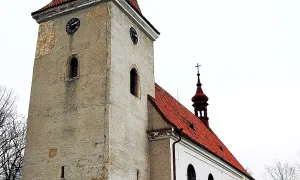





Příběhy a pověsti
Legendy, pověsti a příběhy spjaté s touto památkou
Fotografie návštěvníků
Zatím žádné fotografie. Buďte první, kdo přidá fotografii z návštěvy!
Log in a přidejte svou fotografii nebo hodnoťte.
Za ověřenou návštěvu v aplikaci získáte víc bodů — poznáme podle GPS, že jste na místě.
Reviews and comments