






Synagoga v Hořovicích Church
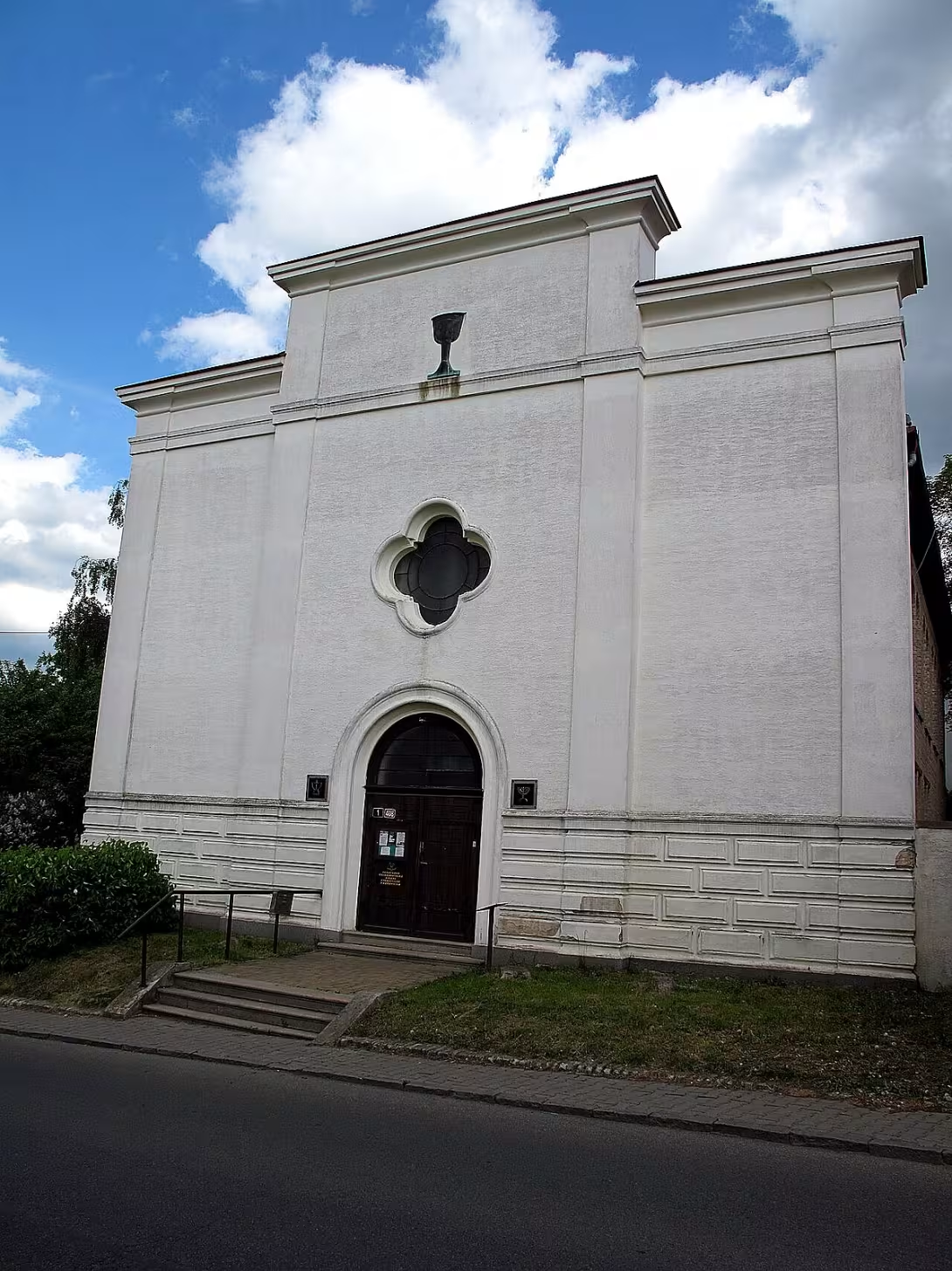
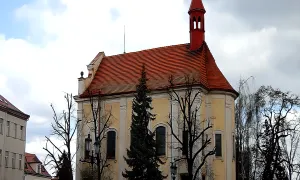
The Jubilejní Synagogue, a historic synagogue in Hořovice, Czech Republic, is a significant cultural and historical landmark. Built in 1903, it testifies to the Jewish community's presence in the region and its unique architectural style blends Romanesque and Art Nouveau elements. The synagogue was constructed to meet the growing need for a larger and more representative place of worship.
Construction began in 1903, with the site chosen for its proximity to the town center. The building's design was influenced by the Romanesque style, featuring white cement bricks and smooth plastering on the exterior walls. The interior showcases a blend of architectural styles, including Romanesque and Art Nouveau elements. The building was designed by Otto Zambory and took about a year to complete.
Originally owned by the Jewish community of Hořovice, the synagogue was confiscated by the Nazi authorities in 1941 and used as a warehouse during World War II. After the war, the Czechoslovak Hussite Church took over the synagogue, which it still owns today. The interior was later restored to its original state.
The Jubilejní Synagogue is a significant historical landmark, notable for its architecture and its role in the history of the Jewish community in Hořovice. Its construction responded to the growing need for a larger and more representative place of worship, reflecting the cultural and artistic influences of the time. Today, the synagogue is a cultural and historical landmark worth visiting for its unique architecture and historical significance.
Located in Hořovice, in the Central Bohemian Region of the Czech Republic, the synagogue is situated amidst rolling hills and forests, with the nearby Berounka River. Visitors can explore the synagogue's interior and learn about its history and significance. The Jubilejní Synagogue is a must-visit destination for those interested in history, architecture, and culture.
Then and now
Drag the slider to compare how the landmark may have looked when it was built with the view today.
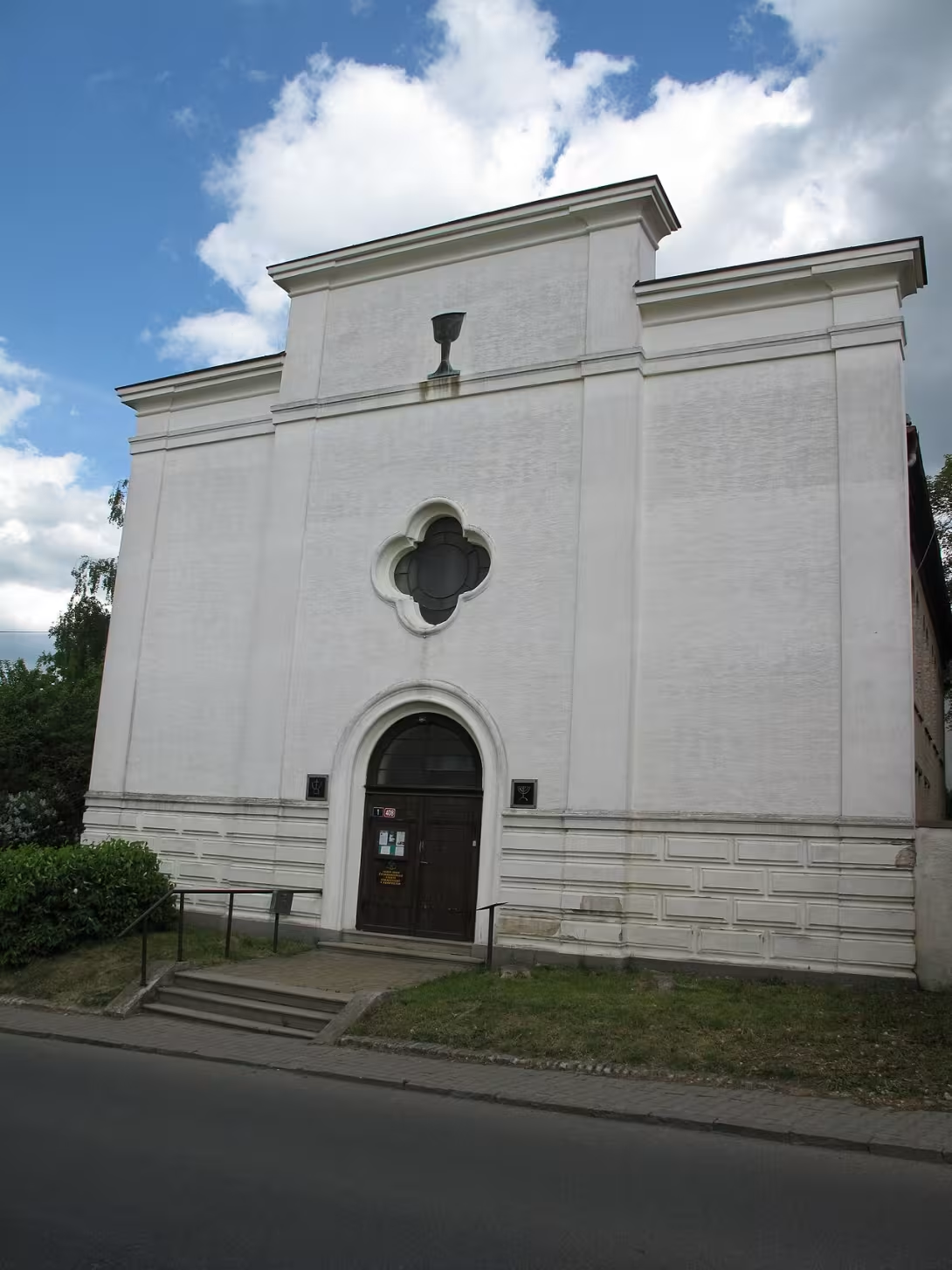
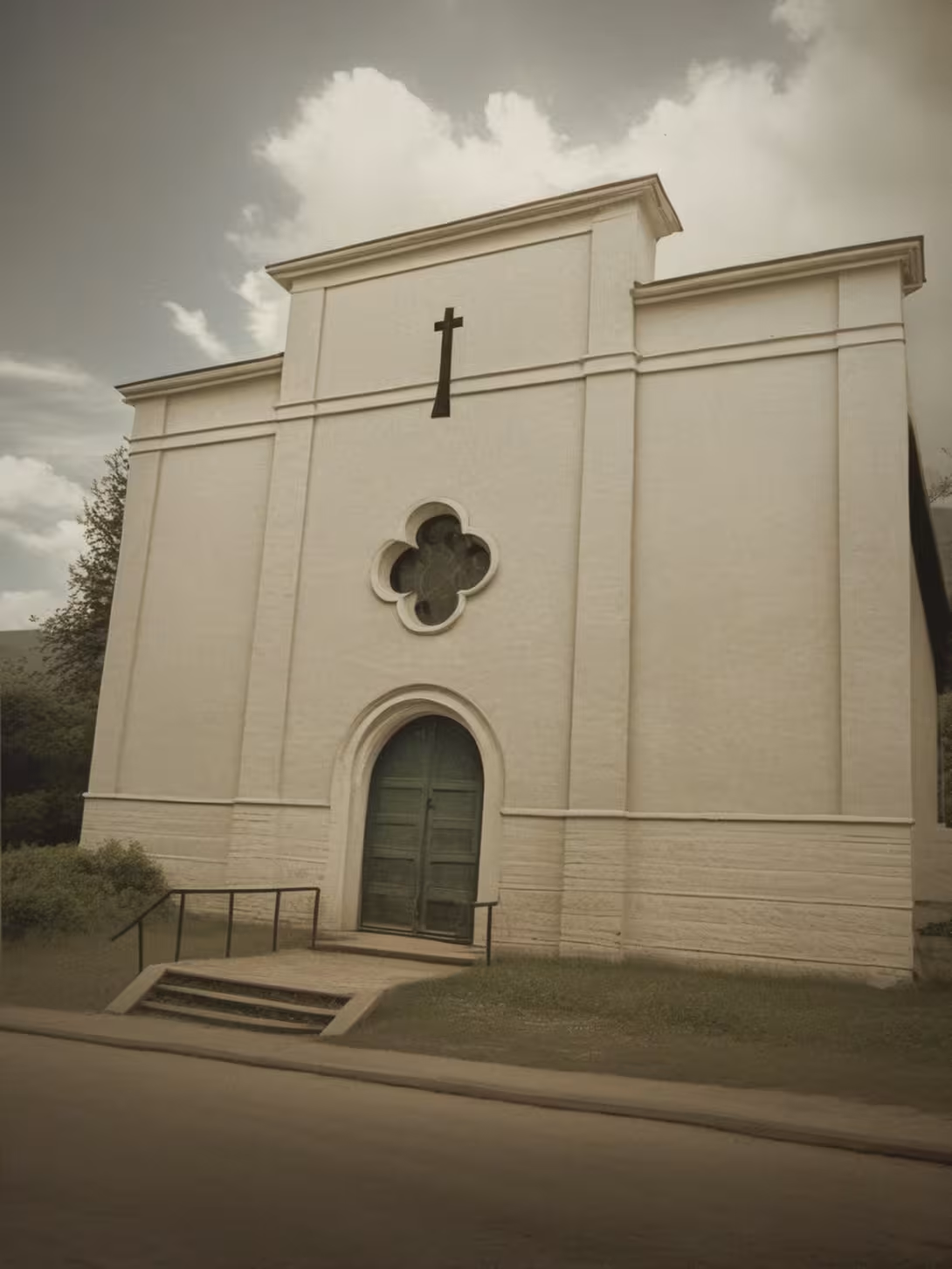
The historical appearance on the left is an AI-generated visualisation and serves as inspiration only.
Historical milestones
- 1898
- Julius Bondy proposes the construction of a new synagogue
- 1900
- Rabín Zikmund Kraus recommends accelerating the construction of the synagogue to coincide with the 70th birthday of Emperor Franz Joseph I
- 1902
- The Praskoleské and Lochovické synagogues are sold to make way for the construction of the Jubilejní synagoga
- 1903
- Construction of the Jubilejní synagoga begins on March 25
- 1904
- The synagogue is consecrated on the spring of
Architectural development
The synagogue was built using white cement bricks with smooth plastering and features a unique blend of architectural styles, including Romanesque and Art Nouveau elements. The building was designed by Otto Zambory and took about a year to complete. The synagogue was consecrated in 1904, but its use was interrupted by World War II, during which it was used as a warehouse.
Historical events
1903: Construction of the Jubilejní synagoga begins
1904: The synagogue is consecrated
1941: The synagogue is confiscated by the Nazi authorities and used as a warehouse
Owners
Jewish community of Hořovice (1903-1941), Czechoslovak Hussite Church (1941-present)
Points of interest
– The Jubilejní Synagogue was originally intended to be a more representative place of worship, but it was not designed as a grand, monumental building.
– The synagogue's design was influenced by the Romanesque style, but it also features some elements of Art Nouveau, which was a popular architectural style in the early 20th century.
– The building's exterior walls are made of white cement bricks and smooth plastering, giving it a distinctive and unique appearance.
Guide
This guide is narrated by a synthetic voice generated by artificial intelligence.
Show guide text
This text was created by artificial intelligence and has not been editorially reviewed. It may contain inaccuracies.
Welcome! You are standing in front of one of the most beautiful historical landmarks in Hořovice, the Jubilejní Synagogue. Look up and notice its unique architecture. The synagogue is a combination of Romanesque and Secessionist styles, with elements that will entice you to explore further.
Let's step back into the past and discover how this beautiful building came to be. In 1898, Julius Bondy designed the construction of a new synagogue to serve as a larger and more representative place for the Jewish community. Rabbi Zikmund Kraus proposed accelerating the construction so it could celebrate the 70th birthday of Emperor Franz Joseph I in 1900. In 1902, the Praskoleské and Lochovické synagogues were sold to make space for the building of the Jubilejní Synagogue. Construction itself began on March 25, 1903, and was ceremoniously opened in spring 1904.
Now let's focus on the architecture of this beautiful synagogue. Notice that it is a combination of Romanesque and Secessionist styles. You can see how architect Otto Zambory tried to combine these two styles into one whole. The facade of the synagogue is richly decorated and offers a stunning view of the interior space.
Now let's pause at some key personalities who contributed to the construction of this synagogue. Rabbi Zikmund Kraus was one of the main initiators of its construction. Julius Bondy designed the original project, and Vilém von Hanau was one of the contributors to the building. All these men played an important role in the history of this synagogue.
The interesting thing about this synagogue is that it wasn't designed as a large and monumental structure. It was rather designed as a representative place for the Jewish community. And yet, its architecture is so unique and beautiful.
Let's now bid farewell to this beautiful synagogue. Notice how the atmosphere around it changes as the sun meets the shadow. The synagogue is not only a stunning landmark but also a symbol of the history and culture of the Jewish community in Hořovice. We hope you enjoyed this temporary visit and that you will want to return to explore it more closely.
Tips for visitors
The best time to visit the Jubilejní synagoga is during the spring and summer months when the weather is mild and sunny, allowing for optimal photography conditions.
The synagogue is easily accessible by car, and there is a large parking lot available near the building. Alternatively, you can take a bus or taxi from the nearby town center.
It's recommended to bring a camera with a good zoom lens to capture the intricate details of the synagogue's architecture and decorations.
The best spots for photography are from the front and side entrances, where the natural light is most flattering. Be sure to capture the stunning stained-glass windows and intricate stone carvings.
In the surrounding area, you can visit the nearby Berounka River, which offers scenic views and walking trails. The town of Hořovice also has a charming old town with shops and restaurants.
Businesses nearby
Do you run a restaurant, accommodation, shop, museum, rental, wellness or other visitor service near this monument? Show yourself directly to the people heading to it — this is how they will see you in the app and on the web:
Nearby
The synagogue is located in the town of Hořovice, which is situated in the Central Bohemian Region of the Czech Republic. The surrounding landscape is characterized by rolling hills and forests, with the nearby Berounka River.
Accommodation nearby
Themed route
Hořovice Synagogue and Surroundings Walking Tour
This 3-4 hour walking tour takes you through the charming town of Hořovice and its picturesque surroundings. The tour starts at the Hořovice Synagogue, a beautiful example of Art Nouveau architecture that dates back to the early 20th century. The synagogue is a must-visit due to its unique blend of architectural styles and its historical significance as a place of worship for the local Jewish community.
As you walk through the town, you'll notice the Berounka River, which flows gently through the valley below. Take a short walk along the riverbank and enjoy the scenic views of the surrounding hills and forests.
Next, head to the Hořovice Town Square, where you can admire the charming town hall and the nearby Church of St. Nicholas, a beautiful example of Gothic architecture. The church is a great place to learn about the town's history and culture.
Finally, end your tour with a visit to the Hořovice Castle, a medieval fortress that dates back to the 14th century. The castle offers stunning views of the surrounding countryside and is a great place to relax and take in the sights.
Seasonal recommendations
Jaro: Spring is the ideal time to visit the synagogue in Hořovice, as nature around the church is in full bloom and sunny weather allows for exploring the exterior parts of the building. The atmosphere is relaxed and calm, which enables a deeper exploration of historical details. We recommend visiting the synagogue during the spring months when it opens later than in summer to avoid tourist crowds.
Léto: Summer is the main season for visitors to the synagogue in Hořovice. Due to warm weather and long daylight hours, it's best to visit the church early in the morning or late in the afternoon to avoid tourist crowds. The atmosphere is relaxed, and sunny weather allows for exploring the exterior parts of the building.
Podzim: Autumn is a period of calm and comfort when nature around the synagogue is in autumnal colors. The atmosphere is relaxed and calm, which enables a deeper exploration of historical details. We recommend visiting the synagogue during the autumn months when it opens later than in summer to avoid tourist crowds.
Zima: Winter is a quiet and peaceful season for visitors to the synagogue in Hořovice. We recommend visiting the church during winter months when it's open for shorter hours to avoid cold weather. The atmosphere is calm and peaceful, which enables a deeper exploration of historical details.
Visualizations and artistic views


The visualisations are generated by artificial intelligence and serve as inspiration.
Photos from the area
Real photos taken near the monument


Zdroj a licence jsou uvedeny u každého snímku.
Atmosphere of the place
This atmospheric visualisation of the place and period was generated by artificial intelligence. It is not real footage of the location.
Tips from visitors
No tips yet. Be the first!
Log in and add your tip.
Sources and literature
Fotografie: Juandev / CC BY-SA 3.0 — Wikimedia Commons. The author and licence also appear when you hover over the image.
Faktickým podkladem tohoto textu byl článek na Wikipedii, jehož autory jsou přispěvatelé Wikipedie. Článek je dostupný pod licencí CC BY-SA 4.0.
Location on the map


Příběhy a pověsti
Legendy, pověsti a příběhy spjaté s touto památkou
Fotografie návštěvníků
Zatím žádné fotografie. Buďte první, kdo přidá fotografii z návštěvy!
Přihlaste se a přidejte svou fotografii nebo hodnoťte.
Za ověřenou návštěvu v aplikaci získáte víc bodů — poznáme podle GPS, že jste na místě.
Reviews and comments