






Synagoga v Ledči nad Sázavou Synagogue
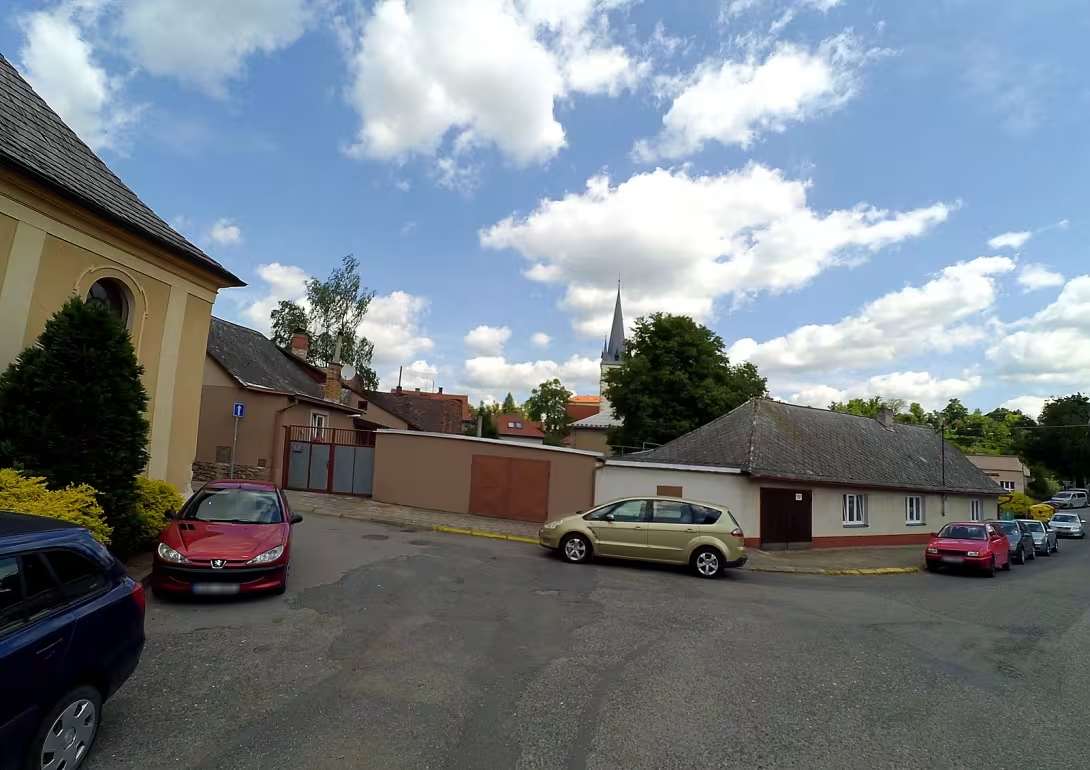
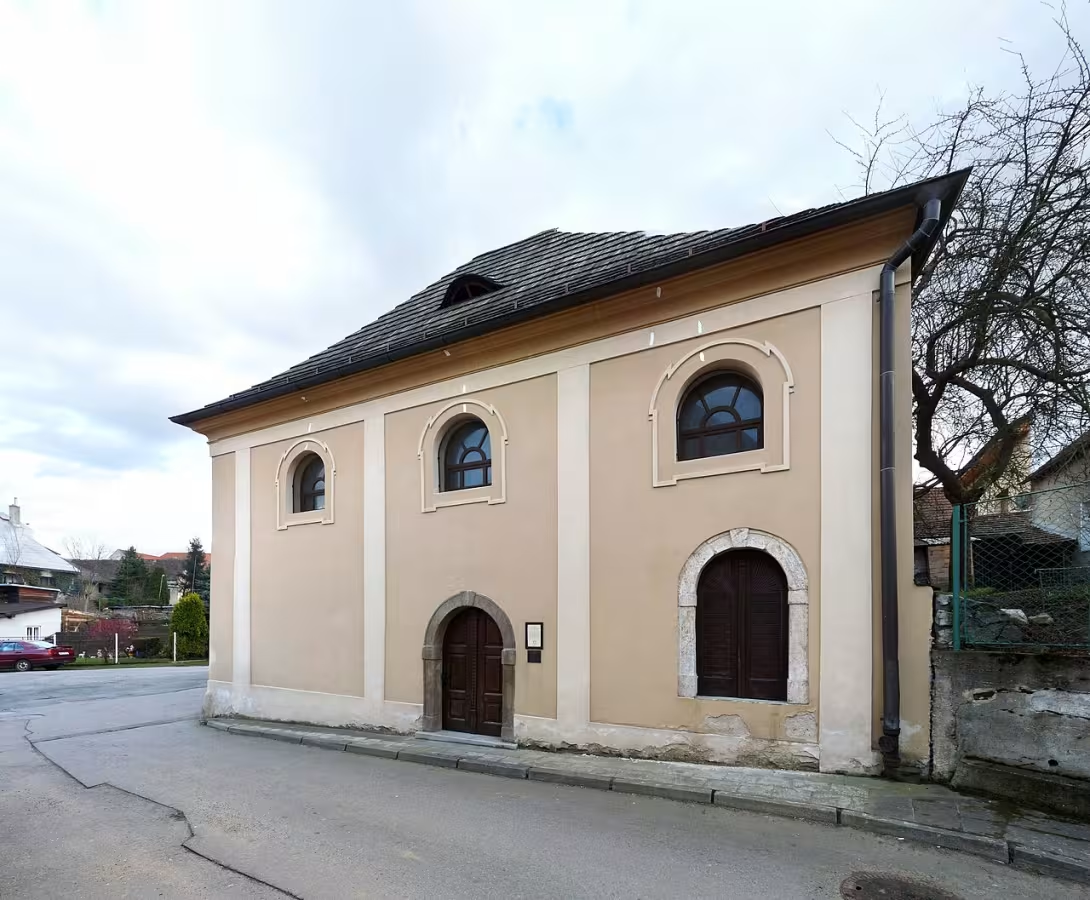
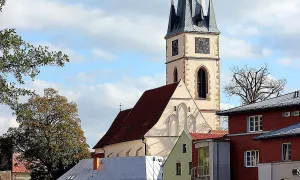
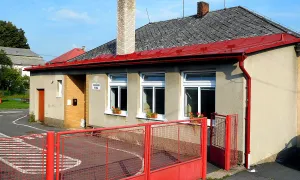
The former synagogue in Ledč nad Sazavou is a protected cultural monument of the Czech Republic, located in Na Potoce street no. 252. This Baroque building from 1739 represents an important element of Jewish heritage and is part of the historical character of the city. For centuries, the building witnessed key events that affected its fate and architectural appearance.
The synagogue was established in 1739, when the Baroque style was consolidated in Czech countries. This context is important for understanding aesthetics and the function of the building as a religious building. During its existence, it served for worship, which was typical of Jewish communities in this area.
The architecture of the synagogue is typically baroque, which is reflected in used building elements and materials. A reconstruction took place in the late 1990s, which returned the building to its original form, including gallery and painting. Restoration was key to preserving the historical integrity of the building. Later, the roof cover was supplemented by a layer of hand-chipped spruce shingles, which contributed to its aesthetics and protection.
The ownership of the synagogue in time went through changes. Since 1996 it belongs to the Jewish religious community in Prague, which takes care of it. During World War II, the building was used as a warehouse and garage, which dramatically changed its fate. This event affected not only the object itself, but also the Jewish community in the region.
Major events include the Nazi expropriation of the scrolls of the Torah during World War II. These scrolls were later placed in a synagogue in Ohio, America, which resembles both tragedy and the resilience of Jewish communities. The Nazis also took the mantle to the Torah and the synagogue curtain from the building.
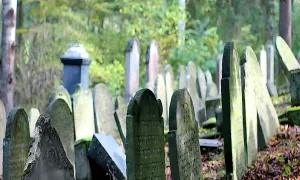
Today, the former synagogue in Ledč nad Sazavou serves cultural purposes. Her current condition is the result of careful reconstruction and care. For visitors it is an interesting goal which represents the Jewish heritage of the region and its architectural beauty. In the vicinity there is a Jewish cemetery, which complements the history of the local community.
Synagoga v Ledči nad Sázavou is not only an architectural monument but also a witness to important historical events. The preservation and restoration of it are reminiscent of the need for recognition and respect for cultural heritage. The visit to the building offers a unique opportunity to explore the rich history of Jewish communities in the Czech Republic and appreciate their contribution to the cultural diversity of the region.
Then and now
Drag the slider to compare how the landmark may have looked when it was built with the view today.
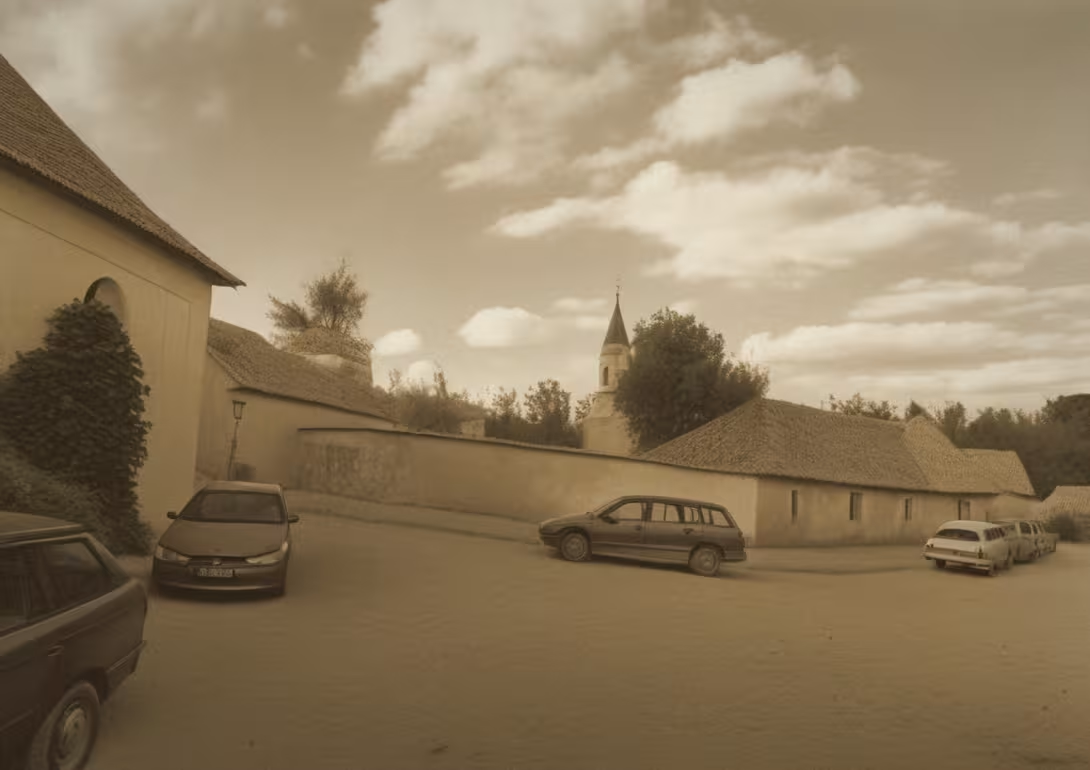
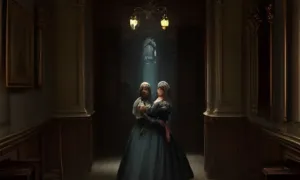
The historical appearance on the left is an AI-generated visualisation and serves as inspiration only.
Historical milestones
- 1739
- The creation of Baroque synagogue in Ledč nad Sazavou.
- 1945
- World War II: Abuse of the building and expropriation of the scrolls of the Torah.
- 1990
- Reconstruction of the building returning the original form, gallery and painting.
- 1996
- Transfer of ownership to the Jewish religious community in Prague.
Architectural development
At the end of the 1990s, a reconstruction took place which returned the synagogue to its original form, including gallery and painting. The roof cover was later supplemented by a layer of hand-chipped spruce shingles.
Historical events
Until 1939, there was a service in the building. During World War II, the building was used as a warehouse and garage.
Owners
Since 1996 Jewish religious community in Prague.
Points of interest
- It's a Baroque building from 1739. - During World War II, the building was used as a warehouse and garage. - The Nazis expropriated the scrolls of the tolls that were later placed in a synagogue in Ohio, America. - The reconstruction in the late 1990s returned the object to its original form and the roof was supplemented by hand-chipped spruce shingles. - Since 1996, the building has belonged to the Jewish religious community in Prague.
Guide
Show guide text
This text was created by artificial intelligence and has not been editorially reviewed. It may contain inaccuracies.
Welcome to Ledč nad Sazavou. Right now, you're facing one of the most important historical symbols of this city, a building that carries the incredible power of time and a silent memory of ancient lives. Before your eyes is a synagogue that is not only a wall and a roof, but a living witness to history that has passed through joy and deep suffering. Feel this atmosphere, feel the calm that exists here, and at the same time be aware of the weight of the place where human faithful, hopes and everyday existence of the entire community once met.
Let's go back deep into the past together, until this baroque unique birth began. Imagine 1739. The world around us was changing to the rhythm of the baroque era, which loved the wealth of shapes and sensory activity. It was this year that the synagogue in Ledč nad Sázavou was built to serve as a spiritual centre of the local Jewish community. At that time, this building was the heart of the community, a place where people met for religious ceremonies, where they prayed together, and where traditions were maintained that enriched the region for many generations. This building was built with the intention of creating a sacred space, a space that would stand out above ordinary matter and offer people a connection with higher power.
Now pay attention to the architecture itself, which you are now observing. Even if you look at the building from the outside, feel its baroque character, which is visible in its lines and overall balance. Note how the building operates in accordance with the surrounding environment, and yet it retains its own, unmistakable identity. It is very important to know that what you are seeing is the result of tremendous effort and effort to preserve the memory. After long years of forgetting the building, the synagogue has undergone a fundamental transformation. Thanks to the reconstruction that took place in the late 1990s, the object returned to its original form. Take a look at the roof - it is supplemented by hand-cut bags, which gives a whole authentic and historical look, which would be completely natural for the eighteenth century. This work with materials is not only an aesthetic matter, but an expression of respect for the craft and the history of the construction itself. The inner spaces that are part of the gallery today have also been restored, including the painting, allowing visitors to perceive the beauty that was once present in this space.
But the history of this place is not just a story of beauty and architectural flourishment. It's also a story about the deep wounds left by World War II. During the darkest years of the last century, this building was abused. The place where prayers used to sound and people meeting in the room, the synagogue became a simple warehouse and even a garage. Imagine the contrast, the loss of sanctity, where instead of spiritual ascension, it became the utilitarian space to store things. It was a period when the place that radiated holiness became a completely earthly place, and it became hard to practice. This abuse of an object is a sad reminder of a time that has tried to erase a whole culture and its heritage.
And right here is one of the most interesting and fascinating mysteries this place has to offer. Where are the most valuable items kept in this synagogue today? During the war, the scrolls of the Torah were expropriated, which were the most expensive and sacred artifacts for the Jewish community. But their fate carries us across the world. This rare and sacred writing was eventually placed in a synagogue in the American state of Ohio. It's an incredible story - from a small town over Sazava to a distant America. This fact shows us how, even after tragic events and attempts to destroy, the inheritance can be preserved, even in a completely different part of the world. It is a symbolic connection that reminds us that history has no limits and that what is sacred can survive even the darkest times, even if its path becomes unpredictable.
Today, this synagogue is once again a living and dignified place. Since 1996 it has been under the administration of the Jewish religious community in Prague and serves as a cultural space, gallery and place where history meets the present. It is proof that even after years of neglect, abuse and deep historical injuries, the memory can be restored and its original face returned to it. It is a place that teaches us not only about the architecture of the Baroque, but above all about human resistance and the importance of memory retention.
Now I urge you to continue your search and be carried away by the atmosphere of this place. Explore the details, perceive the silence and realize the meaning of every stone and every line you see here. Let yourself be inspired by the story that took place here in Ledč nad Sázavou. Thank you for choosing to devote your time and attention to this historic monument. We wish you a pleasant further journey in the footsteps of history and beautiful moments in the further discovery of this region.
Tips for visitors
The best time to visit the former synagogue in Ledč nad Sázavou is spring or autumn, when the weather is friendly for walks around the village and surroundings. At these times the light is softer, which allows better capture of architectural details of the building from 1739. If you plan to stay longer, consider visiting on working days when there is usually less excitement in smaller municipalities than on weekends.
Transport to Ledče nad Sázavou is ensured by car and public transport. For passengers by public transport we recommend to check the current timetable in the search engine because the connection can be limited in smaller municipalities. The location is well accessible from the main draw, but the last part of the journey may require a short walk on foot.
When visiting, bring comfortable shoes, because the surrounding area of the monument and the access routes can be reinforced but not always completely straight. We also recommend taking plenty of drinking water, especially in the summer months, and a light layer of clothing that easily adapts to temperature changes. If you are interested in a deeper context of history, you can bring a laptop or read information about Jewish history in the region in advance.
For photography it is best to use the morning or afternoon light that hits the facade of the building at an angle and highlights its historical elements. The best views of the synagogue can be obtained from the streets leading around the building, where you can capture the overall context of the monument within the urban development. Observe the shadows and contrasts that give photos depth and atmosphere. If possible, try shooting details such as windows or entrance portals that bear traces of the original use of the building.
In the immediate vicinity of the synagogue there is a Jewish cemetery, which is an important part of the Jewish history of Ledče nad Sázavou. Walk around the cemetery is a quiet and respectable activity, which complements the visit of the synagogue and allows you to see the life of the Jewish community. It is appropriate to read in advance information on the rules of conduct in cemeteries in order to respect the visit. For families with children it may be interesting to explain to children the history of the place and show them how the use of the building changed after World War II.
Frequently asked questions
Can the monument be visited?
Religious buildings are usually open mainly during services; at other times a visit is normally arranged with the parish or the operator. We have not verified specific times.
Where is the monument?
Location: Ledeč nad Sázavou, Kraj Vysočina. The map on this page shows the exact spot.
Why is the monument protected?
It is listed in the Central List of Cultural Monuments of the Czech Republic as a cultural monument (register no. 1000149691).
Businesses nearby
Do you run a restaurant, accommodation, shop, museum, rental, wellness or other visitor service near this monument? Show yourself directly to the people heading to it — this is how they will see you in the app and on the web:
Events nearby
Zdroj akcí: otevřená data měst a obcí ČR (Národní katalog otevřených dat) a kalendář akcí Národního památkového ústavu.
Nearby
In the village there is a Jewish cemetery.
Accommodation nearby
Trips and activities nearby
Guided tours, tickets and activities nearby from GetYourGuide
Affiliate link: if you buy from the partner, we may receive a commission. The price for you does not change.
Search tours and activities →Themed route
1.Synagoga v Ledči nad Sázavou (exterior) Type: Architecture A tour of the exterior facade and surrounding area of a unique building.
2. Synagoga v Ledči nad Sázavou (interior) Type: Exposure Getting to know the history of the local Jewish community within internal spaces.
3. Jewish Cemetery Type: Memorial area A place of peace and respect with historic tombstones.
Seasonal recommendations
In spring the surroundings of the synagogue awaken to life and nature near the river Sazava begins to bloom. Lighting is delicate and very suitable for capturing details of architecture without sharp shadows during this period. We recommend taking layered clothes because morning temperatures can still be low. Visit the place in the morning when the air is purest and the traffic is minimal.
The summer season brings the most sunny hours and rich green vegetation to Ledče nad Sazavou. The atmosphere is alive and the building is very impressive in warmer light. In the main summer season, however, it is advisable to arrive either very early in the morning or late in the afternoon to avoid the biggest crowds and unpleasant heat. Clothes should be easy and don't forget drinking mode.
Autumn moons offer a calm and nostalgic atmosphere where the landscape is often covered with fog and trees offer golden shades. The low sun creates interesting playful shadows on the walls of the synagogue. It is advisable to carry a practical jacket and high-quality footwear, because moisture can cause slippery pavement. The best time for a tour is the lunch period when the light is most stable.
Zimą makes a monument to a very quiet and noble impression, especially if the surrounding area is covered with snow. The day is short, so it is best to plan a visit in clear morning before it starts to get dark. The need is very warm and wind-resistant clothes to make the tour comfortable. In advent time or other winter months, we recommend to check in advance the opening times, which are shorter in this period.
Visualizations and artistic views


The visualisations are generated by artificial intelligence and serve as inspiration.
Photos from the area
Real photos taken near the monument


Zdroj a licence jsou uvedeny u každého snímku.
Tips from visitors
No tips yet. Be the first!
Log in and add your tip.
Sources and literature
Photos: Czeva / CC BY-SA 3.0 — Wikimedia Commons. The author and licence also appear when you hover over the image.
Faktickým podkladem tohoto textu byl článek na Wikipedii, jehož autory jsou přispěvatelé Wikipedie. Článek je dostupný pod licencí CC BY-SA 4.0.
Location on the map
Příběhy a pověsti
Legendy, pověsti a příběhy spjaté s touto památkou
Fotografie návštěvníků
Zatím žádné fotografie. Buďte první, kdo přidá fotografii z návštěvy!
Log in a přidejte svou fotografii nebo hodnoťte.
Za ověřenou návštěvu v aplikaci získáte víc bodů — poznáme podle GPS, že jste na místě.
Reviews and comments