



Teplá Skála Housing estate
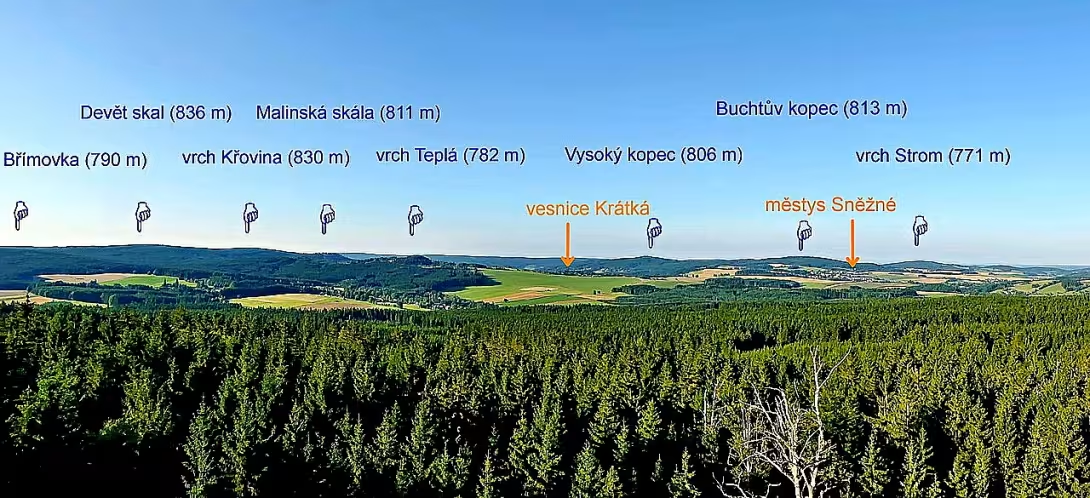
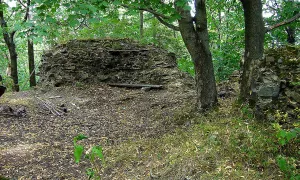
The warm rock is an archaeological site located on a rocky ridge west of the Klatovy village. This site, dated into the eneolite, was a key settlement of the Champ culture. Its archaeological traces are protected as a cultural monument and represent an important element for understanding the life of our ancient ancestors.
Discover The warm rock dates back to the beginning of the 20th century when Adolf Šlégl discovered it. This amateur archaeologist carried out several probes on the site from 1900 to 1907 which laid the foundations for further study of this site. In 2005, important excavations took place, bringing new knowledge of the structure and environment of the settlement.
Architecturally, the Hot Rock is characterized by non-olithic houses built on rock platforms. The construction of these structures used wooden rods with a diameter of three to six centimeters, suggesting an advanced technical knowledge of their creators. Among the materials used in the constructions, there was also evidence of rare printed wood which was used for the production of weapons and small objects due to its hardness.
Interesting Warm rocks are archaeological findings, which include ceramic fragments decorated with a double navel, shards of ceramics from the culture of spherical amfor and stone arrow made probably from the Bavarian cornea. The finding of the grain of the two-way wheat was dated into the Latin culture, which may indicate a later activity on the site.
The warm rock is part of a collection of three non-olithic settlements around the Kaliste, which together represent important evidence of the existence of the Champ culture in this area. This site is not only an archaeological treasure, but also a place that allows us to reach the depths of time and understand the life of our far-reaching ancestors.
Today, the Hot Rock is a protected cultural monument and is worth visiting not only for archaeologists, but also for any curiosity. Its historical significance and wealth of found artifacts are a valuable element for understanding the ancient past of our region. Visiting this location is not only a learning experience, but also an opportunity to appreciate and respect the historical roots of the Czech people.
The warm rock reminds us of the importance of protecting and studying our archaeological monuments. Its discoveries enrich our knowledge of life in eneolithic and provide valuable information for future generations. Visit this site to dive into ancient times and appreciate the wealth of history our country offers us.
Historical milestones
- around 1900
- Adolf Šlégl discovered the Heat Rock and performed the first probes.
- 1907
- Complete by Adolf Šléglem's early archaeological work on site.
- 2005
- There were important excavations that brought new knowledge of the estate.
Architectural development
Eneolithic houses were built on rock platforms. Their construction used wooden rods with a diameter of three to six centimeters. Among the materials used was also found hard wood of a thousand.
Historical events
In the early 20th century the site was discovered by Adolf Šlégl. There were various archaeological probes up to 1907. Further archaeological research was carried out on the site in 2005.
Points of interest
- A warm rock is an archaeological site located on a rocky ridge west of the village of Kaliste. - This site, dated to eneolite, was a key settlement of the Champ culture. - Discover The warm rock dates back to the beginning of the 20th century when Adolf Šlégl discovered it. - Archaeological findings include ceramic fragments decorated with a double navel and a stone arrow made probably from a Bavarian cornea. - The warm rock is part of a collection of three non-olithic settlements around the Kaliste.
Guide
Show guide text
This text was created by artificial intelligence and has not been editorially reviewed. It may contain inaccuracies.
Welcome to the Warm Rock, a unique archaeological site located in the picturesque surroundings of the village of Kaliste. You are standing here in front of rocky backs, which boasts rich green pine trees and oak trees. This room is a witness to thousands of years of history, reminding you of the days of the eneolite, when this place served as a key settlement of the Champ culture.
The warm rock was discovered in the early 20th century by Adolf Šlégle, who performed his first probes here around 1900. His work laid the foundations for further research and unveiling the secrets of this place. In 1907 he completed his early archaeological dig, which opened the door to the past.
Let's move closer to the rock ridge and look up. Here you can see the platforms located on top of the rocks, which were once home to prehistoric dwellings. These archaeological traces are today protected as a cultural monument and remind us of the life of our ancient ancestors.
The key person associated with this place is Adolf Šlégl, whose discoveries opened the way for a better understanding of the Champ culture. His work was further developed in 2005, when important excavations took place bringing new knowledge of this estate.
The interesting thing about this place is the discovery of ceramic fractions and other artifacts that help us reconstruct the lifestyle and culture of people who once lived here. These findings are a testament to their skills and artistic expression.
I invite you to look at other details on the Hot Rock and prepare for a deeper examination. This site offers countless possibilities for exploring and learning about the past. Thank you for your visit and we hope that this guide inspired you to further explore this fascinating place.
Tips for visitors
For the best visit we recommend to choose the late spring or early autumn season when the weather is mild and the movement on the rocky spine is more pleasant.
The location can also be reached by car through public transport; Please check the current connection in the Internet search engine. It is essential to have firm and comfortable shoes to move in the field.
If you want to photograph, the best light can be found in the late afternoon when the sun highlights the structure of rock formations. The best views for landscape images can be obtained directly from the ridge.
In the surroundings you can visit places such as Kaliste, Koubov Rock or Personality Rock. It is advisable for families with children to bring enough water and snacks for outdoor activities.
Frequently asked questions
Can the monument be visited?
This is a structure in a public space that can usually be seen from outside free of charge. We have not verified that this particular one is freely accessible.
Where is the monument?
Location: Švihov. The map on this page shows the exact spot.
Why is the monument protected?
It is listed in the Central List of Cultural Monuments of the Czech Republic as a cultural monument (register no. 1000160216).
Businesses nearby
Do you run a restaurant, accommodation, shop, museum, rental, wellness or other visitor service near this monument? Show yourself directly to the people heading to it — this is how they will see you in the app and on the web:
Events nearby

Zdroj akcí: otevřená data měst a obcí ČR (Národní katalog otevřených dat) a kalendář akcí Národního památkového ústavu.
Nearby
V blízkosti se nachází vesnice Kaliště, Koubova skála a Osobovská skála.
Accommodation nearby
Trips and activities nearby
Guided tours, tickets and activities nearby from GetYourGuide
Affiliate link: if you buy from the partner, we may receive a commission. The price for you does not change.
Search tours and activities →Themed route
Thematic cruise route from Švihova to Hot Rock
1. Švihov (city) - We start with our trip to Švihov, famous for its historical architecture and beautiful castle. It is an ideal place to start the journey where you can enjoy the view of ancient buildings and load up with energy for the next part of the route.
2. Calendars (villages) - From there we will go to the nearby village of the Kaliste, which is known for its stupid location and quiet environment. Visit the local parish or walk along picturesque roads around the village station.
3. Koubova Rock (natural monument) - Then we look at Koub's rock, unique natural shapes and rock formations, which are an interesting example of geological processes. It's a perfect place for photography and a short picnic break.
4. Personal rock (natural monument) - We will also go to the Mankind Rock, which offers similarly fascinating natural beauty and breathtaking views of the surrounding landscape. This place is suitable for those who enjoy a quiet moment in the presence of nature.
5. Teplá Skála (archaeological site) - And in the end, we have our main destination, Teplá Skála. This archaeological site is an important monument with rich history and interesting discoveries from the past. It's the perfect place for those who like history and archaeology.
This route offers a mixture of cultural and natural experiences near Švihova and its surroundings.
Seasonal recommendations
Spring: In the spring season, Teplá Skála is strangely attractive with its new-born shrubs and flowering leaves, which create a lively color around the historic place. Sun rays illuminate the rock structure more diverse than in other times of the year, which contributes to a fascinating view of archaeology from the outside. Visitors should be prepared for sudden weather and equipped with warm clothes with umbrella, because spring wind can be cold. The best time to visit is usually in the afternoon when the sun lights up rocks and increases temperature.
Since this is the period with the highest attendance, it is advisable to visit the place in the early afternoon or evening to avoid flooded long-distance views. Light clothing and sun protection such as a hat or a parasol are recommended because temperatures can be high and solar rays strong.
Autumn: Autumn brings a warm rock golden forest cover that creates a romantic atmosphere around archaeological structures. The sun sets earlier and illuminates rock shapes in softer shaded light, which increases the aesthetics of the place. Visitors should be prepared for cooler weather and equipped with warm clothes with umbrella, because autumn wind can be sudden. The best time to visit is usually the afternoon when the sun lights up the rock structure and increases the temperature.
Winter: During winter, Teplá Skála offers a unique view of the rock shapes covered with snow, creating a quiet and peaceful atmosphere. The sun's rays illuminate the rock structures brighter thanks to less interference clouds and increase the feeling of comfort on a cold day. Visitors should be prepared for sudden weather and equipped with warm clothes with umbrella, because winter wind can be cold. The best time to visit is usually in the afternoon when the sun lights up rock shapes and increases temperature.
Visualizations and artistic views

The visualisations are generated by artificial intelligence and serve as inspiration.
Photos from the area
Real photos taken near the monument

Zdroj a licence jsou uvedeny u každého snímku.
Tips from visitors
No tips yet. Be the first!
Log in and add your tip.
Sources and literature
Faktickým podkladem tohoto textu byl článek na Wikipedii, jehož autory jsou přispěvatelé Wikipedie. Článek je dostupný pod licencí CC BY-SA 4.0.
Location on the map



Příběhy a pověsti
Legendy, pověsti a příběhy spjaté s touto památkou

Fotografie návštěvníků
Zatím žádné fotografie. Buďte první, kdo přidá fotografii z návštěvy!
Log in a přidejte svou fotografii nebo hodnoťte.
Za ověřenou návštěvu v aplikaci získáte víc bodů — poznáme podle GPS, že jste na místě.
Reviews and comments