






Terasa domu Na stráži 11 se sochařskou výzdobou a altánem Other
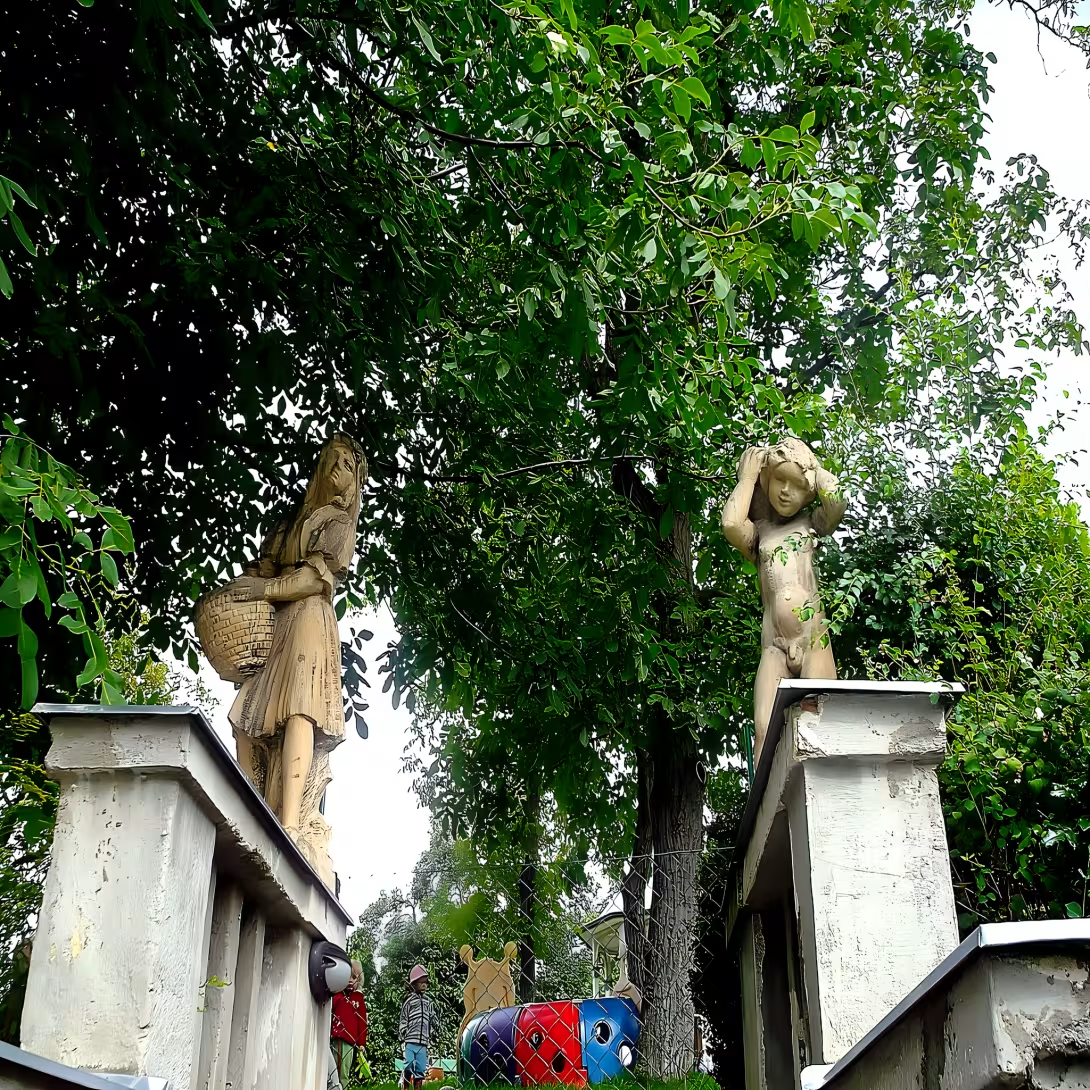
House terrace On the guard in Prague Libni is a real-estate cultural monument of the Czech Republic, which is located on the property of the villa in the street Na guard. This object represents a valuable example of the artistic and decorative interconnections of architecture and garden. It consists of a set of six stone statues and garden gazes dating back to the first third of the 20th century. The monument is remarkable thanks mainly to the copyright of the garden architecture and sculpture decoration of an important artist.
The set of six statues and garden gazebo dates back to the first third of the 20th century, the year 1928 being mentioned in the context of the creation of this set. In the first decades of the 20th century modern architecture and residential construction were developed in Czech countries. This placed great emphasis on sophisticated garden treatments and artistic details. Artistic creation of the author of the decoration falls into the period of flowering of modern Czech sculpture.
The garden terrace is located in the slope and harmoniously connects to the residential villa. On its sides, there are two staircases with pillar railing that connect the terrace with the garden. Two statues are located directly on the staircase and four are standing on the crown of the terrace on small prism volcanoes about one metre high. The sculptor Emanuel Julián Kodet, living between 1880 and 1955, is the author of the sculpture. The sculpture set consists of a girl with a scissor, a girl with a dowry, a girl with a horn of abundance, a girl holding a basket, a sitting boy and a boy with a scissor. At the top of the garden in the corner there is a small wooden hexagon gazebo, which is covered with a canopy with historical banners.
There are no references to the ownership structure, administrators or dramatic changes in the fate of this object.
Historical sources and background do not indicate any specific key events, battles or historical twists associated with this place.
The monument is located in the Libenska area in Prague, near the Vltava and Prague parks, where there are many historical and modern buildings.
This object is a valuable example of the historical and artistic connection of architecture with garden creation, which is worth paying attention to when exploring the details of Prague's villa development. Visiting this place offers a view of the specific form of garden sculpture from the first third of the 20th century.
Historical milestones
- 1928
- The first third of the 20th century - the creation of a set of six statues of stoneware and garden gazebo.
Architectural development
The garden terrace is located in the slope and follows the villa. On its sides, there are two staircases with pillar railing that connect the terrace with the garden. Two statues are located on the staircase and four are standing on the crown of the terrace on small prism sockets about one metre high.
Points of interest
- House terrace On guard 11 is a real-estate cultural monument of the Czech Republic. - The object represents a valuable example of the artistic and decorative interconnections of architecture and garden. - The set of six stone statues and garden gazes dates back to the first third of the 20th century, the year 1928 being mentioned in the context of their creation. - The sculptor Emanuel Julián Kodet (1880-1955) is the author of the sculpture decoration. - The gazebo in the garden is a small wooden hexagon, covered with a canopy with a historical rudder.
Guide
Show guide text
This text was created by artificial intelligence and has not been editorially reviewed. It may contain inaccuracies.
Welcome to Prague Libni, in this picturesque and quiet place where history and art combine. You're standing in front of the house on guard 11. Raise your head and let this unique space extend in front of you. In front of you you can see an example of how you can connect architecture and garden art to one harmonious whole. This monument-protected terrace contains traces of the beginning of the last century and creates an atmosphere that will take you to a completely different era for a while. Let us now bring together how this gem originated and what it hides.
The year is one thousand nine hundred twenty-eight, and this whole picturesque corner takes its final form, with the creation of the whole set dating back to the first third of the twentieth century. At this time, the idea is born to create a space on the grounds of the villa that would not only be an ordinary building element, but a real art gallery in the open air. Although the authors of this building remain covered with a cover of secrets and names of architects, the spirit of the time and the sense of detail and aesthetics from all over the place literally breathes. The terrace was designed not only for the benefit, but above all for the pleasure of the eye and soul, as a place to relax and contemplate the beauty of the surrounding nature.
Now pay attention to the details that you are currently looking at. Look carefully at the staircase and the crown of the terrace itself. This is where the most valuable thing the whole building has to offer. A set of six stone statues, which are proudly placed on the staircase and the crown of the terrace, gives the whole place nobility and unmistakable character. Note how the statues naturally complement the surrounding green and garden gazebo, which is an integral part of this protected file. Each element here has its fixed place and together they form a clenched composition, where the stonework of statues and fine gazebo lines make perfect interplay with the architecture of the terrace.
Behind this magnificent sculpture decoration is the important and talented sculptor Emanuel Julián Kodet. It was his artistic manuscript that breathed life into the cold stone and gave the whole place a deeper artistic dimension. Emanuel Julián Kodet was a creator who was great at perception of space and his works never seemed disruptive, on the contrary, always underlined the character of the place for which it was created. When you look at these stoneware sculptures, you are faced with the result of the work of a master whose legacy has lasted decades and can still reach every perceptive observer.
If you think about it, it's fascinating that this whole composition has survived the test of time and has kept its magic until today. House terrace On guard of one of the most valuable real estate cultural monuments of the Czech Republic in this city area, thanks to its unique connection of building art and nature. It represents a rare example of how our ancestors were able to think of garden architecture not as simply adding a house, but as a full space for life and an aesthetic experience. The fact that this set of six statues and gazebo survived in such harmony is a small miracle and a testament to the refined taste of the time.
I believe that this stop has enriched you and that on your next walk in Lièská you will perceive the details around you with even more attention. Take another look at the entire facade and let the peace of this place lie on you before you embark on another journey to discover the beauty of our history. Thank you for your attention and I look forward to seeing you at one of the other stories of our past.
Tips for visitors
Best time to visit the terrace house On the guard is late afternoon or evening hour, when the soft light of the sun highlights the texture of stone sculptures and creates an atmosphere of calm. The morning clock is suitable for those who prefer a smaller gathering of people and cooler weather, which is more pleasant on the terrace in summer. Because it is part of the villa, it is important to realize that it is an intimate space where peace and respect for the surroundings are crucial.
Transport availability to the area In any event, both by car and by public transport. If you arrive by car, look for parking places in the area which are often limited or require payment in the centre of Prague; Check the actual parking conditions on site or in mobile application. By public transport you can get to Libna easily, the specific connections and departure times are always checked in the current timetable because they can change.
When visiting, wear comfortable shoes because the terrace areas and the roads around the villa can be uneven or covered with gravel. We recommend having enough drinking water, especially in the summer months, and light sun protection. If you are planning a longer walk around Libna, it is advisable to have a light snack so you can take a break in one of the local parks.
For photography it is ideal to capture details of sculpture decoration and gazebo at dusk when artificial lighting (if available) or residual daylight creates dramatic shadows. The best angles are often from the terrace level towards the garden or vice versa from lower points if they are accessible to highlight the link of architecture with nature. Be careful not to bother other visitors and respect the privacy of the people of the villa.
In the vicinity of Libna, which is close to Vltava and Prague parks, you can visit other historical and modern buildings within 30 minutes. The area offers a combination of quiet zones for relaxing by the river and cultural monuments, which complement the visit to the terrace. For families with children it is convenient that there are parks nearby where children can move and play freely while adults admire architecture. However, care must be taken to ensure that children do not harm the protected family and follow on-site instructions.
Businesses nearby
Events nearby

Zdroj akcí: otevřená data měst a obcí ČR (Národní katalog otevřených dat) a kalendář akcí Národního památkového ústavu.
Nearby
Libna area in Prague with a number of historical and modern buildings, near Vltava and Prague parks.
Accommodation nearby
Trips and activities nearby
Guided tours, tickets and activities nearby from GetYourGuide
Affiliate link: if you buy from the partner, we may receive a commission. The price for you does not change.
Search tours and activities →Themed route
I propose a thematic tour of attractions in Libni, Prague, which will lead you to a unique architectural monument and its immediate surroundings.
1.Terasa domu Na stráži 11 se sochařskou výzdobou a altánem - Type: Other - Why it is worth a visit: This main objective offers a remarkable view of historical sculpture decoration and picturesque gazebo. This is an interesting detail of Prague's development, which will impress lovers of hidden architectural jewels.
2. Historical and Modern Buildings in Libni - Type: Historical and modern buildings - Why is it worth a visit: The surrounding area offers a varied mix of older architecture and newer projects, which together form a specific character of this neighborhood. Walking through these places brings construction development closer to the centuries.
3. Vltava and Prague parks - Type: Water flow and natural areas - Why is it worth a visit: The proximity of the river and local parks provides a pleasant environment for a relaxing and peaceful walk. It allows you to perceive the landscape of the location in close connection to the urban development.
Seasonal recommendations
Spring awakens the liberal slopes into a new life, when the surrounding greenery are only just beginning to awaken and offers great views of the waking city through still thinner trees. The lighting is very fine during this period, ideal for morning and morning discovery, when the sun warms pleasantly, but does not burn as much. Due to the spring weather, it is worth wearing layered clothing and fixed shoes because historical surfaces can be slippery after rain. The crowds of tourists tend to be minimal at this time, so you can enjoy the quiet atmosphere of sculpture decoration and gazebo almost alone.
Summer brings lush vegetation, which partly shrouds the gazebo and terrace into a pleasant shade, creating an ideal refuge from hot days. The atmosphere is full of buzzing insects and sun rays penetrating through thick leaves, with the best light for photographing sculpture details in the late evening, when the sun slowly drops to the horizon. Due to the higher temperatures and the main summer season, it is recommended to arrive early in the morning or vice versa in the evening when the greatest heat of the day falls, and not forget to bring with you sufficient supply of drinking water and light breathable shoes.
Autumn transforms around the house On guard in a colourful palette of ochre and red shades, which supply the whole place with melancholy and extraordinarily photogenic character. The low sun creates long shadows and a magical game of lights on stone statues, which is appreciated by every lover of aesthetic images. The practical site requires a warm windbreaker and a fixed footwear resistant to moisture, because the fallen leaves can slide. Visitors are in decline during this period, the best time for visiting is around noon, when warm rays can still compensate for cooler autumn air.
Winter gives this place a quiet, almost fairy-tale atmosphere, especially if the landscape is covered with snow, which calms down the city's bustle. The lighting is usually sharp, but short, so early afternoon hours quickly pass into the darkness, which breathes a mysterious effect on the whole still life with sculptures. For the winter walk it is absolutely necessary to choose warm winter clothes, hat, gloves and non-slip shoes due to possible ice. Since the days are very short and the weather is unpredictable, plan your arrival at morning or early noon to catch daylight and avoid freezing evening temperatures.
Visualizations and artistic views

The visualisations are generated by artificial intelligence and serve as inspiration.
Photos from the area
Real photos taken near the monument


Zdroj a licence jsou uvedeny u každého snímku.
Tips from visitors
No tips yet. Be the first!
Log in and add your tip.
Sources and literature
Fotografie: JiriMatejicek / CC BY-SA 3.0, rozlišení zvýšeno umělou inteligencí — Wikimedia Commons. The author and licence also appear when you hover over the image.
Faktickým podkladem tohoto textu byl článek na Wikipedii, jehož autory jsou přispěvatelé Wikipedie. Článek je dostupný pod licencí CC BY-SA 4.0.
Location on the map
More monuments – Libeň
Show all in the municipality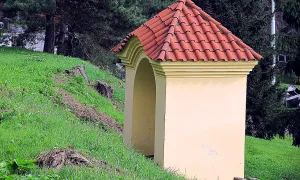
Příběhy a pověsti
Legendy, pověsti a příběhy spjaté s touto památkou

Fotografie návštěvníků
Zatím žádné fotografie. Buďte první, kdo přidá fotografii z návštěvy!
Přihlaste se a přidejte svou fotografii nebo hodnoťte.
Za ověřenou návštěvu v aplikaci získáte víc bodů — poznáme podle GPS, že jste na místě.
Reviews and comments