






trafostanice v Nedvězí Trafostation
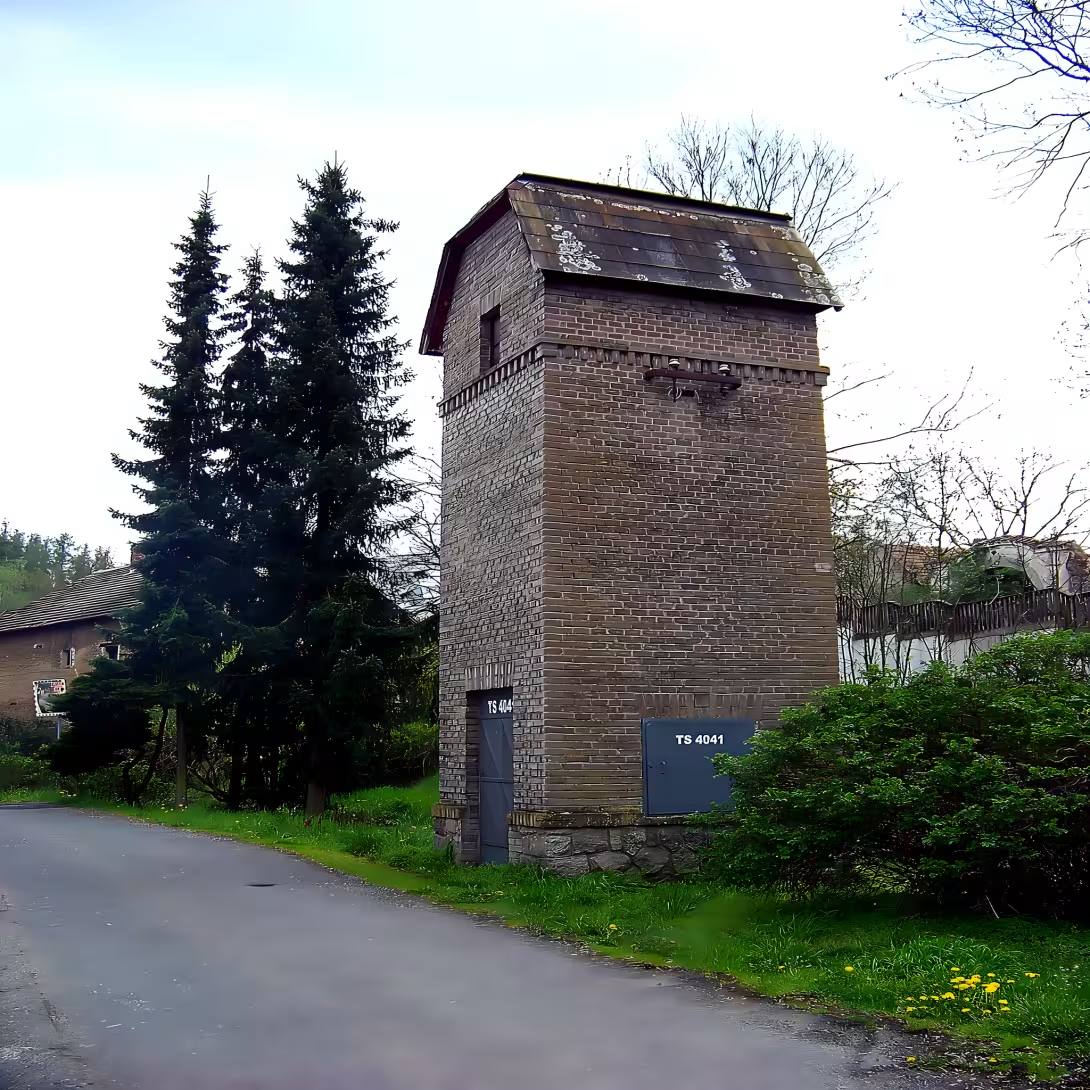
The Nedvězí Substation is a small tower-like structure built in the early 1920s by the Central Bohemian District Electricity Association. Its purpose was to electrify rural areas around Říčany, including the nearby town of Nedvězí. This substation played a crucial role in providing electricity and promoting modernization for local communities.
In March 2009, it was declared a cultural monument by the National Heritage Institute, highlighting its historical significance. The origins of the substation are tied to early 20th-century Czechoslovakia's push for modernization through electrification. Permission for constructing an electric line from Herink through Říčany to Uhříněves was granted in December 1922 by the zemská politická správa. By March 1925, the substation was commissioned after minor construction deviations were noted. The Ministry of Agriculture provided financial support due to high costs for a small community with 307 inhabitants.
Architecturally, the Nedvězí Substation is a single-story tower built on a slightly trapezoidal rectangular base along the Rokytky riverbank. It features hard-fired brickwork and an iron grill in its southwest corner, exemplifying early 20th-century industrial design. The roof is half-timbered with eternit shingles, and the interior includes a reinforced concrete floor divided into two levels connected by an iron staircase. Original elements like ceramic insulators on steel consoles remain part of the structure.
Ownership transitioned from the Central Bohemian District Electricity Association to Středočeské elektrárny following nationalization in 1948, as per a decree by the president of the republic. The city of Prague currently owns it, with the Praha-Nedvězí municipal district serving as its administrator.
Key events include the cessation of operations at TS 4041 on June 17, 1997. Its declaration as a cultural monument in March 2009 underscores its role in documenting Czechoslovakia's electrification era and reflects Nedvězí's modernization narrative.
Today, the Nedvězí Substation stands as a testament to early rural electrification efforts and is worth visiting for those interested in industrial history. Its designation ensures preservation, allowing visitors to appreciate this piece of Czechoslovakia's journey towards modernity. The substation serves as an educational site and invites reflection on electricity's transformative power in shaping communities.
Historical milestones
- 1922
- Permission granted for electric line construction from Herink through Říčany to Uhříněves.
- 1925
- Substation commissioned after minor deviations during construction were noted.
- 1948
- Nationalization of the substation under Středočeské elektrárny.
- 1997
- Operations at the Nedvězí Substation ceased.
- 2009
- Declared a cultural monument by the National Heritage Institute.
Architectural development
The substation was constructed in the early 1920s as part of an initiative to electrify rural areas. The project involved several contractors and was overseen by the Central Bohemian District Electricity Association. Financial support from the Ministry of Agriculture helped cover construction costs, reflecting the importance placed on rural electrification.
Historical events
In 1922, permission was granted for the construction of an electric line from Herink through Říčany to Uhříněves.
The substation was commissioned in March 1925 after minor deviations during construction were noted.
In June 1997, operations at the Nedvězí Substation (TS 4041) ceased.
In March 2009, it was declared a cultural monument by the National Heritage Institute.
Owners
Initially owned by the Central Bohemian District Electricity Association, it became part of Středočeské elektrárny after nationalization in 1948. The current owner is the city of Prague.
Points of interest
- The Nedvězí Substation is a small tower-like structure built in the early 1920s by the Central Bohemian District Electricity Association to electrify rural areas around Říčany. - It was declared a cultural monument in March 2009, highlighting its historical significance related to Czechoslovakia's modernization efforts through electrification. - The substation features hard-fired brickwork and an iron grill, with a half-timbered roof covered by eternit shingles, exemplifying early 20th-century industrial design. - Ownership transitioned from the Central Bohemian District Electricity Assoc
Guide
Show guide text
This text was created by artificial intelligence and has not been editorially reviewed. It may contain inaccuracies.
Welcome. Please, take a moment to settle in and look around you. Right now, you are standing before a structure that might, at first glance, seem modest or perhaps even mysterious in its purpose. You are looking at the Nedvězí Substation. Notice its distinct shape; it is a small, tower-like structure that stands as a silent witness to a revolution that changed the way people lived, worked, and dreamed in the early twentieth century. As you gaze at the building, try to imagine this spot not as a quiet historical site, but as a buzzing hub of energy and progress, a place where the invisible force of electricity was tamed and distributed to the surrounding landscape.
To truly understand what you are seeing, we have to travel back in time to the early 1920s. This was an era of immense optimism and rapid modernization. The world was waking up to the possibilities of the electrical age, and the rural areas surrounding Praha were no longer content to remain in the dark. The Nedvězí Substation was born out of this ambition. It was established by the Central Bohemian District Electricity Association, an organization headquartered right here in Praha, which sought to weave a web of power across the countryside.
The journey to this specific spot began in 1922. That was the year permission was officially granted to construct an electric line that would stretch from Herink, pass through Říčany, and continue on to Uhříněves. This wasn't just a matter of laying cables; it was a massive logistical undertaking designed to bring the benefits of the modern world to local communities. The substation you see before you was the critical link in that chain. After a few years of planning and construction, and despite some minor deviations from the original plans that were noted at the time, the substation was officially commissioned in 1925. For the people living in the rural areas around Říčany, the activation of this station was a turning point. It meant the end of kerosene lamps and the beginning of an era where electricity could power machinery, light up homes, and accelerate the modernization of agriculture and local industry.
Now, I invite you to take a closer look at the architecture. While the architects who designed this building remain unknown to history, their vision is still evident in the form of the structure. Notice the tower-like silhouette. In the 1920s, industrial buildings weren't always purely functional; there was often a desire to give utility structures a sense of dignity and presence. As you examine the facade and the overall proportions, consider how this tower served as a landmark of progress. It wasn't just a housing for transformers; it was a symbol. In a landscape of traditional farmhouses and village greens, a tower dedicated to electricity was a bold statement of the future. Take a moment to walk around the perimeter and observe how the structure sits within its environment. Even though it is small, its verticality gives it a certain authority, reminding us that for decades, the energy flowing through this point was the lifeblood of the region.
As the decades passed, the substation mirrored the turbulent history of the country. For over twenty years, it operated under the original association, but the political winds shifted after the Second World War. In 1948, the substation underwent a major transition when it was nationalized. It became part of Středočeské elektrárny, the state-run entity that took control of the region's energy infrastructure. During this period, the station continued its quiet, essential work, humming away in the background of daily life, largely forgotten by the public even as it powered the very homes and businesses they relied upon.
For seventy-two years, this building served its purpose faithfully. However, technology eventually evolved. The needs of the modern electrical grid grew far beyond what this small tower could provide. By the late twentieth century, the equipment inside had become obsolete, and the methods of distributing power had changed. In 1997, the operations at the Nedvězí Substation finally ceased. The humming stopped, the switches were thrown for the last time, and the building fell silent. For a while, it seemed as though this structure might fade into obscurity, becoming just another abandoned industrial relic.
But there is something about the Nedvězí Substation that refused to be forgotten. There is a certain beauty in its utilitarian simplicity and a profound historical value in what it represents. In March 2009, the National Heritage Institute recognized this significance. The substation was officially declared a cultural monument. This was a pivotal moment because it shifted our perception of the building. It was no longer seen as a piece of outdated machinery, but as a piece of art and history. It stands today as a tribute to the engineers and visionaries of the first Czechoslovak Republic who dared to bring light to the rural corners of the land.
One of the most fascinating things to consider while you stand here is the contrast between the substation's original purpose and its current status. It was built to be a tool—a functional, hardworking piece of infrastructure. Yet, today, we treat it with the same reverence we might give to a castle or a cathedral. This tells us something important about how we value our history. We are not just interested in the grand palaces of kings, but also in the humble towers that brought electricity to a farmer in Říčany. The mystery of the Nedvězí Substation lies in its silence; it no longer vibrates with power, yet it speaks volumes about the human drive for improvement and the courage to modernize.
As you prepare to move on, take one last look at the tower. Think about the thousands of lightbulbs that flickered to life because of the work done here. Think about the transition from the horse-drawn carriage to the electric motor, and how this small building was a gateway to that new world. The Nedvězí Substation is a reminder that progress is often built on a foundation of small, sturdy structures and the quiet dedication of people whose names may be lost to time, but whose impact remains visible all around us.
Thank you for joining me at this unique site. I encourage you to continue your journey through Praha and its surroundings, keeping an eye out for these hidden gems of industrial heritage. There is so much history hidden in plain sight, waiting to be discovered. Enjoy the rest of your exploration, and farewell.
Tips for visitors
The best time to visit the Nedvězí substation is during the early morning or late afternoon. The golden hour light beautifully highlights the unique tower-like architecture of the 1920s and contrasts it with the surrounding rural landscapes of Central Bohemia.
To reach the site, you can use either a car or public transport. Since it is located in a rural area, it is recommended to verify current transport connections and schedules via a search engine or a local transit app before your trip.
When visiting, wear comfortable walking shoes suitable for rural terrain. As the substation is situated in an open landscape, bringing water and basic weather protection is advised for a more pleasant experience.
For photography enthusiasts, the best spots are those that capture the verticality of the tower against the horizon. Within a 30-minute window, you can also explore other historical sites and natural features located within a 5 km radius of the substation.
Families with children will find this a great educational spot to discuss the history of electricity and early industrial design. The surrounding open spaces provide a safe and stimulating environment for children to explore nature.
Businesses nearby
Do you run a restaurant, accommodation, shop, museum, rental, wellness or other visitor service near this monument? Show yourself directly to the people heading to it — this is how they will see you in the app and on the web:
Events nearby
Zdroj akcí: otevřená data měst a obcí ČR (Národní katalog otevřených dat) a kalendář akcí Národního památkového ústavu.
Nearby
Located near the town of Nedvězí, the substation is surrounded by rural landscapes typical of Central Bohemia. The area includes other historical sites and natural features within a 5 km radius.
Accommodation nearby
Trips and activities nearby
Guided tours, tickets and activities nearby from GetYourGuide
Affiliate link: if you buy from the partner, we may receive a commission. The price for you does not change.
Search tours and activities →Themed route
Thematic Excursion Route from Nedvězí
1. Nedvězí Substation (Substation) - Why it's worth visiting: This historical power station is a fascinating example of past technological progress. It is an ideal spot for those interested in energy and its evolution.
2. Nedvězí Historical Site (Historical Site) - Why it's worth visiting: Nearby are sites with a rich history that represent the region's cultural heritage. They are ideal points for understanding past living conditions in the area.
3. Nedvězí Natural Landscape (Natural Landscape) - Why it's worth visiting: The views of the countryside are unforgettable, with the vast fields and forests typical of Central Bohemia. These are ideal spots for relaxation and natural beauty.
4. Walking Tour of Nedvězí (Walking Tour) - Why it's worth visiting: Explore the local streets and stop by interesting buildings that showcase the village's architectural character. It is a great way to immerse yourself in the atmosphere of Nedvězí.
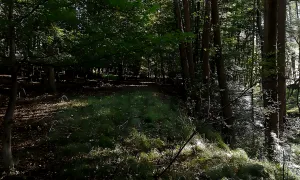
5. Surrounding Forests (Surrounding Forests) - Why it's worth visiting: Beautiful forested areas offer opportunities for picnics or short walks. They are ideal places to enjoy peace and nature.
This route will allow you to discover Nedvězí from various perspectives, from technological monuments to natural beauty.
Seasonal recommendations
Spring: Visiting the Trafostanice v Nedvězí during spring offers a unique experience as nature begins to awaken around this historical site near Praha. The blooming flowers and budding trees create a picturesque atmosphere, making it an ideal time for photography enthusiasts. As daylight extends into the evening, the interplay of natural light with the structure's architecture can be particularly enchanting. Visitors should consider wearing layers to accommodate the variable temperatures typical of spring mornings and afternoons. It’s advisable to arrive early in the day to avoid larger crowds that tend to gather as the weather improves.
Summer: Summer at Trafostanice v Nedvězí is characterized by its vibrant atmosphere, with lush greenery surrounding the site providing a refreshing backdrop for exploration. The longer daylight hours offer ample time for visitors to fully appreciate the historical details of the power station. However, this season also attracts more tourists, so arriving early in the morning can help avoid the larger crowds that peak during midday. Light and breathable clothing is recommended due to the warm temperatures, along with sun protection like hats or sunglasses.
Autumn: Autumn brings a distinctive charm to Trafostanice v Nedvězí, as the foliage transforms into rich hues of red, orange, and yellow. This seasonal change creates a stunning visual contrast against the industrial backdrop of the power station, making it an excellent time for photography. The cooler temperatures are perfect for comfortable exploration without the need for heavy clothing. As daylight begins to shorten, planning your visit earlier in the day ensures you have enough light to enjoy all that the site has to offer.
Winter: Winter at Trafostanice v Nedvězí offers a serene and somewhat mystical experience as snow blankets the landscape, adding a layer of quiet beauty to this historical site. The stark contrast between the white snow and the dark structure can create dramatic photographic opportunities. However, winter conditions may affect accessibility, so it's important to check for any closures or limited hours in advance. Warm clothing is essential, including layers, hats, gloves, and waterproof boots if there’s snow. Visiting during weekdays might also provide a quieter experience compared to weekends when more people seek indoor attractions.
Visualizations and artistic views


The visualisations are generated by artificial intelligence and serve as inspiration.
Photos from the area
Real photos taken near the monument


Zdroj a licence jsou uvedeny u každého snímku.
Tips from visitors
No tips yet. Be the first!
Log in and add your tip.
Sources and literature
Fotografie: ŠJů / CC BY-SA 3.0, rozlišení zvýšeno umělou inteligencí — Wikimedia Commons. The author and licence also appear when you hover over the image.
Faktickým podkladem tohoto textu byl článek na Wikipedii, jehož autory jsou přispěvatelé Wikipedie. Článek je dostupný pod licencí CC BY-SA 4.0.
Location on the map
Příběhy a pověsti
Legendy, pověsti a příběhy spjaté s touto památkou
Fotografie návštěvníků
Zatím žádné fotografie. Buďte první, kdo přidá fotografii z návštěvy!
Přihlaste se a přidejte svou fotografii nebo hodnoťte.
Za ověřenou návštěvu v aplikaci získáte víc bodů — poznáme podle GPS, že jste na místě.
Reviews and comments