






Třebokov Other
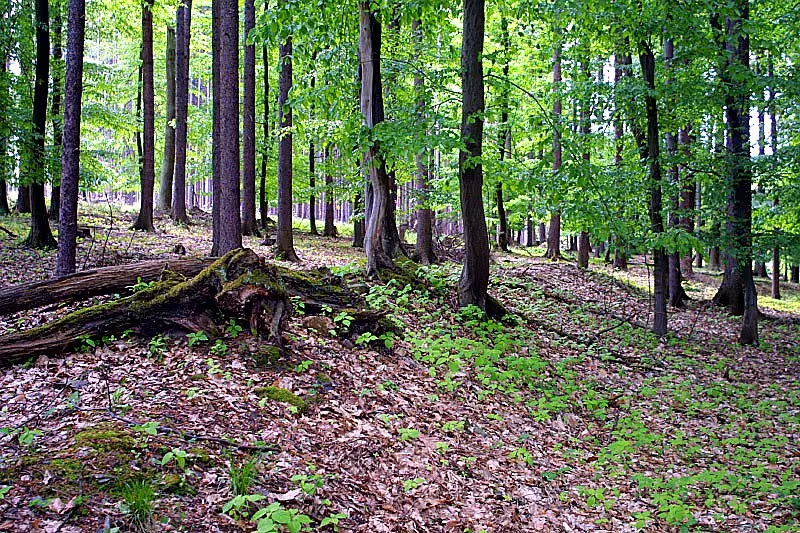
Třebokov, also known as Třebekov, is a vanished medieval site that once served as both a village and an agricultural estate belonging to the Cistercian monastery in Plasy. Located within the municipality of Jarov in the Plzeň-sever district, it lies amidst forests between Jarov, Obora, and Hromnice. This historical monument stands out for its remnants of stone enclosures that offer a glimpse into the architectural style typical of late Cistercian estates.
The origins of Třebokov trace back to no later than the 13th century when it was founded by the Plasy Cistercians, as confirmed in a papal document from Pope Innocent IV in 1250. During this period, Bohemia was under the influence of the Holy Roman Empire, with monastic orders like the Cistercians holding significant ecclesiastical power and expanding their estates across Europe. The estate experienced several ownership changes throughout the late 14th century before becoming deserted around the turn of the 15th and 16th centuries.
Architecturally, Třebokov is notable for its original stone enclosure constructed on a low clay embankment. This structure forms an approximate rectangle with remnants of walls that include two gates in the eastern wall. Evidence suggests various structures once stood here, including what may have been a chapel and significant buildings like the main manor house, known as a propugnaculum, situated near a steep slope by a stream called Bělidlo.
Ownership of Třebokov initially belonged to the Plasy Cistercians. Over time, it changed hands multiple times during the 14th century before becoming abandoned at the turn of the 15th and 16th centuries. The site's historical significance is further underscored by artifacts found there, such as fragments of bricks, tiles, and pottery dating from the 14th to 15th centuries.
Initially mistaken for the ruins of Hrad Železnice, detailed research and analysis have since clarified that these remnants belong to a Cistercian grange. This clarification highlights the importance of archaeological investigation in understanding medieval history accurately.
Today, Třebokov is surrounded by forests near Jarov, Obora, and Hromnice, with its historical structures providing context for its past. The site's current state offers valuable insights into the architectural and social dynamics of late Cistercian estates. Visitors to this monument can appreciate a tangible connection to medieval history, making it a worthwhile destination for those interested in exploring the legacy of monastic life in Bohemia.
Třebokov invites exploration as a testament to the enduring influence of the Cistercians in shaping the cultural and architectural landscape of medieval Europe. Its ruins offer a unique opportunity to delve into the past and reflect on the historical narratives that have shaped this region.
Then and now
Drag the slider to compare how the landmark may have looked when it was built with the view today.
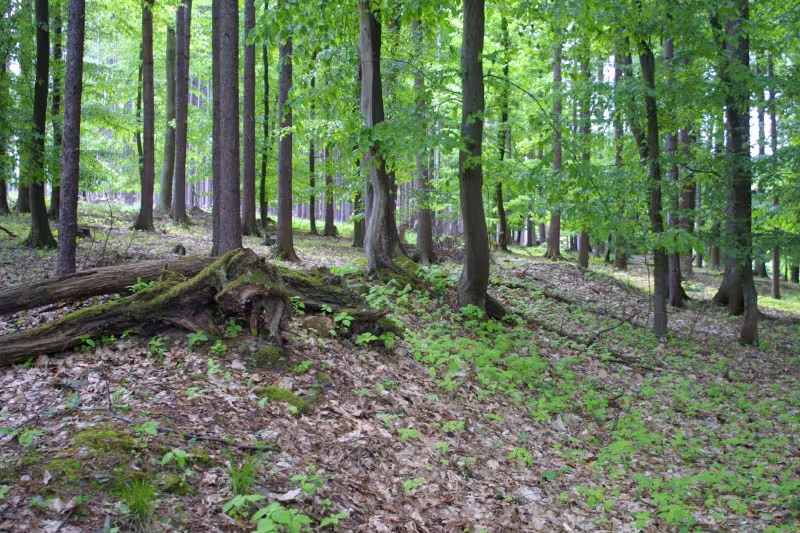

The historical appearance on the left is an AI-generated visualisation and serves as inspiration only.
Historical milestones
- 1250
- The estate was confirmed in possession of the Plasy Cistercians by Pope Innocent IV.
Architectural development
The original stone enclosure at Třebokov was constructed on a low clay embankment, with remnants of walls forming an approximate rectangle. The site included two gates in the eastern wall and evidence of various structures, including what may have been a chapel. A significant building likely served as the main manor house, known as a propugnaculum, situated near a steep slope by a stream.
Historical events
The village was founded no later than the 13th century by the Plasy Cistercians, confirmed in a papal document from 1250.
By the late 14th century, the estate had undergone several ownership changes.
Around the turn of the 15th and 16th centuries, both the village and the manor were abandoned.
Owners
The estate was originally owned by the Plasy Cistercians, as confirmed by Pope Innocent IV in 1250. Over time, it changed hands multiple times during the 14th century before becoming deserted around the turn of the 15th and 16th centuries.
Points of interest
- Třebokov was initially mistaken for the ruins of Hrad Železnice, demonstrating how archaeological research can significantly alter our understanding of historical sites.
- The site's stone enclosures are remnants of a typical late Cistercian architectural style, which reflects their strategic approach to estate management and defense during medieval times.
- Artifacts such as fragments of bricks, tiles, and pottery found at Třebokov date from the 14th to 15th centuries, providing tangible evidence of daily life and construction techniques used by its past inhabitants.
- The main manor house, known as a propugnaculum, was strategically placed near a steep slope by a stream called Bělidlo, illustrating how natural landscapes were integrated into estate planning for both practical and defensive purposes.
- Despite being abandoned at the turn of the 15th and 16th centuries, Třebokov's historical significance is highlighted by its multiple ownership changes during the late 14th century, reflecting broader socio-political shifts in Bohemia at that time.
Guide
This guide is narrated by a synthetic voice generated by artificial intelligence.
Show guide text
This text was created by artificial intelligence and has not been editorially reviewed. It may contain inaccuracies.
Welcome to the historic site of Třebokov, a place where whispers from the past echo through the surrounding forests. As you stand here, amidst the serene landscape between Jarov, Obora, and Hromnice, take a moment to absorb your surroundings. The remnants of stone enclosures invite you into a story that stretches back centuries.
Třebokov's history is deeply intertwined with the Cistercian monastery in Plasy. Established as an agricultural estate, it was confirmed in possession by Pope Innocent IV in 1250, marking its significance within the medieval monastic network. This connection to the Cistercians hints at a period of prosperity and strategic importance.
As you explore further, notice the stone enclosures that stand as silent witnesses to Třebokov's past grandeur. These remnants showcase a typical late Cistercian architectural style, reflecting the order’s influence on rural estate design during this era. The walls speak volumes about the monastic life and agricultural practices that once thrived here.
While specific historical figures associated with Třebokov remain largely unknown, the site itself is a character in its own right. It tells stories of daily monastic routines, labor, and spiritual pursuits, giving us insight into the lives of those who walked these grounds centuries ago.
Interestingly, Třebokov was once mistaken for the ruins of Hrad Železnice. This mix-up underscores how archaeological research can dramatically reshape our understanding of history, revealing new narratives hidden beneath layers of time.
As you conclude your visit to this evocative site, let your imagination wander through the forest paths and stone walls that have stood as silent guardians for centuries. Třebokov invites you to delve deeper into its mysteries, encouraging you to explore further and uncover more about its storied past. Thank you for joining us on this journey through history.
Tips for visitors
The best time to visit Třebokov is during late spring or early autumn when the weather is mild, and the surrounding forests are lush with greenery or vibrant fall colors. These seasons offer pleasant temperatures for exploring the ruins without the discomfort of summer heat or winter cold. Additionally, visiting during these times allows you to enjoy the natural beauty of the area while avoiding large crowds that might be present in peak tourist seasons.
Always check the latest schedules and routes online to ensure smooth travel plans.
When visiting Třebokov, it’s advisable to bring comfortable walking shoes as you’ll be exploring uneven terrain among the ruins and forest paths. A hat, sunscreen, and water are also recommended, especially if you plan to spend a full day outdoors. Additionally, carrying a camera or smartphone for photography can help capture the site's historical ambiance.
For photography enthusiasts, Třebokov offers several picturesque spots, particularly during golden hours—early morning or late afternoon when the light is soft and warm. The ruins themselves provide dramatic backdrops against the natural landscape, while the stream Bělidlo adds a serene element to your shots. Exploring different angles around the remnants can yield unique perspectives of this historical site.
Nearby attractions within 30 minutes include the Cistercian monastery in Plasy, which offers insight into the religious and cultural history connected to Třebokov. The village of Jarov is also close by, providing a glimpse into local life and additional walking trails through beautiful countryside. These sites complement your visit with more historical context and natural beauty.
Frequently asked questions
Can the monument be visited?
This is a ruin. Such sites are often freely accessible, but some can only be visited with a guide or are closed for safety reasons. We have not verified the current situation – take care and respect any restrictions.
Where is the monument?
Location: Plzeňský kraj. The map on this page shows the exact spot.
Why is the monument protected?
It is listed in the Central List of Cultural Monuments of the Czech Republic as a cultural monument (register no. 1000130537).
Businesses nearby
Do you run a restaurant, accommodation, shop, museum, rental, wellness or other visitor service near this monument? Show yourself directly to the people heading to it — this is how they will see you in the app and on the web:
Nearby
Třebokov is surrounded by forests near Jarov, Obora, and Hromnice. The area features a stream called Bělidlo and remnants of historical structures that provide context for its medieval past.
Accommodation nearby
Trips and activities nearby
Guided tours, tickets and activities nearby from GetYourGuide
Affiliate link: if you buy from the partner, we may receive a commission. The price for you does not change.
Search tours and activities →Themed route
Třebokov Thematic Walking Tour
1. Třebokov Castle Ruins - Type: Historical Site - Why Visit: Begin your journey at the Třebokov Castle ruins, where you can explore the remnants of this medieval fortress and imagine its past grandeur. The site offers a glimpse into the historical significance of the area, providing context for the surrounding landscape.
2. Bělidlo Stream - Type: Natural Feature - Why Visit: A short walk from the castle ruins will lead you to Bělidlo stream. This serene waterway is perfect for a peaceful stroll and offers an opportunity to appreciate the natural beauty of the forested surroundings. The gentle flow of the stream adds tranquility to your exploration.
3. Jarov Forest Path - Type: Scenic Trail - Why Visit: Head towards Jarov, where you can follow a scenic path through dense forests. This trail is ideal for nature lovers and offers picturesque views of the lush greenery that characterizes this area. The forest path provides a sense of seclusion and connection with nature.
4. Obora Historical Trail - Type: Cultural Route - Why Visit: Continue your journey to Obora, where you can follow historical trails marked by remnants of past structures. This route offers insights into the medieval lifestyle and architectural styles that once thrived in this region. It's a perfect spot for history enthusiasts eager to delve deeper into the area's heritage.
5. Hromnice Forest Walk - Type: Nature Trail - Why Visit: Conclude your tour with a walk through the forests near Hromnice. This trail allows you to immerse yourself in nature, surrounded by towering trees and the sounds of wildlife. It’s an ideal way to reflect on the day's journey while enjoying the peaceful ambiance of the forest.
This thematic walking tour offers a blend of history, culture, and natural beauty, providing a comprehensive experience of the Třebokov area and its surroundings.
Seasonal recommendations
Spring: Visiting Třebokov during spring offers a unique experience as the ruins are enveloped by a vibrant tapestry of blooming wildflowers and budding trees, creating a picturesque setting that enhances the historical ambiance. The soft light filtering through new leaves provides a gentle illumination, highlighting the textures and details of the ancient stones. Visitors should be prepared for occasional rain showers typical of this season, so wearing waterproof footwear and carrying an umbrella is advisable. Early morning visits are recommended to avoid larger crowds as more people venture outdoors during pleasant weather.
Summer: The summer months bring long days and warm sunshine, making Třebokov a popular destination for those seeking both history and relaxation in nature. The lush greenery surrounding the ruins offers ample shade and scenic spots for picnics or leisurely exploration. However, the site can become quite crowded during peak tourist season, so arriving early in the morning is advisable to enjoy a more peaceful visit. Comfortable walking shoes and light clothing are recommended due to the warm temperatures.
Autumn: Autumn at Třebokov transforms the ruins into a serene haven with its rich palette of reds, oranges, and yellows as leaves change color. The cooler weather makes for comfortable exploration without the summer heat, while the soft autumn light casts dramatic shadows across the ancient stones, adding to the site's mystique. Visitors should be prepared for unpredictable weather, including sudden rain showers, so layered clothing and a waterproof jacket are recommended.
Winter: Winter offers a unique atmosphere at Třebokov, with snow often blanketing the ruins in a quiet, ethereal beauty that contrasts sharply with the vibrant colors of other seasons. The shorter days mean fewer visitors and a more intimate experience as you wander through the silent stones under the crisp winter sky. However, access may be limited due to weather conditions, so checking ahead for any closures or restrictions is important. Dress warmly in layers and wear sturdy boots to navigate potentially icy paths safely.
Visualizations and artistic views


The visualisations are generated by artificial intelligence and serve as inspiration.
Tips from visitors
No tips yet. Be the first!
Log in and add your tip.
Sources and literature
Photos: Adam Hauner / CC BY-SA 3.0 — Wikimedia Commons. The author and licence also appear when you hover over the image.
Faktickým podkladem tohoto textu byl článek na Wikipedii, jehož autory jsou přispěvatelé Wikipedie. Článek je dostupný pod licencí CC BY-SA 4.0.
Location on the map
More monuments – Plzeňský kraj
Show all in the region

Příběhy a pověsti
Legendy, pověsti a příběhy spjaté s touto památkou

Fotografie návštěvníků
Zatím žádné fotografie. Buďte první, kdo přidá fotografii z návštěvy!
Log in a přidejte svou fotografii nebo hodnoťte.
Za ověřenou návštěvu v aplikaci získáte víc bodů — poznáme podle GPS, že jste na místě.
Reviews and comments