



Ukrajinský vyšší pedagogický institut v Praze Other
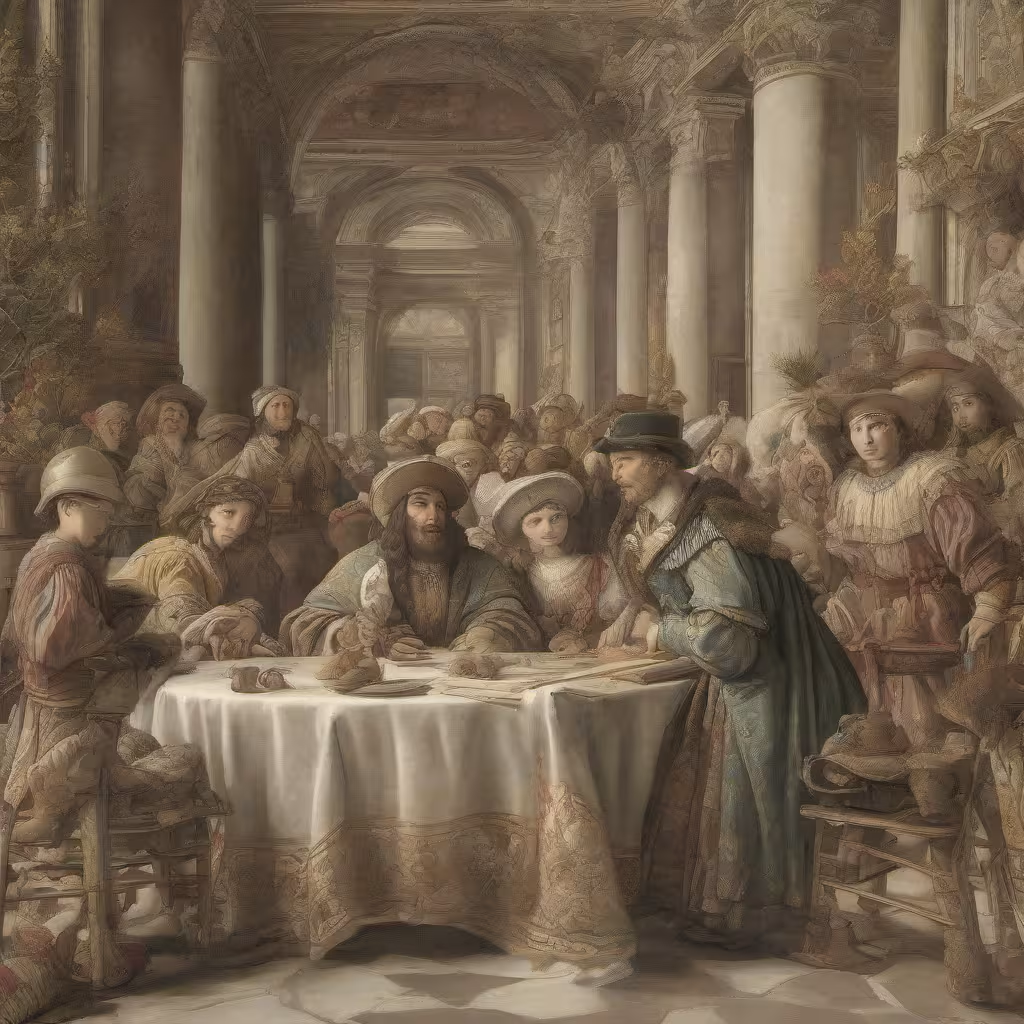
The Ukrainian Higher Pedagogical Institute Mychajla Dragomanova was a significant institution for Ukrainian teachers and extracurricular education in Czechoslovakia. Founded in 1923, it played an important role in educating the community until its abolition in 1933 due to financial difficulties.
Initially established as a two-year pedagogical school for primary schools and extracurricular education, the institute aimed to prepare teachers for basic education. In 1925, a four-year curriculum was introduced, allowing students to also prepare for teaching at secondary schools. The institute had departments for literary and historical studies, mathematics and natural sciences, music, and pedagogy.
Theoretical singing was taught by singer and musicologist Dmytro Levitskyj, who significantly contributed to the development of Ukrainian culture. Many graduates went on to work in Carpathian Ukraine, shaping education and cultural life.
During this period, Czechoslovakia experienced significant cultural and political changes. The institute published 44 scripts and three volumes of "Works" between 1929-1933, as well as 11 works by the Ukrainian Publishing Fund in Prague. These publications demonstrate the institute's commitment to promoting Ukrainian culture and education.
The institute had a total of 78 teachers, with 178 students graduating from its programs, including 31 with doctoral degrees. It also offered admission courses for individuals without completed secondary education, which later evolved into the Ukrainian Gymnasium in Czechoslovakia.
Unfortunately, the institute was abolished in 1933 due to financial difficulties. Today, the site where it once stood is no longer accessible as a tourist destination. However, its legacy lives on through the many graduates who made significant contributions to Ukrainian culture and education.
Despite being closed for over eight decades, the Ukrainian Higher Pedagogical Institute Mychajla Dragomanova remains an important part of Czechoslovakian history, offering a unique glimpse into the country's cultural and educational landscape during the early 20th century. Visitors can still learn about its significance through historical records and archives, making it a valuable destination for those interested in exploring this period of history.
Historical milestones
- 1923
- Founded the Ukrainian Higher Pedagogical Institute Mychajla Dragomanova
- 1925
- Introduced a four-year curriculum allowing students to prepare for teaching at secondary schools
- 1929
- Published 44 scripts and three volumes of 'Works'
- 1933
- Abolished due to financial difficulties
Architectural development
The institute had departments for literary and historical studies, mathematics and natural sciences, music and pedagogy. Theoretical singing was taught by singer and musicologist Dmytro Levitskyj.
Historical events
Founded in 1923
Introduced a four-year curriculum in 1925
Published 44 scripts and 3 volumes of 'Works' between 1929-1933
Points of interest
– The Ukrainian Higher Pedagogical Institute Mychajla Dragomanova had a unique music department that taught theoretical singing, which was led by singer and musicologist Dmytro Levitskyj. He significantly contributed to the development of Ukrainian culture.
– Despite its relatively short existence from 1923 to 1933, the institute published an impressive 44 scripts and three volumes of "Works" between 1929-1933, as well as 11 works by the Ukrainian Publishing Fund in Prague.
– The institute had a remarkable number of graduates with doctoral degrees – 31 out of a total of 178 students who graduated from its programs. These individuals went on to make significant contributions to Ukrainian culture and education.
– The institute was not only a hub for Ukrainian education but also played a role in promoting Ukrainian culture, offering admission courses for individuals without completed secondary education, which later evolved into the Ukrainian Gymnasium in Czechoslovakia.
– Although the institute is no longer accessible as a tourist destination, its legacy lives on through the many graduates who made significant contributions to Ukrainian culture and education.
Guide
This guide is narrated by a synthetic voice generated by artificial intelligence.
Show guide text
This text was created by artificial intelligence and has not been editorially reviewed. It may contain inaccuracies.
The Mykhailo Drahomanov Ukrainian Higher Pedagogical Institute was a teacher training school that operated in Prague from nineteen twenty-three to nineteen thirty-three. It was opened by the Ukrainian Public Committee and received financial support from the Czechoslovak government for its operations.
Initially it was a two-year school. It trained teachers for primary schools and for extracurricular education. From nineteen twenty-five the institute introduced a four-year course so that it could also train teachers for secondary schools. Several notable figures served as heads of the school. The first was Leonid Bileckyj, who held the title of director until nineteen twenty-five. He was followed by rectors Simovyč and Harmašiv.
Teaching took place in several departments. There was a literary and historical department where Levko Čykalenko taught anthropology, ethnography and archaeology. Furthermore there was a mathematics and natural sciences department. From nineteen twenty-four a music and pedagogy department was added. The singer and musicologist Dmytro Levitskyj taught voice theory there.
During its existence, a total of seventy-eight educators taught at the institute. The school was completed by one hundred and seventy-eight students, of which thirty-one obtained a doctorate. Many graduates later worked in Carpathian Ukraine.
The institute was also involved in publishing specialized literature. Forty-four scripts and three volumes of Works were created there, which were published between nineteen twenty-nine and nineteen thirty-three by the Sijač society operating at the institute. A further eleven works were published by the Ukrainian Publishing Fund in Prague.
From nineteen twenty-four, matriculation courses operated at the school. They were intended for people who did not have a certificate of completed secondary education. In nineteen twenty-five these courses became a gymnasium, known as the Ukrainian Gymnasium in Czechoslovakia.
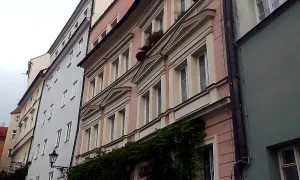
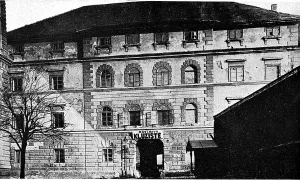
The institute's office moved several times. It was located on Žitná Street number fourteen, then on Malátova Street number nineteen and on Školská Street number eight. From nineteen thirty-two it was in the House of Agricultural Education.
In nineteen thirty-three the institute was closed because it no longer received financial support from the Czechoslovak government.
Tips for visitors
Best Time to Visit: The Ukrainian Higher Pedagogical Institute Mychajla Dragomanova is open year-round, making it a great destination for visitors at any time of the year. However, if you're looking for optimal weather conditions and fewer tourists, consider visiting during the spring or autumn seasons.
What to Bring: Wear comfortable shoes for walking around the premises, as well as layers for changing weather conditions. Don't forget to bring a camera to capture the historic architecture and scenic views.
Photography: The institute's exterior façade offers stunning photography opportunities during sunrise or sunset when the light is soft and warm. Be sure to explore the surrounding area for unique perspectives and angles.
What to See Nearby (30 minutes away): Explore the nearby Charles Bridge, a iconic landmark in Prague, or visit the National Museum to learn more about Czech history and culture.
Frequently asked questions
Can the monument be visited?
We have not verified whether this monument is accessible. Please ask the owner or operator, or the local municipal office.
Where is the monument?
Location: Praha, Hlavní město Praha. The map on this page shows the exact spot.
Businesses nearby
Do you run a restaurant, accommodation, shop, museum, rental, wellness or other visitor service near this monument? Show yourself directly to the people heading to it — this is how they will see you in the app and on the web:
Accommodation nearby
Themed route
Thematic Tour Route
Main Goal: Ukrainian Higher Pedagogical Institute in Prague (and surrounding attractions)
Location: Prague, Czech Republic
Okolí:
* Petřín Hill * Strahov Monastery * Štefánik Observatory
Route:
1. Petřín Tower - Start your journey at the iconic Petřín Tower, a 60-meter-tall steel structure resembling the Eiffel Tower. Enjoy panoramic views of Prague and learn about its history. 2. Strahov Monastery (approx. 3 km from Petřín Tower) - Visit this beautiful Baroque monastery, home to the Strahov Charterhouse, a community of Carthusian monks. Explore the peaceful surroundings and admire the stunning architecture. 3. Štefánik Observatory (approx. 1 km from Strahov Monastery) - Stop by this historic observatory, named after Czech-American astronaut Antonín Štefánik. Learn about astronomy and enjoy the views of the surrounding hills.
4. Ukrainian Higher Pedagogical Institute in Prague (approx. 2 km from Štefánik Observatory) - Finally, arrive at your main goal: this unique institution dedicated to Ukrainian culture and education. Explore its beautiful campus, attend a cultural event or simply enjoy the peaceful atmosphere.
This route combines history, architecture, and culture, offering a unique blend of Prague's attractions and the Ukrainian community in the city.
Seasonal recommendations
Here are the seasonal recommendations for visiting the Ukrainian Higher Pedagogical Institute in Prague:
Spring
As you step into the historic building, you'll be greeted by the gentle warmth of spring sunshine streaming through the windows. The surrounding streets will be filled with blooming trees and flowers, creating a picturesque atmosphere. To make the most of your visit, consider arriving early to avoid the morning rush and enjoy the quiet morning hours. Dress comfortably in layers, as the temperature can fluctuate between warm and cool.
Summer
During the summer months, the institute's courtyard is filled with lush greenery and vibrant flowers, creating a serene oasis in the heart of the city. As you walk around, take in the sweet scent of blooming lavender and enjoy the warm sunshine. Be prepared for larger crowds during peak tourist season, so plan your visit accordingly. Arrive early to beat the heat and enjoy the peaceful morning atmosphere.
Autumn
As autumn arrives, the institute's courtyard transforms into a kaleidoscope of colors, with leaves turning golden, amber, and crimson. The crisp air is filled with the scent of ripe fruit and woodsmoke, creating a cozy atmosphere. To make the most of your visit, consider arriving during the week or early morning to avoid the weekend crowds. Dress warmly in layers, as the temperature can drop significantly.
Winter
As winter sets in, the institute's historic building takes on a serene, snow-covered beauty. The cold air is crisp and clean, filled with the scent of woodsmoke and hot chocolate. To make the most of your visit, consider arriving during the week or early morning to avoid the weekend crowds. Dress warmly in layers, as the temperature can drop significantly.
Visualizations and artistic views


The visualisations are generated by artificial intelligence and serve as inspiration.
Tips from visitors
No tips yet. Be the first!
Log in and add your tip.
Sources and literature
Faktickým podkladem tohoto textu byl článek na Wikipedii, jehož autory jsou přispěvatelé Wikipedie. Článek je dostupný pod licencí CC BY-SA 4.0.
Příběhy a pověsti
Legendy, pověsti a příběhy spjaté s touto památkou
Fotografie návštěvníků
Zatím žádné fotografie. Buďte první, kdo přidá fotografii z návštěvy!
Log in a přidejte svou fotografii nebo hodnoťte.
Za ověřenou návštěvu v aplikaci získáte víc bodů — poznáme podle GPS, že jste na místě.
Reviews and comments