






Úlice Castle
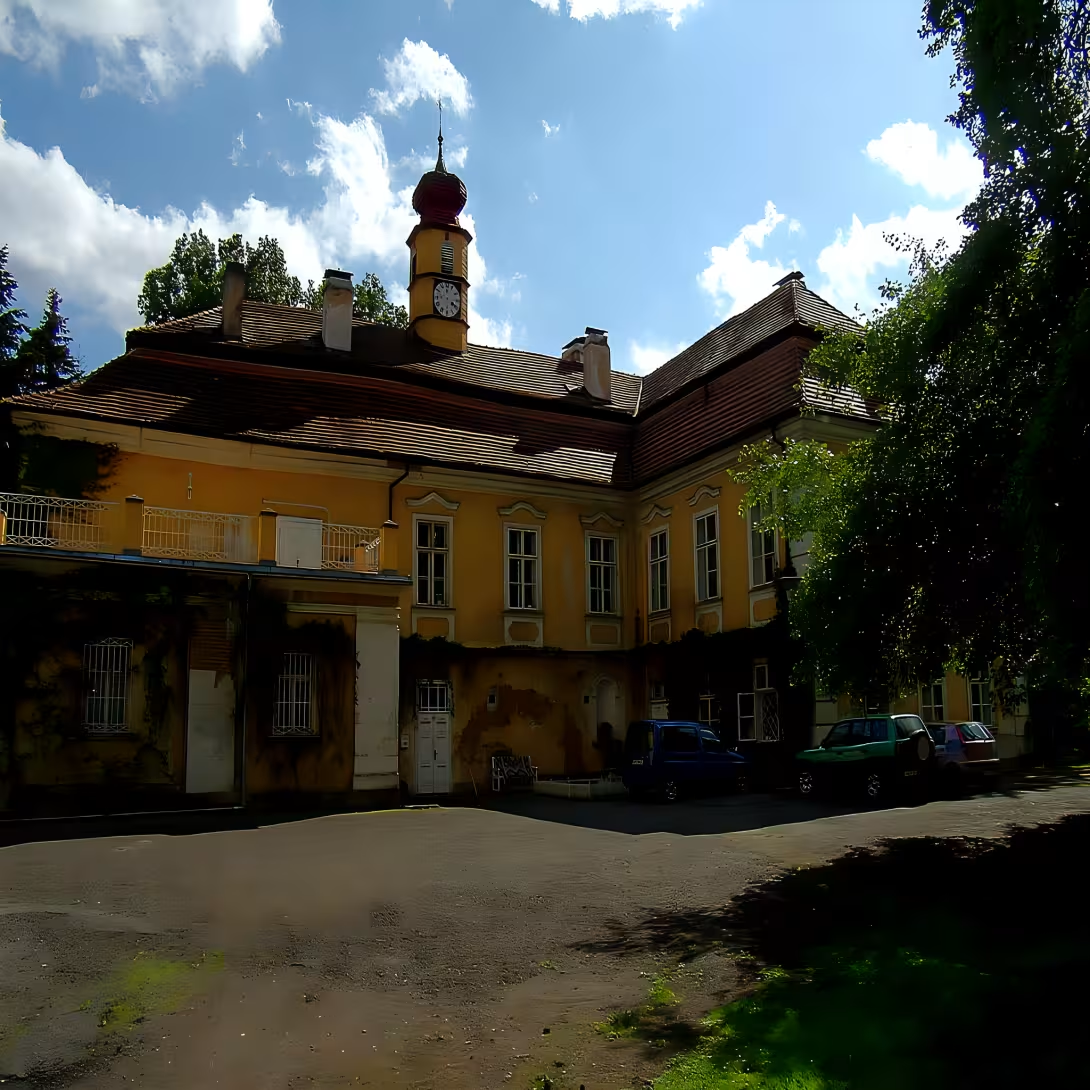
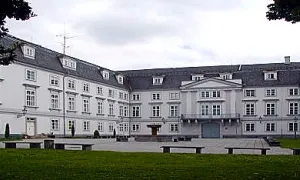
The Úlice Baroque Chateau is a significant cultural monument located in the village of Úlice within Plzeňský kraj, Czech Republic. This chateau exemplifies Baroque architecture, originally built on an older fortress site during the eighteenth century. Notable features include a mansard roof and an octagonal tower topped by a bulbous dome, making it a distinctive regional landmark. The façade is adorned with a cornice frieze, chamfered corners, and narrow windows featuring triangular or segmental pediments. Despite its Baroque exterior, parts of the interior boast compressed barrel vaults and cross vaults, adding architectural intrigue.
The chateau's origins trace back to the late medieval period when a fortress likely existed on the site. Historical records mention this fortress during the Hussite Wars under King Jiří of Poděbrad in the mid-15th century, indicating its strategic importance. The transformation into a Baroque chateau began in 1713 when Jindřich Zikmund ze Schirndingu acquired Úlice and initiated significant architectural changes. This period marked a broader European trend where medieval fortresses were converted into more opulent structures, reflecting the grandeur of the Baroque era.
Architecturally, the chateau features a single-story layout with three wings, a mansard roof, and an octagonal tower topped by a bulbous dome. The façade includes a cornice frieze, chamfered corners, and narrow windows adorned with triangular or segmental pediments. Inside, it boasts barrel vaults, although some sources suggest variations in the ground floor's vaulting style.
Ownership of the Úlice Chateau has changed hands several times throughout its history. Initially owned by Jindřich and Jan Úlický z Úlic in the mid-15th century, it later passed to Barbora Lidmila Úlická after her marriage to Vilém Leopold z Říčan. In 1713, Jindřich Zikmund ze Schirndingu acquired the property and began its transformation into a Baroque chateau. Subsequent owners included Josef Václav Soyer z Burgsburgu a Edlingu, who inherited it in 1783 before selling it to Alois Haffenbrädl in 1795. The chateau was later owned by Anastaz Herbig from 1801, his son Josef Prokop Herbig, Antonín Cecinkar z Birnitzu starting in 1833, Rudolf Dombrowský from 1859, Bedřich Stadion-Thannhausen beginning in 1889, and finally the Macenauer family from 1900. Since at least the early 20th century, it has remained privately owned.
Throughout its history, the Úlice Chateau witnessed significant events, particularly during the Hussite Wars when the village of Úlice was burned twice in 1467 and 1471. These events underscored the site's strategic importance during tumultuous periods in Bohemian history. Despite these challenges, the chateau's transformation into a Baroque structure reflects resilience and adaptation to changing times.
Today, the Úlice Chateau remains privately owned and is not accessible to the public. However, its historical significance and architectural beauty make it noteworthy for those interested in exploring the region's rich cultural heritage. The chateau is surrounded by an English-style park on its northern side, enhancing its picturesque setting. This serene environment, along with surrounding villages such as Chotěšovičky, Kozolupy, Kunějovice, Ošelín, and Řebří, offers a glimpse into the historical landscape of Plzeňský kraj.
The Úlice Baroque Chateau stands as a testament to architectural evolution from medieval fortresses to grand Baroque structures. Its rich history and distinctive design make it an invaluable cultural monument worth exploring for those interested in Czech heritage. While access may be limited, its presence continues to captivate historians and architecture enthusiasts alike, inviting visitors to appreciate its historical significance and artistic beauty.
Then and now
Drag the slider to compare how the landmark may have looked when it was built with the view today.
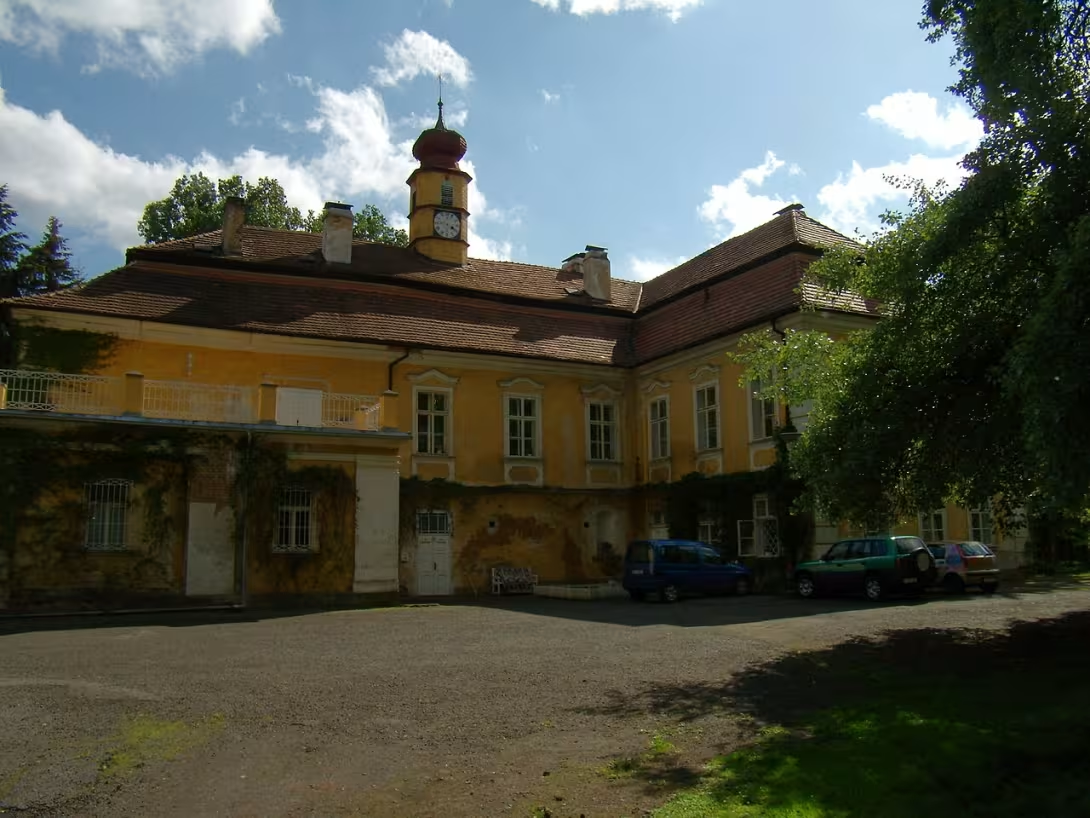

The historical appearance on the left is an AI-generated visualisation and serves as inspiration only.
Historical milestones
- 1467
- The village of Úlice was burned during the Hussite Wars.
- 1471
- Another burning of Úlice occurred during the Hussite Wars.
Architectural development
The original medieval fortress was transformed into a Baroque chateau in the late seventeenth or eighteenth century. The structure features a single-story layout with three wings, a mansard roof, and an octagonal tower topped by a bulbous dome. Architectural elements include a cornice frieze, chamfered corners, narrow windows with triangular or segmental pediments, and interior barrel vaults.
Historical events
The original fortress was likely built in the late medieval period, with a documented mention during the Hussite Wars under King Jiří of Poděbrad in the mid-15th century.
In 1713, Jindřich Zikmund ze Schirndingu acquired Úlice and initiated its transformation into a Baroque chateau.
Owners
The first known owners were Jindřich and Jan Úlický z Úlic in the mid-15th century, followed by Barbora Lidmila Úlická after her marriage to Vilém Leopold z Říčan. In 1713, it was acquired by Jindřich Zikmund ze Schirndingu. Josef Václav Soyer z Burgsburgu a Edlingu inherited the chateau in 1783 and sold it to Alois Haffenbrädl in 1795. Subsequent owners included Anastaz Herbig (from 1801), his son Josef Prokop Herbig, Antonín Cecinkar z Birnitzu (from 1833), Rudolf Dombrowský (from 1859), Bedřich Stadion-Thannhausen (from 1889), and the Macenauer family from 1900.
Points of interest
- The Úlice Chateau's transformation from a medieval fortress to a Baroque chateau began in 1713 when Jindřich Zikmund ze Schirndingu acquired the property. This reflects a broader European trend of converting fortresses into opulent residences, showcasing the era's shift towards grandeur and artistic expression.
- During the Hussite Wars, Úlice was burned twice—once in 1467 and again in 1471—highlighting its strategic importance during this tumultuous period in Bohemian history. These events underscored the chateau's resilience, as it eventually transitioned into a Baroque masterpiece despite such adversities.
- The ownership of the Úlice Chateau has seen numerous changes over the centuries, with notable owners including Barbora Lidmila Úlická and Josef Václav Soyer z Burgsburgu a Edlingu. This frequent change in hands reflects the chateau's value and desirability across different historical periods.
- Architecturally, the interior of the Úlice Chateau features compressed barrel vaults and cross vaults, adding an element of intrigue beneath its Baroque façade. These architectural elements highlight the blend of functionality and artistic design typical of the period.
- Despite being privately owned and not accessible to the public today, the Úlice Chateau remains a significant cultural monument in Plzeňský kraj. Its historical significance and unique architectural features continue to captivate historians and architecture enthusiasts alike.
Guide
This guide is narrated by a synthetic voice generated by artificial intelligence.
Show guide text
This text was created by artificial intelligence and has not been editorially reviewed. It may contain inaccuracies.
Úlice is a Baroque castle from the eighteenth century in the municipality of the same name in the Plzeň region. It likely grew up on the site of an older fortified residence and together with the adjacent park is today protected as a cultural monument.
The first noble residence in Úlice was a Gothic fortified tower. According to August Sedláček, it could have stood as early as 1329. However, it is documented in writing only from the second half of the fifteenth century. During the wars in the reign of King Jiří z Poděbrad, the village was burned down in 1467 and 1471. At that time it belonged to the brothers Jindřich and Jan Úlický z Úlic. Jan's descendants held the village with the fortified tower until 1674, when Jindřich Jiří Úlický z Úlic died. His daughter Barbora Lidmila married Vilém Leopold z Říčan. He later became so heavily indebted that in 1703 he had to sell the entire estate and move away.
In 1713, Jindřich Zikmund ze Schirndingu acquired Úlice. He also attached to it Chotěšovičky, Kozolupy, Kunějovice, Ošelín and Řebří. The manor later fell apart and only Úlice and Chotěšovičky remained from it, though Jezná was added. Sometime around that time, or perhaps not until the second half of the eighteenth century, the old fortified tower was converted into a Baroque castle.
In 1783 the castle was inherited by Josef Václav Soyer z Burgsburgu a Edlingu. In 1795 it was bought from him by glassworks entrepreneur Alois Haffenbrädl. From 1801 it belonged to Czech land councilor Anastaz Herbigy and after him to his son Josef Prokop. In 1833 it passed to knight Antonín Cecinkar z Birnitzu, in 1859 to Rudolf Dombrowský and in 1889 to Bedřich Stadion-Thannhausen. From 1900 it was owned by the Macenauer family. In the second half of the twentieth century the building housed the administration of a state farm.
The castle is a single-storey three-winged building with a mansard roof, from which rises an octagonal tower with a bulbous roof. The eastern ground floor wing is younger. The façade is articulated by a string course and rusticated corners. The windows are framed by narrow surrounds and above them are triangular or segmental pediments. According to some descriptions, the rooms have barrel vaults, according to others the ground floor has compressed barrel vaults and cross vaults.
On the southern side of the castle there was once a formal parterre with floral ornaments. On the northern side an English park is adjacent.
Tips for visitors
The best time to visit the Úlice Baroque Chateau is during late spring or early autumn, when the weather is mild and pleasant for exploring both the chateau and its surrounding English-style park. These seasons offer vibrant natural scenery, making it ideal for a leisurely stroll through the picturesque surroundings. Additionally, visiting outside of peak summer months can help avoid larger crowds, allowing for a more intimate experience with this cultural monument.
If you're using public transportation, verify current routes and schedules via a reliable travel app or website to ensure smooth access to the area.
When planning your visit, consider bringing comfortable walking shoes as there are several areas to explore both inside and outside the chateau grounds. A camera is recommended for capturing the stunning architecture of the chateau and the beauty of the surrounding park. Additionally, carrying a light jacket or sweater can be useful, especially if you plan on exploring in the late afternoon when temperatures may drop.
For photography enthusiasts, some of the best spots to capture the Úlice Chateau include its northern side where it is framed by the English-style park. Early morning or late afternoon light provides a soft glow that enhances the chateau's Baroque architecture. Inside, look for well-lit rooms and corridors to photograph intricate details.
Nearby attractions within a 30-minute drive include historical villages such as Chotěšovičky, Kozolupy, Kunějovice, Ošelín, and Řebří. Each village offers its own unique charm and history, making them perfect for extending your cultural exploration in the region.
For families with children, the Úlice Chateau provides a rich historical experience that can be both educational and entertaining. The expansive park is ideal for kids to run around and explore nature. Additionally, consider visiting during family-friendly events or workshops if available, which are often designed to engage younger audiences.
Frequently asked questions
Can the monument be visited?
Some buildings of this kind are open for guided tours, others serve another purpose or are privately owned. We have not verified whether and when this monument is open – please ask the operator.
What are the opening hours and admission?
We have not verified the opening hours or admission. Current information is published by the operator.
Where is the monument?
Location: č.p. 1, Úlice, Plzeňský kraj. The map on this page shows the exact spot.
Why is the monument protected?
It is listed in the Central List of Cultural Monuments of the Czech Republic as a cultural monument (register no. 18936/4-1597).
Businesses nearby
Do you run a restaurant, accommodation, shop, museum, rental, wellness or other visitor service near this monument? Show yourself directly to the people heading to it — this is how they will see you in the app and on the web:
Nearby
The Úlice Chateau is surrounded by an English-style park on its northern side, adding to its picturesque setting. The area includes other historical villages such as Chotěšovičky, Kozolupy, Kunějovice, Ošelín, and Řebří.
Accommodation nearby
Trips and activities nearby
Guided tours, tickets and activities nearby from GetYourGuide
Affiliate link: if you buy from the partner, we may receive a commission. The price for you does not change.
Search tours and activities →Themed route
Úlice Thematic Tour Itinerary
1. Úlice Chateau - Type: Castle - Why Visit: Begin your journey at the stunning Úlice Chateau, a picturesque castle surrounded by an English-style park on its northern side. Explore its historical architecture and enjoy the serene ambiance of the well-maintained gardens.
2. Chotěšovičky - Type: Historical Village - Why Visit: A short drive from Úlice Chateau, Chotěšovičky offers a glimpse into rural life with its charming traditional houses and peaceful surroundings. It's perfect for those interested in the cultural heritage of the region.
3. Kozolupy - Type: Historical Village - Why Visit: Known for its quaint atmosphere, Kozolupy is an ideal spot to explore local history and enjoy a leisurely walk through its scenic streets. The village's architecture provides insight into traditional Czech rural life.
4. Kunějovice - Type: Historical Village - Why Visit: Kunějovice offers a tranquil setting with its picturesque landscapes and historical charm. Visitors can appreciate the village’s rustic beauty while learning about its past through local stories and landmarks.
5. Ošelín - Type: Historical Village - Why Visit: Conclude your tour in Ošelín, where you'll find a peaceful environment perfect for relaxation. The village's historical significance is complemented by its natural beauty, making it an ideal spot to reflect on the day’s journey.
This itinerary provides a comprehensive exploration of Úlice and its surrounding villages, offering insights into their history and culture while enjoying picturesque landscapes.
Seasonal recommendations
Jaro: Úlice nabízí návštěvníkům jarní atmosféru plnou nově vyrůstající zeleně a kvetoucích keřů, které obklopují historický zámek. Slunečné dny se střídají s chladnými počasím, takže je vhodné mít v ruce jak teplé oblečení, tak lehkou bundu pro přechody. Úroveň davů zůstává obvykle nízká, což umožňuje klidnější procházku a detailní zkoumání architektonických rysů bez rušení. Nejlepší čas na návštěvu je v poledne, kdy slunce osvětluje zámek jasnými světly, což zdůrazňuje jeho historickou krásu.
Léto: Léta přinášejí dlouhé a slunečné dny na Úlici, kdy je zámek v plném rozpale světla. Tato sezóna je nejvíce navštěvovaná, takže se doporučuje přijet do hradního areálu brzy ráno, aby se vyhnuli těm největším davům. Vlhké poledne mohou být nesnesitelná, proto je vhodné nosit lehké oblečení a uvést si s sebou ochranné sluneční brýle a krém proti UV záření. Návštěvníci si mohou užít koupání v okolních rybnících nebo relaxaci ve stínu starých líp, což přidává do procházky pohodlí a odpočinku.
Podzim: Podzim na Úlici nabízí měnivé počasí s jasnými, teplými dny a chladnými večery. Zámek je obklopen barevnou paletou listů, což vytváří jedinečnou atmosféru vhodnou pro fotografii. Návštěvníci by měli být připraveni na rychlé změny počasí a nosit vrstvené oblečení, které umožní přizpůsobit se jak teplým, tak chladným podmínkám. Kvůli mírně sníženému turistickému ruchu je tento čas ideální pro klidné prozkoumání historických místností a zahradních oblastí bez překážky davů.
Zima: Zimní návštěva Úlice nabízí útulnou atmosféru s mírnými teplotami, které se často pohybují kolem ledových bodů. Světlo je slabší a delší večery mohou přinést krásné zimní svítání, což vytváří romantickou náladu pro procházku po hradním areálu. Je důležité se obléci teplě, s důrazem na ochranu hlavy a paží, a mít vhodný kvalitní boty pro chodbu na studeném povrchu. Zajímavostí může být sledování příprav na výroční vánoční akce, které zde probíhají.
Visualizations and artistic views


The visualisations are generated by artificial intelligence and serve as inspiration.
Atmosphere of the place
This atmospheric visualisation of the place and period was generated by artificial intelligence. It is not real footage of the location.
Tips from visitors
No tips yet. Be the first!
Log in and add your tip.
Sources and literature
Photos: Krabat77 / CC BY-SA 3.0, rozlišení zvýšeno umělou inteligencí — Wikimedia Commons. The author and licence also appear when you hover over the image.
Faktickým podkladem tohoto textu byl článek na Wikipedii, jehož autory jsou přispěvatelé Wikipedie. Článek je dostupný pod licencí CC BY-SA 4.0.
Location on the map

Příběhy a pověsti
Legendy, pověsti a příběhy spjaté s touto památkou
Fotografie návštěvníků
Zatím žádné fotografie. Buďte první, kdo přidá fotografii z návštěvy!
Log in a přidejte svou fotografii nebo hodnoťte.
Za ověřenou návštěvu v aplikaci získáte víc bodů — poznáme podle GPS, že jste na místě.
Reviews and comments