






Valdická kartouza Monastery
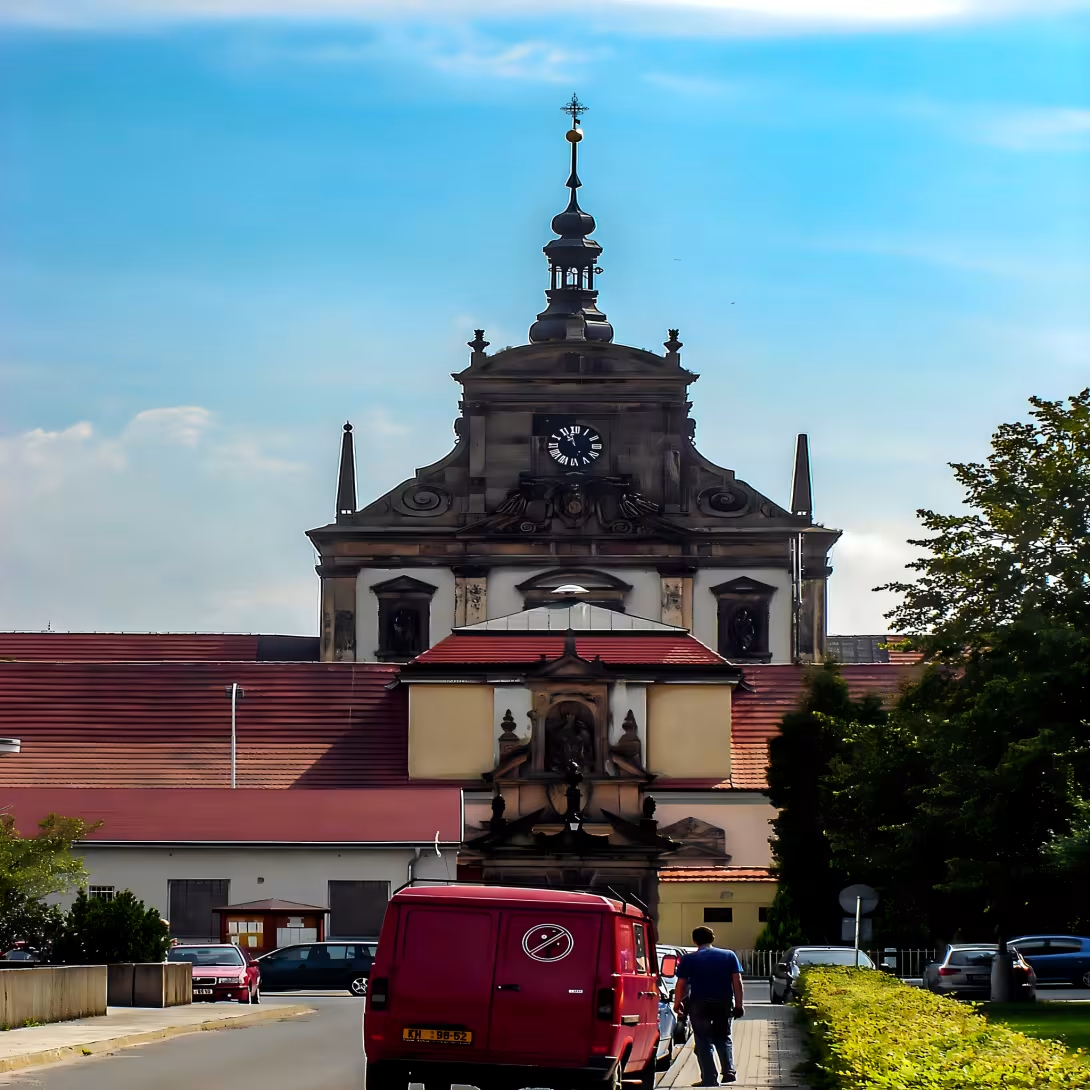
Valdická Kartouza, located near Jičín in Valdice, is a former Carthusian monastery known for its early Italian Baroque architecture. Founded by Albrecht Václav Eusebius von Wallenstein as part of his architectural vision for the region, it features a symmetrical layout with a central church dedicated to the Assumption of the Virgin Mary. Today, this historical site serves as one of Czech Republic's most secure prisons.
The origins of Valdická Kartouza date back to the early 17th century when Albrecht Václav Eusebius von Wallenstein founded it around 1627-1630. Wallenstein intended the monastery as a northern culmination of his architectural plans for Jičín, then the capital of Frýdlantského vévodství. The site was strategically aligned with other significant landmarks such as Veliš hill and Kumburk Castle. Although initially planned to be Wallenstein's burial place, his remains were later moved to Munich.
The architectural design reflects early Italian Baroque style, a testament to its construction by Italian court architects under Wallenstein’s commission. The project began with plans from Andrea Spezza and was executed by Giovanni Battista Spezza and Franz Latomus in 1630. Subsequent contributions came from Nicolò Sebregondi and were completed by Giovanni Battista Pieroni in 1655. The complex is characterized by its symmetrical layout centered on the church of Nanebevzetí Panny Marie, featuring a Baroque portal with the Austrian imperial coat of arms dating to around 1650.
Ownership and administration have seen significant changes over time. Founded by Wallenstein, it was secularized and closed in 1782 during Josephine reforms. The site transitioned into a prison from 1855 onwards following its conversion under Viennese architect Wehrenfenning. Throughout history, it has housed notable figures such as Václav Babinský and political prisoners during the communist regime.
Throughout its history, Valdická Kartouza has witnessed several key events. Wallenstein's intention for his burial here was unfulfilled due to the relocation of his remains. The site also became infamous for incarcerating political dissidents, including Jiří Gruntorád and Ivan Martin Jirous. Tragically, some prisoners died under harsh conditions during the communist era.
Today, Valdická Kartouza functions as a high-security prison, continuing its legacy of confinement. It remains one of the most secure facilities in the Czech Republic, housing some of the country's most notorious criminals. Despite its somber role, the site is significant for its architectural heritage and historical importance.
Valdická Kartouza stands as a remarkable example of early Italian Baroque architecture and a witness to centuries of history. Its transformation from a monastery to a prison encapsulates the dynamic changes in Czech society over time. Visitors interested in both architectural beauty and historical depth will find Valdická Kartouza an intriguing destination, offering insights into its storied past while reflecting on its present role.
Then and now
Drag the slider to compare how the landmark may have looked when it was built with the view today.
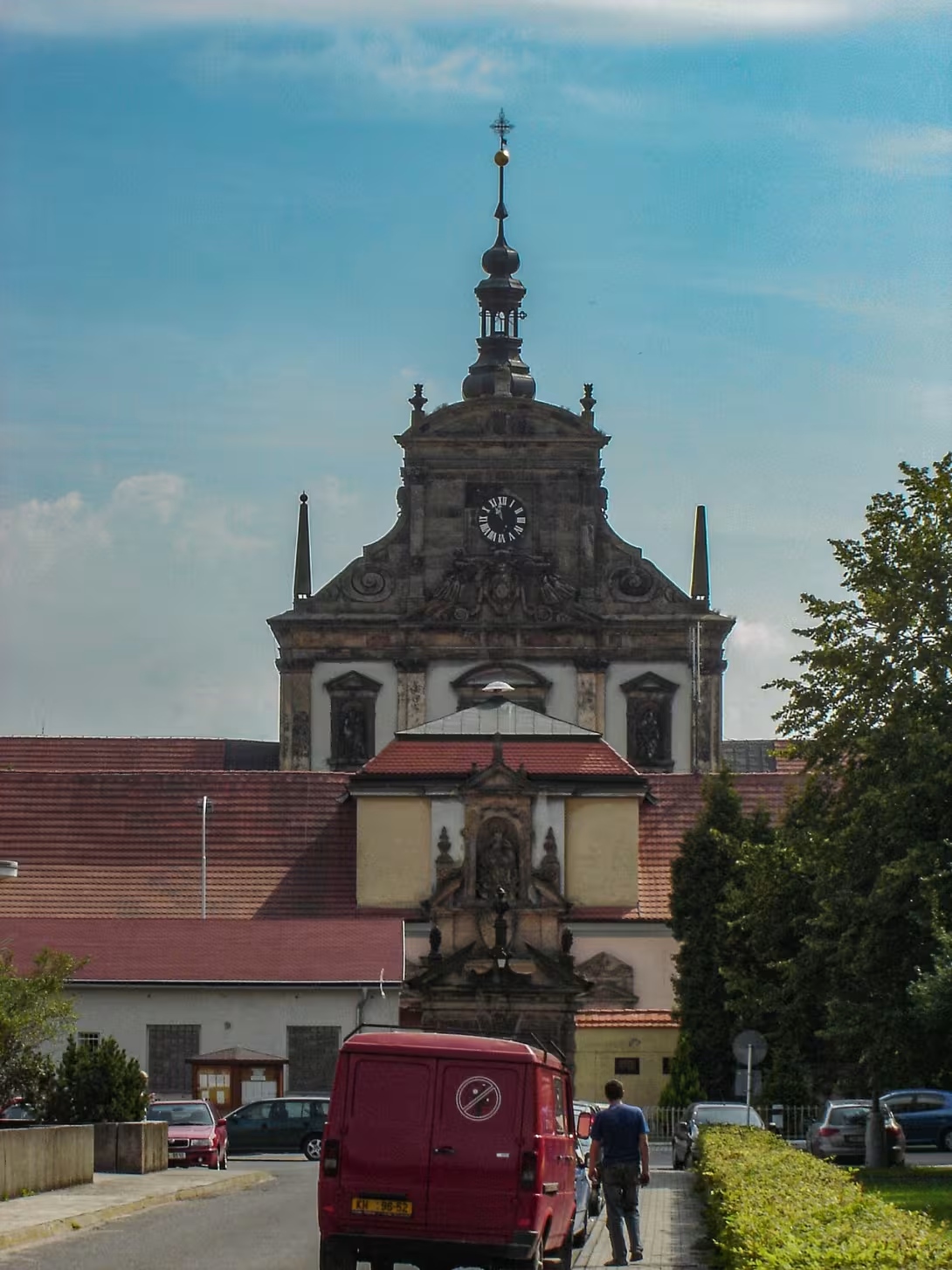
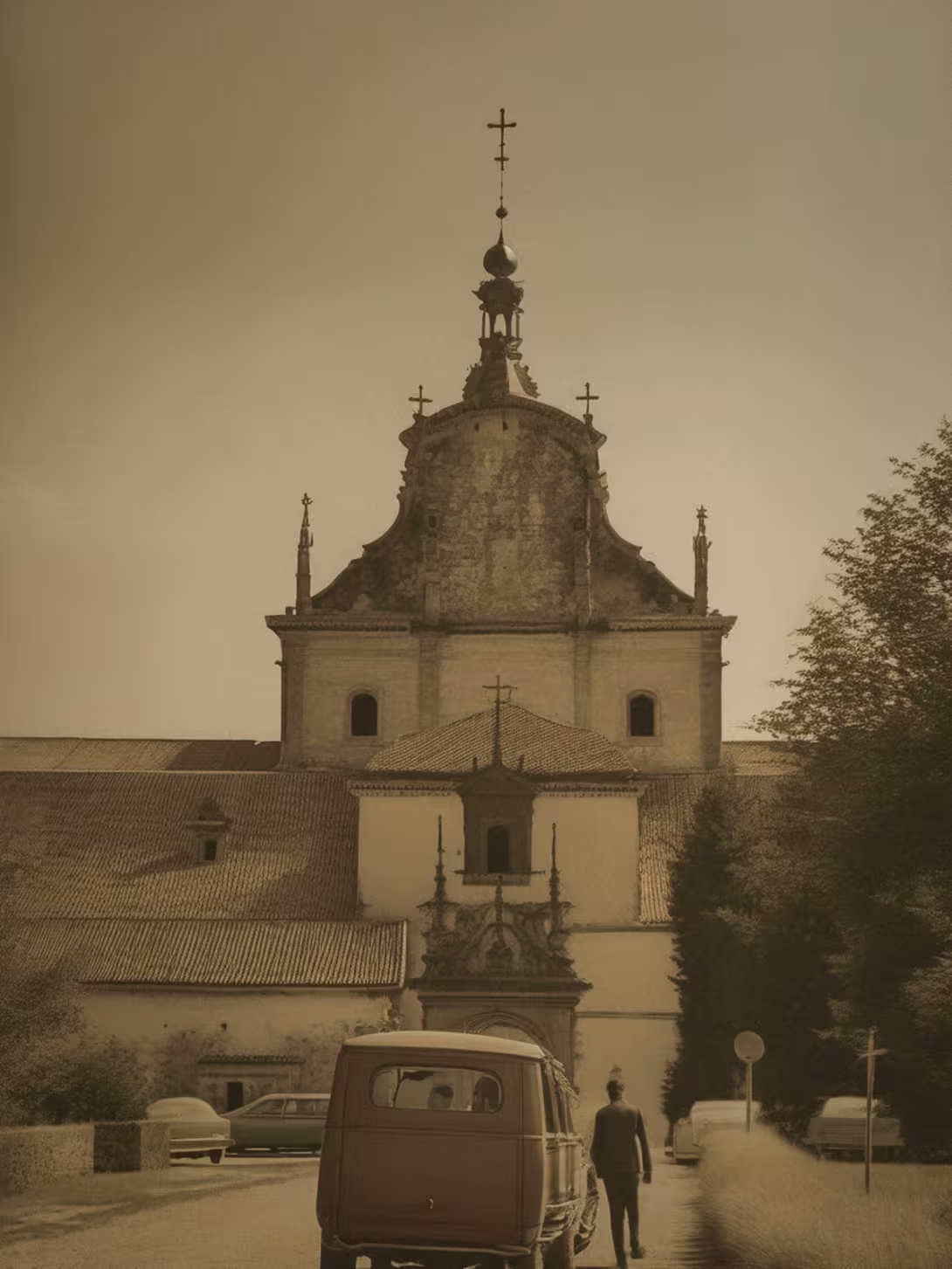
The historical appearance on the left is an AI-generated visualisation and serves as inspiration only.
Historical milestones
- 1630
- Construction began under Giovanni Battista Spezza and Franz Latomus.
- 1655
- Completion of the construction by Giovanni Battista Pieroni.
Architectural development
The Valdická kartouza was constructed by Italian court architects under Wallenstein's commission, starting around 1627. The design followed Andrey Spezza’s plans with contributions from Giovanni Battista Spezza and others, culminating in completion by 1655. The complex features a symmetrical layout centered on the church of Nanebevzetí Panny Marie, showcasing early Baroque architectural elements.
Historical events
Foundation by Albrecht Václav Eusebius von Wallenstein around 1627-1630.
Secularization and closure of the monastery in 1782 during Josephine reforms.
Conversion into a prison between 1855-1856.
Owners
Founded by Albrecht Václav Eusebius von Wallenstein (1583–1634)
Closed and secularized in 1782 during Josephine reforms
Converted into a prison from 1855 onwards
Points of interest
- Valdická Kartouza was originally intended as the burial site for Albrecht Václav Eusebius von Wallenstein, but his remains were later moved to Munich, reflecting a dramatic shift in his posthumous legacy.
- The architectural project of Valdická Kartouza involved multiple Italian architects over several decades. Initially planned by Andrea Spezza and executed by Giovanni Battista Spezza and Franz Latomus in 1630, the work was later completed by Nicolò Sebregondi and finalized by Giovanni Battista Pieroni in 1655.
- The monastery's strategic location was part of Wallenstein’s broader vision for Jičín as a regional capital. It was aligned with significant landmarks such as Veliš hill and Kumburk Castle, showcasing his ambition to create a cohesive architectural ensemble.
- During its time as a prison, Valdická Kartouza became infamous for housing political dissidents like Jiří Gruntorád and Ivan Martin Jirous during the communist regime, highlighting its role in Czech history as a site of political repression.
- The transition from monastery to prison was marked by significant architectural adaptations. Viennese architect Wehrenfenning oversaw the conversion process starting in 1855, transforming it into one of the most secure facilities in the Czech Republic today.
Guide
This guide is narrated by a synthetic voice generated by artificial intelligence.
Show guide text
This text was created by artificial intelligence and has not been editorially reviewed. It may contain inaccuracies.
Welcome to the Valdická Kartouza, a remarkable testament to early Italian Baroque architecture nestled in the serene town of Valdice near Jičín. As you stand here, enveloped by its tranquil surroundings, take a moment to absorb the grandeur and historical significance that this former Carthusian monastery holds.
The story of Valdická Kartouza begins in 1630 when it was commissioned by Albrecht Václav Eusebius von Wallenstein. This illustrious military leader and statesman envisioned this complex as part of his architectural legacy, seeking to leave a lasting imprint on the region's landscape. The construction commenced under the guidance of architects Giovanni Battista Spezza and Franz Latomus, with its completion in 1655 by Giovanni Battista Pieroni.
As you gaze upon the symmetrical layout before you, notice how the central church stands as a focal point dedicated to the Assumption of the Virgin Mary. This architectural harmony reflects the meticulous planning and collaboration among several Italian architects, including Andrey Spezza, Nicolò Sebregondi, and others who contributed their expertise over the years.
The history surrounding this site is rich with intrigue, particularly concerning Wallenstein himself. Originally intended as his final resting place, the remains of Wallenstein were later moved to Munich—a decision that marked a dramatic shift in his posthumous legacy. This relocation adds a layer of mystery and depth to your visit here.
Now, allow yourself to be drawn into the atmosphere of this historic site. Walk around its perimeter and imagine the lives of those who once inhabited these grounds. Reflect on the artistic and cultural influences that shaped its creation during such a tumultuous period in history.
As you conclude your exploration of Valdická Kartouza, I invite you to delve deeper into its stories and perhaps visit some of the nearby attractions in Jičín. Thank you for joining us today, and may this experience inspire further curiosity about the rich tapestry of our shared past.
Tips for visitors
The best time to visit Valdická kartouza is during late spring or early autumn, when the weather is pleasant for exploring its grounds and enjoying the surrounding natural landscapes. These seasons offer mild temperatures and blooming flora that enhance the beauty of the site, making it ideal for photography and leisurely walks.
When visiting Valdická kartouza, it's recommended to bring comfortable walking shoes, a hat, sunscreen, and water, especially during warmer months. The site includes outdoor areas that are best explored on foot. Additionally, bringing a camera is advisable as the early Italian Baroque architecture provides stunning photo opportunities.
For photography enthusiasts, the best spots for capturing Valdická kartouza include its main entrance and the cloister gardens, especially during golden hour when the light enhances the architectural details. The natural landscapes surrounding the site also offer picturesque backgrounds for landscape shots.
These sites are perfect for extending your visit in the area.
For families with children, Valdická kartouza offers a peaceful environment to explore together. The expansive grounds provide space for kids to run around while adults enjoy the architecture and history. Nearby Veliš hill can be an exciting spot for family hikes.
Frequently asked questions
Can the monument be visited?
Religious buildings are usually open mainly during services; at other times a visit is normally arranged with the parish or the operator. We have not verified specific times.
Where is the monument?
Location: nám. Míru, Valdice, Královéhradecký kraj. The map on this page shows the exact spot.
Why is the monument protected?
It is listed in the Central List of Cultural Monuments of the Czech Republic as a cultural monument (register no. 15518/6-1423).
Businesses nearby
Do you run a restaurant, accommodation, shop, museum, rental, wellness or other visitor service near this monument? Show yourself directly to the people heading to it — this is how they will see you in the app and on the web:
Nearby
Valdická kartouza is situated in Valdice near Jičín, surrounded by natural landscapes and historical sites including the Veliš hill and Kumburk Castle.
Accommodation nearby
Themed route
Valdická Kartouza and Surroundings Vltour
1. Valdická kartouza (klášter): Begin your journey at this historic Carthusian monastery, renowned for its stunning architecture and serene atmosphere. The site offers a glimpse into the spiritual life of the monks who once inhabited it, with beautifully preserved cloisters and gardens that invite peaceful reflection.
2. Veliš hill: A short walk from Valdická kartouza, Veliš hill provides panoramic views of the surrounding landscape. This natural vantage point is perfect for enjoying a moment of tranquility while appreciating the lush greenery and historical backdrop that define this region.
3. Kumburk Castle: Conclude your tour at Kumburk Castle, located nearby. Although primarily known as a hunting lodge, its picturesque setting amidst rolling hills offers an ideal spot to explore local history and enjoy the scenic beauty of the area. The castle's architecture adds a touch of grandeur to your exploration of Valdice’s rich heritage.
This thematic route combines historical intrigue with natural splendor, offering a well-rounded experience of Valdická kartouza and its immediate surroundings.
Seasonal recommendations
Spring: Visiting the Valdice Carthusian Monastery during spring offers a unique experience as nature awakens around this historic site. The monastery grounds are adorned with blooming flowers and lush greenery, creating a vibrant atmosphere that contrasts beautifully with the serene architecture. This season is ideal for photography enthusiasts who want to capture the interplay of light filtering through budding trees onto the ancient stone structures. To make the most of your visit, consider coming in late morning when the sun casts softer shadows, enhancing the picturesque quality of the site. Light layers are recommended as temperatures can vary, and it's a good idea to check for any seasonal events that might attract visitors.
Summer: Summer at the Valdice Carthusian Monastery is characterized by long daylight hours and warm weather, making it perfect for leisurely exploration. The lush landscape reaches its peak vibrancy, providing an idyllic backdrop for walking tours around the monastery grounds. However, this is also the busiest time of year, so arriving early in the morning can help you avoid larger crowds and enjoy a quieter experience. Comfortable footwear and light clothing are advisable due to the heat, along with sun protection such as hats or umbrellas. Keep an eye on any special summer events that might be taking place, which could add to your visit.
Autumn: Autumn brings a magical transformation to the Valdice Carthusian Monastery, with the surrounding landscape painted in hues of gold and red. The cooler temperatures create a crisp atmosphere ideal for contemplative walks through the monastery's historic grounds. This is one of the best times to appreciate the architecture without the distraction of large crowds, as many visitors opt for summer visits. Layered clothing will keep you comfortable during fluctuating temperatures, and an early visit can help you enjoy the site in the softer autumn light. It's also a good time to explore any seasonal activities or exhibitions that might be available.
Winter: Winter offers a serene and introspective experience at the Valdice Carthusian Monastery. The snow-covered grounds create a picturesque setting that enhances the monastery’s historic charm, while shorter daylight hours lend an intimate atmosphere for exploring the site. It's important to dress warmly, with layers and waterproof outerwear, as temperatures can be quite low. Given the potential for early closures due to weather conditions, checking opening times in advance is advisable. Winter visits are less crowded, providing a peaceful opportunity to reflect on the monastery’s history and enjoy its quiet beauty.
Visualizations and artistic views


The visualisations are generated by artificial intelligence and serve as inspiration.
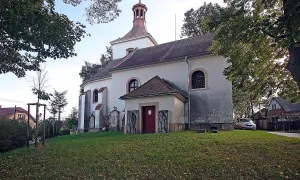
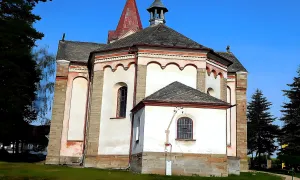
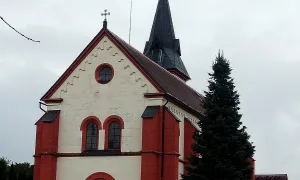
Photos from the area
Real photos taken near the monument


Zdroj a licence jsou uvedeny u každého snímku.
Atmosphere of the place
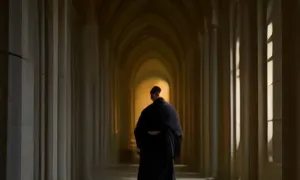
This atmospheric visualisation of the place and period was generated by artificial intelligence. It is not real footage of the location.
Tips from visitors
No tips yet. Be the first!
Log in and add your tip.
Sources and literature
Photos: Petr Kadlec / CC BY-SA 3.0, rozlišení zvýšeno umělou inteligencí — Wikimedia Commons. The author and licence also appear when you hover over the image.
Faktickým podkladem tohoto textu byl článek na Wikipedii, jehož autory jsou přispěvatelé Wikipedie. Článek je dostupný pod licencí CC BY-SA 4.0.
Location on the map

Příběhy a pověsti
Legendy, pověsti a příběhy spjaté s touto památkou
Fotografie návštěvníků
Zatím žádné fotografie. Buďte první, kdo přidá fotografii z návštěvy!
Log in a přidejte svou fotografii nebo hodnoťte.
Za ověřenou návštěvu v aplikaci získáte víc bodů — poznáme podle GPS, že jste na místě.
Reviews and comments