






Velká strahovská zahrada Garden
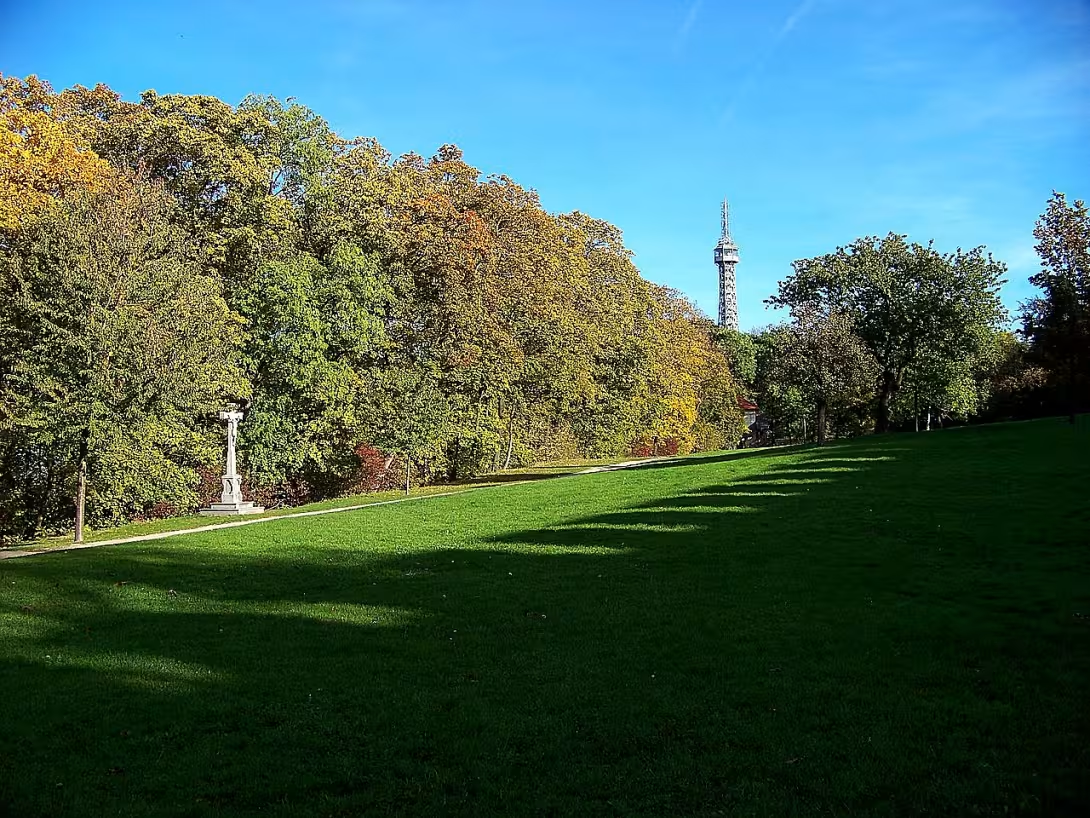
Velká Strahovská Zahrada is a historic garden complex located in Prague 1, part of the Strahov Monastery. Established on land donated by Duke Vladislav II in 1140 for Premonstratensian monks, it spans 11 hectares and features terraced gardens with vineyards and orchards. Recognized as a national cultural monument since 1989, this garden is renowned for its historical significance and scenic views of Prague.
The origins trace back to the land granted by Duke Vladislav II in 1140 for establishing Strahov Monastery. Over time, parts now known as Konventní and Opatská Zahrady were integrated into this expansive complex. The area faced devastation during the Hussite Wars in 1420, impacting its economic development significantly. However, under Abbot Jan Lohel's leadership from 1586 to 1612, substantial improvements were made, including reconstructing a Romanesque aqueduct and enhancing water supply systems for vineyards and gardens.
Architecturally, Velká Strahovská Zahrada underwent significant development during the Baroque period. Abbot Jan Lohel initiated infrastructure enhancements in the late 16th century, furthered by architect Giovanni Domenico Orsi between 1671 and 1679. This era saw the construction of early Baroque buildings and hermitages within the garden complex. By the end of the 19th century, additional parts from Opatská and Konventní Zahrady were incorporated into Velká Strahovská Zahrada.
Throughout its history, the Premonstratensian Order has maintained ownership since its inception in 1140. The order's influence was pivotal during periods of reconstruction and development, particularly under leaders like Abbot Jan Lohel and his successor Kašpar z Questenberka. These figures played crucial roles in enhancing the garden’s infrastructure and aesthetic appeal.
Velká Strahovská Zahrada is home to several notable features, including a remarkable ash tree considered one of the largest and oldest in Prague. Additionally, the Vyhlídka s Vinicí area boasts terraces with grapevines and a statue of Panna Marie z Exilu, installed in 1994. This site offers visitors stunning panoramic views of the city.
Today, Velká Strahovská Zahrada is accessible to the public, having undergone rehabilitation between 1996 and 1998 under architects Milan Bubenka and Luboš Gaudník. Visitors can explore its historical structures, including a fruit drying house, while enjoying the lush landscapes preserved over centuries.
Velká Strahovská Zahrada stands as a testament to Prague's rich cultural heritage, offering insights into both medieval and Baroque periods through its architecture and landscape design. Its combination of natural beauty and historical depth makes it an essential visit for anyone interested in exploring the layers of history embedded within Prague’s urban fabric.
Then and now
Drag the slider to compare how the landmark may have looked when it was built with the view today.
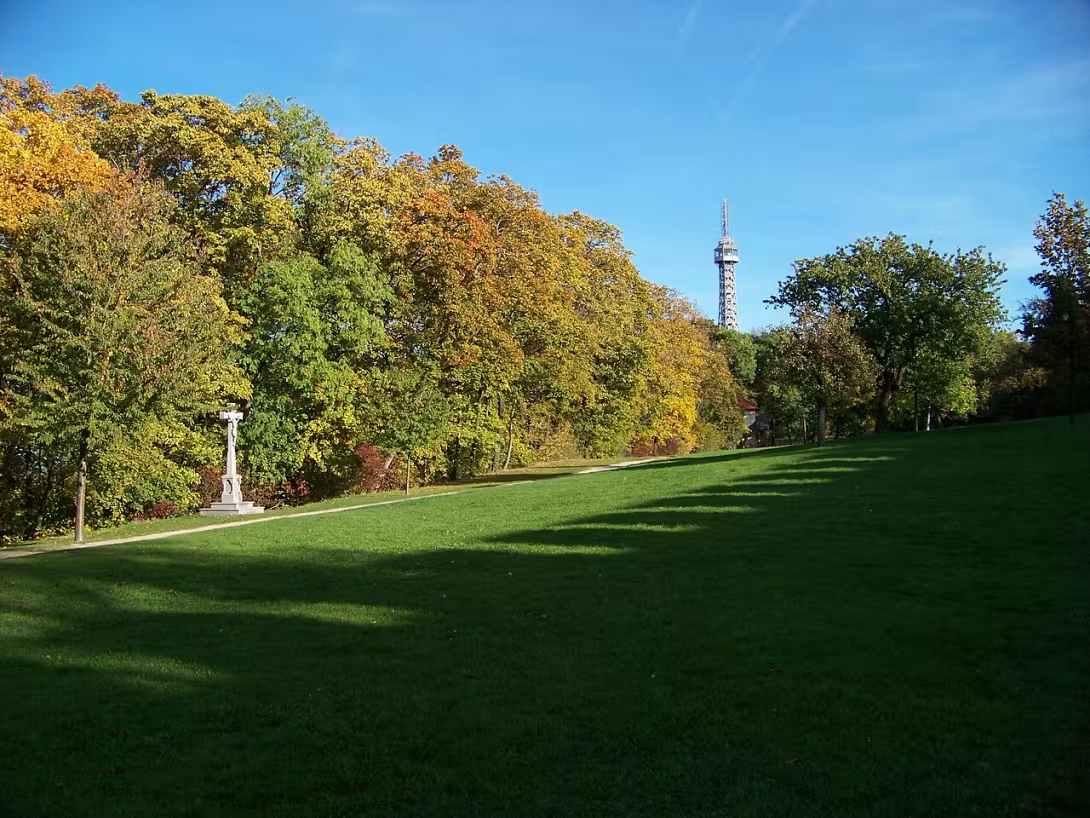

The historical appearance on the left is an AI-generated visualisation and serves as inspiration only.
Historical milestones
- 1612
- Jan Lohel was elected Archbishop of Prague.
- 1671-1679
- Construction of early Baroque buildings, including a fruit drying house, under Giovanni Domenico Orsi's designs.
Architectural development
The garden's architectural development began in the late 16th century with Abbot Jan Lohel's reconstruction of infrastructure. The Baroque period saw further enhancements by Giovanni Domenico Orsi, including the construction of early Baroque buildings and hermitages. By the end of the 19th century, parts of Opatská and Konventní zahrady were integrated into Velká strahovská zahrada.
Historical events
- 1420
- The area was devastated during the Hussite Wars, impacting its economic development.
- 1586-1612
- Abbot Jan Lohel reconstructed a Romanesque aqueduct and improved water supply for vineyards and gardens.
Points of interest
- The Velká Strahovská Zahrada features a remarkable ash tree that is considered one of the largest and oldest in Prague, adding to its natural allure.
- During the Hussite Wars in 1420, the gardens faced significant devastation, which had a lasting impact on their economic development and required extensive reconstruction efforts later.
- The garden complex includes a statue of Panna Marie z Exilu, installed in 1994 at Vyhlídka s Vinicí, offering visitors not only historical insights but also spiritual reflection with its panoramic views.
- Architect Giovanni Domenico Orsi played a crucial role between 1671 and 1679 in developing the Baroque elements of Velká Strahovská Zahrada, including early Baroque buildings and hermitages that enhance its architectural diversity.
- The garden underwent significant rehabilitation from 1996 to 1998 under architects Milan Bubenka and Luboš Gaudník, ensuring its historical structures like the fruit drying house are preserved for public enjoyment.
Guide
This guide is narrated by a synthetic voice generated by artificial intelligence.
Show guide text
This text was created by artificial intelligence and has not been editorially reviewed. It may contain inaccuracies.
Welcome to the historical wonder of Velká Strahovská Zahrada, a remarkable garden complex nestled in Prague's heart within the Hlavní město Praha area. As you stand here, imagine yourself stepping back into history where nature and architecture intertwine seamlessly.
This enchanting site was established on land generously donated by Duke Vladislav II in 1140 for Premonstratensian monks, marking its inception as a place of contemplation and beauty. Spanning an impressive 11 hectares, the garden complex is a testament to centuries of horticultural evolution and architectural ingenuity.
As you wander through these terraced gardens, take a moment to appreciate their serene layout, with vineyards and orchards cascading down the slopes. The Baroque period brought significant transformation under Abbot Jan Lohel's guidance and the visionary designs of architect Giovanni Domenico Orsi between 1671 and 1679.
Now, let your gaze wander to some of the architectural marvels that still stand today. Notice how the early Baroque buildings, including a fruit drying house, reflect Orsi’s influence with their elegant lines and harmonious proportions. These structures are not just remnants of history; they tell stories of innovation and adaptation over time.
The gardens have been shaped by key historical figures like Jan Lohel, who was elected Archbishop of Prague in 1612, and Kašpar z Questenberka. Their contributions helped mold the landscape into a cultural treasure that continues to captivate visitors today.
Among the many wonders here is an ash tree, renowned as one of the largest and oldest in Prague. Its grandeur adds a natural allure to this historic setting, inviting you to pause and reflect on its silent witness to centuries past.
The gardens have also endured trials, notably during the Hussite Wars in 1420 when they faced devastation that impacted their economic development for years to come. This resilience is part of what makes Velká Strahovská Zahrada so fascinating.
As you continue your exploration, let yourself be drawn into this living tapestry of history and nature. Each path offers a new perspective, each turn reveals another layer of its rich heritage.
Thank you for joining us on this journey through time at Velká Strahovská Zahrada. We hope this visit has inspired you to delve deeper into the stories that these gardens hold and to return again to discover more hidden treasures within their verdant embrace.
Tips for visitors
The best time to visit Velká strahovská zahrada is during the late spring or early fall when the weather is pleasant, and the garden's flora is at its peak beauty. During these seasons, you can enjoy vibrant blooms and lush greenery without the summer crowds or winter chill. Additionally, visiting in the morning offers softer light for photography and a quieter experience before larger tour groups arrive.
It is advisable to use public transportation, such as trams or buses that pass through nearby streets like Úvoz and Strahovská. Always check current transport routes online before your visit.
When visiting Velká strahovská zahrada, bring comfortable walking shoes as there are several paths to explore throughout the expansive garden. A hat, sunscreen, and water bottle are recommended for protection against the sun, especially during warmer months. Additionally, a camera or smartphone with a good zoom lens can help capture the stunning panoramic views of Prague.
For photography enthusiasts, some of the best spots in Velká strahovská zahrada include areas that offer unobstructed views over the cityscape, particularly towards the west and south. Early morning light provides soft shadows and a golden hue ideal for capturing the garden's beauty. Be mindful of other visitors when taking photos to ensure everyone can enjoy their visit.
Nearby attractions within 30 minutes include Strahov Monastery itself, which offers historical tours and stunning architecture. The monastery is an excellent place to explore after enjoying the tranquility of the gardens. For those interested in more cultural experiences, consider visiting the nearby National Library of the Czech Republic or exploring the historic streets around Hradčany.
Frequently asked questions
Can the monument be visited?
Parks and gardens are often open to the public, but some have opening hours or are part of a closed site. We have not verified the entry conditions.
What are the opening hours and admission?
We have not verified the opening hours or admission. Current information is published by the operator.
Where is the monument?
Location: Hradčany, Hlavní město Praha. The map on this page shows the exact spot.
Why is the monument protected?
It is listed in the Central List of Cultural Monuments of the Czech Republic as a national cultural monument. It is protected as part of a larger listed ensemble.
Businesses nearby
Do you run a restaurant, accommodation, shop, museum, rental, wellness or other visitor service near this monument? Show yourself directly to the people heading to it — this is how they will see you in the app and on the web:
Events nearby

Zdroj akcí: otevřená data měst a obcí ČR (Národní katalog otevřených dat) a kalendář akcí Národního památkového ústavu.
Nearby
Located on the slopes south-east of Strahov Monastery, the garden is bordered by streets Úvoz, Strahovská, Vlašská, and Hladová zeď. It offers panoramic views of Prague and is near other historical sites like the monastery itself.
Accommodation nearby
Trips and activities nearby
Guided tours, tickets and activities nearby from GetYourGuide
Affiliate link: if you buy from the partner, we may receive a commission. The price for you does not change.
Search tours and activities →Themed route
Tematická Výletní Trasa: Strahovská Zahrada a Okolí
1. Velká strahovská zahrada (zahrada)
Proč stojí za návštěvu: Tato historická zahrada, nacházející se na svahu jiho-východně od Strahovského kláštera, nabízí jedinečné panoramatické výhledy na Prahu. Je to místo úniku do klidu a přírody uprostřed města, kde se můžete uvolnit mezi kvetoucími sadbami a krásným zahradním designem.
2. Strahovské nádvoří (klášterní areál)
Proč stojí za návštěvu: Strahovské nádvoří je centrem kláštera, který je domovem jedné z nejstarších knihoven v Evropě. Je to ideální místo pro pohled na architektonickou krásu a historii, s přístupem k výhledům na okolní zahrady a klášterní budovy.
3. Strahovská (ulice)
Proč stojí za návštěvu: Procházka po Strahovské ulici vás přivede k samotnému Strahovskému klášteru, jehož gotická architektura a historie jsou fascinující. Tato cesta nabízí pohodlný způsob, jak se dostat ke středu trasy, s příležitostmi pro krátké odpočinky a užívání místní atmosféry.
4. Vlašská (ulice)
Proč stojí za návštěvu: Vlašská ulice, která hranicí s Velkou strahovskou zahradou, je známá svým životním rytmem a kulturním dědictvím. Je to ideální místo pro nákupy nebo občerstvení před dalším objevováním klášterního komplexu.
5. Úvoz (ulice)
Proč stojí za návštěvu: Úvoz nabízí pohodlný východ z oblasti Strahova a je známý svou historickou architekturou a klidným prostředím. Tato ulice slouží jako ideální závěr vaší trasy, kde můžete uzavřít den relaxací nebo prozkoumáním dalších částí Prahy.
Tato trasa vás provede skrze klidné a historicky bohaté oblasti kolem Strahovské zahrady, nabízející kombinaci přírody, architektury a místní kultury.
Seasonal recommendations
Spring: The arrival of spring at the Great Strahov Garden breathes new life into its historic grounds, with vibrant blooms and lush greenery creating a picturesque setting. As daylight extends, the garden's pathways are illuminated by soft morning light that accentuates the intricate details of its architectural features. This is an ideal time to enjoy nature in full bloom without the crowds typical of peak tourist seasons. Visitors should wear comfortable walking shoes for exploring the expansive grounds and perhaps bring a light jacket as temperatures can be mild but occasionally brisk.
Summer: Summer at the Great Strahov Garden offers warm, sunny days perfect for leisurely strolls through its well-maintained lawns and shaded areas. The garden's atmosphere is lively, with visitors often seen picnicking or relaxing by the pond. To avoid large crowds, it's advisable to arrive early in the morning or later in the afternoon. Lightweight clothing and sun protection are recommended due to the longer daylight hours and higher temperatures.
Autumn: As autumn arrives, the Great Strahov Garden transforms into a tapestry of warm hues with its trees displaying vibrant shades of red, orange, and yellow. The cooler weather makes for comfortable exploration, and the garden's atmosphere becomes more serene as visitor numbers decrease compared to summer months. Layered clothing is recommended to accommodate fluctuating temperatures throughout the day, ensuring comfort during your visit.
Winter: Winter at the Great Strahov Garden presents a unique charm with its snow-covered landscapes that add a touch of magic to its historic architecture. The garden's atmosphere becomes quiet and introspective, offering a peaceful retreat from the bustling city. Visitors should dress warmly in layers, including hats and gloves, as temperatures can be quite cold.
Visualizations and artistic views


The visualisations are generated by artificial intelligence and serve as inspiration.
Photos from the area
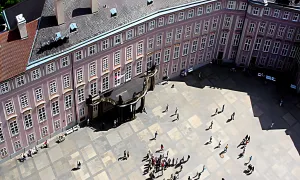
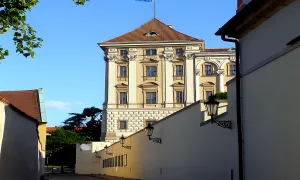
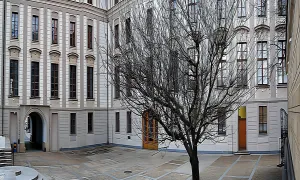
Real photos taken near the monument


Zdroj a licence jsou uvedeny u každého snímku.
Atmosphere of the place
This atmospheric visualisation of the place and period was generated by artificial intelligence. It is not real footage of the location.
Tips from visitors
No tips yet. Be the first!
Log in and add your tip.
Sources and literature
Photos: ŠJů (cs:ŠJů) / CC BY-SA 3.0 — Wikimedia Commons. The author and licence also appear when you hover over the image.
Faktickým podkladem tohoto textu byl článek na Wikipedii, jehož autory jsou přispěvatelé Wikipedie. Článek je dostupný pod licencí CC BY-SA 4.0.
Location on the map

Příběhy a pověsti
Legendy, pověsti a příběhy spjaté s touto památkou

Fotografie návštěvníků
Zatím žádné fotografie. Buďte první, kdo přidá fotografii z návštěvy!
Log in a přidejte svou fotografii nebo hodnoťte.
Za ověřenou návštěvu v aplikaci získáte víc bodů — poznáme podle GPS, že jste na místě.
Reviews and comments