






Vimberk Castle
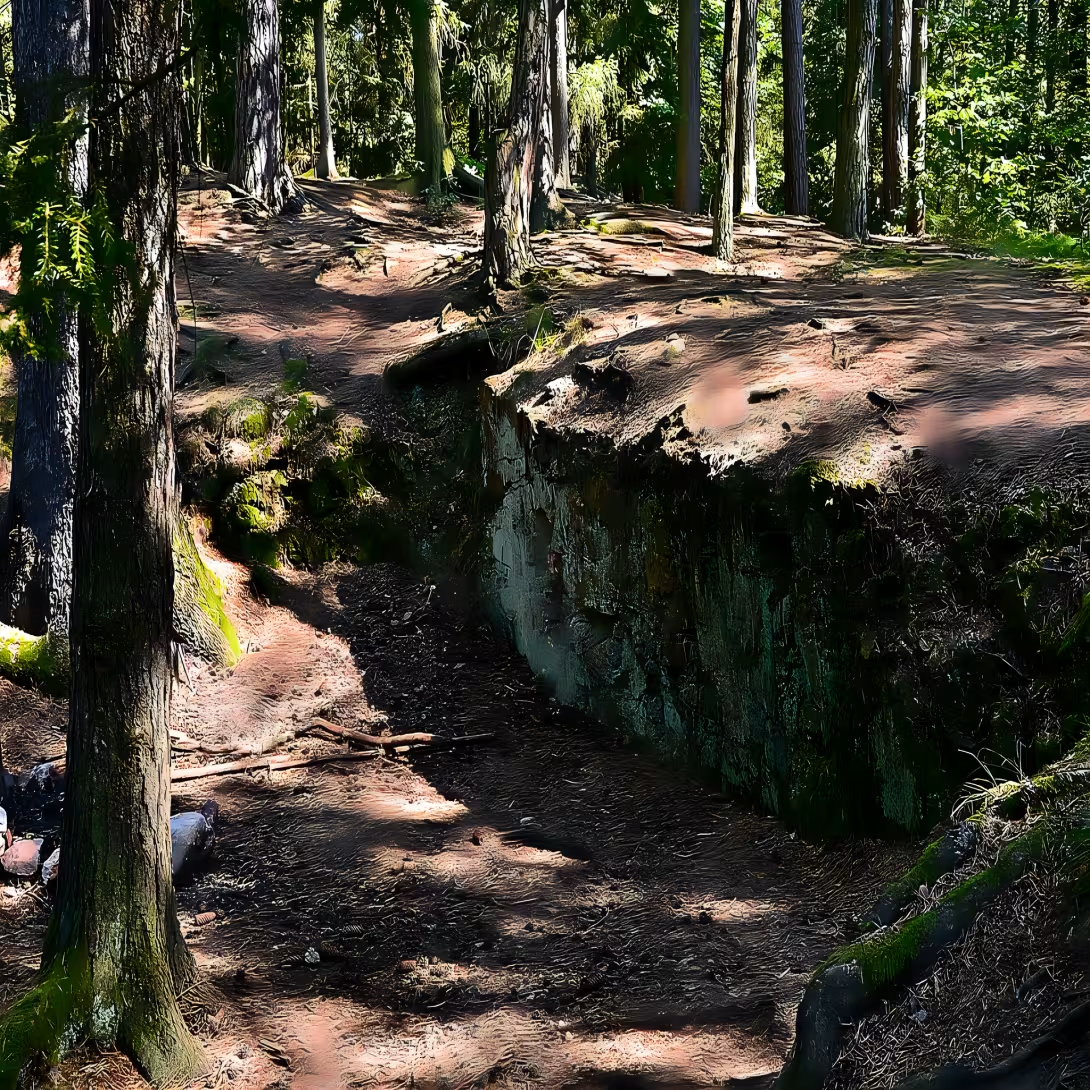
Vimberk, also known as Melmatěj, is a vanished castle situated on a river terrace above the Klábová River valley near Strašice in the Plzeňský kraj region of the Czech Republic. Constructed in the late 13th century, it served as a strategic fortification likely overseeing nearby iron ore mines. Despite its historical significance, no written records of Vimberk exist; its history is pieced together through archaeological findings.
The origins of Vimberk trace back to the late 13th century when an unnamed ruler built it during a period marked by increased fortification efforts across Europe. This era saw Bohemia under the Přemyslid dynasty, transitioning towards a more centralized monarchy. The castle's strategic location suggests its role in overseeing and protecting nearby iron ore mines, reflecting the economic activities of the time.
Architecturally, Vimberk is characterized by an archaic and transitional design typical of early medieval fortifications. The primary construction material was wood, as evidenced by the lack of surviving stone or mortar remnants. Defensive features included a moat and ramparts, with the main entrance likely located in a northern breach. A notable feature is an object carved into the rock on the western side, possibly serving as a granary.
Ownership of Vimberk changed hands over time. Initially built by an unnamed ruler, Nachval z Osvračína held it as a pledge holder in the 14th century. In 1325, Petr I. z Rožmberka acquired it from Nachval and integrated it into his domain. The castle's fortunes were closely tied to these influential figures.
Key events at Vimberk include its destruction by fire around mid-14th century during a conflict involving King Charles IV of Bohemia. In the early 1350s, amidst a conflict between South Bohemian and German nobility, King Charles IV seized the opportunity to attack the Rožmberk family. In February 1352, royal forces captured the Rožmberk castles Strašice and Chlukov, leading to Vimberk's destruction.
Today, the ruins of Vimberk are accessible via a blue-marked tourist trail from Dobřív to Strašice. The site offers scenic views of the Klábová River and is surrounded by natural landscapes. Despite its vanished state, the remnants of Vimberk provide valuable insights into medieval fortification practices and regional history.
Vimberk stands as a testament to the strategic importance of castles in medieval Europe and their role in economic activities such as mining. Its ruins invite visitors to explore a piece of Bohemian heritage, offering both historical intrigue and natural beauty.
Then and now
Drag the slider to compare how the landmark may have looked when it was built with the view today.
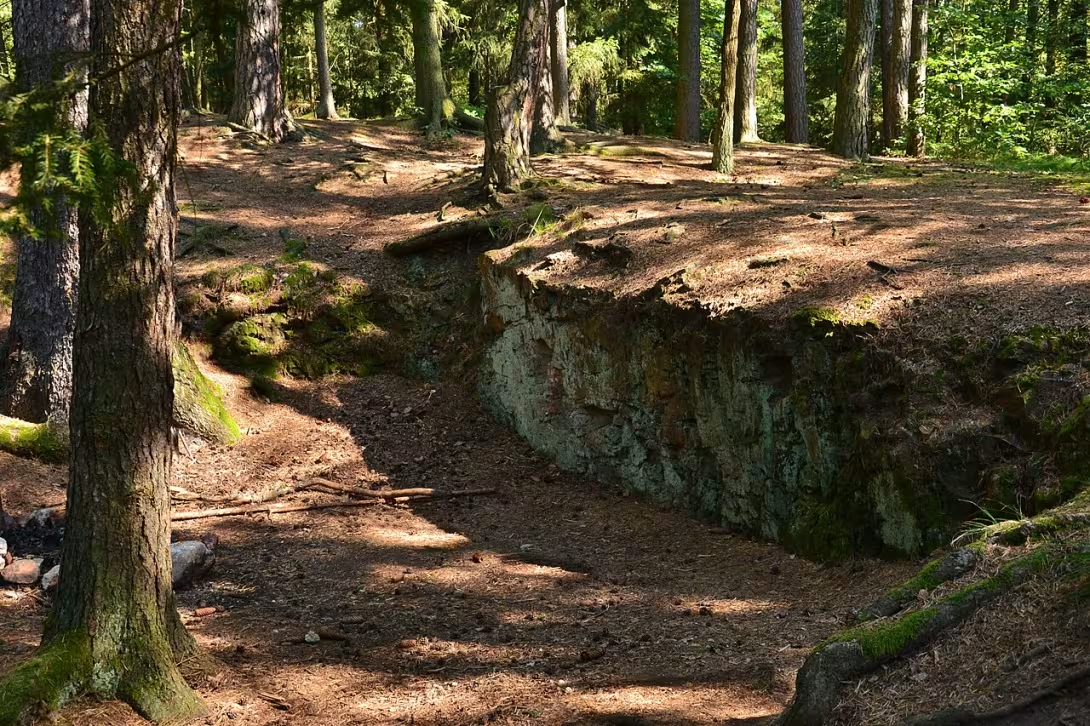

The historical appearance on the left is an AI-generated visualisation and serves as inspiration only.
Historical milestones
- 1352
- The castle was destroyed by fire during King Charles IV's military campaign against the Rožmberk family.
Architectural development
Vimberk was primarily constructed using wood, as evidenced by the lack of surviving stone or mortar remnants. The castle featured a moat and ramparts for defense, with its main entrance likely located in the northern breach. A notable feature is an object carved into the rock on the western side, possibly serving as a granary.
Historical events
In the early 1350s, during a conflict between South Bohemian and German nobility, King Charles IV of Bohemia seized the opportunity to attack the Rožmberk family. In February 1352, royal forces captured the Rožmberk castles Strašice and Chlukov, leading to Vimberk's destruction by fire around mid-14th century.
Owners
Initially built by an unnamed ruler in the late 13th century, Nachval z Osvračína held it as a pledge holder in the 14th century. In 1325, Petr I. z Rožmberka acquired it from Nachval and integrated it into his domain.
Points of interest
- Despite its historical significance, there are no written records of Vimberk; its history is reconstructed solely from archaeological evidence. - The castle's strategic location suggests it played a role in overseeing and protecting nearby iron ore mines, highlighting the economic activities during that era.
- An intriguing feature at Vimberk is an object carved into the rock on the western side, which might have served as a granary, reflecting medieval resource management practices.
- Vimberk was destroyed by fire around the mid-14th century amid conflicts involving King Charles IV of Bohemia and the Rožmberk family, illustrating the turbulent political landscape of the time.
- Despite its vanished state, the remnants of Vimberk provide valuable insights into early medieval fortification techniques, offering a glimpse into the architectural practices of the era.
Guide
This guide is narrated by a synthetic voice generated by artificial intelligence.
Show guide text
This text was created by artificial intelligence and has not been editorially reviewed. It may contain inaccuracies.
Welcome to the historical site of Vimberk, also known as Melmatěj, a vanished castle that once stood majestically on a river terrace above the Klábová River valley near Strašice in the Plzeňský kraj region of the Czech Republic. As you stand here at Medový Újezd, imagine the landscape dotted with structures from centuries past. Though now only traces remain, the spirit of this medieval stronghold lingers in the air.
Vimberk was constructed in the late 13th century as a strategic fortification, likely overseeing nearby iron ore mines. Its design is considered archaic and transitional, reflecting its early medieval origins—a testament to the architectural ingenuity of an era long gone. As you look around, envision the castle's formidable presence that once dominated this landscape.
The history of Vimberk is shrouded in mystery, with no written records detailing its existence. Instead, our understanding comes from archaeological evidence pieced together over time. In 1352, during King Charles IV's military campaign against the Rožmberk family, the castle was destroyed by fire—a pivotal moment that marked the end of its active use.
Key historical figures are intertwined with Vimberk’s story. Nachval z Osvračína and Petr I. z Rožmberka were prominent personalities whose actions influenced the region's history during this period. Their legacies echo through time, adding layers to the narrative of this site.
One intriguing aspect of Vimberk is its strategic location. It likely played a crucial role in overseeing and protecting nearby iron ore mines, highlighting the economic activities that thrived here. This connection underscores the importance of Vimberk not just as a military stronghold but also as an economic hub during its time.
As you continue to explore this site, take a moment to reflect on the mysteries it holds and the stories it silently tells. Though much has been lost to history, the remnants of Vimberk invite us to imagine what once was—a castle that stood at the crossroads of power, economy, and ambition.
Thank you for joining me in uncovering the secrets of Vimberk. I encourage you to continue exploring this fascinating site, where every step brings you closer to understanding its storied past. Farewell, and may your journey through history be ever enlightening.
Tips for visitors
The best time to visit Vimberk ruins is during late spring or early autumn when the weather is mild, making it ideal for exploring the scenic trails and enjoying the natural beauty of the area. During these months, the foliage around the Klábová River valley is particularly vibrant, providing a picturesque backdrop for your visit. Additionally, visiting outside of peak summer can help avoid larger crowds, allowing for a more peaceful experience.
For those using public transport, it's advisable to check current routes online as they can vary. The ruins are easily reachable on foot from these points, making them an excellent destination for a day trip.
When visiting Vimberk, it is recommended to bring comfortable walking shoes and weather-appropriate clothing, especially if you plan to explore the surrounding trails. A packed lunch or snacks can be useful as there may not be many dining options nearby. Additionally, carrying a map of the area or using a GPS-enabled device will help in navigating the trails and ensuring you don't miss any hidden spots.
For photography enthusiasts, Vimberk offers several excellent vantage points to capture stunning views of the Klábová River valley. The best light for photography is typically during the golden hours—early morning or late afternoon—when the sunlight creates a warm glow over the landscape. Exploring the ruins at different times can provide varied perspectives and lighting conditions, enhancing your photographic experience.
Nearby attractions within 30 minutes include the charming village of Strašice, known for its traditional architecture and local culture. Visitors might also enjoy exploring the natural landscapes surrounding Vimberk, which are perfect for a leisurely hike or picnic. For families with children, these areas provide an opportunity to engage in outdoor activities while learning about the region's history.
Frequently asked questions
Can the monument be visited?
This is a ruin. Such sites are often freely accessible, but some can only be visited with a guide or are closed for safety reasons. We have not verified the current situation – take care and respect any restrictions.
Where is the monument?
Location: Medový Újezd, Plzeňský kraj. The map on this page shows the exact spot.
Why is the monument protected?
It is listed in the Central List of Cultural Monuments of the Czech Republic as a cultural monument (register no. 32430/4-2458).
Businesses nearby
Do you run a restaurant, accommodation, shop, museum, rental, wellness or other visitor service near this monument? Show yourself directly to the people heading to it — this is how they will see you in the app and on the web:
Nearby
Vimberk ruins are accessible via a blue-marked tourist trail from Dobřív to Strašice. The site offers scenic views of the Klábová River and is surrounded by natural landscapes.
Accommodation nearby
Trips and activities nearby
Guided tours, tickets and activities nearby from GetYourGuide
Affiliate link: if you buy from the partner, we may receive a commission. The price for you does not change.
Search tours and activities →Themed route
Thematic Tour Itinerary: Exploring the Ruins of Vimberk and Surrounding Attractions
1. Dobřív Village: Start your journey in this charming village, which serves as a gateway to the scenic blue-marked tourist trail leading to Vimberk. Dobřív offers quaint architecture and local charm that provide a delightful introduction to the region's cultural heritage.
2. Vimberk Ruins: The main highlight of this itinerary is the historic ruins of Vimberk, located in Medový Újezd. This site captivates visitors with its picturesque views over the Klábová River and offers a glimpse into medieval history amidst stunning natural landscapes. Explore the remnants of the castle and enjoy panoramic vistas that make this location truly memorable.
3. Klábová River: As you traverse the trail from Dobřív to Vimberk, take time to appreciate the serene beauty of the Klábová River. The river's gentle flow through lush greenery enhances the tranquil atmosphere, making it a perfect spot for reflection and relaxation during your hike.
4. Blue-Marked Trail: Follow this scenic route that connects Dobřív with Strašice, passing by Vimberk along the way. This trail is not only ideal for hiking enthusiasts but also offers numerous opportunities to connect with nature while enjoying diverse landscapes and occasional historical insights at various points along the path.
5. Strašice Village: Conclude your tour in Strašice, a village that marks the end of the blue-marked trail. Here you can experience local hospitality and perhaps explore any nearby attractions or simply enjoy a peaceful moment before returning to Dobřív, completing your thematic journey through history and nature.
Seasonal recommendations
Jaro: In the spring season, Vimberk (castle) in Medový Újezd is celebrated with a festive awakening of nature, where trees and shrubs begin to bloom and the green forest around the castle offers a lively yet tranquil atmosphere. This time of year is ideal for visiting because there are usually fewer crowds than during the main summer season. Visitors should wear comfortable shoes and clothing suitable for mild weather, as temperatures can change quickly throughout the day. The best time to visit is typically in the afternoon when the sun illuminates the castle and surrounding landscape, allowing you to capture beautiful panoramic views.
Léto: In the summer, Vimberk becomes a popular destination for visitors seeking an escape from city heat, although it's also the time with the highest number of people. The morning sunlight bathes the ruins in full beauty while offering ideal lighting conditions for photography. Visitors should come early in the morning or later in the evening to avoid the heat and crowds. It is also important to wear sun protection, a hat, and bring plenty of drinking water, especially during the summer months.
Podzim: The autumn season offers Vimberk a unique atmosphere with colorful foliage that provides a dramatic backdrop for the castle. This time of year is milder for visiting than in the summer and less crowded than in spring. Visitors should be prepared for cooler weather with appropriate clothing, such as warm scarves and gloves, especially in late autumn. The best times to visit are typically in the early afternoon when the sun is still up but crowds have not yet gathered.
Zima: The winter season brings a quiet and peaceful atmosphere to Vimberk, where snow cover can add a romantic touch to the ruins. Visitors should wear warm clothing, including insulated boots and raincoats for snow, and be prepared for shorter visits due to winter conditions. The best time to visit is typically in the afternoon when the sun is closest to the horizon and can provide gentle warm light.
Visualizations and artistic views


The visualisations are generated by artificial intelligence and serve as inspiration.
Photos from the area
Real photos taken near the monument

Zdroj a licence jsou uvedeny u každého snímku.
Tips from visitors
No tips yet. Be the first!
Log in and add your tip.
Sources and literature
Photos: Petr Kinšt / CC BY-SA 4.0, rozlišení zvýšeno umělou inteligencí — Wikimedia Commons. The author and licence also appear when you hover over the image.
Faktickým podkladem tohoto textu byl článek na Wikipedii, jehož autory jsou přispěvatelé Wikipedie. Článek je dostupný pod licencí CC BY-SA 4.0.
Location on the map
More monuments – Medový Újezd
Show all in the municipality

Příběhy a pověsti
Legendy, pověsti a příběhy spjaté s touto památkou
Fotografie návštěvníků
Zatím žádné fotografie. Buďte první, kdo přidá fotografii z návštěvy!
Log in a přidejte svou fotografii nebo hodnoťte.
Za ověřenou návštěvu v aplikaci získáte víc bodů — poznáme podle GPS, že jste na místě.
Reviews and comments