






Vojenský lázeňský ústav Building
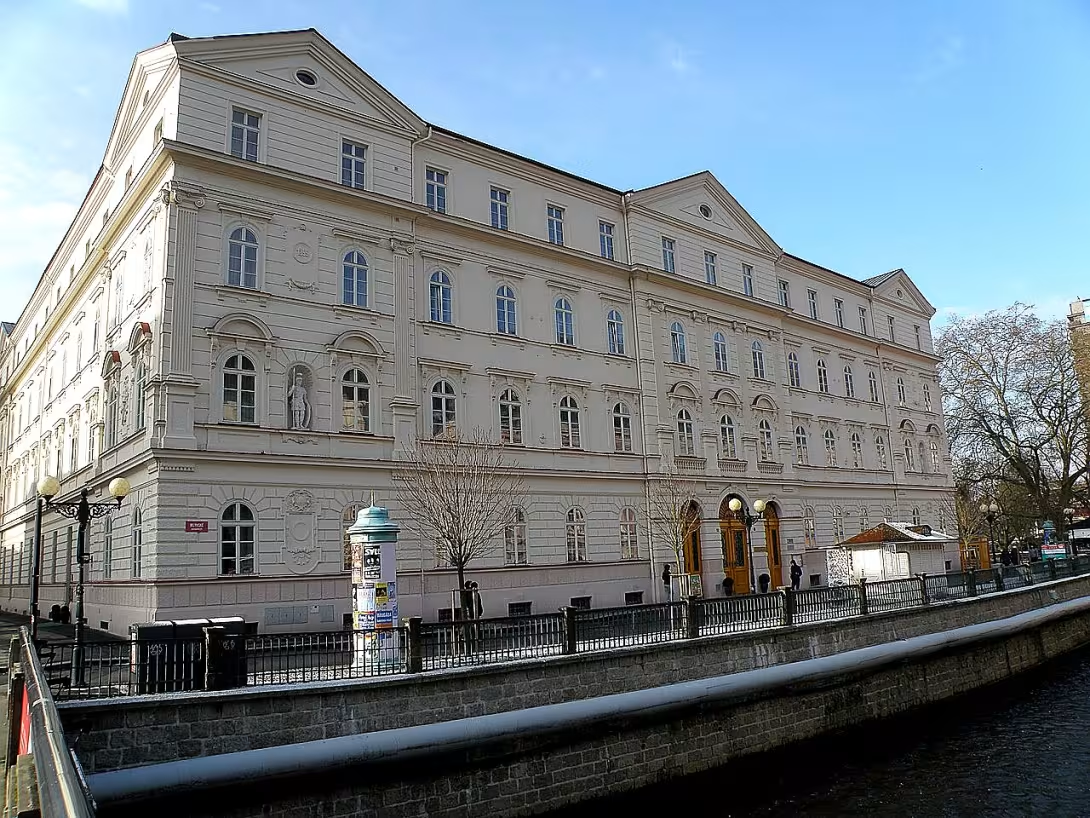
The Vojenský lázeňský ústav, also known as Vojenská lázeňská léčebna, is a historic spa facility located in Karlovy Vary, Czech Republic. Constructed between 1853 and 1855 for the Austrian army, it stands out as one of Europe's largest military spa institutions. Recognized as a cultural monument since 1994, this three-story building with an internal courtyard was designed by architect Václav Hagenauer. It is significant as the first comprehensive spa establishment in Karlovy Vary and among the earliest permanent spa facilities in Europe.
The origins of the Vojenský lázeňský ústav date back to 1850 when Václav Hagenauer, an architect for Count Buquoye of Červený Hrádek, developed its design. The site was chosen where laundry traditionally aired near the Teplá River. In 1851, a society acquired the land to establish a military hospital, and construction began in August 1852. Despite initial financial hurdles, Dr. Gallus Hochberger, a key supporter, contributed his entire estate to ensure timely completion. The facility opened on July 12, 1855, with an inauguration attended by notable figures.
Architecturally, the Vojenský lázeňský ústav was originally characterized by its simple and symmetrical design. Over time, it underwent significant renovations: in 1905, classical elements such as high pilasters and sculptures were added to its facades; a major transformation occurred in 1924 when a third floor was constructed to accommodate commercial spaces while maintaining spa functions. The building also features an internal courtyard with a chapel adorned by frescoes and sculptures, including works by Wilhelm Kandler.
Throughout its history, the Vojenský lázeňský ústav has seen various owners and uses. Initially serving the Austrian army, it provided free accommodation and medical care during spa seasons from April 15 to October 15, eventually extending this service year-round starting in 1901. During World War II, it was integrated into military hospitals for German soldiers. Post-war, it continued to serve the Czechoslovakian army until its current role as part of Vojenských lázeňských a rekreačních zařízení.
Key events in the facility's history include its completion and inauguration in 1855, attended by prominent figures. In 1881, water from Tereziin pramen was piped into the building, enhancing its spa capabilities. Despite initial local skepticism about its plain design—mockingly referred to as "Kommissbrot"—the institution became a cornerstone of Karlovy Vary's spa culture.
Today, the Vojenský lázeňský ústav operates within a three-star spa hotel named Sadový pramen. It offers therapeutic care focusing on metabolic disorders and musculoskeletal issues, with 162 beds available for patients. The building underwent a complete exterior facelift in autumn 2011, preserving its historical integrity while ensuring modern functionality.
Visiting the Vojenský lázeňský ústav provides insight into the rich history of spa culture in Europe and the architectural evolution of military facilities. Its blend of historic significance and contemporary medical services makes it a compelling destination for those interested in both cultural heritage and wellness tourism.
Then and now
Drag the slider to compare how the landmark may have looked when it was built with the view today.
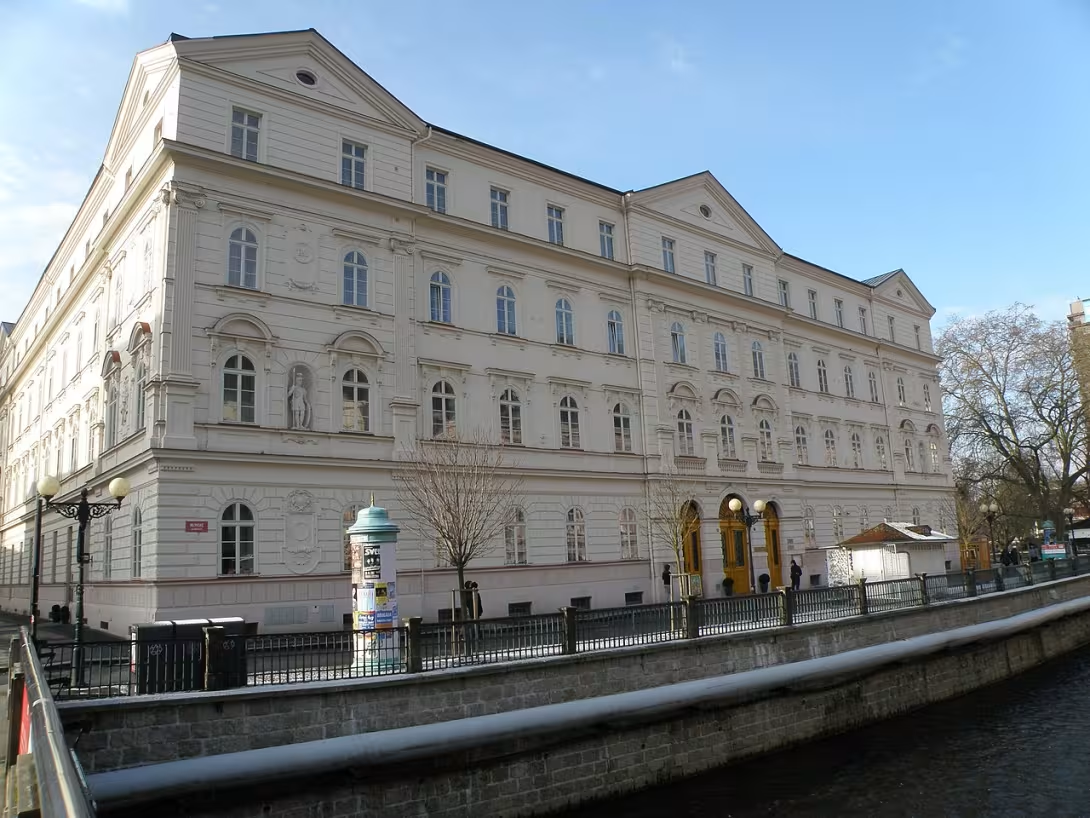

The historical appearance on the left is an AI-generated visualisation and serves as inspiration only.
Historical milestones
- 1855
- The inauguration of the Vojenský lázeňský ústav took place with a ceremony attended by notable figures.
Architectural development
The original construction of Vojenský lázeňský ústav began in 1852 and concluded in 1855. It underwent significant renovations in 1905, adding decorative facades and sculptures, and a major transformation in 1924 to accommodate commercial spaces while maintaining its spa functions. The building was adapted for military hospital use during World War II.
Historical events
- 1855
- The building was completed and inaugurated with a ceremony attended by prominent figures.
- 1881
- Tereziin pramen (Theresien Spring) water was piped into the facility.
Points of interest
– The Vojenský lázeňský ústav was originally nicknamed "Kommissbrot" by locals due to its plain design, a playful reference to the type of bread issued to soldiers. – Dr. Gallus Hochberger played a crucial role in ensuring the construction of the facility by donating his entire estate when initial funding fell short, demonstrating his commitment to the project's success. – In 1881, water from Tereziin pramen was piped into the Vojenský lázeňský ústav, significantly enhancing its spa capabilities and marking an important development in its history. – The building underwent a major transformation in 1924 when a third floor was added to accommodate commercial spaces while still maintaining its original spa functions, showcasing adaptability over time. – Despite being initially constructed for the Austrian army, the Vojenský lázeňský ústav extended its services year-round starting in 1901, reflecting an evolution from seasonal to permanent operation.
Guide
This guide is narrated by a synthetic voice generated by artificial intelligence.
Show guide text
This text was created by artificial intelligence and has not been editorially reviewed. It may contain inaccuracies.
Welcome to the historic Vojenský lázeňský ústav in Karlovy Vary, a remarkable testament to Austria's military heritage and architectural prowess. As you stand before this grand three-story structure, take a moment to absorb its imposing presence. The building's façade exudes an air of solemnity and history, inviting you into the world of 19th-century spa culture.
Let’s delve into the origins of this magnificent facility. Constructed between 1853 and 1855, the Vojenský lázeňský ústav was designed specifically for the Austrian army by architect Václav Hagenauer. Its creation marked a significant moment in history, as it became one of Europe's largest military spa institutions, reflecting the era’s emphasis on health and recuperation for soldiers.
As you gaze at the building, notice its distinctive architecture, featuring an internal courtyard that adds to the sense of tranquility and order. The design is both functional and elegant, with a simplicity that speaks volumes about its purpose. This architectural choice was intentional, aimed at providing a serene environment conducive to healing—a sanctuary for those who served.
The history of this place is intertwined with fascinating stories and notable figures. One such figure is Dr. Gallus Hochberger, whose dedication played a pivotal role in the establishment of the Vojenský lázeňský ústav. His generous donation of his entire estate ensured that this facility could come to fruition when initial funding was uncertain.
There's an intriguing tidbit about how locals initially perceived the building: it earned the nickname "Kommissbrot," a playful nod to its plain design, reminiscent of the simple bread issued to soldiers. This anecdote adds a layer of charm and cultural insight into how such grand structures were viewed by those who lived alongside them.
As you continue your exploration, I invite you to immerse yourself in this rich tapestry of history and architecture. Imagine the lives that have passed through these halls, each seeking solace and recovery within its walls. The Vojenský lázeňský ústav is not just a building; it's a story etched in stone.
Thank you for joining me on this journey through time. I encourage you to explore further and discover the many layers of history that Karlovy Vary has to offer. Until next time, may your curiosity lead you to new discoveries!
Tips for visitors
The best time to visit the Vojenský lázeňský ústav is during late spring or early autumn when the weather is pleasant, and the natural thermal springs are at their most inviting. This period offers a balance of comfortable temperatures and fewer crowds, allowing visitors to fully appreciate the historic architecture and serene surroundings. Additionally, the lush parks in the area are particularly vibrant during these seasons, providing a picturesque backdrop for your visit.
Always verify current transport routes and schedules through local travel resources.
When visiting the Vojenský lázeňský ústav, consider bringing comfortable walking shoes as you'll likely explore both the historic building and its surrounding parks. A light jacket or sweater is also recommended, especially if visiting in spring or autumn when temperatures can be cooler. Don't forget a camera to capture the stunning architecture and scenic views of the Teplá River and nearby springs.
For photography enthusiasts, early morning or late afternoon provides the best natural lighting for capturing the Vojenský lázeňský ústav's historic facade and the lush greenery around it. The soft light during these times enhances the building’s details and creates a warm ambiance in your photos. Additionally, taking pictures from the riverside offers unique perspectives of both the structure and its natural surroundings.
Within a 30-minute radius, visitors can explore other historical sites such as the Karlovy Vary springs, known for their therapeutic properties and beautiful gardens. The area is also home to several parks that offer walking trails and picnic spots ideal for relaxation after visiting the spa facility. These nearby attractions provide a comprehensive cultural and natural experience, perfect for those interested in both history and nature.
Frequently asked questions
Can the monument be visited?
The building is in use (offices, a school, shops and the like). The interior is generally accessible only during operating hours and tours are not usually offered; we have not verified the details. You can see the exterior from the street.
Where is the monument?
Location: Karlovy Vary, Karlovarský kraj. The map on this page shows the exact spot.
Why is the monument protected?
It is listed in the Central List of Cultural Monuments of the Czech Republic as a cultural monument (register no. 1000150291).
Businesses nearby
Do you run a restaurant, accommodation, shop, museum, rental, wellness or other visitor service near this monument? Show yourself directly to the people heading to it — this is how they will see you in the app and on the web:
Nearby
Located near the Teplá River and close to the famous Karlovarské prameny (Karlovy Vary springs), the area is rich with natural thermal springs. The surrounding landscape includes lush parks and other historical sites within a five-kilometer radius.
Accommodation nearby
Trips and activities nearby
Guided tours, tickets and activities nearby from GetYourGuide
Affiliate link: if you buy from the partner, we may receive a commission. The price for you does not change.
Search tours and activities →Themed route
Thematic Walking Tour: Vojenský lázeňský ústav and Surroundings
1. Vojenský lázeňský ústav (Building) - Type: Historical Building - Why Visit: Begin your tour at the iconic Vojenský lázeňský ústav, a stunning example of military architecture with rich historical significance. Explore its elegant design and learn about its role in providing therapeutic treatments using local thermal waters.
2. Karlovarské prameny (Karlovy Vary Springs) - Type: Natural Thermal Springs - Why Visit: A short walk from the Vojenský lázeňský ústav, these famous springs are renowned for their healing properties and have been a cornerstone of Karlovy Vary's reputation as a spa town. Enjoy the serene atmosphere and learn about the history of thermal bathing in this region.
3. Lush Parks - Type: Natural Landscape - Why Visit: Stroll through the lush parks surrounding the area, offering a tranquil escape with beautifully maintained gardens and walking paths. These green spaces provide an ideal setting to relax and reflect after exploring historical sites, while also showcasing the natural beauty of Karlovy Vary.
4. Teplá River - Type: Natural Waterway - Why Visit: Conclude your tour by visiting the picturesque Teplá River, flowing gently through the landscape near the springs and parks. Its scenic banks offer a peaceful spot for contemplation, photography, or simply enjoying the natural charm of Karlovy Vary.
This thematic walking tour offers a blend of history, nature, and relaxation, perfect for those interested in exploring the unique heritage and beauty of Karlovy Vary's spa culture.
Seasonal recommendations
Jaro: Karlovy Vary in the spring offers visitors an attractive combination of warm sunny days and lush, revitalizing nature. The historic Military Spa Institute stands out with its elegant architectural features illuminated by spring sunlight, highlighting its historical beauty. The atmosphere is calm and pleasant, providing an ideal environment for understanding the rich history of the monument without unnecessary crowd pressure. Practical tips include wearing layers due to variable spring temperatures and visiting in early afternoons when there are fewer people, allowing full appreciation of the monument.
Léto: During the main summer season, Karlovy Vary become a popular destination for tourists and locals seeking relief from the heat. The Military Spa Institute is bathed in long summer days during this period, bringing out the clear and vibrant colors of the building into full context. The atmosphere is filled with joy and activities on the city streets, but the monument remains a place of calm and historical insight. Visitors are advised to visit early in the morning or late afternoon to avoid peak crowds, and wear light clothing to handle warm summer days.
Podzim: In autumn, Karlovy Vary offer visitors a unique atmosphere as the city transforms into a colorful tapestry of fall colors. Historic buildings like the Military Spa Institute are celebrated for their hues and elegant architecture, highlighted by gentle sunlight. The atmosphere is quieter compared to the summer months, allowing visitors to enjoy leisurely strolls and learn about history without crowd pressure. Practical tips include wearing warmer clothing due to cooler days and taking advantage of mild autumn weather for visits, allowing full appreciation of the monument.
Zima: In winter, Karlovy Vary offer a magical atmosphere with frosty or icy landscapes that bring their own kind of beauty. The Military Spa Institute stands as an elegant figure against snow-capped mountains and local lighting, adding a poignant atmosphere to its historical essence. Practical tips include wearing warm clothing and using sunny days for visits to maximize visibility of the monument and enjoy the winter atmosphere without discomfort.
Visualizations and artistic views


The visualisations are generated by artificial intelligence and serve as inspiration.
Photos from the area
Real photos taken near the monument


Zdroj a licence jsou uvedeny u každého snímku.
Tips from visitors
No tips yet. Be the first!
Log in and add your tip.
Sources and literature
Photos: U.username / CC BY-SA 4.0 — Wikimedia Commons. The author and licence also appear when you hover over the image.
Faktickým podkladem tohoto textu byl článek na Wikipedii, jehož autory jsou přispěvatelé Wikipedie. Článek je dostupný pod licencí CC BY-SA 4.0.
Location on the map
More monuments – Karlovy Vary
Show all in the municipality
Příběhy a pověsti
Legendy, pověsti a příběhy spjaté s touto památkou

Fotografie návštěvníků
Zatím žádné fotografie. Buďte první, kdo přidá fotografii z návštěvy!
Log in a přidejte svou fotografii nebo hodnoťte.
Za ověřenou návštěvu v aplikaci získáte víc bodů — poznáme podle GPS, že jste na místě.
Reviews and comments