






Vrchlického sady Park
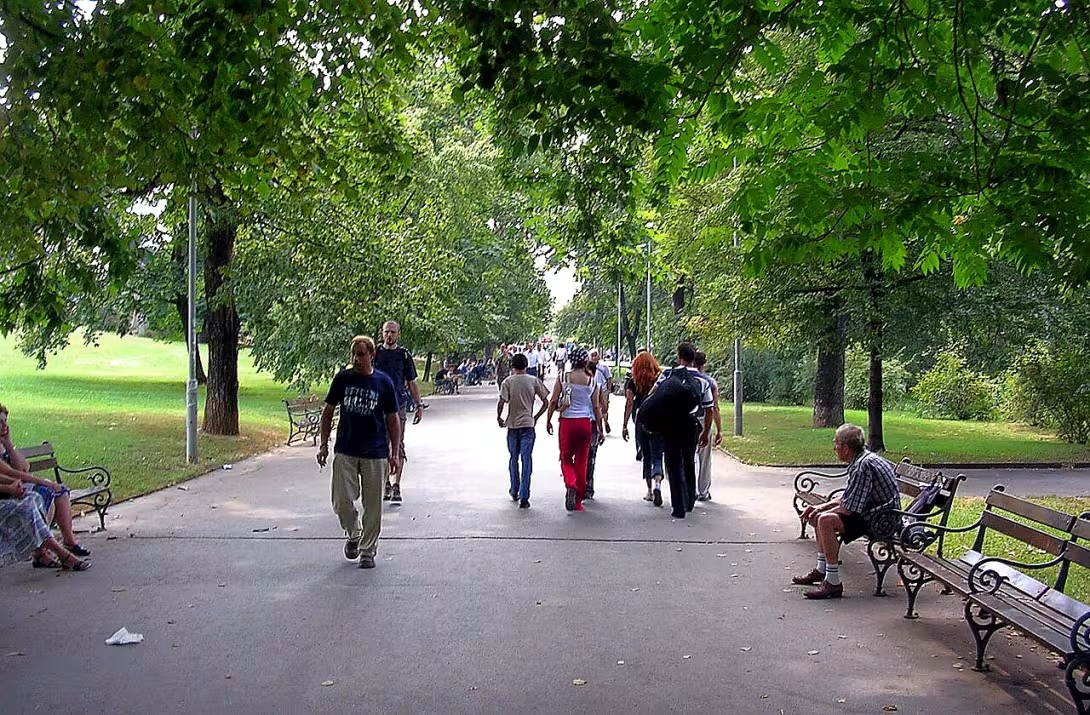
Vrchlického sady, commonly known as 'Pražský Sherwood', is a park located in Prague's Nové Město district. It spans 6.1 hectares and sits at an elevation of 198 to 208 meters above sea level. The park lies between Opletalova, Wilsonova, Bolzanova, and Washingtonova streets, near Prague’s main railway station.
Initially established as a promenade park in the 1830s on baroque ramparts, Vrchlického sady has evolved through various development phases, blending historical significance with modern urban elements. Its origins trace back to the 19th century when Count Chotek initiated its creation as part of broader trends in urban planning and public space utilization during Prague's expansion within the Austrian Empire.
Originally known as "Velký park," it underwent significant changes over time. In 1884, František Josef Thomayer expanded the park, adding more green spaces and structures. By 1913, following poet Jaroslav Vrchlický’s death, the park was renamed in his honor.
Architecturally, Vrchlického sady reflects a mix of historical and modern influences. Early 20th-century revitalization efforts were led by architect Karel Skalák, who transformed it while retaining key elements from previous designs. Despite encroachments from developments like the main railway station's new hall (constructed between 1972 and 1977), the park maintains several historical features.
Notably, it houses artistic monuments such as a memorial to naturalist Jan Svatopluk Presl, installed in 1916 by Bohumil Kafka and Josef Gočár. Additionally, a replica of Karel Pokorný's 'Sbratření' sculpture is near an early 20th-century kiosque preserved as a cultural monument.
Throughout its history, Vrchlického sady has experienced various changes in ownership and administration, reflecting broader urban development trends. Its proximity to significant landmarks like Prague’s main railway station underscores its integration into the city's fabric. Despite modern encroachments such as metro stations and parking areas, it retains a unique character with notable features like a large plane tree near the parking area.
Today, Vrchlického sady stands as a testament to Prague's rich history and urban evolution. It offers visitors natural beauty and historical monuments amidst a bustling cityscape. The park is accessible and provides a serene escape within the heart of Prague, making it a worthwhile destination for those interested in exploring nature and history.
Vrchlického sady invites visitors to experience its unique atmosphere where history and modernity coexist harmoniously. Its blend of natural beauty and historical significance makes it an essential stop for anyone exploring Prague's vibrant urban landscape.
Historical milestones
- 1830
- Established as a promenade park on baroque ramparts.
- 1884
- Expanded by František Josef Thomayer, adding green spaces and structures.
- 1913
- Renamed in honor of poet Jaroslav Vrchlický after his death.
- 1916
- Installation of a memorial to naturalist Jan Svatopluk Presl by Bohumil Kafka and Josef Gočár.
- 1972-1977
- Construction of Prague’s main railway station's new hall nearby.
Architectural development
Vrchlického sady underwent significant development starting in the 1830s with its establishment as a promenade. The park was expanded in 1884 by František Josef Thomayer, incorporating more green spaces and structures. Early 20th-century revitalization efforts were led by architect Karel Skalák. Despite modern developments encroaching on its space, the park retains historical elements like its memorial sculptures.
Historical events
In the 1830s, Count Chotek initiated the creation of a promenade park on baroque ramparts.
The park was expanded in 1884 under the guidance of František Josef Thomayer.
A memorial to Jan Svatopluk Presl was installed in 1916.
In 1913, the park was renamed Vrchlického sady after the death of poet Jaroslav Vrchlický.
Points of interest
- Vrchlického sady was originally part of the baroque ramparts from which it evolved into a promenade park in the 1830s, reflecting early urban planning trends during Prague's expansion within the Austrian Empire.
- The park is home to a memorial dedicated to naturalist Jan Svatopluk Presl, created by Bohumil Kafka and Josef Gočár in 1916, highlighting its role as a cultural repository for important Czech figures.
Guide
This guide is narrated by a synthetic voice generated by artificial intelligence.
Show guide text
This text was created by artificial intelligence and has not been editorially reviewed. It may contain inaccuracies.
Welcome to the enchanting Vrchlického sady, affectionately known as 'Pražský Sherwood.' As you stand here in Prague's vibrant Nové Město district, imagine yourself stepping back into a lush tapestry of history woven with nature and artistry. The park unfolds before you, offering a serene escape from the bustling city life just beyond its green embrace.
The origins of Vrchlického sady trace back to the 1830s when this space was first established as a promenade park on baroque ramparts. These fortifications were part of Prague's early urban expansion during the Austrian Empire, reflecting a time when cities began embracing public spaces for leisure and reflection. Over time, the park evolved through various phases, notably in 1884 when František Josef Thomayer expanded it, adding green spaces and structures that enhanced its charm.
As you wander through the paths, notice how the landscape blends art with nature seamlessly. The park is home to several artistic monuments, including a striking memorial dedicated to naturalist Jan Svatopluk Presl. This monument, created by Bohumil Kafka and Josef Gočár in 1916, stands as a testament to Presl's contributions to botany and his enduring legacy.
The park's name honors poet Jaroslav Vrchlický, who inspired its renaming in 1913 after his death. His influence is palpable here, where creativity and nature intersect, offering inspiration to all who visit.
Among the notable figures connected to this place are Bohumil Hübschmann, Václav Frýdecký, Michal Blažek, Daniel Talavera, Mikuláš Hulec, and Daniel Špička. Each of these individuals has contributed to the park's rich tapestry, whether through art, architecture, or cultural heritage.
A fascinating aspect of Vrchlického sady is its transformation from part of the baroque ramparts into a beloved public space. This evolution mirrors Prague’s own growth and adaptation over centuries, making it a living piece of history for both locals and visitors to explore.
As you continue your journey through this verdant haven, take a moment to appreciate the interplay of light and shadow, the gentle rustle of leaves, and the whispers of history that echo around you. Let yourself be drawn into the stories embedded in every corner of this park.
Before you move on, consider exploring further—perhaps delve deeper into the works of Jan Svatopluk Presl or immerse yourself in the poetry of Jaroslav Vrchlický. Each step here is an invitation to discover more about Prague’s cultural and historical landscape.
Thank you for joining us at Vrchlického sady. May your visit inspire a lasting connection with this remarkable place, and may it encourage you to return again soon. Safe travels as you continue exploring the wonders of Prague!
Tips for visitors
The best time to visit Vrchlického sady, also known as 'Pražský Sherwood,' is during the spring or early autumn months. During these periods, the park's greenery and flowers are at their peak, offering a picturesque setting for leisurely walks. The weather is typically mild, making it comfortable to explore both the natural beauty of the park and its surrounding urban landmarks.
Transportation options to Vrchlického sady include public transit and personal vehicles. The park is conveniently accessible via metro station Hlavní nádraží, which connects you directly to the heart of Prague's Nové Město district. If driving, there are parking facilities nearby, though it's advisable to check for availability in advance due to the area's popularity. For the most current transportation options and schedules, please consult a local transit website or app.
When planning your visit to Vrchlického sady, consider bringing comfortable walking shoes as you'll likely want to explore its extensive pathways. A light jacket is also recommended, especially if visiting during cooler months, as temperatures can vary throughout the day. Don't forget to bring water and perhaps a snack for a picnic under one of the park's many trees.
Photography enthusiasts will find Vrchlického sady an ideal location due to its diverse scenery. The best light is typically found in the early morning or late afternoon when the sun casts soft shadows, enhancing the textures of both the natural and architectural elements within the park. Try capturing shots from Opletalova street for a unique perspective of the park's layout against Prague's skyline.
For families with children visiting Vrchlického sady, there are several nearby attractions to explore within a 30-minute walk or short transit ride. The main railway station area offers various shops and eateries where you can enjoy a meal or pick up souvenirs. Additionally, the proximity to Wilsonova street provides access to cultural sites and entertainment options suitable for all ages.
Businesses nearby
Events nearby

Zdroj akcí: otevřená data měst a obcí ČR (Národní katalog otevřených dat) a kalendář akcí Národního památkového ústavu.
Nearby
Vrchlického sady is surrounded by significant urban landmarks, including Prague's main railway station. Nearby streets such as Opletalova and Wilsonova frame the park, which also features modern structures like a metro station.
Accommodation nearby
Trips and activities nearby
Guided tours, tickets and activities nearby from GetYourGuide
Affiliate link: if you buy from the partner, we may receive a commission. The price for you does not change.
Search tours and activities →Themed route
Thematic Walking Tour: Vrchlického Sady and Surroundings
1. Vrchlického sady (Park) - *Type:* Urban Park - *Why Visit:* Begin your tour at this beautifully landscaped park, named after the famous Czech poet Julius Zeyer. The park offers a serene escape from the bustling city life with its lush greenery and peaceful atmosphere. It is an ideal spot for relaxation or a leisurely stroll.
2. Prague Main Railway Station - *Type:* Transportation Hub - *Why Visit:* Located just north of Vrchlického sady, this iconic railway station is not only a vital transportation hub but also an architectural marvel with its grandiose design and historical significance. It's worth exploring the main hall for its impressive architecture and art installations.
3. Opletalova Street - *Type:* Urban Street - *Why Visit:* Walk along Opletalova Street, which borders Vrchlického sady to the west. This street is known for its vibrant atmosphere and offers a glimpse into Prague's dynamic urban life with its mix of cafes, shops, and cultural venues.
4. Wilsonova Street - *Type:* Urban Street - *Why Visit:* Head south from Vrchlického sady to explore Wilsonova Street. This area is notable for its modern architecture and lively street scene, providing a contrast to the park's tranquility with its bustling cafes and contemporary art galleries.
5. Metro Station (Dejvická) - *Type:* Public Transportation - *Why Visit:* End your tour at Dejvická metro station, conveniently located near Vrchlického sady. This modern station is a great example of contemporary urban design and offers easy access to other parts of the city if you wish to continue exploring Prague.
This thematic walking tour provides a balanced experience of nature, history, and urban culture, all within the vibrant heart of Prague's 1st district.
Seasonal recommendations
Spring: Spring at Vrchlického sady is a time of rejuvenation, as the park bursts into life with vibrant colors from blooming flowers and fresh greenery. The soft morning light enhances the beauty of the historic statues and pathways, creating a serene atmosphere perfect for leisurely strolls. Visitors should take advantage of this quieter period before the summer crowds arrive; early mornings or late afternoons are ideal to enjoy the park's tranquility. Light layers are recommended as temperatures can vary, making it comfortable yet adaptable to changing weather conditions.
Summer: During the summer months, Vrchlického sady is a lively hub of activity with extended daylight hours that allow for longer visits. The lush greenery provides ample shade, making it an inviting escape from the city's hustle and bustle. This season sees increased visitor numbers, especially during weekends and holidays, so arriving early can help avoid crowds. Comfortable walking shoes and light clothing are advisable to navigate the park comfortably under the sun, while carrying water is essential to stay hydrated throughout your visit.
Autumn: Autumn transforms Vrchlického sady into a picturesque landscape of rich reds, oranges, and yellows as leaves change color. The cooler temperatures create a cozy atmosphere ideal for enjoying a leisurely walk or picnic amidst the scenic beauty. This season sees fewer visitors compared to summer, offering a more peaceful experience. Layered clothing is recommended to accommodate fluctuating weather conditions, and bringing an umbrella might be wise in case of unexpected rain showers.
Winter: Winter at Vrchlického sady offers a unique charm with its snow-covered paths and bare trees silhouetted against the gray sky, providing a different perspective on the park's historic features. The shorter days mean that visits need to be timed well to make the most of daylight hours; early mornings are particularly magical as the sun gently illuminates the frosty landscape. Visitors should dress warmly in layers, including hats and gloves, to stay comfortable while exploring. Additionally, checking opening times is advisable as they may vary during this season due to shorter days.
Visualizations and artistic views

The visualisations are generated by artificial intelligence and serve as inspiration.
Photos from the area
Real photos taken near the monument


Zdroj a licence jsou uvedeny u každého snímku.
Tips from visitors
No tips yet. Be the first!
Log in and add your tip.
Sources and literature
Fotografie: cs:ŠJů / CC BY-SA 3.0 — Wikimedia Commons. The author and licence also appear when you hover over the image.
Faktickým podkladem tohoto textu byl článek na Wikipedii, jehož autory jsou přispěvatelé Wikipedie. Článek je dostupný pod licencí CC BY-SA 4.0.
Location on the map
More monuments – Nové Město (Praha 1)
Show all in the municipality
Příběhy a pověsti
Legendy, pověsti a příběhy spjaté s touto památkou
Fotografie návštěvníků
Zatím žádné fotografie. Buďte první, kdo přidá fotografii z návštěvy!
Přihlaste se a přidejte svou fotografii nebo hodnoťte.
Za ověřenou návštěvu v aplikaci získáte víc bodů — poznáme podle GPS, že jste na místě.
Reviews and comments