



Vrcovice Hillfort
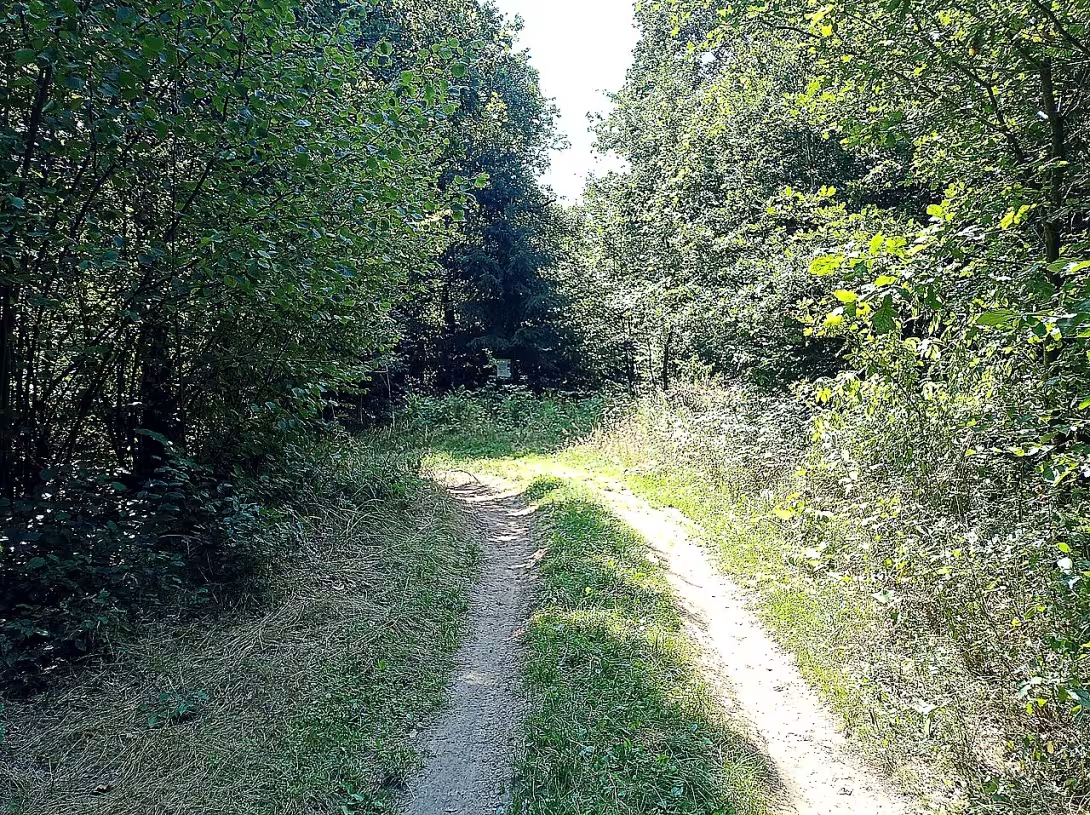
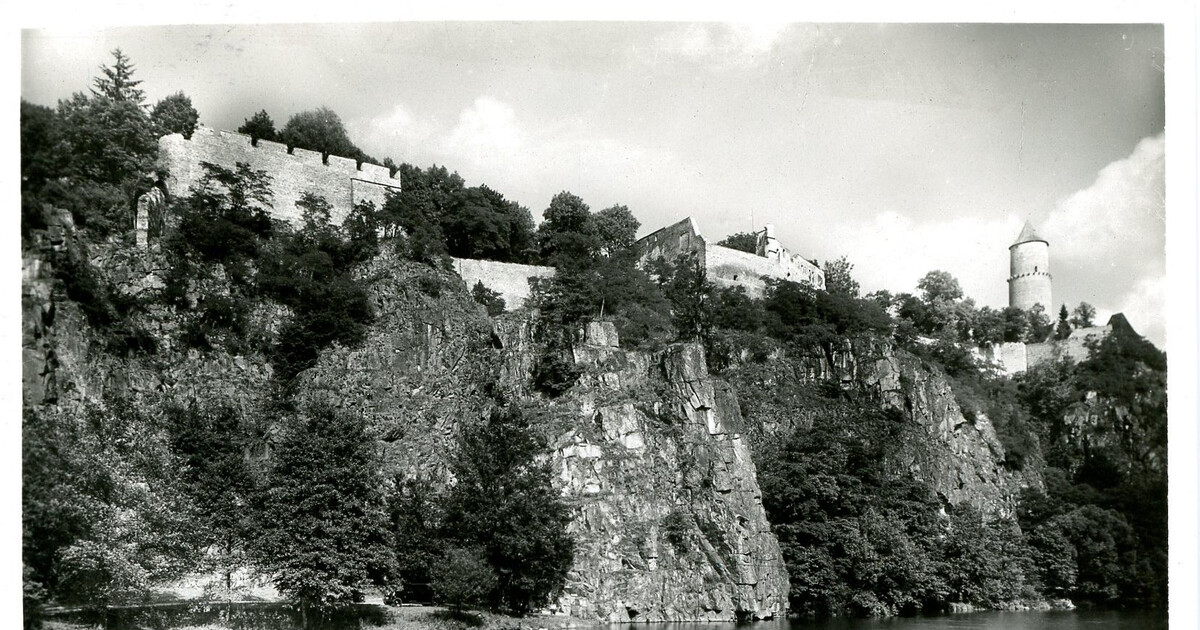
Vrcovice is a prehistoric castle situated on the island over the right bank of the Otava River in the Písek district. The locality was settled at the turn of the older and middle bronze era. It represents one of the oldest castles in southern Bohemia and since 1963 it has been protected as a cultural monument.
The fort was created at the time of the development of the Bronze Age cultures, for which there was a typical exchange of raw materials and the formation of a social hierarchy. In the Czech environment it was the period of creation of the first fortified centres, which served as economic and power supporting points. According to the advanced method of fortifications, it can be assumed that the inhabitants belonged to the then nobility which controlled the wider surroundings from its headquarters.
The area of the castle has an egg plan. On three sides it is protected by steep rocky slopes to the river Otava and Lipice grate. On the north side, where the terrain rises to Bohuslavec, a total depth of 25 metres was preserved. It's made up of two lines of waves separated by a moat. The first wall consisted of two rows of stakes with a filling of bulk material; Her back wall was leaning on an artificially-drawn rulestone. Behind her was a three-metre-wide moat carved in a rock. The second line of fortifications consisted of a wall with a front wall made of dry laid stones, an inner stone filling with horizontal stakes and a rear frame supported by stakes in the holes in the rock. The height difference between the trench and the wall of the inner wall is approximately four metres. The inner space was built by rectangular stake cottages with a fireplace and in one case a small stone cellar.
In modern history, the castle was discovered in the nineteenth century in stone mining, when the first bronze objects were found. The first archaeological research led in 1926 by Bedřich Dubský. The research of Ladislav Hájek in 1951 and Antonín Beneš between 1963 and 1966 followed.
The fort was destroyed by a sudden fire. Several fire graves were uncovered in the compound. One of them was in the second wall and contained three containers. Since the grave was put in the wall after its demise, there is a presumption that graves may be related to the victims of a devastating fire. Among the findings is also a clay pendant in the shape of an acorn, which indicates the symbolic importance of some objects of the then culture.
The location is now accessible from the north on a path that leads through both walls to the top of the island. In the area there are visible remains of pits after mining stone and the area grows pine forest with admixture of oak and hazelnuts.
Vrcovice is a valuable document of advanced prehistoric construction and social organization in southern Bohemia. The visit to this place offers the opportunity to become acquainted with the history of fortified settlements, which essentially shaped the form of the then landscape.
Historical milestones
- 1926
- The first archaeological research of the site under the leadership of Bedřich Dubský.
- 1951
- Archaeological research led by Ladislav Hájk.
- 1963
- The site was declared a cultural monument and the research of Antonín Beneš started.
Architectural development
The fortification used a natural rock sharpstone and consisted of two lines of valleys and moats. The first wall was composed of a stake structure filled with loose material, while the second one used dry laid stones and horizontal stakes. The interior was built by rectangular stake huts.
Historical events
1926: First archaeological research conducted by Bedřich Dubský. 1963: Announcement of cultural monument and launch of research by Antonín Beneš.
Points of interest
- The fort was inhabited at the turn of the older and middle bronze age and belongs to the oldest in southern Bohemia. - The fortifications consisted of two lines of valleys and moat, with the walls utilizing stake structures, stone walls and carved rock. - The inner area of the castle was built by rectangular stake huts which contained a fireplace and in one case a small stone cellar. - The location was discovered in the nineteenth century during the mining of the stone, where the first bronze objects were found. - The fort was destroyed by a sudden fire and fire graves were uncovered in the area, which may be related to the victims of this event.
Guide
Show guide text
This text was created by artificial intelligence and has not been editorially reviewed. It may contain inaccuracies.
Welcome to the place where time has stopped and where the earth under your footsteps touches ancient history. You're standing in front of the Vrcovice archaeological site. Before you go any further, stop for a moment and feel the surrounding space. Take a look at the high-rise island that rises above the Otava River. Can you feel the wind and see the mighty nature surrounding this place? This rise you're currently on has not been chosen by accident. For thousands of years, it has served as a firm hand that watches over the flow of water in the valley and offers protection to all who seek safety here.
Now let's go back deep into the past together to understand why this place is so special. Vrcovice is not just an ordinary hill. We are witnessing a period that has shaped the foundations of our civilization. This fort was created at the turn of the older and middle bronze era. Imagine a world where people were just learning to control metals and when power began to focus on the hands of the chosen. This place belongs to the oldest fortifications in all southern Bohemia. It wasn't just a place to live, it was a strategic center that controlled the surrounding countryside. There was a high-ranking group of people, probably powerful leaders or nobles, who built their power and influence here. Their decision and the ability to organise the work of many people made it possible to create something that the world had to admire and fear.
Now pay attention to what you might see if you could see beneath the surface of the earth or if you could see the form of this place before your eyes. Even though you can only see the earth and the rocks today, archaeological research has revealed an incredible degree of maturity for the builders back then. The fortification of this fort was not just a simple dam. It was made up of two lines of valleys and a deep moat that created an impenetrable barrier for the enemy. Notice how sophisticated this protection was. People didn't just use wood at the time, but they were great at combining natural materials. They built stake structures, used stone walls and even carved rocks to create solid and durable walls. This combination of natural terrain and human effort made Vrcovic an almost uncanny fortress.
If you now introduce yourself into the inner space of the castle, you will see a dense settlement. In a place where only grass and shadows stand today, there were once rectangular cottages built from stakes. It was homes where the lives of whole families revolved. These cottages were not only simple shelters, but part of an organized space that had to be well managed for defence and everyday life. Even though the builders of these buildings remained unknown in history, their ability to plan and build is evident in every find that scientists have found here.
However, in order to talk about this place at all today, we need to remember the people who put their finger on it after centuries. These are not bronze-era warriors, but scientists who have worked with patience and respect in the country. The first major steps made Bedřich Dubský in 1926 when he began his first archaeological research here. He was the one who began to decipher the secrets of this hill. Later, in 1951, he continued this work Ladislav Hájek, which deeply explored the structures that we had left today. And in 1963, Antonín Beneš went to work. It is thanks to his efforts and other research that this site has been declared a cultural monument that we have the honour to visit today. These men spent thousands of hours in clay and dust to tell us these stories today.
And here comes the greatest mystery that raises questions in us. Why did this important centre, this extraordinary fortress, suddenly disappear? Why did people leave their huts and walls? Archaeological findings give us a very disturbing answer. There were traces of heat and burns in the depths of the earth. It all suggests that the fort was not destroyed by a slow decline, but by a sudden and devastating fire. Imagine the moment when the fire spread across the shed structures of the chatrooms and the defensive waves. It could be war, it could be an accident, or maybe something we'll never know today. This heat found by archaeologists is the only silent witness to the end of a great era in this place.
Now that you have learned the basics of this place, its strength and its tragic end, I suggest you continue your walk. Look at the surrounding rocks and see the atmosphere of this place where history meets the present. Every piece of land here can hide other secrets waiting to be discovered. Thank you for choosing this guide and for trying with us on the way to the past. We have brigged you and enjoy the rest of your wandering around this beautiful landscape.
Tips for visitors
To visit the castle Vrcovice is the best time from spring to autumn, when the terrain is well viable and vegetation does not prevent the view of the valley of Otava. The location is freely accessible, so we recommend choosing dry days where there is no risk of slipping on the cliffs of the island. You can easily reach the place by a private car, which can be parked near the village Vrcovice, from where it leads to the castle walking path. Due to the nature of the terrain, bring with you firm shoes and plenty of fluids, as you will find no facilities or refreshments on the site itself. It is ideal for shooting late afternoon, when the sun lights the slopes above the river Otavou and Lipický grate, which highlights the nature of the terrain. In the vicinity of the castle you can explore natural scenery along the flow of the river Otava and Lipice Crouches, which offer a quiet environment for walks suitable also for families with children who like nature and history in the field.
Frequently asked questions
Can the monument be visited?
This is an archaeological site. Often there is little to see on the ground and the land may be private. We have not verified access.
Where is the monument?
Location: Jihočeský kraj. The map on this page shows the exact spot.
Why is the monument protected?
It is listed in the Central List of Cultural Monuments of the Czech Republic as a cultural monument (register no. 1000139137).
Businesses nearby
Do you run a restaurant, accommodation, shop, museum, rental, wellness or other visitor service near this monument? Show yourself directly to the people heading to it — this is how they will see you in the app and on the web:
Events nearby
Zdroj akcí: otevřená data měst a obcí ČR (Národní katalog otevřených dat) a kalendář akcí Národního památkového ústavu.
Nearby
Hradiště se nachází v blízkosti vesnice Vrcovice, nad pravým břehem řeky Otavy a v blízkosti Lipičné strouhy.
Accommodation nearby
Themed route
Thematic cruise route around Vrcovic
1. Vrcovice (archaeological site) - Type: Archaeological site. - Why is it worth a visit: This place is an important archaeological site where there is a fortress from the Bronze and Iron Age. You will visit the historical site with a rich past and you can see interesting findings that show the ancient inhabitants of this part of Bohemia.
2. Lime grate - Type: Source. - Why is it worth a visit: The lime grate is a natural spring that originated near Vrcovice. It is a place ideal for short disconnection and relaxation on the natural background. You can enjoy the quiet surroundings and if you like drinking water, you can find a fresh spring source.
3. Otava River - Type: River. - Why is it worth a visit: Otava River flows near Vrcovic and offers an opportunity for short walks or picnics at the water stream. It is a place where you can enjoy the quiet surroundings and perhaps even observe the wildlife or birds that inhabit this region.
4. Vesnice Vrcovice - Typ: Vesnické centrum. - Proč stojí za návštěvu: Návštěva vesnice Vrcovice vám umožní poznat místní kulturu a tradice. Můžete si prohlédnout tradiční architekturu domů a případně navštívit místní obyvatele, s nimiž se můžete podělit o zážitky nebo informace o historii místa.
This route allows you to explore the archeological and natural beauty surrounding Vrcovic and provides a view of life in this part of the Czech Republic since the Bronze period.
Seasonal recommendations
In spring Vrcovice comes to life thanks to the first growing of trees and fresh air. The soft spring light highlights the details of the old walls and the awakening nature gives hope to the place. We recommend moisture-resistant shoes because roads can be muddy after rain. It is best to visit the site in the morning when the air is the cleanest.
The summer season brings a rich green landscape and sharp shadows that give ruins a dramatic look. Expect more visitors in the main summer season, so come first thing in the morning to avoid the crowd. Don't forget the hat, enough drinking water and light, breathable clothes to protect you from heat.
In autumn, the surroundings of the monument turn into golden and brown tones, creating a nostalgic atmosphere. The frequent fog in the surroundings gives archeological space a mysterious touch and peace. Suitable are layered clothes and waterproof shoes. The ideal time to visit is the late afternoon when the sun paints the stones in warm shades.
In winter Vrcovice is a desolate and quiet calm, while snow highlights the outlines of stone structures. The atmosphere here is the most raw and humble, which allows you to feel the ancient history better. It is necessary to have warm clothes and firm shoes with anti-slip sole. Count on a shorter access time and enjoy a short but intense walk.
Visualizations and artistic views


The visualisations are generated by artificial intelligence and serve as inspiration.
Photos from the area
Real photos taken near the monument


Zdroj a licence jsou uvedeny u každého snímku.
Tips from visitors
No tips yet. Be the first!
Log in and add your tip.
Sources and literature
Photos: Aktron / CC BY-SA 4.0 — Wikimedia Commons. The author and licence also appear when you hover over the image.
Faktickým podkladem tohoto textu byl článek na Wikipedii, jehož autory jsou přispěvatelé Wikipedie. Článek je dostupný pod licencí CC BY-SA 4.0.
Location on the map




Příběhy a pověsti
Legendy, pověsti a příběhy spjaté s touto památkou
Fotografie návštěvníků
Zatím žádné fotografie. Buďte první, kdo přidá fotografii z návštěvy!
Log in a přidejte svou fotografii nebo hodnoťte.
Za ověřenou návštěvu v aplikaci získáte víc bodů — poznáme podle GPS, že jste na místě.
Reviews and comments