



Výrov (Nové Město nad Metují) Ruin
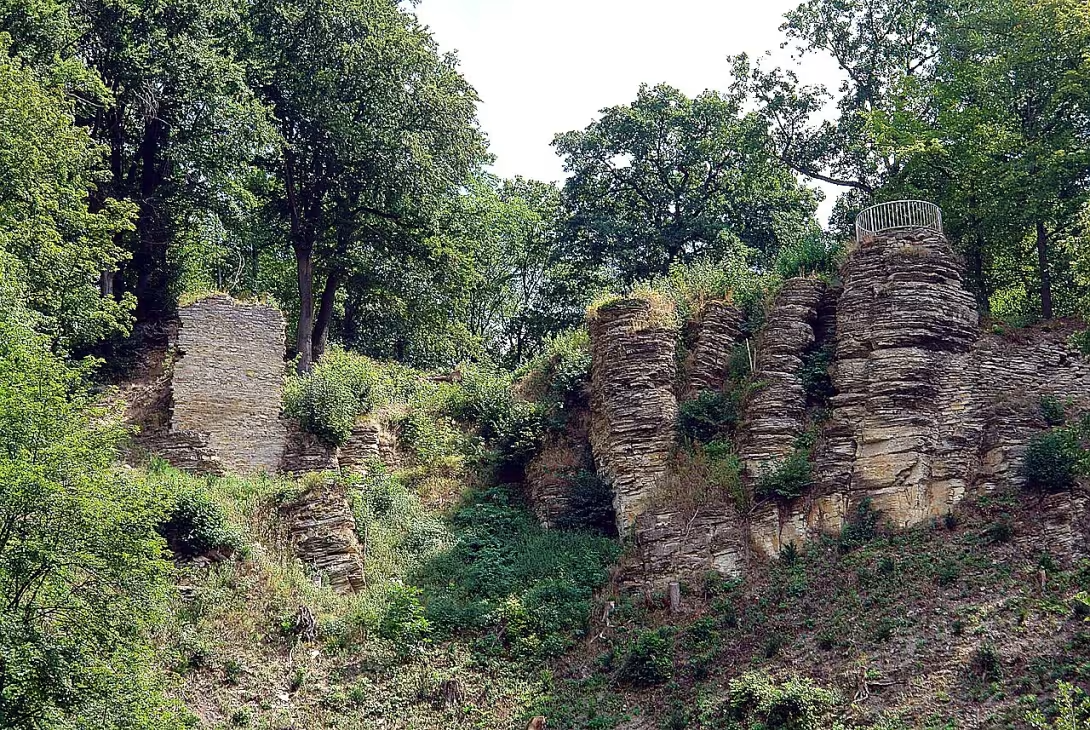
Výrov is an intriguing castle ruin near Nové Město nad Metují in the Královéhradecký kraj region of the Czech Republic. Located in Klopotské údolí, it stands above where the Metuje and Bohdašínský potok rivers meet. Recognized as a cultural monument, Výrov holds historical significance with architectural remnants from the late 14th or early 15th century. Although never fully completed, it provides insights into medieval construction techniques and regional history.
The origins of Výrov date back to a period marked by significant political and social changes in Bohemia, leading up to the Hussite Wars. Archaeological evidence suggests its foundation during this transformative era. The first documented mention is between 1483 and 1501, when it belonged to Jan Černčický z Kácova. By then, it was already described as abandoned, indicating early decline.
Architecturally, Výrov was built on an island above the river confluence. It featured a robust defensive wall approximately four meters thick and at least eight meters high, likely including a parkan for additional protection. The entrance was safeguarded by a bastion-like protrusion of the curtain wall. Behind this defense stood a square tower-like palace with timber or plank construction, partially preserved as undercroft foundations. Additional wooden structures were situated on nearby rocky outcrops.
Ownership and administration of Výrov shifted dramatically over time. Jan Černčický z Kácova was its first recorded owner during the late 15th century. Historical sources suggest that between 1539 and 1541, it may have served as a prison for dangerous criminals, although this is not definitively proven.
Výrov's cultural significance extends beyond its physical remnants. It features in Alois Jirásek's novel "Husitský král," highlighting its role in Czech literary history. Today, Výrov stands as a testament to medieval architecture and regional heritage. Visitors can explore the deep moat that separates the ruins from the island, offering a glimpse into the past.
The current state of Výrov allows for accessible exploration, making it an intriguing destination for those interested in history and archaeology. Its preservation as a cultural monument ensures future generations can appreciate its historical value. The site's location amidst natural landscapes adds to its allure, inviting visitors to immerse themselves in both the past and present beauty of the region.
Výrov is more than just a ruin; it is a window into the medieval era, offering insights into architectural practices and regional history. Its preservation as a cultural monument underscores its importance, making it a worthwhile visit for anyone interested in exploring the rich tapestry of Czech heritage.
Then and now
Drag the slider to compare how the landmark may have looked when it was built with the view today.
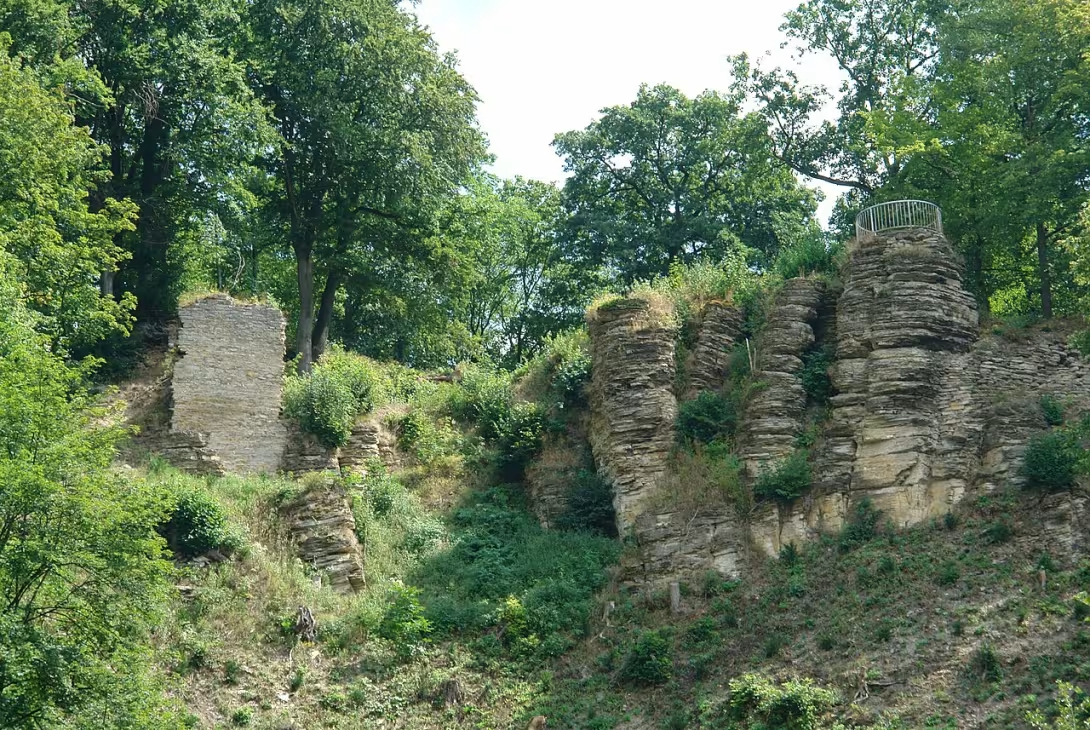
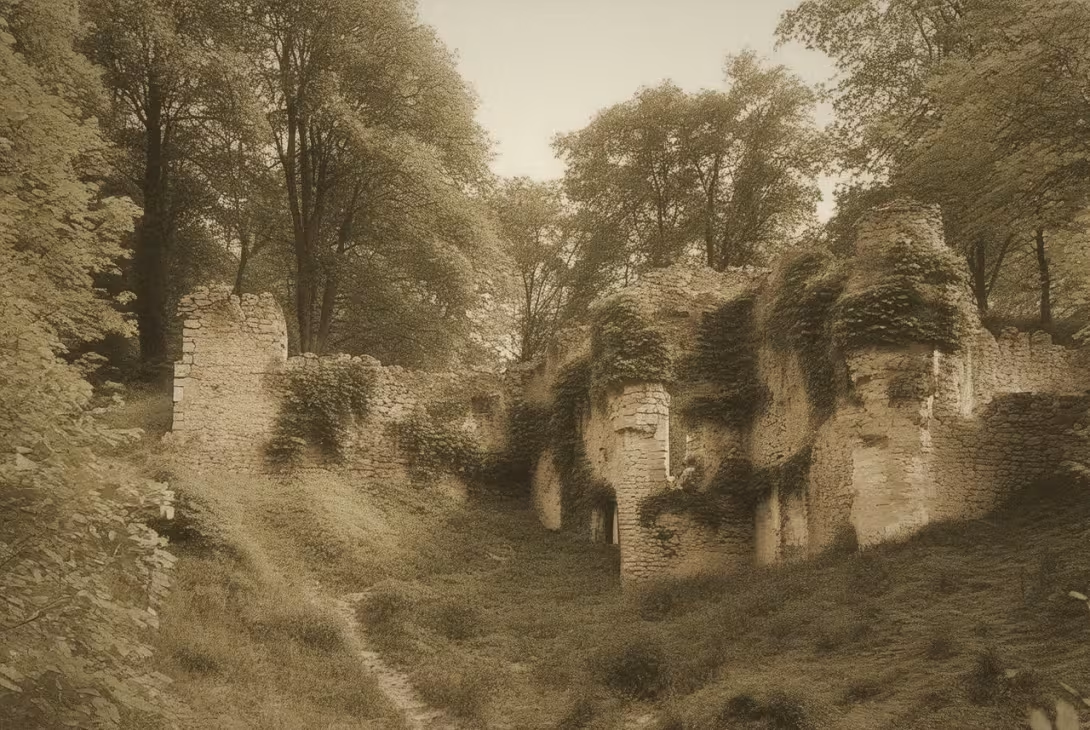
The historical appearance on the left is an AI-generated visualisation and serves as inspiration only.
Historical milestones
- 1483
- First written mention of Výrov, though not specifically referring to this castle.
- 1539
- Hypothesized use as a prison for dangerous criminals.
Architectural development
Výrov was constructed on an island above the river confluence, featuring a four-meter-thick defensive wall and possibly a parkan. The main entrance was protected by a bastion-like protrusion of the curtain wall. A square tower-like palace with a timber or likely plank construction stood behind the walls, partially preserved as undercroft foundations.
Historical events
First written mention of Výrov around 1483-1501, though not specifically referring to this castle.
Hypothesized use as a prison for dangerous criminals from 1539 to 1541.
Owners
The first documented owner was Jan Černčický z Kácova between 1483 and 1501, although it was already described as abandoned by then.
Points of interest
- Despite its early abandonment, Výrov's construction techniques offer a rare glimpse into medieval castle building methods in the region, particularly with its thick defensive walls and strategic island location.
- The castle is linked to Jan Černčický z Kácova, a notable figure of his time, whose ownership marks an intriguing chapter in Výrov's history during a period of political turbulence leading up to the Hussite Wars.
- There are unconfirmed claims that Výrov might have served as a prison for dangerous criminals between 1539 and 1541, adding a layer of mystery and speculation about its use beyond being a mere castle ruin.
- Výrov's inclusion in Alois Jirásek's novel "Husitský král" illustrates its cultural resonance, bridging historical reality with literary imagination and highlighting its significance in Czech cultural narratives.
- The site’s natural setting in Klopotské údolí enhances its allure, combining the architectural remnants with scenic landscapes that draw visitors interested in both history and nature.
Guide
This guide is narrated by a synthetic voice generated by artificial intelligence.
Show guide text
This text was created by artificial intelligence and has not been editorially reviewed. It may contain inaccuracies.
Výrov is a castle ruin near Nové Město nad Metují in the Náchod district. It lies in the Klopotské valley, on a promontory above the confluence of the Metuje and Bohdašínský potok rivers. Its remains are protected as a cultural monument.
According to archaeological findings, the castle was built in the late fourteenth century or at the beginning of the fifteenth century. It is possible that its builders never fully completed it. At the turn of the fifteenth and sixteenth centuries, it belonged to Jan Černčický z Kácova, but written sources from that time already describe it as abandoned.
It was a single-walled castle. A ditch, which to this day is nine meters deep and eight meters wide, separated it from the rest of the promontory. The main defense consisted of a gable wall four meters thick and at least eight meters high. In front of it there was probably also a palisade, that is, a band of fortifications before the main wall. Entry to the castle was through a gate that was protected by a bastion-like projection of the wall.
Behind the gable wall stood a four-sided palace resembling a tower. It had a cellar and its larger part was wooden, either log-built or more likely timber-framed. Only the foundation of the palace remains, on which traces of timber anchors from the upper stories are visible. On the rock formations behind the palace stood another wooden structure.
Castle Výrov also appears in literature. Part of the plot of the novel Husitský král by Alois Jirásek takes place there.
Frequently asked questions
Can the monument be visited?
This is a ruin. Such sites are often freely accessible, but some can only be visited with a guide or are closed for safety reasons. We have not verified the current situation – take care and respect any restrictions.
Where is the monument?
Location: Nové Město nad Metují, Královéhradecký kraj. The map on this page shows the exact spot.
Why is the monument protected?
It is listed in the Central List of Cultural Monuments of the Czech Republic as a cultural monument (register no. 33237/6-1825).
Businesses nearby
Do you run a restaurant, accommodation, shop, museum, rental, wellness or other visitor service near this monument? Show yourself directly to the people heading to it — this is how they will see you in the app and on the web:
Events nearby



Zdroj akcí: otevřená data měst a obcí ČR (Národní katalog otevřených dat) a kalendář akcí Národního památkového ústavu.
Nearby
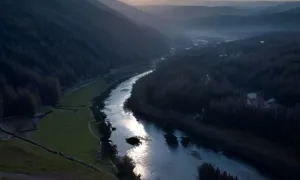
Výrov is located in a valley near the confluence of two rivers, surrounded by natural landscapes. The area includes other cultural monuments and scenic features within a five-kilometer radius.
Accommodation nearby
Themed route
Thematic Walking Tour: Discovering the Ruins of Výrov and Surroundings
1. Výrov Castle Ruins (Main Attraction) - Type: Historical Site - Why Visit: The ruins of Výrov Castle offer a glimpse into medieval history, nestled in a picturesque valley where two rivers converge. This site is perfect for those interested in exploring the remnants of ancient fortifications and imagining life during the castle's prime.
2. Výrov River Confluence - Type: Natural Feature - Why Visit: Just a short walk from the ruins, this natural feature showcases the serene beauty where two rivers meet. It’s an ideal spot for nature lovers to enjoy tranquil surroundings and reflect on the area's historical significance.
3. Výrov Church - Type: Cultural Monument - Why Visit: Located within a short distance from the castle ruins, this church is a testament to the region’s rich cultural heritage. Visitors can appreciate its architectural beauty and learn about local traditions that have been preserved over centuries.
4. Výrov Village Square - Type: Scenic Area - Why Visit: The village square provides an authentic taste of rural life in the Královéhradecký kraj region. It's a perfect place to relax, enjoy local cuisine, and interact with residents who can share stories about Výrov’s past.
This tour offers a blend of history, nature, and culture, providing visitors with a comprehensive experience of what makes the area around Nové Město nad Metují unique.
Seasonal recommendations
Spring: Visiting Výrov during spring offers a unique experience as the ruins are enveloped by blooming wildflowers and lush greenery, creating a vibrant tapestry that enhances the historical ambiance of the site. The gentle warmth of the sun casts soft light on the ancient stones, accentuating their weathered beauty. This season is ideal for photography enthusiasts who wish to capture the contrast between nature's renewal and the enduring legacy of the past. Visitors should wear comfortable walking shoes as paths may be uneven or muddy after rain showers. Arriving early in the day can help avoid larger crowds that gather later.
Summer: The summer months bring a lively atmosphere to Výrov, with long daylight hours allowing ample time for exploration amidst warm temperatures and clear skies. This is when the site truly comes alive, as the ruins bask under bright sunlight, highlighting intricate architectural details. It's advisable to wear light clothing and sunscreen due to the intense sun exposure, and bring plenty of water to stay hydrated. Given that summer is a popular season for tourists, arriving early in the morning can help avoid peak visitor times and ensure a more peaceful experience.
Autumn: Autumn transforms Výrov into a picturesque setting with its rich palette of reds, oranges, and yellows as deciduous trees shed their leaves. The cooler temperatures make it an ideal time to explore without the discomfort of summer heat, while the golden light enhances the mystical allure of the ruins. Visitors should dress in layers to accommodate fluctuating weather conditions and consider bringing a jacket for chilly afternoons. This season is perfect for those who appreciate nature's beauty as well as history, offering fewer crowds compared to summer.
Winter: Winter at Výrov offers a serene and somewhat magical experience, with snow-covered ruins creating an ethereal landscape that feels like stepping into another world. The shorter days mean visits should be planned earlier in the day to make the most of available daylight, while the cold weather necessitates warm clothing, including hats, gloves, and insulated boots. This time of year is particularly appealing for those seeking a quiet, reflective visit amidst winter’s tranquil beauty.
Visualizations and artistic views


The visualisations are generated by artificial intelligence and serve as inspiration.
Photos from the area
Real photos taken near the monument


Zdroj a licence jsou uvedeny u každého snímku.
Tips from visitors
No tips yet. Be the first!
Log in and add your tip.
Sources and literature
Photos: Pumr / CC BY-SA 4.0 — Wikimedia Commons. The author and licence also appear when you hover over the image.
Faktickým podkladem tohoto textu byl článek na Wikipedii, jehož autory jsou přispěvatelé Wikipedie. Článek je dostupný pod licencí CC BY-SA 4.0.
Location on the map



Příběhy a pověsti
Legendy, pověsti a příběhy spjaté s touto památkou
Fotografie návštěvníků
Zatím žádné fotografie. Buďte první, kdo přidá fotografii z návštěvy!
Log in a přidejte svou fotografii nebo hodnoťte.
Za ověřenou návštěvu v aplikaci získáte víc bodů — poznáme podle GPS, že jste na místě.
Reviews and comments