



Vysoká synagoga Synagogue
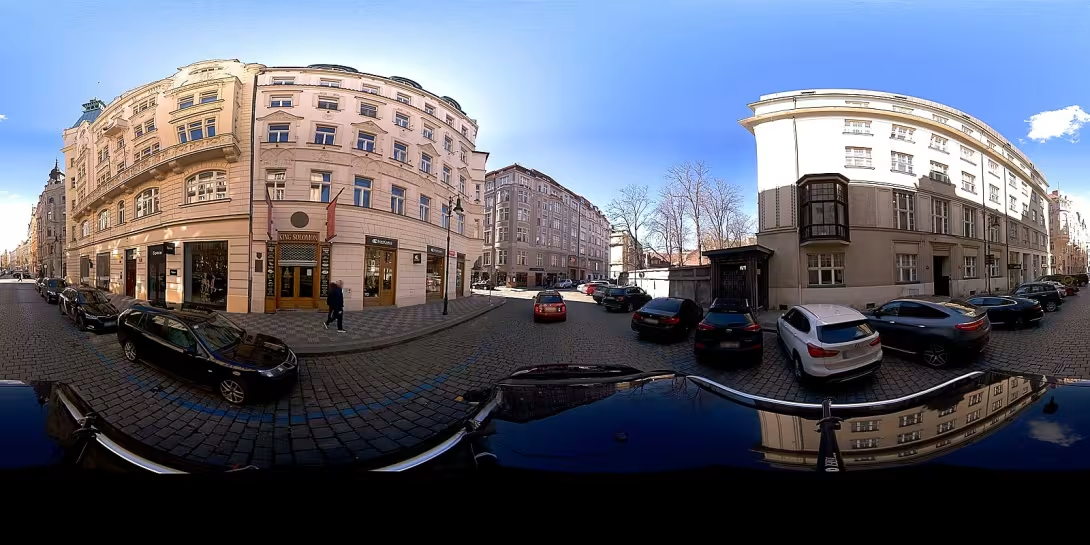
Vysoká synagoga, located on Red Street No. 5 in Josefov, Prague, is one of the most important Jewish monuments in Prague. It was built in 1568 as a private prayer house for Jewish conshals and an associate to be a dino, reflecting its importance in the Jewish city. Its architectural design is considered Vysoká synagoga in Krakow.
The creation of this monument is closely linked to the history of the Jewish city in Prague, which experienced growth during the Renaissance era. The financing of the construction was provided by rich benefactor Mordechai Maisell, which underlines the important position of the Jewish community at the time. The construction took place under the supervision of Pankratius Roder, who brought with him Renaissance architectural elements from Italy. The reason for her position was the need to protect religious activities from flooding, which often interfered in Jewish areas of Prague.
The architecture of the High Synagogue is characteristic of Renaissance style. The three high windows on the north side are one of its most distinctive elements, which provide space for light and air. Originally, the synagogue also had two windows on the east side facing the alley in the perpendicular direction, which however disappeared during Prague's rendering. After the fire in 1689 and the subsequent repair in 1754, the synagogue was further rebuilt, most significantly in 1883 by architect J. M. Wertmüller.
The history of the High Synagogue is rich in events and changes of owners. After the fire in 1689, it was hit several times by floods, resulting in repeated repairs. In the 20th century before the Holocaust it served as the main synagogue of the owners of the Prague Jewish village and was the center of orthodox religious life. After World War II it was restored and on the ground floor there is a store and cash register of the Jewish Museum in Prague, while the upper floor serves as a prayer room for members of the Prague Jewish village.
Today Vysoká synagoga is a protected cultural monument and is worth visiting not only because of its historical value but also because of its architectural beauty. Its importance for the Jewish community in Prague is undeniable and represents an important part of the cultural heritage of the city. Visitors have the opportunity to gain a deeper understanding of Jewish history in Prague and appreciate the architectural art of the Renaissance period.
Vysoká synagoga is not only a monument to the past, but also a place of life for the contemporary Jewish community. Its history and importance are reminiscent of the importance of protecting cultural heritage and recognition of the diverse history of Prague. Visiting this synagogue offers a unique opportunity to explore the rich heritage of the Jewish community in the Czech Republic and appreciate their contribution to the cultural development of the city.
Then and now
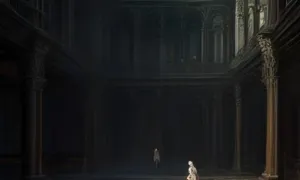
Drag the slider to compare how the landmark may have looked when it was built with the view today.
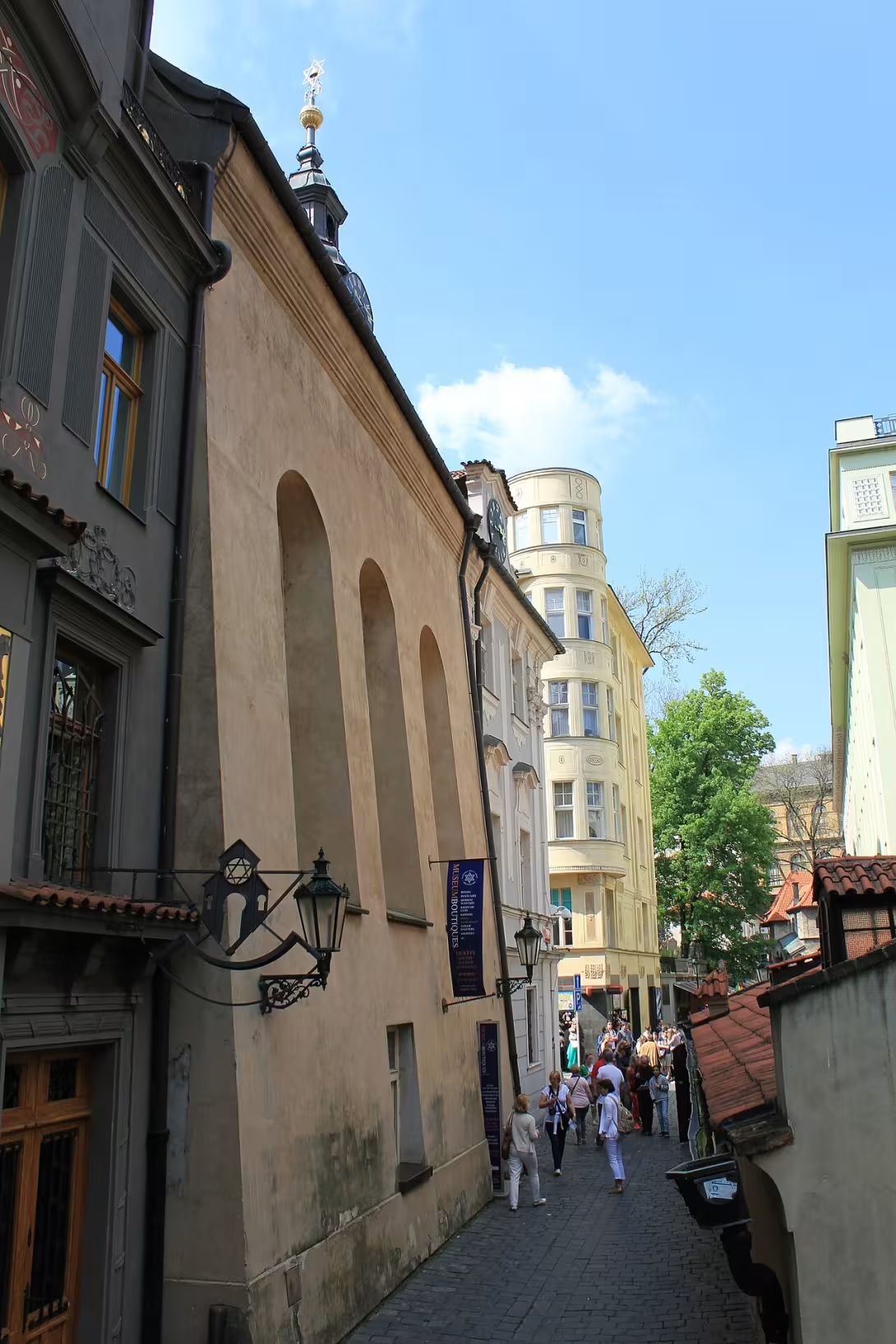
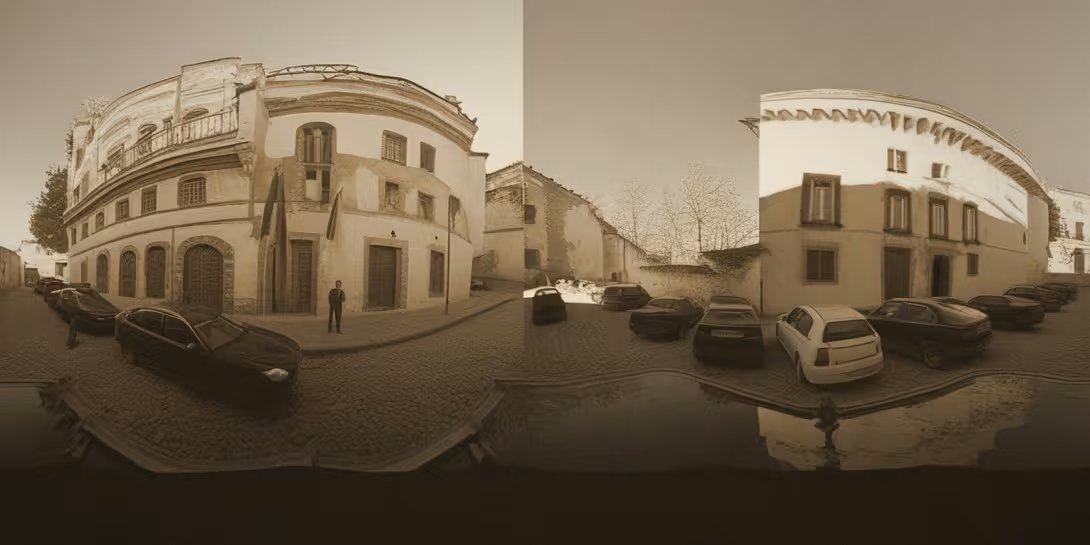
The historical appearance on the left is an AI-generated visualisation and serves as inspiration only.
Historical milestones
- 1568
- Synagogue construction has been completed.
- 1689
- The synagogue was hit by a fire.
- 1754
- Fire repair.
- 1883
- The reconstruction was carried out by J. M. Wertmüller.
Architectural development
Vysoká synagoga was built in Renaissance style and after several events such as fire and floods, it underwent various repairs. In 1883 there was a major reconstruction carried out by J. M. Wertmüller.
Historical events
- 1689
- The synagogue was hit twice by a fire.
- 1754
- The synagogue has been repaired.
- 1883
- The architectural reconstruction was carried out by J. M. Wertmüller.
Points of interest
- It was built in 1568 as a private prayer house for Jewish conshals and an associate to be a dino. - The architectural model was Vysoká synagoga in Krakow. - The reason for its construction was the need to protect religious activities from frequent floods. - The significant element is three high windows on the north side, which provide the space with light and airspeed. - On the ground floor there is a shop and cash register of the Jewish Museum in Prague.
Guide
Show guide text
This text was created by artificial intelligence and has not been editorially reviewed. It may contain inaccuracies.
Welcome to the heart of historical Joseph. You are standing in front of just one of the most important buildings in this whole neighborhood, which with its presence gives you a sense of deep history and grandeur. In front of your eyes is Vysoká synagoga. Do you feel that strange atmosphere floating between these narrow streets? It is a place where everyday life was confronted with the highest decisions and where prayers were mixed with political interests. Before you go any further, stop for a moment and see this building as a silent witness to the hundreds of years that have taken place here.
Let us now return together in time and understand why this building is so special. This building was not built for any random chaperone or merchant. Its history begins in 15 hundred and sixty-eight, when its construction was completed. From the beginning, however, it was clear that this was a high status place. Vysoká synagoga served as a private prayer house, intended exclusively for the most influential figures of the Jewish city. They were mainly Jewish consensus and also members of the religious court, which we will find in historical records under the name of being din. This immediately tells us that this is not an ordinary building for prayer, but a centre of power and spiritual authority. In these areas, the fate of the people and the direction of the entire community were decided.
Now pay attention to the architecture itself and to what you're seeing right now. Why is this building called College? The answer is hidden in her design and in the practical needs of the people back then. Note above all the three high windows that are located on the north side of the building. These windows are not just an aesthetic element to make the building important. Their height and location had a very specific and vital reason. At that time, this area of the city was constantly threatened by frequent floods. People had to look for ways to protect their rarest and most important spaces from the destructive power of water. Building a prayer house this high was a brilliant response to the threat of nature. The architect Pankratius Roder, who was behind this work, was inspired in the design by a pattern from Krakow, where there is a similar significant construction. This continuous spirit between Prague and Krakow shows how closely connected the culture was then and how important the patterns from other large cities were.
However, the history of this place has not always been calm and without problems. This building has passed many trials that have tested its resilience and will of the people who inhabited it. In 16 hundred and eighty-nine, the synagogue was struck by a devastating fire. Imagine the horror and fear that the people had to experience when they saw their important place turn to ashes. However, thanks to the strength and persistence of the community, the building was subsequently repaired, for example in seven hundred and fifty-four. Another great transformation came much later, in the year one thousand eight hundred eighty-three. At that time there was a large reconstruction carried out by J. M. Wertmüller. It is thanks to these people, such as the architect Wertmüller or the important person Mordechaj Maisel, that this place could be preserved for us until today. Each of these epoch left a trail in the building, and every repair work was a symbol of recovery and hope.
Now, if you look at the overall structure of the building, you might be interested in the fascinating idea of stability. While the surrounding streets and houses could be in danger in times of great flooding, this synagogue, thanks to its design and height, remained like a solid rock. It is a fascinating example of how people were able to use architecture to fight natural elements while creating a dignified and safe place for their highest spiritual needs. The three high windows in the north are like silent guardians who have been watching the changing city and the coming water for centuries without succumbing to their own power.
I hope this brief insight into the past has reached you and helped you better understand the importance of this place. Vysoká synagoga is not just walls and windows, it is a symbol of endurance, power and ability to adapt to the world. I suggest you now continue your walk on these historic streets of Joseph. Let yourself be carried away by the atmosphere and pay attention to every detail you meet, because every building in this neighborhood has its own unique story waiting to be discovered. I wish you a beautiful and inspiring next part of your journey.
Tips for visitors
The best time to visit the High Synagogue is early in the morning or late in the afternoon when there are fewer people and light is projected inside in such a way that it creates a magical atmosphere. This time allows a better tour and photos without obstacles to a large number of visitors.
You can use buses or trams that are available near Josef.
When planning a visit, remember the appropriate suit, because the floors in the synagogue are often cold. It is also important to have a camera or mobile phone with you for shooting, especially if you are interested in capturing the interior and architectural details in an appropriate light.
The photo of the High Synagogue is the best outside on the side towards Maisel Town Hall, where you can look forward to the views with the background of the Old Town Tower. Inside, notice the rich decoration and ceiling paintings that are best visible in bright light.
In the vicinity of the High Synagogue it is possible to visit the Staron Synagogue, which is located nearby. It is another historical Jewish monument that offers interesting information about the history of the Jewish community in Prague. It may be interesting for families with children to explore the surrounding streets of Josefov and their historic places.
Frequently asked questions
Can the monument be visited?
Religious buildings are usually open mainly during services; at other times a visit is normally arranged with the parish or the operator. We have not verified specific times.
Where is the monument?
Location: Praha 1, Hlavní město Praha. The map on this page shows the exact spot.
Why is the monument protected?
It is listed in the Central List of Cultural Monuments of the Czech Republic as a cultural monument (register no. 1000156774).
Businesses nearby
Do you run a restaurant, accommodation, shop, museum, rental, wellness or other visitor service near this monument? Show yourself directly to the people heading to it — this is how they will see you in the app and on the web:
Events nearby

Zdroj akcí: otevřená data měst a obcí ČR (Národní katalog otevřených dat) a kalendář akcí Národního památkového ústavu.
Nearby
Staronová synagoga
Maiselova radnice
Accommodation nearby
Trips and activities nearby
Guided tours, tickets and activities nearby from GetYourGuide
Affiliate link: if you buy from the partner, we may receive a commission. The price for you does not change.
Search tours and activities →Themed route
1. Old-fashioned synagogue - religious building. It is one of the oldest active synagogues in Europe. 2. Maisel Town Hall - historical building. It represents beautiful Renaissance architecture and administration of the Jewish village. 3. Vysoká synagoga - religious building. The main destination of the journey, which will take its height and internal implementation.
Seasonal recommendations
Spring: The area wakes up in the spring and the city gets fresh colors. The light is fine during this period and very suitable for observing the details of the construction. I recommend arriving early in the morning when the streets are still relatively quiet. Put on a layer of clothes, because the morning cold can still feel when it's getting warmer.
Summer: In the summer months there is the largest movement of people in the centre of Prague. The sun shines strongly and the glare on the walls is very distinctive. Due to the large crowds of visitors, it is best to arrive immediately after opening to enjoy the tour in peace. Dress lightly and don't forget enough water because the heat in the narrow alleys can be challenging.
Autumn: Autumn brings golden spirits and nostalgic moments to the area. Leaves change colors and light is magical and soft thanks to the occasional fog. It's good to have something against the wind and a warmer coat. The ideal time to visit is in the afternoon when the colors in the surroundings are the most highlighted.
Winter: Winter is quiet and often gray in this part of town. The days are short, so the light disappears early and the inner spaces can be cozy. Prepare for the cold and dress very warm, especially if you spend time outside.
Visualizations and artistic views


The visualisations are generated by artificial intelligence and serve as inspiration.
Photos from the area
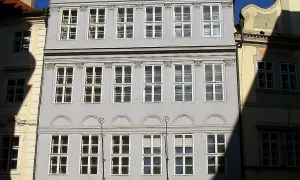
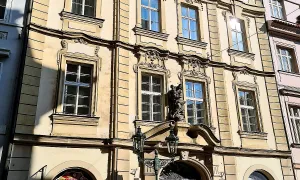
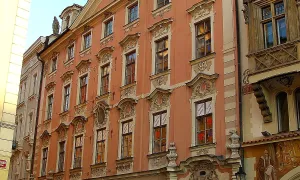
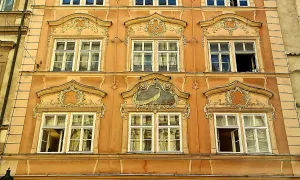
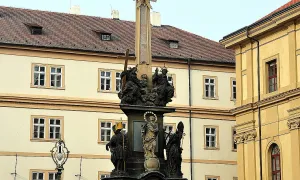
Real photos taken near the monument

Zdroj a licence jsou uvedeny u každého snímku.
Tips from visitors
No tips yet. Be the first!
Log in and add your tip.
Sources and literature
Photos: Øyvind Holmstad / CC BY-SA 3.0 — Wikimedia Commons. The author and licence also appear when you hover over the image.
Faktickým podkladem tohoto textu byl článek na Wikipedii, jehož autory jsou přispěvatelé Wikipedie. Článek je dostupný pod licencí CC BY-SA 4.0.
Location on the map
Příběhy a pověsti
Legendy, pověsti a příběhy spjaté s touto památkou
Fotografie návštěvníků
Zatím žádné fotografie. Buďte první, kdo přidá fotografii z návštěvy!
Log in a přidejte svou fotografii nebo hodnoťte.
Za ověřenou návštěvu v aplikaci získáte víc bodů — poznáme podle GPS, že jste na místě.
Reviews and comments