



Werichova vila Building
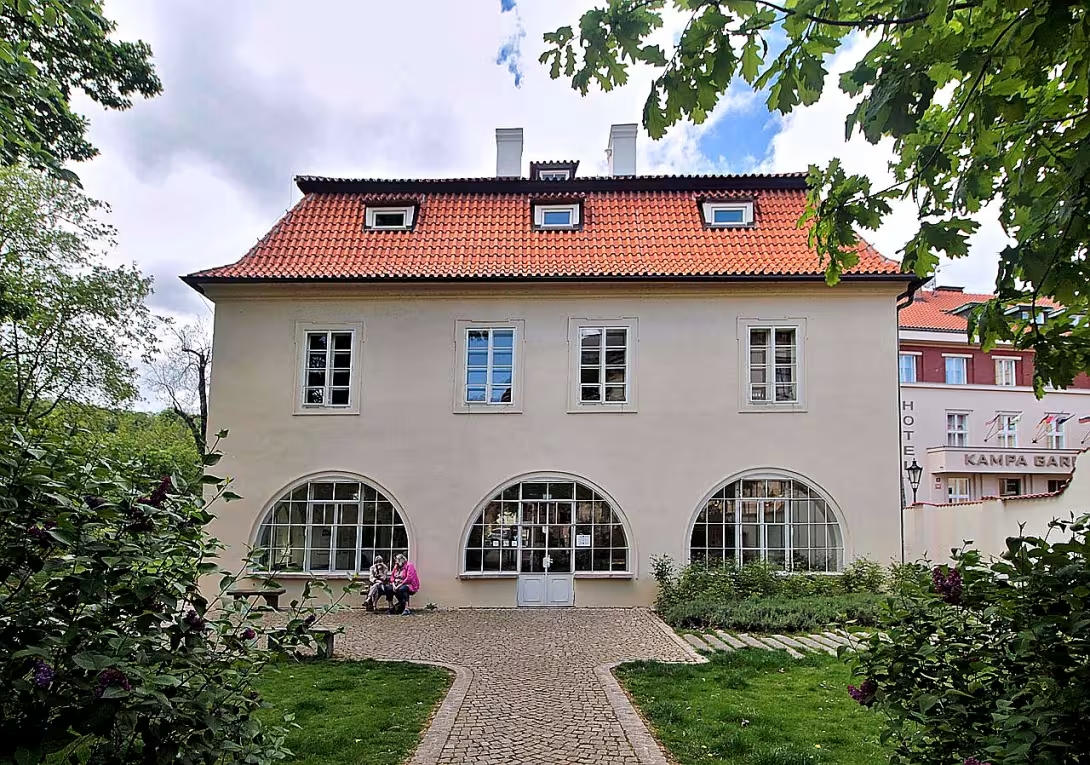
Werichova vila, also known as Dobrovský cottage, is a historical monument at the Prague Kampa in the village Malá Strana. Its architecture reflects a late Renaissance and Classicist period, suggesting its rich historical development. The villa is protected as a cultural monument and famous for the personalities who inhabited it, such as Josef Dobrovský, Jan Werich and Vladimir Holan.
The first mention of the construction dates back to 1580. Architect Kateřina Kroulíková suggests that the building is significantly older. According to her survey, parts of the cellars from the late Gothic period and the dendrological analysis of the wood ceiling in the ground floor were determined that the trees used for the construction were cut down around 1510. The basis of today's appearance is the late Renaissance reconstruction from the second quarter of the 17th century, when there was a tannery of Dutch Servace Engel and his family.
In 1725 the building went to the noble property of the Nostic and the tannery was abolished. During this period, especially between 1798-1803, Josef Dobrovský lived here, a historian and founder of Slavistics, who became an inspiration for Czech national revival. In 1803 there was a classical reconstruction of the house according to the plans of Ignác Palliardi. The eastern part with the arcades on the ground floor was added, the floor and the house were modified with a new Mansard roof with an attic.
After 1918, the house became state property. At the time of the Protectorate of the Villa, there were Nazi officials who had it partially renovated. Subsequent modifications to the first floor and attic were made according to Bohumil Hübschmann's plans. After 1945 Jan Werich, Jiří Voskovec and Vladimir Holan were in the house for several years. These periods are particularly interesting because of the relationships between these artists.
In 2002, the villa was forced to evict a devastating flood. After this, the exterior mantle was repaired (roof, plaster, window), but the interior was waiting for reconstruction. The Jan and Meda Mládková Foundation, which runs the Kampa Museum, won two competitions for the rental of the building published in 2008 and 2013. After the reconstruction, the building was opened to the public on 30 June 2017.
Today on the ground floor there is the café "IF Café" Iveta Fabeshová, which also serves as a permanent exhibition about actor Jan Werich. The attic of the villa is used for organizing exhibitions, lectures and cultural events. The villa became not only a monument to architecture, but also a place to enrich the cultural life of Prague.
Werichova vila is therefore not only an important historical object, but also a living centre of culture and art. Its rich history and architectural elements make it a valuable monument, which is worth visiting every lover of history and art.
Then and now
Drag the slider to compare how the landmark may have looked when it was built with the view today.
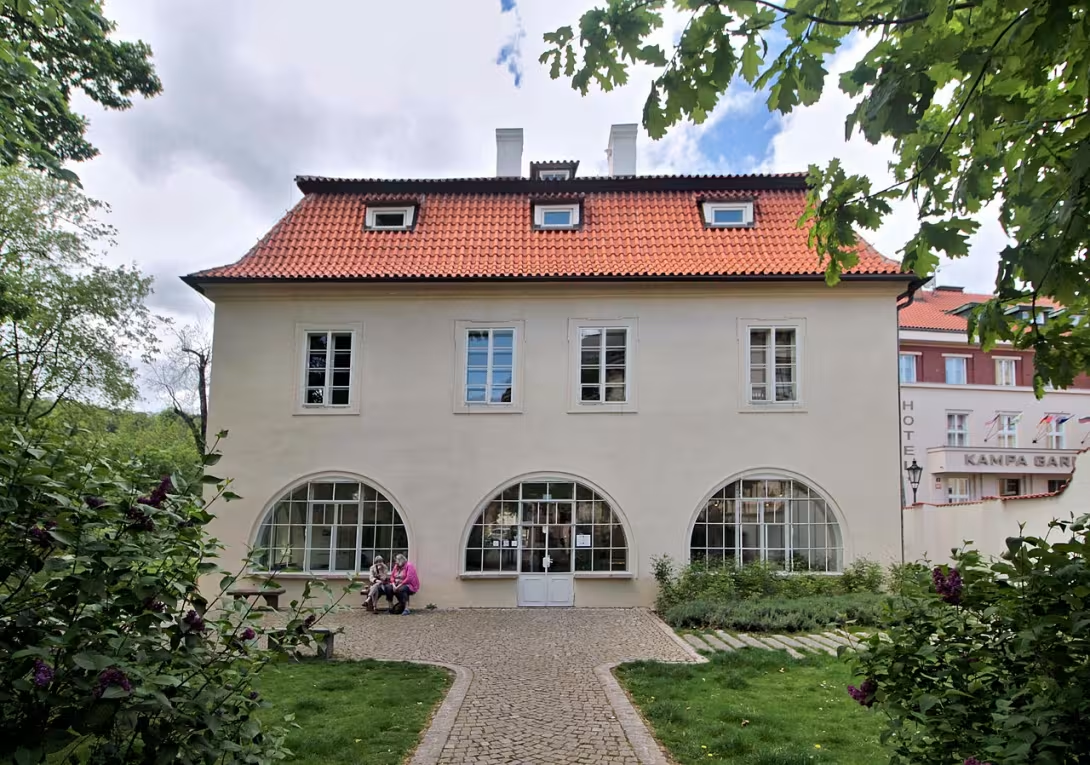

The historical appearance on the left is an AI-generated visualisation and serves as inspiration only.
Historical milestones
- 1580
- First mention of construction.
- 1803
- Classicist reconstruction according to Ignatius Palliardi's plans.
Architectural development
The villa is rooted in a late goth, which is evidenced by parts of the cellars. In the second half of the 17th century it was rebuilt into Renaissance style and in 1803 it underwent a classical reconstruction designed by Ignác Palliardi.
Historical events
- 1580
- First mention of construction.
- 1803
- Classicist reconstruction according to Ignatius Palliardi's plans.
- 2017
- Reconstruction completed and building opened to the public.
Owners
- 1580
- 17th century
- 1725
- 1918
Points of interest
- Werichova vila is also known as Dobrovsky House. - The first mention of the construction dates back to 1580, but parts of the cellars are from late Gothic and the trees used for the construction were cut down around 1510. - In 1725 the building went to the noble property of Nostic, during which period Josef Dobrovský lived here between 1798-1803. - After 1918, Jan Werich, Jiří Voskovec and Vladimir Holan were in the house for several years. - On 30 June 2017, the building was opened to the public after reconstruction.
Guide
Show guide text
This text was created by artificial intelligence and has not been editorially reviewed. It may contain inaccuracies.
Welcome to the heart of Prague's Little Party, where history touches the present with every stone. You're standing in front of a building that carries an enormous number of stories and human destinies. In front of your eyes is Werichova vila, which you may find better known in other contexts as Dobrovský House. Feel now the strange atmosphere that rules here. It's a quiet area of Campa, but this building is not just a quiet observer of the neighborhood. He's a living witness to the development of our city and our culture. When you look at her face, maybe you feel the weight of the time that keeps flowing here.
Let's go deeper into the past together to understand how this house came into being and why it's so special. Although it may seem to you that the building looks as you see it now, its roots go much further into the dark centuries. The first mention of this place in the historical records dates back to the year 1580. That means this house has been standing in this place for over four centuries. But history is much older and deeper. If we could now look below the surface, we would find that the parts of the cellars that are here come from a period of late goth. This is an incredible find that shows how this place has gradually changed and adapted to new times. The wood itself, which was used for the construction of certain parts, dates back to around fifteen hundred and ten. Imagine, the trees that form the foundation of this house were cut down before it even began to write about its first official existence. In seventeen hundred twenty-five, the building became part of the nobility of the Nostic family, which at that time meant it became a place of great importance and prestige.
Now pay attention to the very form of the building that now surrounds you. When you look at the roof, the walls, and the windows, you see in them a combination of different styles that have interconnected in time into a harmonious whole. The architecture of this villa reflects the period of late Renaissance style and then classicist elements. This development is not random, but it is the result of great changes in the human perception of beauty and order. The key moment for today's appearance of the house was a major reconstruction that took place in the year of the thousand eight hundred and three. The major contractor Ignác Palliardi was behind this big intervention. It is thanks to his plans and professional work that the building has acquired the balanced and noble look that you feel in it right now. Feel the balance between older structures and the newer, more orderly shapes that classicism has brought. It's a fascinating example of how one building can transform without losing its soul and its history.
But what makes this place really alive is not just stones, wood or architectural shapes, but people who have found their home here. Werichova vila is simply inseparably linked to the fate of the greatest figures of Czech culture. Imagine there were people in these spaces who shaped our thinking and our word. One of the most important was Josef Dobrovský. He was a man who lived at the turn of the eighteenth and nineteenth centuries and was considered to be the founder of Slavistics. As a historian and inspirer of the Czech national revival, he gave people at that time new strength and new consciousness. It was thanks to his work that our culture could flourish and our language heritage was preserved for future generations.
Let's go to an era much closer to our present time. This villa was home to the legendary characters of the theatre and humor we love today. Jan Werich, a figure everyone knows, lived here in the years one thousand nine hundred forty-five to one thousand nine hundred eighty. His presence here gives the place unique energy and humanity. He was not alone in this because in these years his close friend and associate Jiří Voskovec also worked here. These two artists, who were synonymous with theatrical art and the ability to laugh at even very difficult things, lived here parts of their lives. When you look at a building like that, try to imagine their voices, their laughter and the unique ability to connect humor to the deep truth about the world.
And we must not forget the world of words and deep thoughts. Vladimir Holan, one of the most important poets and translators, lived here in the years one thousand nine hundred forty-eight to one thousand nine hundred sixty-eight. His presence in this villa means that there were thoughts that were deep, complex and extremely beautiful. Each of these people brought something else into this house. Dobrovský brought science and national awareness, Werich and Voskovec theatre magic and humor, and Holan then poetic depth. It's fascinating how these different worlds met in one space.
Before you go any further, let me tell you one thing that may surprise you and make this house look another way. It's a little mystery that carries the depth of time. As I mentioned, the wood used for the construction dates back to fifteen hundred and ten. This means that the trees that are now part of this history were still young when new power structures were being formed in Europe. It's an incredible idea that the building you see is basically composed of material that survived hundreds of years before it became a house for famous personalities. This continuity of time in this place is felt at every step and reminds us how short human life is compared to the duration of these structures.
Now it is time to continue your journey along the beautiful Kampa and other alleys of the Little Party. I hope this brief insight into the past has helped you better understand how deep roots this house has and what great personalities have found their refuge here. Werichova vila is not just an ordinary building, it is a living monument to Czech culture, science and art. I wish you a nice walk and many other interesting discoveries in these historic alleys. Thank you for your attention and enjoy the rest of your day.
Tips for visitors
The best time to visit Werich's villa is early spring or late autumn, when Prague is usually less burdened by tourists and the atmosphere in Mala Strana is calmer. This time of year also offers pleasant temperatures for walking around the surrounding square.
The place is well accessible by buses and trams, which will bring them to the centre of Prague. The current connection can be found in the online search engine.
When visiting Werich's villa, take the umbrella and umbrella with you, because despite the beautiful outdoor space the weather can be variable. Complete it with comfortable shoes for walking on the historic streets of Prague.
Photography of Werich's villa will offer the best light of the afternoon when the sun is on top. The most distinctive views can be obtained from Strahov Square or from the street leading directly to the villas. Due to the reconstruction, access can be restricted, so take a look at the current information.
In the vicinity of Werich Villa you can visit the Liechtenstein Palace and other historical monuments in Malá Strana. For families with children, this place is ideal because it offers many interesting things to explore and a beautiful opportunity for walking the streets of full history.
Frequently asked questions
Can the monument be visited?
Some buildings of this kind are open for guided tours, others serve another purpose or are privately owned. We have not verified whether and when this monument is open – please ask the operator. According to the heritage register restoration is under way, so access may be restricted.
What are the opening hours and admission?
We have not verified the opening hours or admission. Current information is published by the operator.
Where is the monument?
Location: Malá Strana, Hlavní město Praha. The map on this page shows the exact spot.
Why is the monument protected?
It is listed in the Central List of Cultural Monuments of the Czech Republic as a cultural monument (register no. 1000151578).
Businesses nearby
Do you run a restaurant, accommodation, shop, museum, rental, wellness or other visitor service near this monument? Show yourself directly to the people heading to it — this is how they will see you in the app and on the web:
Events nearby

Zdroj akcí: otevřená data měst a obcí ČR (Národní katalog otevřených dat) a kalendář akcí Národního památkového ústavu.
Nearby
V okolí vily nachází se Lichtenštejnský palác a další historické památky na Malé Straně.
Accommodation nearby
Trips and activities nearby
Guided tours, tickets and activities nearby from GetYourGuide
Affiliate link: if you buy from the partner, we may receive a commission. The price for you does not change.
Search tours and activities →Themed route
Thematic cruise route to the Little Party
1.Werichova vila (villa) This villa is the main destination of our route and serves as the beginning of the visit. Her history is closely linked to Czech acting art, because there lived and worked a famous actor and director Jiří Werich. The villa offers a unique view of the heritage of the Czech theatre.
2. Liechtenstein Palace (Palace) Around 5 minutes' walk from Werich Villa, this beautiful Baroque palace is famous for its architecture and historical value. The Palace was sometimes the seat of the family of Liechtenstein and today serves as a cultural centre, hosting various exhibition events and concerts.
3. Swedish Chapel (Chapel) About 10 minutes' walk from the Liechtenstein Palace is this small, yet attractive chapel. Its history dates back to 1658 and is known for its simple but elegant design. The chapel served as a refuge for the Swedish army during the Thirty Years' War.
4. Malostranská party A few minutes' walk from the Swedish Chapel is located this picturesque recital, which is a popular place to relax and admire the countryside. It is an ideal place for a short break on the route where you can enjoy a quiet moment overlooking Prague.
5. Malostranská Square (square) The final stop of the route is this historic square, located close to all other points. It is famous for its beautiful houses and is the center of many cultural events on the Lesser Side. The square offers an opportunity to explore the architectural beauty of the area and to warm up in its atmosphere.
This route offers a view of the history, culture and architecture of the Small Party, which makes it ideal for anyone who would like to know this area deeper.
Seasonal recommendations
Spring: In the spring season Werichova vila offers visitors an unforgettable experience where nature begins to come to life and flowering gardens celebrate a new life cycle. The sunny morning provides ideal light for understanding the architecture of the villa, which appears in sweet radiation. Views of flowering trees and shrubs add color to the atmosphere. We recommend visiting the moment when nature's openness is the most beautiful - afternoon at the end of spring. Clothes should be mild, because temperatures are around the center of 20 degrees. When visiting, it is advisable to come early in the morning or later in the day to avoid the time with the largest number of people.
Summer: In the summer Werichova vila offers visitors an opportunity to explore historical majesties against the background of a living urban environment. This time is known for its long time of day, allowing visitors to make full use of every moment. The sunny morning and afternoon bring a warm light that highlights architectural details of the villa. The humid air of the city often affects the atmosphere, which increases the feeling of life and movement around the monument. We recommend you visit in the morning or Wednesday to avoid heat and crowds. Clothes should be light and practical - ties and sweaters are suitable for sun trips.
Autumn: The autumn visit of Werich's villa offers a unique experience where the trees dress up in coloured leaves and the overall atmosphere becomes slightly melancholic. The sunny morning brings warm light that illuminates the garden in beautiful colors, which is the perfect time for photography and relaxation on the outdoor platforms. The wet air may be present, but usually does not endanger visitors. We recommend visiting when the temperature is about ten degrees - afternoon at the end of autumn. Clothes should be mild and suitable for transient weather so that the visitor can enjoy the trip without discomfort.
Winter: Winter season offers Werich's villa an atmosphere of mystery and peace. The soft light of the snowy morning highlights the architectural character of the villa, which brings a feeling of history and nostalgia. The humid air of the city becomes cold and often snow, which increases the feeling of peace around the monument. Visiting at that moment is the best afternoon when light still allows you to understand the details and yet the first snow may appear. Clothes should be warm - furs and blankets are necessary for comfort in cold air.
Visualizations and artistic views


The visualisations are generated by artificial intelligence and serve as inspiration.
Photos from the area
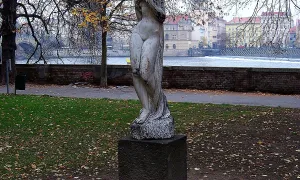
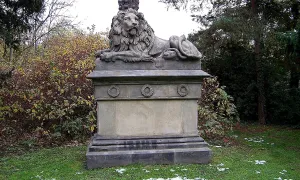
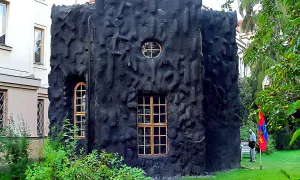
Real photos taken near the monument

Zdroj a licence jsou uvedeny u každého snímku.
Tips from visitors
No tips yet. Be the first!
Log in and add your tip.
Sources and literature
Photos: VitVit / CC BY-SA 4.0 — Wikimedia Commons. The author and licence also appear when you hover over the image.
Faktickým podkladem tohoto textu byl článek na Wikipedii, jehož autory jsou přispěvatelé Wikipedie. Článek je dostupný pod licencí CC BY-SA 4.0.
Location on the map

Příběhy a pověsti
Legendy, pověsti a příběhy spjaté s touto památkou
Fotografie návštěvníků
Zatím žádné fotografie. Buďte první, kdo přidá fotografii z návštěvy!
Log in a přidejte svou fotografii nebo hodnoťte.
Za ověřenou návštěvu v aplikaci získáte víc bodů — poznáme podle GPS, že jste na místě.
Reviews and comments