






Zadní synagoga Synagogue
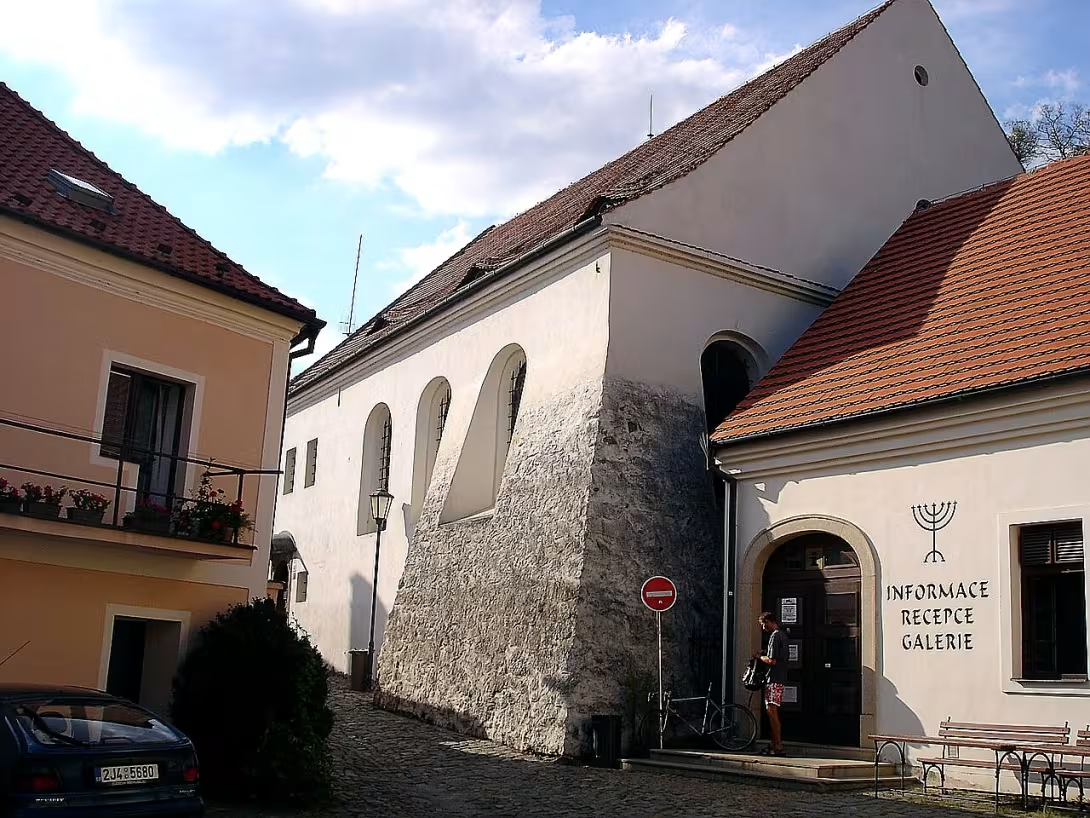
Zadní synagoga in Třebíč, formerly called New Synagogue, is a Baroque sacral building from 1669. Located in the heart of the Jewish quarter. The building excels with preserved Baroque stucco decoration and unique wall paintings of biblical verses which were exposed during extensive reconstruction in the 1990s.
The synagogue was established in 1669, when Czech countries recovered from the consequences of the Thirty Years' War and baroque peak in architecture. The history of the building was linked from the beginning to the fate of the Jewish village. By order of Count Valdštejn, the roof was torn down in 1693. The reconstruction took place between 1705 and 1707 thanks to the support of Jan Karl from Valdštejn.
Architecturally, it is a baroque monument, the key part of which is the eastern wall oriented towards Israel, where the box with the Torah used to be. In 1837 a woman's gallery arrived on the north side. The interior is decorated with stucco ceiling and paintings of biblical verses or quotes from Talmud. The author of fresco is Arje Lejb, which created them directly on the plaster without using templates. During the reconstruction in the 1990s, fragments of these paintings were discovered under the newer layers of plaster throughout the space, which required additional costs of CZK 4.5 million.
In the 20th century, the synagogue lost its religious function. Since 1926 it served as a warehouse for Subakov's tannery and later as a warehouse for the national enterprise Zelenina Třebíč. This use has led to gradual devastation. The preservation of the monument began in the 1980s, followed by a complete renewal between 1988 and 1997. As part of the modifications, the building was secured against moisture and radon. In 2011, the curtain at the bottom of the synagogue was declared a cultural monument.
Today, the building serves as an exhibition and concert hall. The women's gallery has a permanent exhibition of the Prague Jewish Museum and a panel exhibition about the history of the Jewish quarter. The premises also include Seligman Bauer's house and a museum in the form of kosher butchers. In the adjacent house there is an exhibition of Children Antonín Kalina, which reminds of the fate of children saved during the Holocaust. The construction is continuously maintained, in recent years work on dehumidifying walls and roof repairs is ongoing.
Zadní synagoga represents a valuable proof of Jewish culture and history in Czech countries, which has been preserved for future generations. Visiting this place offers a unique opportunity to become acquainted with the history of the Jewish Quarter and to explore rare baroque artistic elements in an authentic environment.
Then and now
Drag the slider to compare how the landmark may have looked when it was built with the view today.
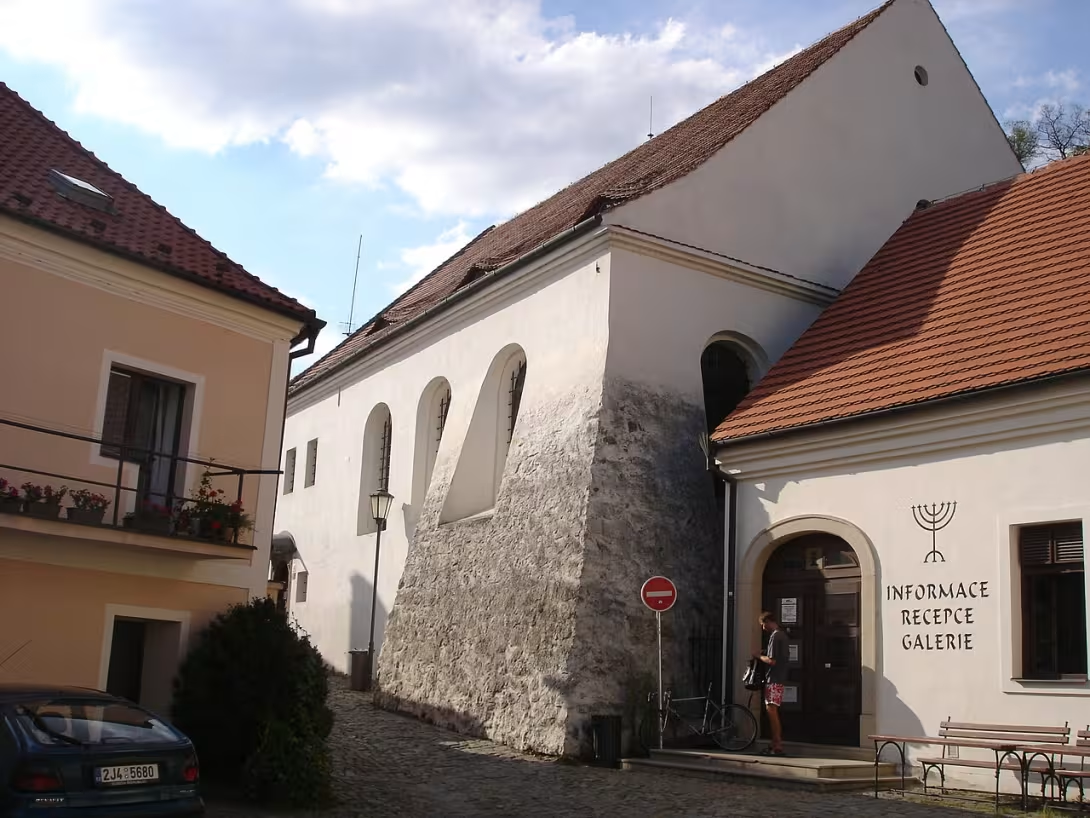
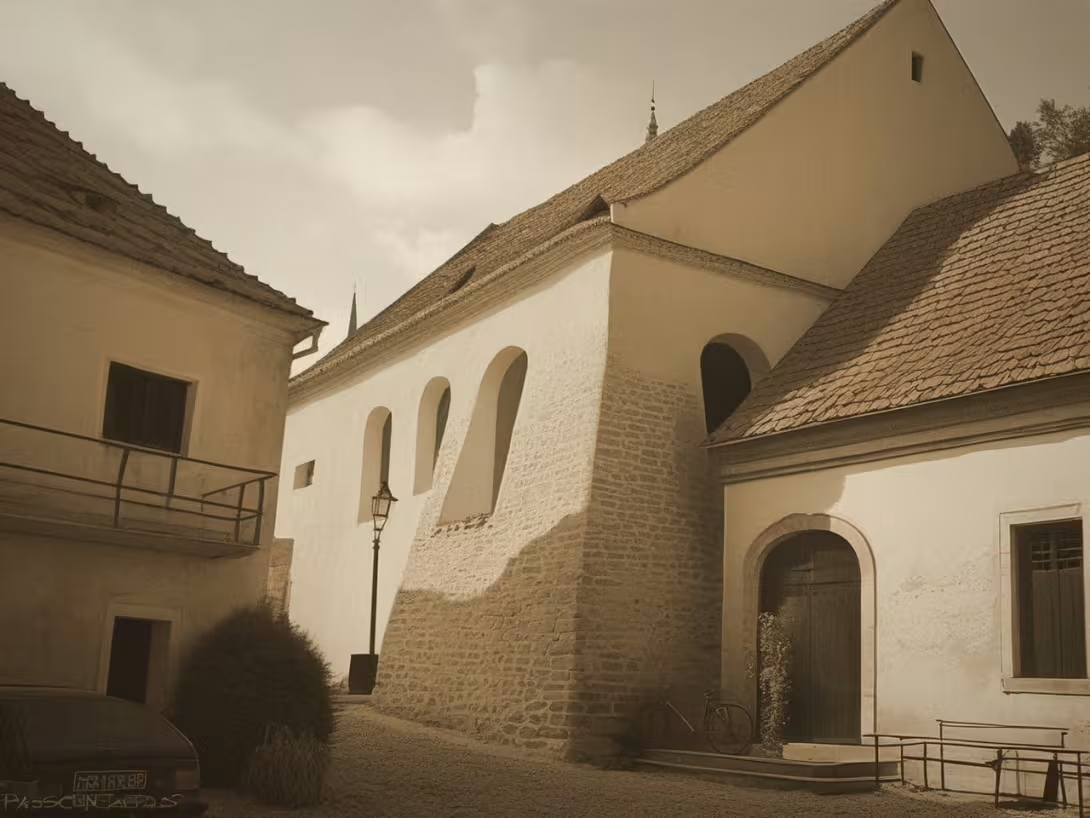
The historical appearance on the left is an AI-generated visualisation and serves as inspiration only.
Historical milestones
- 1669
- Synagogue construction.
- 1837
- Women's gallery expansion.
- 1997
- Festive opening after complete reconstruction.
- 2011
- The curtain at the bottom of the synagogue is declared a cultural monument.
Architectural development
The original Baroque building from 1669 was restored in 1705-1707 and in 1837 it was supplemented with a women's gallery on the north side. The interior is decorated with baroque stucco and unique paintings of biblical verses made directly on plaster. During the reconstruction in the 1990s, original frescoes were discovered and restored throughout the area.
Historical events
1693: Shedding the roof at the order of Count Valdštejn. 1705-1707: Restoration of the synagogue with the support of Jan Karl of Valdštejn. 1988- 1997: Complete reconstruction of the building.
Owners
Jewish community, later state enterprises, currently managed in the framework of historical care.
Points of interest
- Zadní synagoga was formerly called the New Synagogue and dates back to 1669. In 1693, the roof of the building was torn down by order of Count Valdstein. - The author of fresco Arje Lejb painted biblical verses directly on the plaster without using templates. - During the twentieth century, the building served as a tannery warehouse and later as a vegetable warehouse. - In 2011, the curtain at the bottom of the synagogue was declared a cultural monument.
Guide
Show guide text
This text was created by artificial intelligence and has not been editorially reviewed. It may contain inaccuracies.
Welcome to the Back Synagogue on Zámostí, a unique historical place with a rich past. Look around and enjoy the atmosphere of this place full of stories and works of art.
Zadní synagoga, formerly known as the New Synagogue, was built in 1669. It is located in the heart of the Jewish district of Třebíče and bears traces of many historical events. It originally served as a prayer space for the Jews who lived here. However, its function has changed over the years and has also been used as a tannery warehouse or a national enterprise.
The architecture of the synagogue is fascinating, although we do not yet know the authors of the building. The inner space will address you with its baroque work of art. Note the skills of Arje Lejba, a painter who painted biblical verses on plaster without using templates. Its frescoes are an excellent example of baroque art and provide a unique character.
Several historical personalities like Count Jan Karel z Valdštejna are attached to the Rear Synagogue. His order led to the roof of the building being torn down in 1693. Later, the synagogue was extended and its women's gallery was extended in 1837. In the 1990s, there was extensive reconstruction, after which the synagogue reopened its doors as an exhibition and concert space.
The interesting thing is that in 2011 the plaster was declared a cultural monument at the bottom of the synagogue. This detail shows the importance and historical value of the object.
Let us now take a look inside and enjoy the show shows or concert events that take place here. Zadní synagoga is a great place to explore the history and culture of Třebíč.
Thank you for your visit and we hope that this guide prompted you to explore this fascinating place again.
Tips for visitors
For a quiet tour we recommend a visit in the morning during weekdays when you avoid larger groups of tourists and enjoy the atmosphere of the interior better. You can easily reach the place by car or walking from the city centre, parking is possible on designated areas near the Jewish quarter. Take with you comfortable shoes for walking on historic tiles and camera, because the interior of the synagogue with rich painting offers unique lighting conditions, especially in the afternoon sun-penetrating windows. In the immediate vicinity, do not miss the Basilica of St. Prokop, the House of Seligman Bauer and kosher butchers for people interested in food history. We recommend families with children to join a tour with a walk along the narrow streets of the neighborhood, offering many interesting corners for small explorers.
Businesses nearby
Do you run a restaurant, accommodation, shop, museum, rental, wellness or other visitor service near this monument? Show yourself directly to the people heading to it — this is how they will see you in the app and on the web:
Nearby
Židovská čtvrť v Třebíči, bazilika svatého Prokopa, dům Seligmana Bauera, Košer řeznictví.
Accommodation nearby
Themed route
Thematic cruise route: Zadní synagoga and Jewish quarter in Třebíč
1.Zadní synagoga (synagogue) Type: Historical monument Why is it worth a visit: it is one of the oldest preserved synagogue in Europe, built at the end of the 16th century. It offers a view of the life and culture of the Jewish community in Třebíč.
2. Jewish Quarter (Jewish Quarter) Type: Historical site Why is it worth visiting: It is the oldest and best preserved Jewish district in the Czech Republic. Visitors can explore alleys, synagogue and other historical buildings that tell about the rich past.
3. House of Seligman Bauer (historical house) Type: Historical object Why is worth a visit: This house was the seat of a major Jewish family and is an example of architecture from the time. It offers insight into the lives of rich traders and craftsmen.
4. Kosher butcher shop (kosher equipment) Type: Cultural monument Why is it worth a visit: It is one of the oldest kosher places in Europe where traditional Jewish food could be purchased. Today it is part of the cultural heritage and offers an interesting view of the past.
5. Saint Prokop Basilica (Basilica) Type: Religious monument Why is worth a visit: This basilica is one of the most important sacral objects in the region. It is known for its architecture and historical value, attracting visitors from all over the world.
This route offers a view of the rich history and culture of Třebíč, focused on Jewish heritage and significant religious monuments.
Seasonal recommendations
Spring brings freshness and fine light to the Zámostí district, which highlights the details of the historical building beautifully. Nature begins to grow green again, creating an optimistic and calm atmosphere. It is best to choose the morning hours for the visit. Clothes should be layered, because the morning cold can still feel, but the afternoon sun will be warm.
In the summer season there is a very lively atmosphere and the sun shines intensively, which warms the walls of the sights beautifully. Due to high temperatures and more visitors I recommend to come either very early in the morning or to late in the afternoon when temperatures are falling. Dress lightly and do not forget enough fluids to enjoy the tour without tiredness from the heat.
Autumn brings a melancholy touch to the area and wonderful colours of leaves around the area. Morning fog and low sun create very specific and mysterious lighting, ideal for photography. There are fewer people in this period, so you can enjoy more privacy. It is advisable to have a warmer garment with you and set off at a time when the sun is still shining, i.e. morning or noon.
Zimą is quiet in this part of town and people are not so visible, which creates a quiet and serious atmosphere. Days are short and light is weak, therefore it is best to plan a visit around noon hours. Because of the cold it is necessary to carry very warm clothes. Please also check the opening times before travelling, which may be shorter during this period than in other parts of the year.
Visualizations and artistic views


The visualisations are generated by artificial intelligence and serve as inspiration.
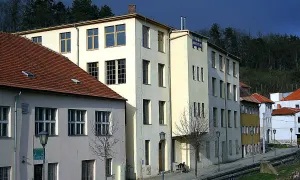
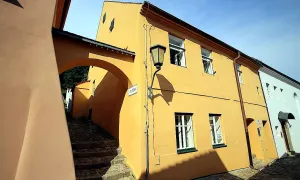
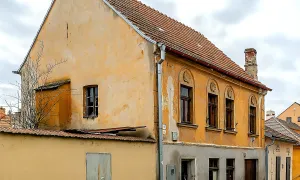
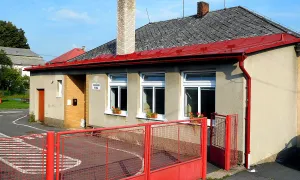
Photos from the area
Real photos taken near the monument


Zdroj a licence jsou uvedeny u každého snímku.
Tips from visitors
No tips yet. Be the first!
Log in and add your tip.
Sources and literature
Photos: Frettie / CC BY 3.0 — Wikimedia Commons. The author and licence also appear when you hover over the image.
Faktickým podkladem tohoto textu byl článek na Wikipedii, jehož autory jsou přispěvatelé Wikipedie. Článek je dostupný pod licencí CC BY-SA 4.0.
Location on the map
Příběhy a pověsti
Legendy, pověsti a příběhy spjaté s touto památkou

Fotografie návštěvníků
Zatím žádné fotografie. Buďte první, kdo přidá fotografii z návštěvy!
Log in a přidejte svou fotografii nebo hodnoťte.
Za ověřenou návštěvu v aplikaci získáte víc bodů — poznáme podle GPS, že jste na místě.
Reviews and comments