






zámecká jízdárna v Hluboké nad Vltavou Horseman
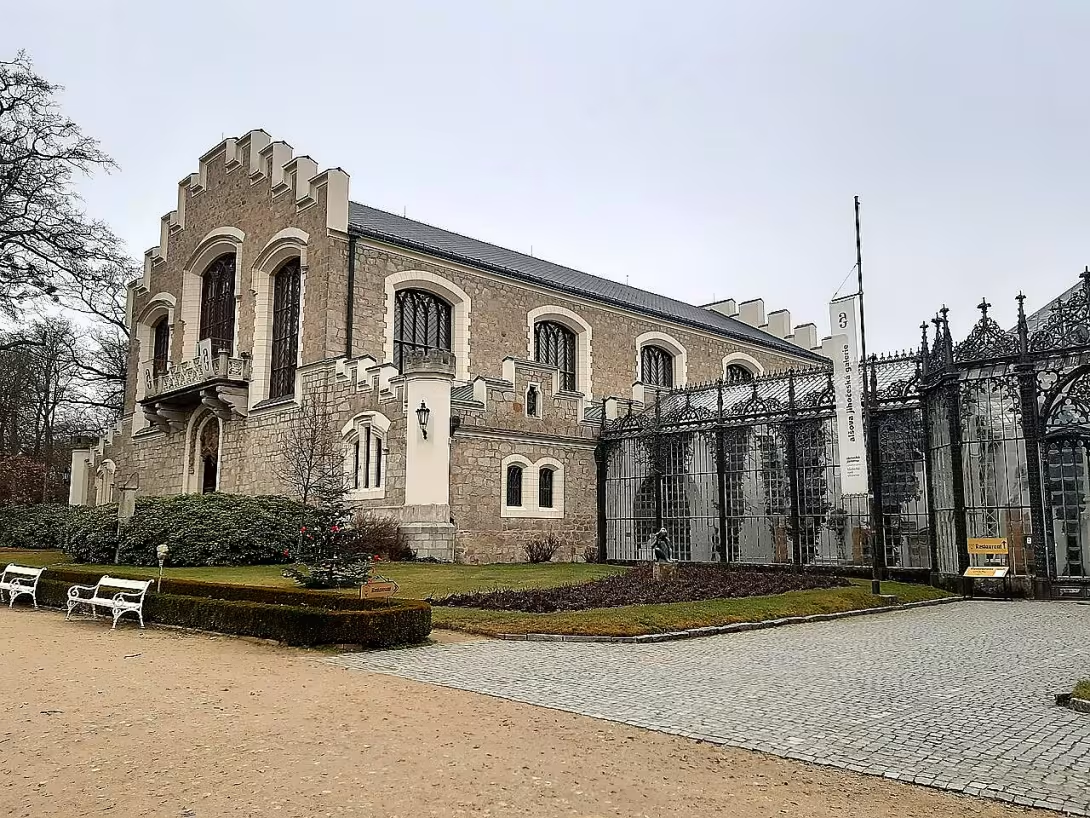
The Riding School in Hluboká nad Vltavou is an outstanding example of romantic neo-Gothic architecture, built between 1845 and 1848 as part of the castle complex in the South Bohemian Region. This historical monument stands out for its architectural style and cultural significance, now housing Alšova Jihočeská Galerie. Its transformation from an open-air riding facility to a covered structure reflects both practical needs and aesthetic aspirations of the era.
Construction began during a period when Bohemia experienced romantic nationalism, influencing architectural trends across Europe. This era saw a revival of medieval forms, evident in the neo-Gothic style adopted for this building. Architect Franz Beer, under Prince Jan Adolf II. Schwarzenberg's guidance, designed the Riding School to replace earlier structures on the estate, including an open-air riding facility. The project started in 1845 and was completed by 1848, with significant changes made to its plans in 1853 for an adjoining orangery.
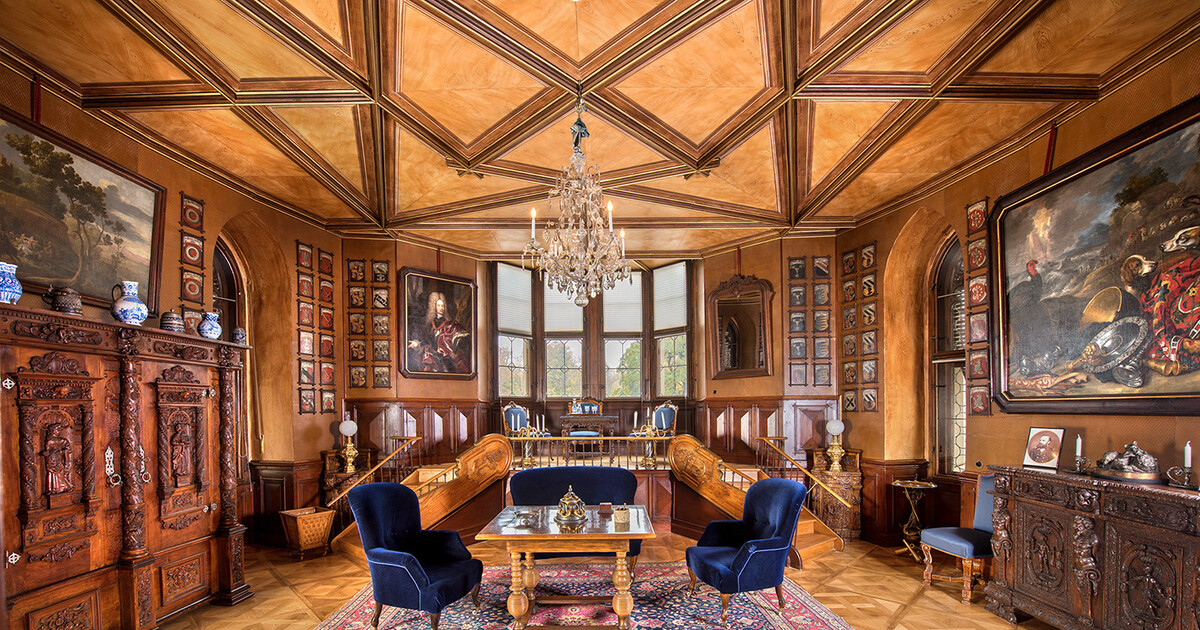
Architecturally, the Riding School is characterized by its neo-Gothic style, drawing inspiration from both Gothic and English medieval castles. It features a basilican floor plan with a prominent central hall, emphasizing its monumental character. The building's design includes intricate stone paneling and a distinctive perpendicular style that contributes to its imposing appearance. Originally planned window placements were altered during construction, showcasing the dynamic nature of architectural development at the time.
The Schwarzenberg family owned the estate until the nationalization period following World War II, when Prince Adolf Schwarzenberg was forced to leave with his wife. This marked a significant change in ownership and administration, reflecting broader historical shifts in the region.
Today, the Riding School remains an integral part of the Hluboká nad Vltavou castle complex, surrounded by landscaped gardens and other historical structures. It continues to serve as a cultural hub, housing Alšova Jihočeská Galerie, which underscores its ongoing relevance and appeal. Visitors are drawn not only to its architectural beauty but also to its rich history, making it a worthwhile destination for those interested in exploring the intersection of art, architecture, and history.
The Riding School's enduring legacy as a monument of neo-Gothic architecture invites visitors to appreciate both its historical significance and artistic merit. Its transformation over time reflects broader cultural trends and personal histories, offering a unique glimpse into the past while continuing to inspire future generations.
Then and now
Drag the slider to compare how the landmark may have looked when it was built with the view today.
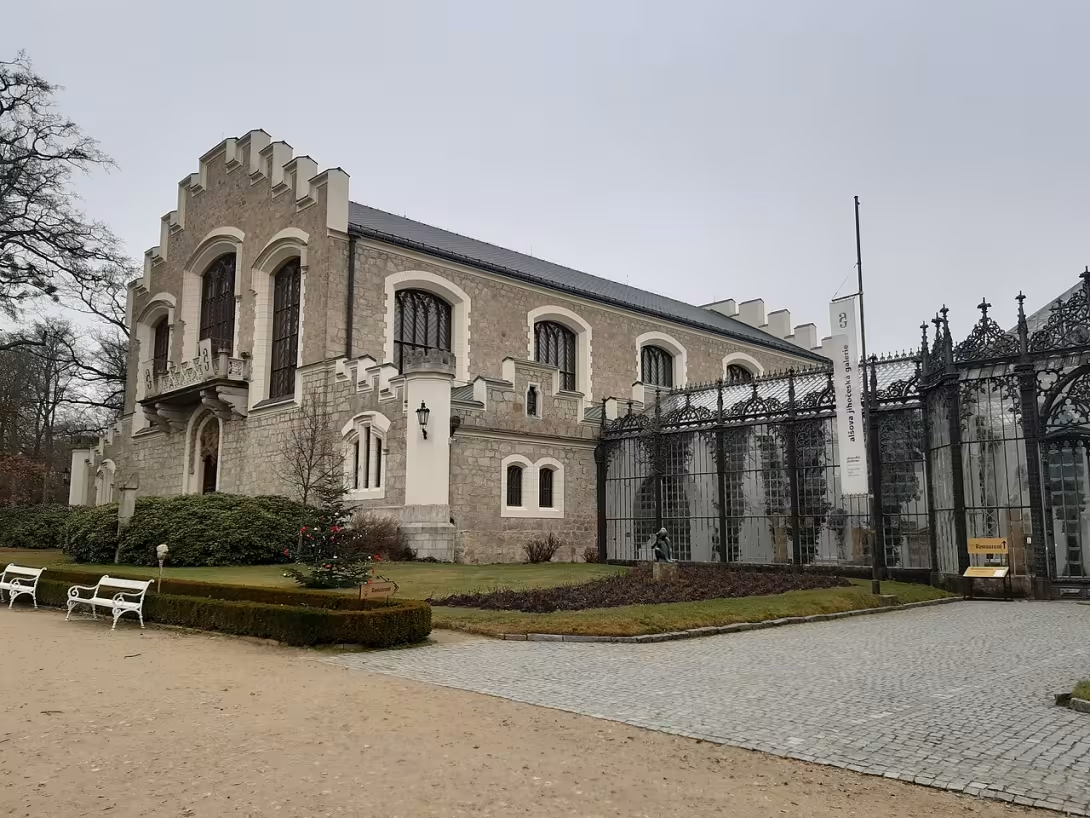
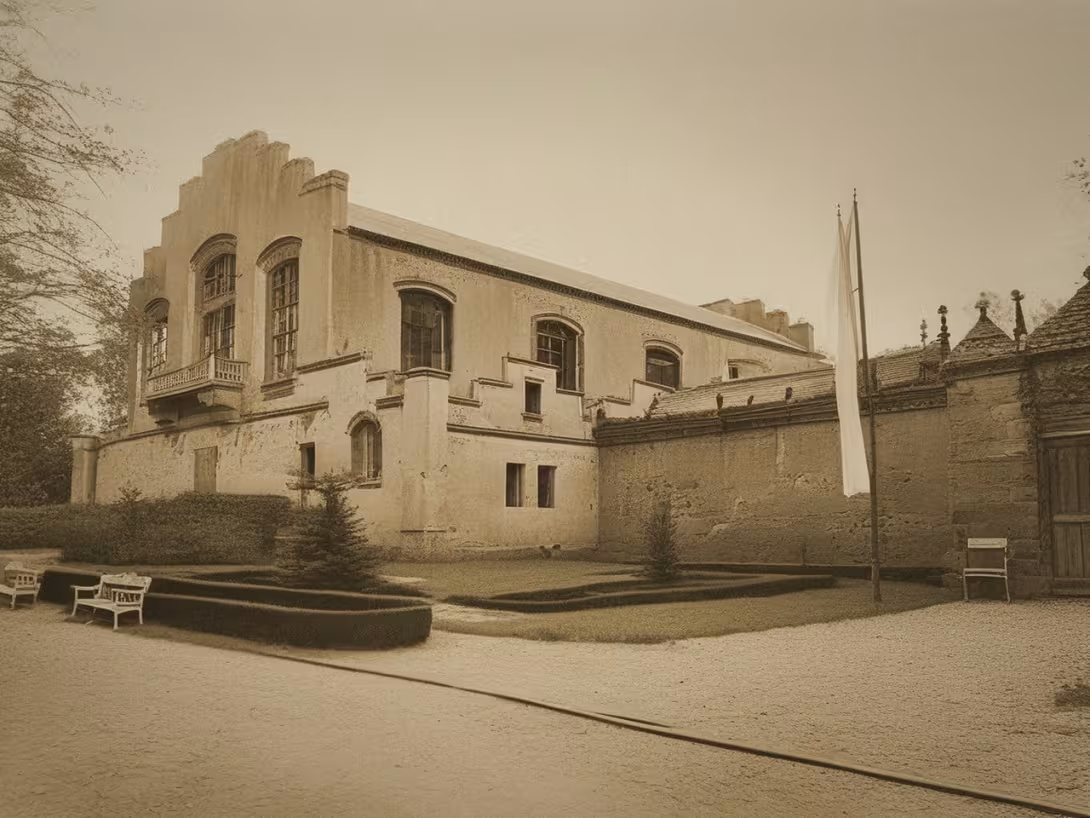
The historical appearance on the left is an AI-generated visualisation and serves as inspiration only.
Historical milestones
- 1845
- Construction of the Riding School began.
- 1848
- The construction of the Riding School was completed.
- 1853
- Significant changes were made to the plans for an adjoining orangery.
Architectural development
The Riding School was designed in a neo-Gothic style with influences from both Gothic and English medieval castles. It replaced earlier structures on the estate, including open-air riding facilities. The building's design features include a basilican floor plan and a prominent central hall, emphasizing its monumental character.
Historical events
Construction began in 1845 under the guidance of architect Franz Beer and was completed by 1848.
In 1853, significant changes were made to the original plans for an adjoining orangery, which was completed shortly thereafter.
Owners
The Schwarzenberg family owned the estate until the nationalization period following World War II when the last owner, Prince Adolf Schwarzenberg (1890–1950), was forced to leave with his wife.
Points of interest
- The Riding School's construction was influenced by romantic nationalism in Bohemia during the mid-19th century, reflecting a broader European trend of reviving medieval architectural styles.
- Originally designed as an open-air facility, the Riding School was transformed into a covered structure to meet both practical needs and aesthetic aspirations, showcasing adaptive architectural practices of its time.
- Architect Franz Beer made significant alterations to the original design plans during construction, including changes to window placements, highlighting the dynamic nature of architectural development in the 19th century.
- The building's neo-Gothic style was inspired by Gothic and English medieval castles, featuring a basilican floor plan with intricate stone paneling that emphasizes its monumental character.
- After World War II, during the nationalization period, the Schwarzenberg family lost ownership of the estate, marking a significant shift in administration and reflecting broader historical changes in the region.
Guide
This guide is narrated by a synthetic voice generated by artificial intelligence.
Show guide text
This text was created by artificial intelligence and has not been editorially reviewed. It may contain inaccuracies.
Welcome to the Riding School in Hluboká nad Vltavou, a remarkable gem of romantic neo-Gothic architecture nestled within the historic castle complex. As you stand here, take a moment to absorb the grandeur that unfolds before your eyes. The building's striking silhouette and intricate detailing speak volumes about its storied past.
The construction of this iconic structure began in 1845 under the guidance of architect Franz Beer. It was completed by 1848, during a period when romantic nationalism flourished throughout Bohemia. This movement sought to revive medieval architectural styles, reflecting a broader European trend that celebrated historical and cultural heritage.
As you gaze upon the Riding School's façade, notice its harmonious blend of Gothic elements with the romantic sensibilities of the mid-19th century. The building was originally designed as an open-air facility but later transformed into a covered structure to enhance its functionality and aesthetic appeal. This transition underscores the innovative spirit that characterized its creation.
The history of this site is closely tied to Jan Adolf II. Schwarzenberg, whose vision and patronage were instrumental in bringing this architectural masterpiece to life. His influence ensured that the Riding School not only served practical purposes but also became a symbol of cultural pride and artistic achievement.
One intriguing aspect of the Riding School's story is its evolution from an open-air venue to a covered structure. This change reflects broader shifts in societal needs and aesthetic preferences during the period, adding a layer of historical intrigue to your visit.
As you continue exploring this remarkable site, allow yourself to be captivated by its architectural beauty and rich history. Each corner holds stories waiting to be discovered, inviting you to delve deeper into the legacy of Hluboká nad Vltavou. Thank you for joining us on this journey through time, and we hope your curiosity leads you to explore further wonders within the castle complex.
Tips for visitors
The best time to visit the Riding School in Hluboká nad Vltavou is during late spring or early autumn when the weather is pleasant, and the gardens are particularly beautiful. This period offers a comfortable climate for exploring both indoors and outdoors without the summer crowds. Additionally, visiting on weekdays can provide a more serene experience as weekends tend to attract larger groups of tourists.
Parking and transportation options are convenient for visitors. There is parking available near the castle complex, but it's advisable to check current availability online or upon arrival due to potential limitations during peak tourist seasons. The Riding School is also accessible via public transport; however, specific routes and schedules should be verified in advance through a travel planner or local tourism office to ensure smooth travel.
When visiting the Riding School, consider bringing comfortable walking shoes as you'll likely explore both the indoor architecture and surrounding gardens. A camera or smartphone for photography is recommended, but remember that flash may not be allowed inside the building. For those interested in capturing the best light, early morning or late afternoon visits can provide softer lighting conditions ideal for photographs.
Nearby attractions within a 30-minute drive include the scenic Vltava River and other parts of the Hluboká nad Vltavou castle complex. Exploring these areas offers additional historical insights and picturesque views that complement your visit to the Riding School. For families with children, the landscaped gardens surrounding the castle provide an enjoyable space for a leisurely walk or picnic.
For families visiting with children, the Riding School and its grounds can be quite engaging. The open spaces of the gardens are perfect for kids to run around and explore nature. Additionally, the romantic neo-Gothic architecture inside the Riding School might capture their imagination, making it an educational experience as well.
Businesses nearby
Do you run a restaurant, accommodation, shop, museum, rental, wellness or other visitor service near this monument? Show yourself directly to the people heading to it — this is how they will see you in the app and on the web:
Events nearby

Zdroj akcí: otevřená data měst a obcí ČR (Národní katalog otevřených dat) a kalendář akcí Národního památkového ústavu.
Nearby
The Riding School is part of the Hluboká nad Vltavou castle complex, surrounded by landscaped gardens and other historical structures. The area includes natural features such as the Vltava River nearby.
Accommodation nearby
Trips and activities nearby
Guided tours, tickets and activities nearby from GetYourGuide
Affiliate link: if you buy from the partner, we may receive a commission. The price for you does not change.
Search tours and activities →Themed route
Thematic Vltava River Exploration Tour
1. Zámecká jízdárna (Riding School)
Type: Historical Structure The Riding School is a key part of the Hluboká nad Vltavou castle complex, renowned for its stunning architecture and historical significance. It's an excellent starting point to appreciate the grandeur of the castle's design and its role in hosting equestrian events.
2. Castle Gardens
Type: Landscaped Gardens Following your visit to the Riding School, explore the beautifully landscaped gardens surrounding the castle complex. These gardens offer a serene environment with lush greenery and well-maintained paths that provide picturesque views of the area, including glimpses of the nearby Vltava River.
3. Vltava River Promenade
Type: Natural Feature A short walk from the castle leads you to the banks of the Vltava River. This promenade offers a tranquil setting where visitors can enjoy the natural beauty and gentle flow of the river, creating an ideal spot for relaxation and reflection amidst nature.
4. Castle Courtyard (Nádvoří)
Type: Historical Site Return to the castle complex and explore its expansive courtyard. This area provides insight into the daily life within a historical castle setting, with opportunities to view architectural details up close and imagine the vibrant history that unfolded here.
5. Castle Tower (Věž)
Type: Architectural Feature Conclude your tour by visiting one of the castle's towers. The tower offers panoramic views of Hluboká nad Vltavou, allowing you to appreciate the surrounding landscape and architecture from an elevated perspective, providing a fitting end to your thematic exploration.
This itinerary provides a comprehensive experience of the historical and natural beauty within the Hluboká nad Vltavou castle complex.
```Seasonal recommendations
Spring: Visiting the Riding School at Château Český Krumlov in spring offers a unique experience as nature begins to awaken around this historic site. The surrounding gardens and vineyards are lush with new growth, providing a vibrant backdrop for your visit. Springtime brings milder weather, making it an ideal time for outdoor exploration of the castle grounds. However, be mindful that this is also when many tourists start their travels, so arriving early in the day can help you avoid larger crowds. Light layers are recommended to accommodate fluctuating temperatures, and comfortable walking shoes will enhance your experience as you explore.
Summer: Summer at Château Český Krumlov's Riding School is characterized by long daylight hours and warm weather, making it perfect for enjoying outdoor activities in the castle’s expansive gardens. The atmosphere is lively with visitors from around the world, so expect larger crowds during peak tourist season. To make the most of your visit, consider arriving early to beat the heat and secure a good viewing spot for any events or performances. Dress comfortably in light clothing suitable for warm weather, and don’t forget sunscreen and a hat to protect against the sun.
Autumn: Autumn brings a stunning display of colors as the foliage around Château Český Krumlov turns vibrant shades of red, orange, and yellow. The cooler temperatures make it an ideal time for leisurely strolls through the historic grounds without the summer crowds. This season offers a more serene atmosphere perfect for photography enthusiasts looking to capture the picturesque landscape. Be sure to wear layers as the weather can be unpredictable, with brisk mornings giving way to milder afternoons.
Winter: Winter transforms Château Český Krumlov into a magical setting with snow-covered grounds and festive decorations that enhance its historic charm. The Riding School itself offers unique lighting effects during evening hours, creating an enchanting atmosphere for visitors. However, winter can bring colder temperatures and shorter opening times, so plan your visit accordingly. Dress warmly in layers, including thermal wear and waterproof outer garments, to stay comfortable while exploring the castle’s interior and grounds. An early arrival is advisable to fully enjoy the experience before any potential closures due to weather conditions.
Visualizations and artistic views


The visualisations are generated by artificial intelligence and serve as inspiration.
Photos from the area
Real photos taken near the monument


Zdroj a licence jsou uvedeny u každého snímku.
Atmosphere of the place
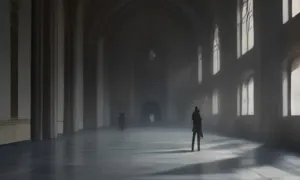
This atmospheric visualisation of the place and period was generated by artificial intelligence. It is not real footage of the location.
Tips from visitors
No tips yet. Be the first!
Log in and add your tip.
Sources and literature
Fotografie: TazzyTheDevil / CC BY-SA 4.0 — Wikimedia Commons. The author and licence also appear when you hover over the image.
Faktickým podkladem tohoto textu byl článek na Wikipedii, jehož autory jsou přispěvatelé Wikipedie. Článek je dostupný pod licencí CC BY-SA 4.0.
Location on the map


Příběhy a pověsti
Legendy, pověsti a příběhy spjaté s touto památkou
Fotografie návštěvníků
Zatím žádné fotografie. Buďte první, kdo přidá fotografii z návštěvy!
Přihlaste se a přidejte svou fotografii nebo hodnoťte.
Za ověřenou návštěvu v aplikaci získáte víc bodů — poznáme podle GPS, že jste na místě.
Reviews and comments