






Židovský hřbitov v Hluboké nad Vltavou Cemetery
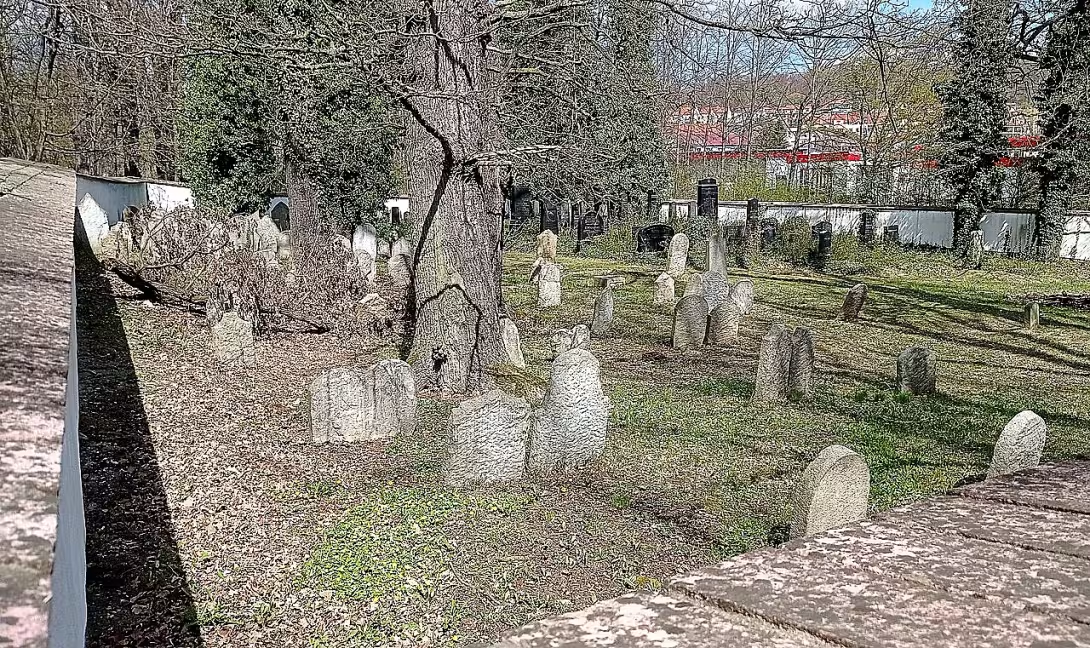
The Jewish Cemetery in Hluboká nad Vltavou is a culturally significant site located about 600 meters west of the town center near Munický rybník. Established around the mid-17th century, this cemetery covers an area of 1275 m² and features approximately 190 gravestones from the Baroque and Classical periods. The oldest dated gravestone dates back to 1750, with burials continuing until 1941. This site is a poignant testament to the Jewish community that once thrived in Hluboká nad Vltavou until its tragic destruction during World War II.
The cemetery's origins date back to the mid-17th century when Bohemia was part of the Habsburg Monarchy, a period marked by religious tensions between Catholics and Protestants. The establishment of this Jewish burial ground signifies the presence of a Jewish community in Hluboká nad Vltavou during that era. Over time, it became an integral part of the local cultural landscape until its use ceased in 1941 due to Nazi persecution.
Architecturally, the cemetery is characterized by Baroque and Classical gravestones, reflecting the artistic styles prevalent when they were erected. The oldest documented gravestone dates back to 1750, showcasing the enduring legacy of craftsmanship from that time. In 1993, restoration efforts funded by the Foundation for the Flourishing of Cultural Heritage ensured its preservation and accessibility for future generations.
Throughout its history, the cemetery has been a silent witness to significant events, particularly during World War II when the local Jewish community faced persecution and destruction. The cessation of burials in 1941 marks a somber chapter in its history, reflecting broader historical tragedies that befell Jewish communities across Europe during this period.
Today, the Jewish Cemetery in Hluboká nad Vltavou is accessible to visitors through a metal gate surrounding its stone-walled perimeter. Its restoration has preserved its historical and cultural significance, making it an important site for those interested in understanding the region's past. The cemetery serves as a memorial to those buried there and stands as a reminder of the rich Jewish heritage that once flourished in Hluboká nad Vltavou.
Visiting this monument offers a unique opportunity to connect with history and reflect on the cultural narratives that have shaped the region. Its preservation ensures that future generations can appreciate its historical value, making it a worthwhile destination for anyone interested in exploring Czech cultural heritage.
Then and now
Drag the slider to compare how the landmark may have looked when it was built with the view today.
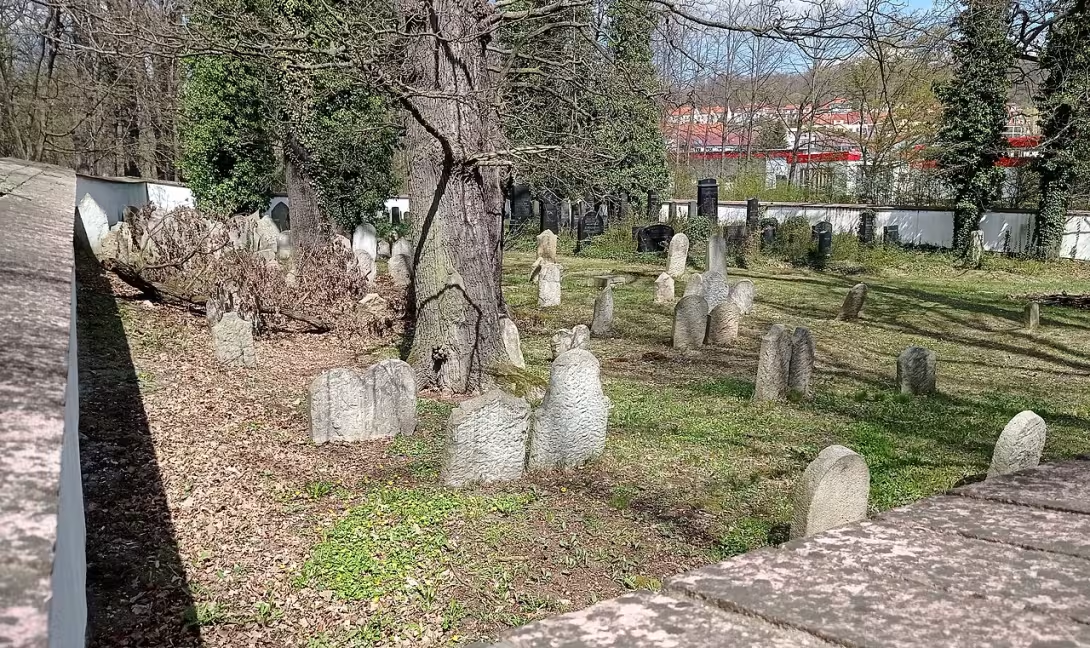

The historical appearance on the left is an AI-generated visualisation and serves as inspiration only.
Historical milestones
- kolem 1650
- Založení židovského hřbitova v Hluboké nad Vltavou
- 1750
- Nejstarší datovaná pohřební deska na hřbitově
- 1941
- Přestání používání hřbitova kvůli nacistické perzekuci
- 1993
- Obnova hřbitova zajištěná Nadací pro rozkvět kulturního dědictví
Architectural development
The cemetery features Baroque and Classical gravestones, with the oldest dated one from 1750. In 1993, it underwent restoration funded by the Foundation for the Flourishing of Cultural Heritage, ensuring its preservation.
Historical events
The cemetery was established around the mid-17th century, marking the presence of a Jewish community in Hluboká nad Vltavou.
Burials continued at the site until 1941, when they ceased following the Nazi persecution and destruction of the local Jewish population.
Guide
This guide is narrated by a synthetic voice generated by artificial intelligence.
Show guide text
This text was created by artificial intelligence and has not been editorially reviewed. It may contain inaccuracies.
Welcome to the Jewish Cemetery in Hluboká nad Vltavou, a serene and poignant testament to history nestled just 600 meters west of the town center near Munický rybník. As you stand here, surrounded by an air of quiet reflection, your eyes are drawn to approximately 190 gravestones that span across this 1275 square meter site. These markers, predominantly from the Baroque and Classical periods, whisper stories of those who once walked these grounds.
The cemetery was established around the mid-17th century, a time when Bohemia was under the Habsburg Monarchy. This period marked an era where Jews contributed significantly to the multicultural tapestry of the region, despite facing numerous challenges. The oldest gravestone here dates back to 1750, marking it as a silent witness to centuries of history and change.
As you stroll through this historic site, take a moment to appreciate the simplicity yet profound significance of these gravestones. Each one tells its own story, etched in stone, standing resilient against the passage of time. Notice how they are arranged, each one carefully placed as if continuing an ancient conversation with the past.
While specific architects and historical figures associated with this cemetery remain unknown, the site itself is a narrative tapestry woven from countless lives. It serves not only as a burial ground but also as a cultural repository that documents the presence of Jews in Hluboká nad Vltavou during a pivotal era.
One fascinating aspect of this cemetery is its endurance through history. Despite its relatively small size, it stands as one of the few remaining sites that document Jewish life and contributions under the Habsburg Monarchy. This highlights the rich multicultural fabric of the region, which has been shaped by diverse communities over centuries.
The use of the cemetery ceased in 1941 due to Nazi persecution, a somber reminder of the turbulent times that followed its establishment. However, hope was restored when, in 1993, the Nadace pro rozkvět kulturního dědictví undertook efforts to restore this significant cultural heritage site.
As you conclude your visit here, we invite you to reflect on the stories and histories encapsulated within these stones. Let them inspire you to explore further and delve deeper into the rich tapestry of Hluboká nad Vltavou's past. Thank you for joining us on this journey through time, and may it leave a lasting impression as you continue your exploration.
Tips for visitors
The best time to visit the Jewish Cemetery in Hluboká nad Vltavou is during late spring or early autumn when the weather is mild, and the natural surroundings are particularly beautiful. This period offers pleasant temperatures for walking around the cemetery grounds while avoiding the peak summer crowds. The lighting conditions are also ideal for photography during these months, with soft morning light enhancing the historical gravestones.
Visitors should plan their journey according to the latest transportation updates available through official channels.
When visiting, it's advisable to bring comfortable walking shoes as you'll likely explore on foot. A hat and sunscreen are recommended if visiting during warmer months, while a light jacket might be necessary in cooler weather. Bringing along a camera or smartphone is beneficial for capturing the serene beauty of the site, especially around Munický rybník where natural lighting can create stunning photographs.
For photography enthusiasts, the best spots include areas that offer views of both the cemetery and the nearby Munický rybník. Early morning light provides a soft glow on the gravestones, while late afternoon offers warm, golden hues. Families with children should note that there are no specific attractions for young visitors at the site itself; however, the peaceful environment can be a calming experience. Nearby, within 30 minutes, you can visit historical sites and natural landscapes around Hluboká nad Vltavou to enrich your trip.
Frequently asked questions
Can the monument be visited?
Cemeteries and graves are usually accessible; please respect the dignity of the place. We have not verified the opening hours of this cemetery.
Where is the monument?
Location: Hluboká nad Vltavou, Jihočeský kraj. The map on this page shows the exact spot.
Why is the monument protected?
It is listed in the Central List of Cultural Monuments of the Czech Republic as a cultural monument (register no. 1000143030).
Businesses nearby
Do you run a restaurant, accommodation, shop, museum, rental, wellness or other visitor service near this monument? Show yourself directly to the people heading to it — this is how they will see you in the app and on the web:
Events nearby
Zdroj akcí: otevřená data měst a obcí ČR (Národní katalog otevřených dat) a kalendář akcí Národního památkového ústavu.
Nearby
Located near Munický rybník, the cemetery is close to a water pumping station on the road to Týn nad Vltavou. The area features natural and historical sites within a 5 km radius.
Accommodation nearby
Trips and activities nearby
Guided tours, tickets and activities nearby from GetYourGuide
Affiliate link: if you buy from the partner, we may receive a commission. The price for you does not change.
Search tours and activities →Themed route
Thematic Walking Tour: Jewish Cemetery and Surroundings in Hluboká nad Vltavou
1. Židovský hřbitov v Hluboké nad Vltavou (Jewish Cemetery) - Type: Historical Site - Why Visit: The Jewish cemetery is a serene and poignant site that offers insight into the rich cultural history of the Jewish community in Hluboká nad Vltavou. Established in 1837, it features beautifully preserved tombstones with Hebrew inscriptions, providing a window into the past lives and traditions of its inhabitants.
2. Munický rybník (Munich Pond) - Type: Natural Site - Why Visit: Located just a short walk from the Jewish cemetery, Munický rybník is an idyllic spot for those interested in nature and tranquility. The pond offers picturesque views and serves as a habitat for various bird species, making it perfect for a peaceful stroll or a moment of reflection.
3. Water Pumping Station - Type: Historical Site - Why Visit: This water pumping station on the road to Týn nad Vltavou is an interesting historical site that highlights the engineering advancements and infrastructure development in the region. It provides insight into how local communities managed their water resources, contributing to the area's growth and sustainability.
This tour offers a blend of cultural history and natural beauty, allowing visitors to explore significant sites within Hluboká nad Vltavou while appreciating its historical context and serene landscapes.
Seasonal recommendations
Spring: The Jewish Cemetery in Hluboká nad Vltavou is particularly enchanting during spring when the surrounding landscape bursts into life with fresh greenery and blossoming flowers, creating a serene atmosphere that complements its historical significance. As daylight extends, visitors can enjoy the soft lighting of early evening visits, which casts long shadows among the tombstones, adding to the mystical ambiance. During this season, it's advisable to wear layers as temperatures can vary; mornings may still be brisk while afternoons warm up. The cemetery is less crowded compared to summer months, making it an ideal time for a peaceful exploration.
Summer: Summer brings vibrant light and extended daylight hours, enhancing the beauty of the Jewish Cemetery in Hluboká nad Vltavou. This season sees lush foliage providing dappled shade, perfect for leisurely strolls through this historic site. However, with summer being peak tourist season, it's best to arrive early in the day to avoid larger crowds and ensure a more tranquil experience. Comfortable walking shoes and light clothing are recommended due to warm temperatures, while sunglasses and sunscreen can help protect against strong sunlight.
Autumn: Autumn transforms the Jewish Cemetery into a picturesque setting with its rich tapestry of reds, oranges, and yellows as deciduous trees shed their leaves. The cooler weather makes for comfortable exploration without the summer heat, and the softer light in the late afternoon creates a warm, inviting glow over the historic stones. This season often sees fewer visitors compared to the height of summer, allowing for a more intimate experience. Layered clothing is advisable to accommodate changing temperatures throughout the day.
Winter: Winter offers a unique perspective on the Jewish Cemetery with its stark beauty and quiet atmosphere under a blanket of snow or amidst bare trees. The shorter days mean visits are best planned during daylight hours, as early morning light can create dramatic silhouettes against the snowy landscape. It's important to dress warmly in layers, including hats and gloves, as temperatures can be quite cold. Footwear with good traction is recommended due to potential ice on pathways, ensuring a safe visit to this historic site.
Visualizations and artistic views


The visualisations are generated by artificial intelligence and serve as inspiration.
Photos from the area
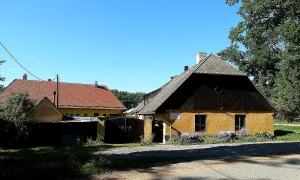
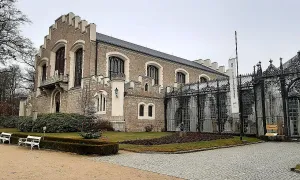
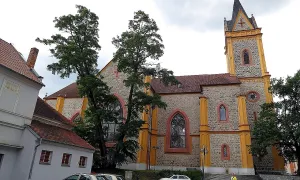
Real photos taken near the monument

Zdroj a licence jsou uvedeny u každého snímku.
Tips from visitors
No tips yet. Be the first!
Log in and add your tip.
Sources and literature
Photos: Czeva / CC BY-SA 4.0 — Wikimedia Commons. The author and licence also appear when you hover over the image.
Faktickým podkladem tohoto textu byl článek na Wikipedii, jehož autory jsou přispěvatelé Wikipedie. Článek je dostupný pod licencí CC BY-SA 4.0.
Location on the map


Příběhy a pověsti
Legendy, pověsti a příběhy spjaté s touto památkou
Fotografie návštěvníků
Zatím žádné fotografie. Buďte první, kdo přidá fotografii z návštěvy!
Log in a přidejte svou fotografii nebo hodnoťte.
Za ověřenou návštěvu v aplikaci získáte víc bodů — poznáme podle GPS, že jste na místě.
Reviews and comments