



zámek Chotoviny Chateau
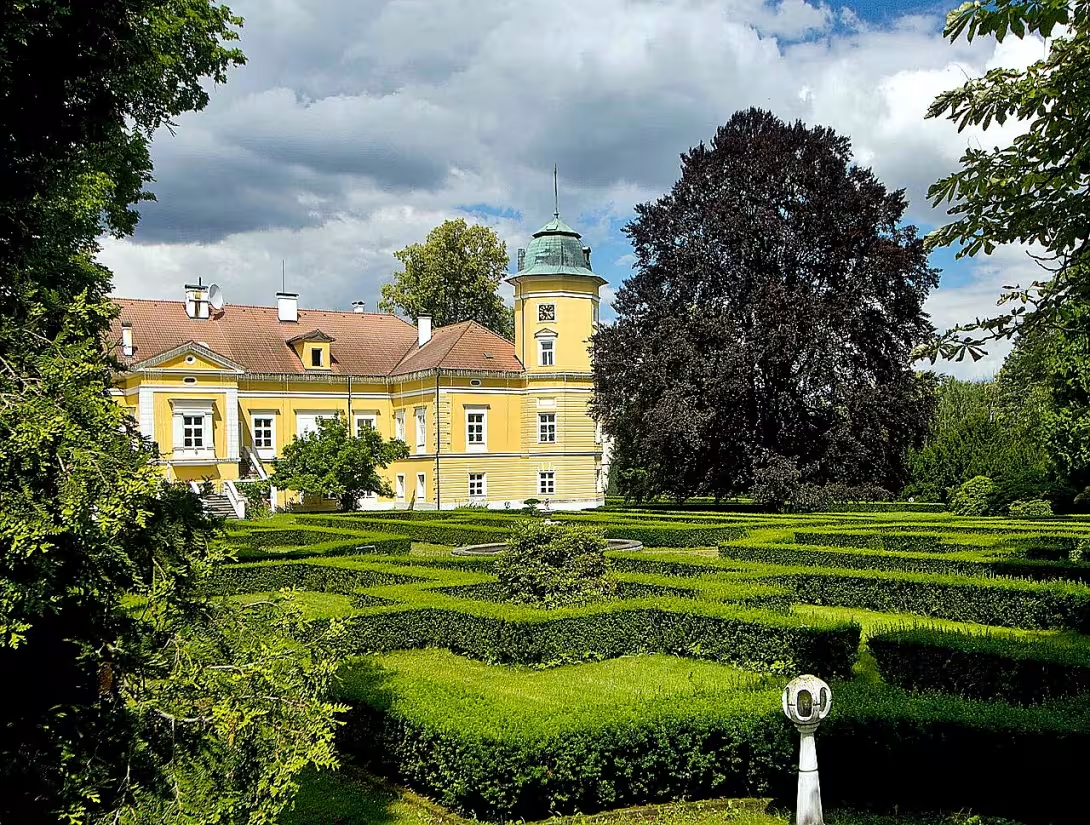
Zámek Chotoviny is a Renaissance-style castle with a French park in Chotoviny village, Tábor District, Jihočeský kraj. Originally built on the site of a 13th-century medieval fortress, it underwent significant transformations over time. The current form dates back to 1873, reflecting its rich history and architectural evolution. Notable for serving as both a noble residence and a school, Zámek Chotoviny has been registered as a cultural monument since 1958.
The origins of Zámek Chotoviny trace back to a medieval fortress mentioned in the 13th century. Over time, it experienced numerous ownership changes before evolving into its present form. In 1706, Anna Marie Nosticová acquired the estate, marking significant developments. The property later passed through various hands, including Jan Karel Soyer and the Jesuit Order, until Kryštof Antonín hrabě Migazzi purchased it in 1768. Under his ownership, the castle underwent a classical-style renovation between 1770 and 1780.
The architectural journey continued with Jan Nádherný, who acquired the estate in 1806. He transformed it into its current Neo-Renaissance style and established an English park around it, now protected as a Category I heritage site. The castle's architecture reflects broader European trends during a period marked by political changes and the decline of feudalism.
Ownership of Zámek Chotoviny has seen dramatic shifts over the centuries. After Jan Nádherný, the estate remained with the Nádherných family until 1945 when it was confiscated by the Czechoslovak state. Following the fall of socialism in 1989, the castle was restituted to Jan Nepomuk Nádherný in 1997. After his death in 2005, Jamie Nicole Nadherny sold the property to Sergej Majzus in 2011.
Throughout its history, Zámek Chotoviny has been a site of notable events. In 1903 and 1913, Archduke František Ferdinand d’Este stayed at the castle during military maneuvers. From 1945 to 2001, it served as a primary school, further embedding itself in local history.
Today, Zámek Chotoviny is privately owned by Sergej Majzus and is not open to the public. Despite its restricted access, the castle remains an intriguing site for those interested in architectural evolution and historical narratives. Its rich past and unique blend of styles make it a worthwhile destination for visitors seeking insight into Czech history and heritage.
Zámek Chotoviny stands as a testament to the dynamic history of the region, offering a glimpse into the architectural and social transformations that have shaped its landscape. While access is limited, its historical significance continues to captivate those who explore its story through documented accounts and preserved surroundings.
Then and now
Drag the slider to compare how the landmark may have looked when it was built with the view today.
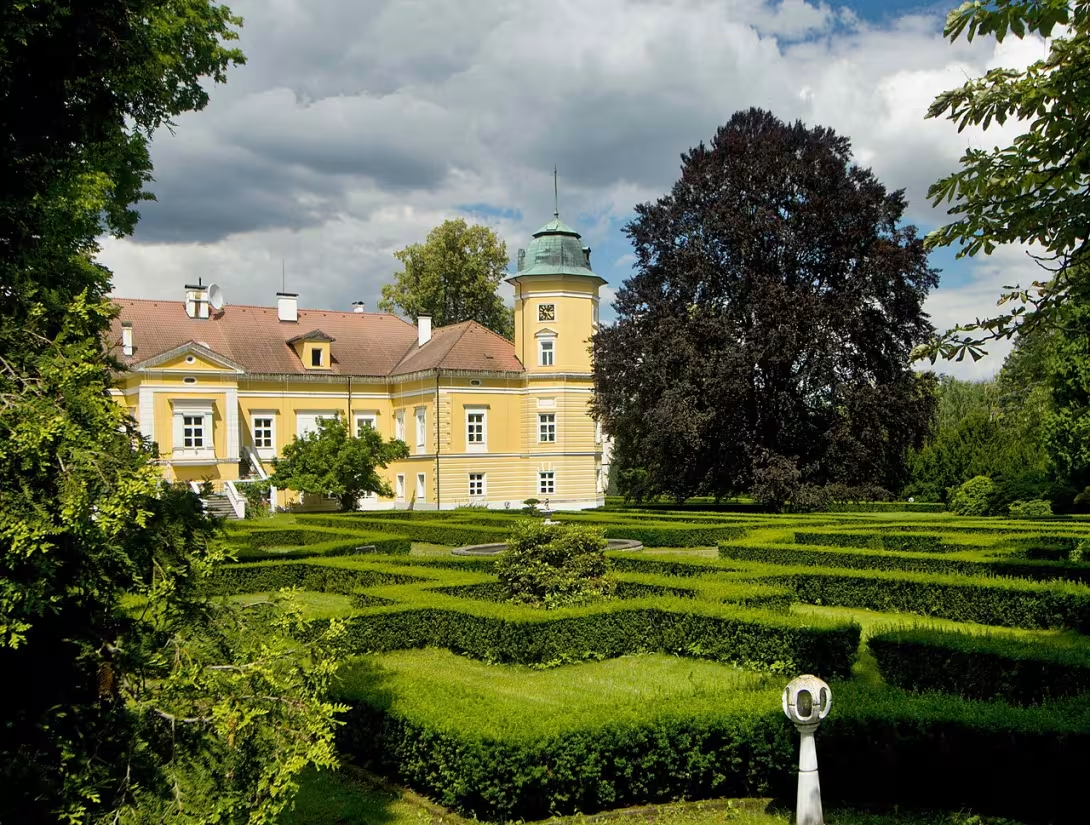

The historical appearance on the left is an AI-generated visualisation and serves as inspiration only.
Historical milestones
- 1873
- The castle acquired its current form.
- 1958
- Registered as a cultural monument.
Architectural development
Originally a medieval fortress, Zámek Chotoviny was transformed into a classical-style building in the late 18th century. In the early 19th century, it was redesigned in Neo-Renaissance style by Jan Nádherný, who also established an English park around it.
Historical events
František Ferdinand d’Este stayed at the castle during military maneuvers in 1903 and 1913.
The castle served as a primary school from 1945 to 2001.
Owners
Anna Marie Nosticová (1706)
Jan Karel Soyer (until 1760)
Jezuitský řád (1760-1768)
Kryštof Antonín hrabě Migazzi (from 1768)
Rod Nádherných z Borutína (1806-1945)
Jan Nepomuk Nádherný (1997-2005)
Jamie Nicole Nadherny
Sergej Majzus (since 2011)
Points of interest
- The transformation of Zámek Chotoviny into its current Neo-Renaissance style was carried out by Jan Nádherný in the early 19th century, reflecting a broader European architectural trend that coincided with significant political changes and the decline of feudalism.
- In 1706, Anna Marie Nosticová's acquisition of Zámek Chotoviny marked a turning point for the estate, leading to its evolution from a medieval fortress into a more refined noble residence over subsequent centuries.
- The castle served as an educational institution between 1945 and 2001, functioning as a primary school and integrating itself into the local community's daily life during this period.
- Archduke František Ferdinand d’Este stayed at Zámek Chotoviny twice, in 1903 and 1913, while participating in military maneuvers, highlighting its strategic importance even in the early 20th century.
- Despite being privately owned by Sergej Majzus since 2011, Zámek Chotoviny remains a cultural monument registered since 1958, preserving its historical significance and architectural heritage for future generations.
Guide
This guide is narrated by a synthetic voice generated by artificial intelligence.
Show guide text
This text was created by artificial intelligence and has not been editorially reviewed. It may contain inaccuracies.
Welcome to the enchanting Zámek Chotoviny, nestled in the picturesque village of Chotoviny in the Jihočeský kraj region. As you stand here, take a moment to absorb the serene beauty surrounding you—a perfect blend of history and nature. Before you is a stunning Renaissance-style castle that harmonizes with its French park setting, inviting you into a world where time seems to pause.
Let's delve into the origins of this remarkable site. The story begins in the 13th century when a medieval fortress stood here, marking the land as a place of strategic importance. Over the centuries, it underwent numerous transformations, evolving from its original form until reaching its current splendor in 1873. This period marked significant architectural changes that reflect broader European trends during an era of political shifts and the decline of feudalism.
As you gaze upon Zámek Chotoviny, take note of its Neo-Renaissance architecture—a style meticulously crafted by Jan Nádherný in the early 19th century. Notice how the structure exudes elegance and grandeur, with every detail contributing to its historical narrative. The castle's design incorporates elements that speak to a time when artistry and craftsmanship were at their peak.
Several key figures have left their mark on this place. Among them is František Ferdinand d’Este, whose influence is woven into the fabric of Chotoviny’s history. In 1706, Anna Marie Nosticová also played a significant role in shaping its legacy, adding layers to the castle's storied past.
One intriguing aspect of Zámek Chotoviny is how it embodies the transformation from medieval fortress to Renaissance elegance, reflecting not just architectural evolution but also societal changes. This metamorphosis into its current form was part of a broader European movement that coincided with significant political and cultural shifts.
As we conclude our brief journey through time at this historic site, I invite you to explore further and uncover more secrets held within the walls of Zámek Chotoviny. Whether it's strolling through the French park or imagining life in bygone eras, there is much to discover here. Thank you for joining me on this exploration, and may your visit be filled with wonder and inspiration.
Tips for visitors
The best time to visit Zámek Chotoviny is during the late spring or early autumn months, typically from May to September. During these times, the surrounding English park is lush and vibrant, offering a picturesque setting for your visit. The weather is generally mild, making it ideal for exploring both the castle grounds and enjoying outdoor activities in the park. Additionally, visiting outside of peak summer months can help avoid larger crowds, allowing for a more tranquil experience.
For those preferring public transportation, there are options available as well; however, it's advisable to check current routes and schedules in advance using an online travel planner or local resources.
When planning your visit, consider bringing comfortable walking shoes, especially if you intend to explore the extensive park area. A hat and sunscreen are recommended due to the open landscapes, while layers or a light jacket might be useful in case of cooler weather. Don't forget a camera to capture the stunning scenery and architectural details of the castle.
For photography enthusiasts, Zámek Chotoviny offers several excellent spots for capturing its beauty. The best lighting is typically during the golden hours—shortly after sunrise or before sunset—when the soft light enhances the textures and colors of the Renaissance architecture and park landscapes. Key locations include the main entrance, the castle's towers, and various vantage points within the park that offer panoramic views.
Nearby attractions within a 30-minute drive from Zámek Chotoviny include the historic town of Tábor, known for its medieval charm and cultural sites such as St. Nicholas Church. Another nearby destination is the scenic village of Bechyně, which features an impressive castle with beautiful gardens. Both locations offer additional historical insights and picturesque settings perfect for extending your day trip.
For families visiting Zámek Chotoviny, there are several activities to keep children entertained. The expansive park provides ample space for walking or picnicking, making it a great spot for family outings. While the castle itself may not have specific attractions for young children, its historical significance and architecture can be fascinating for older kids interested in history. Additionally, exploring the surrounding natural landscapes offers opportunities for outdoor fun.
Frequently asked questions
Can the monument be visited?
Some buildings of this kind are open for guided tours, others serve another purpose or are privately owned. We have not verified whether and when this monument is open – please ask the operator.
What are the opening hours and admission?
We have not verified the opening hours or admission. Current information is published by the operator.
Where is the monument?
Location: Na Nádvoří 1, Chotoviny, Jihočeský kraj. The map on this page shows the exact spot.
Why is the monument protected?
It is listed in the Central List of Cultural Monuments of the Czech Republic as a cultural monument (register no. 21635/3-4833).
Businesses nearby
Do you run a restaurant, accommodation, shop, museum, rental, wellness or other visitor service near this monument? Show yourself directly to the people heading to it — this is how they will see you in the app and on the web:
Nearby
Zámek Chotoviny is surrounded by an English park, which is protected as a Category I heritage site. The area offers scenic landscapes and historical ambiance.
Accommodation nearby
Themed route
Thematic Walking Tour: Chotoviny Castle and Surroundings
1. Chotoviny Castle - Type: Historic Castle - Why Visit: Begin your journey at the majestic Chotoviny Castle, a stunning example of Renaissance architecture with Baroque influences. Explore its rich history, elegant interiors, and panoramic views from the castle's towers. The castle serves as a centerpiece for understanding the region's noble past.
2. English Park - Type: Heritage-Protected Park - Why Visit: Just outside the castle walls lies an enchanting English park, recognized as a Category I heritage site. Wander through its meticulously landscaped gardens and enjoy serene pathways that offer picturesque views of the surrounding countryside. The park's design reflects 19th-century landscaping trends, providing both beauty and historical insight.
3. Castle Grounds - Type: Historic Courtyard - Why Visit: Venture into the expansive castle grounds where you can explore the historic courtyard and adjacent structures. This area offers a glimpse into the daily life of those who lived at the castle, with remnants of stables and outbuildings that tell stories of centuries past.
4. Castle Tower - Type: Historical Structure - Why Visit: Climb to the top of one of the castle's towers for breathtaking views of the Chotoviny region. The tower provides a unique vantage point from which you can appreciate both the architectural grandeur of the castle and the natural beauty of its surroundings.
5. Castle Exhibition - Type: Historical Exhibit - Why Visit: Conclude your tour with a visit to the castle's exhibition, where artifacts and displays bring to life the rich history of Chotoviny Castle. Learn about the notable figures who have resided here and the significant events that have shaped its legacy.
This thematic walking tour offers an immersive experience into the historical and natural allure of Chotoviny Castle and its immediate surroundings.
Seasonal recommendations
Spring: The arrival of spring at Chotoviny Castle brings a refreshing burst of color as the landscape awakens with blooming flowers and lush greenery, creating an idyllic setting for exploration. The soft morning light enhances the castle's architectural details, making it a perfect time to appreciate its historical beauty. Visitors should consider bringing comfortable walking shoes for exploring the grounds and perhaps a camera to capture the vibrant scenery. While crowds are generally manageable during this season, arriving early can help avoid larger groups and ensure a more peaceful experience.
Summer: Summer at Chotoviny Castle is characterized by long days filled with warm sunshine that accentuates the castle's grandeur against a clear blue sky. The lush gardens are in full bloom, offering picturesque views and inviting spaces for relaxation. This season sees an increase in visitors due to its popularity as a family-friendly destination during school holidays. To make the most of your visit, it's advisable to arrive early to avoid peak times and bring sunscreen, hats, and light clothing to stay comfortable under the sun. The castle grounds are perfect for picnics or leisurely strolls.
Autumn: Autumn transforms Chotoviny Castle into a tapestry of warm hues with its vibrant foliage providing a stunning backdrop. The cooler temperatures make it an ideal time for walking tours around the expansive estate, and the softer light creates a mystical atmosphere that enhances the castle's historic charm. As visitor numbers decrease compared to summer, this is a great opportunity to enjoy a quieter experience. Layered clothing is recommended to accommodate fluctuating temperatures throughout the day.
Winter: Winter at Chotoviny Castle offers a serene and enchanting experience with snow-covered grounds creating a fairy-tale-like setting. The castle's architecture stands out against the stark winter landscape, offering unique photo opportunities. Due to shorter daylight hours and colder weather, it's important to dress warmly in layers and plan your visit during the limited opening times. While fewer visitors are present compared to other seasons, ensuring you have comfortable footwear for potentially icy paths is advisable. This season provides a peaceful atmosphere ideal for those seeking tranquility amidst historical beauty.
Visualizations and artistic views


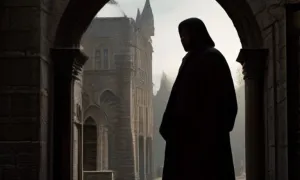
The visualisations are generated by artificial intelligence and serve as inspiration.
Photos from the area
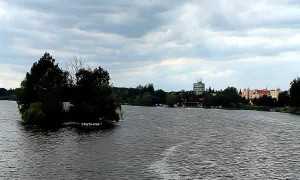
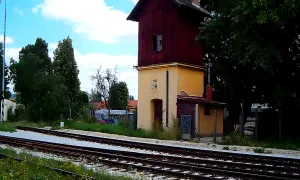
Real photos taken near the monument


Zdroj a licence jsou uvedeny u každého snímku.
Tips from visitors
No tips yet. Be the first!
Log in and add your tip.
Sources and literature
Photos: VitVit / CC BY-SA 4.0 — Wikimedia Commons. The author and licence also appear when you hover over the image.
Faktickým podkladem tohoto textu byl článek na Wikipedii, jehož autory jsou přispěvatelé Wikipedie. Článek je dostupný pod licencí CC BY-SA 4.0.
Location on the map


Příběhy a pověsti
Legendy, pověsti a příběhy spjaté s touto památkou
Fotografie návštěvníků
Zatím žádné fotografie. Buďte první, kdo přidá fotografii z návštěvy!
Log in a přidejte svou fotografii nebo hodnoťte.
Za ověřenou návštěvu v aplikaci získáte víc bodů — poznáme podle GPS, že jste na místě.
Reviews and comments