



zámek Cítoliby Chateau
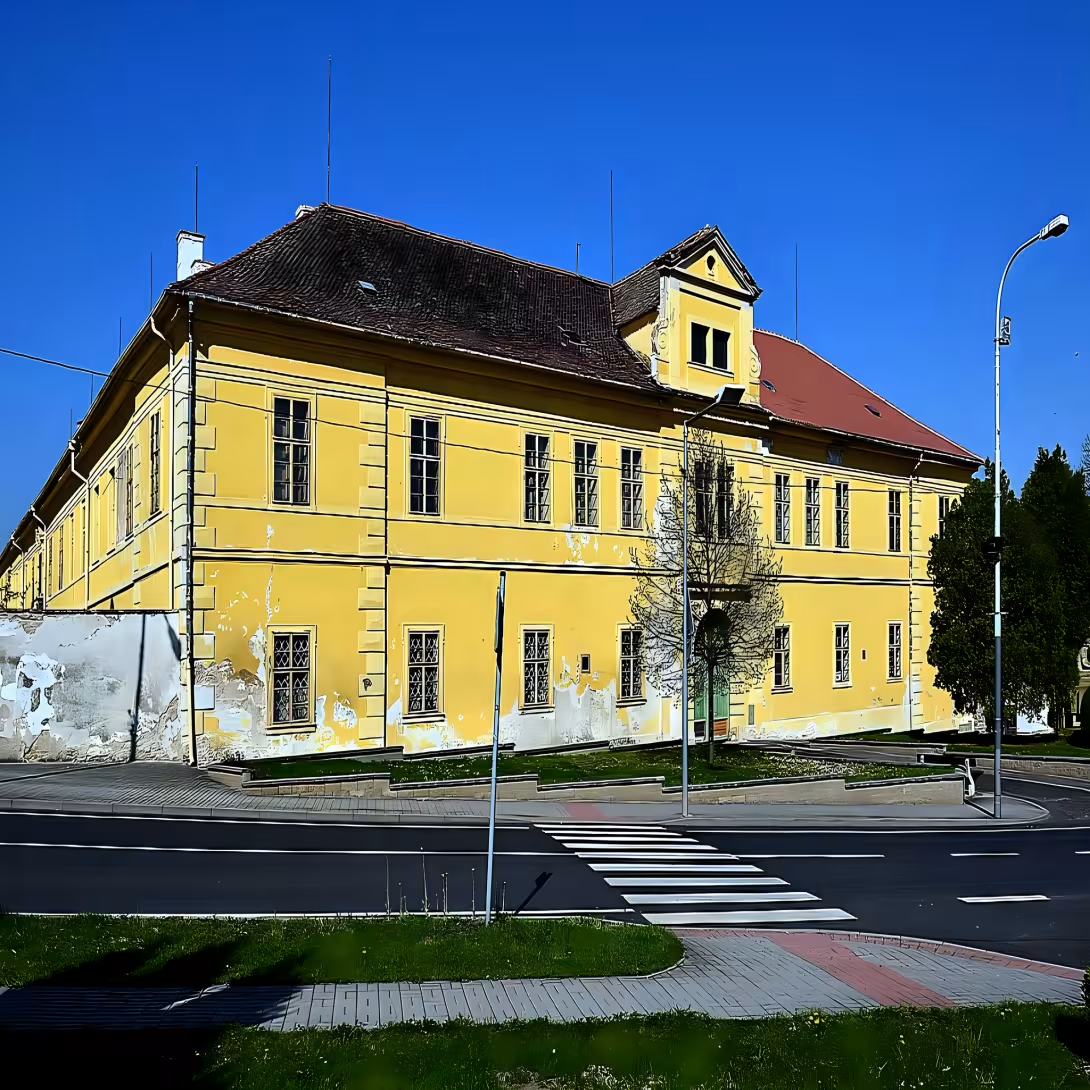
Cítoliby Castle stands as a testament to architectural evolution in Northern Bohemia's picturesque landscapes within Ústecký kraj. Originally built in 1665 on the site of an older fortress, it took on its current baroque form through significant renovations during the 18th century. Recognized as a cultural monument, Cítoliby Castle holds historical and architectural significance that attracts visitors eager to explore its storied past.
The earliest history of Cítoliby Castle remains somewhat enigmatic, with no precise records detailing when the first noble residence was established in the area. It is speculated that this could have occurred during the time when the Koldicové z Koldic family owned the village, between 1381 and 1430. By 1462, Bavor z Třebívlic had acquired Cítoliby, suggesting a noble presence by then. The first documented mention of a fortress in Cítoliby dates back to 1562 when it was noted in land registry records during the division of property among the heirs of Jan Kuneš z Lukavec.
The castle's architectural journey began with Adam Hruška z Března, who purchased the estate in 1569 and initiated a transformation into a Renaissance-style residence. This included constructing new wings forming an "L" shape, integrating existing structures to create a functional and representative complex. However, it was under Jan van der Croon's ownership starting in 1665 that significant baroque renovations commenced. Italian architects Giovanni Battista Bolla and Tommaso Pinchetti were instrumental during this period, incorporating Renaissance elements into an expansive baroque design. The castle expanded with new wings and a French garden established in front of the southern wing by the late 17th century.
Ownership of Cítoliby Castle changed hands several times, reflecting its importance and desirability. After Hruška's tenure, Adam Jindřich Hruška became the owner until his death in 1630, after which his daughter Dorota Barboře Hrušková inherited it. She later married Jan Oldřich z Bisingenu, but due to her mental illness, their son Arnošt Schütz z Leipoldsheimu eventually took over in 1651. The castle then passed to Jan van der Croon in 1664, marking the beginning of its baroque transformation.
Cítoliby Castle's significance extended beyond architecture; it became a cultural hub during the tenure of Arnošt Karl Pachta in the late 18th century. Under his ownership, the estate was renowned for hosting performances by composers associated with the Cítoliby School of Music, such as Karel Blažej Kopřiva and Jan Adam Gallina.
Today, visitors can explore this historical monument that has been preserved as a cultural heritage site. Its rich history and architectural beauty make it an intriguing destination for those interested in baroque architecture and Bohemian history. The castle's enduring legacy invites exploration and appreciation of its past grandeur and cultural contributions.
Then and now
Drag the slider to compare how the landmark may have looked when it was built with the view today.
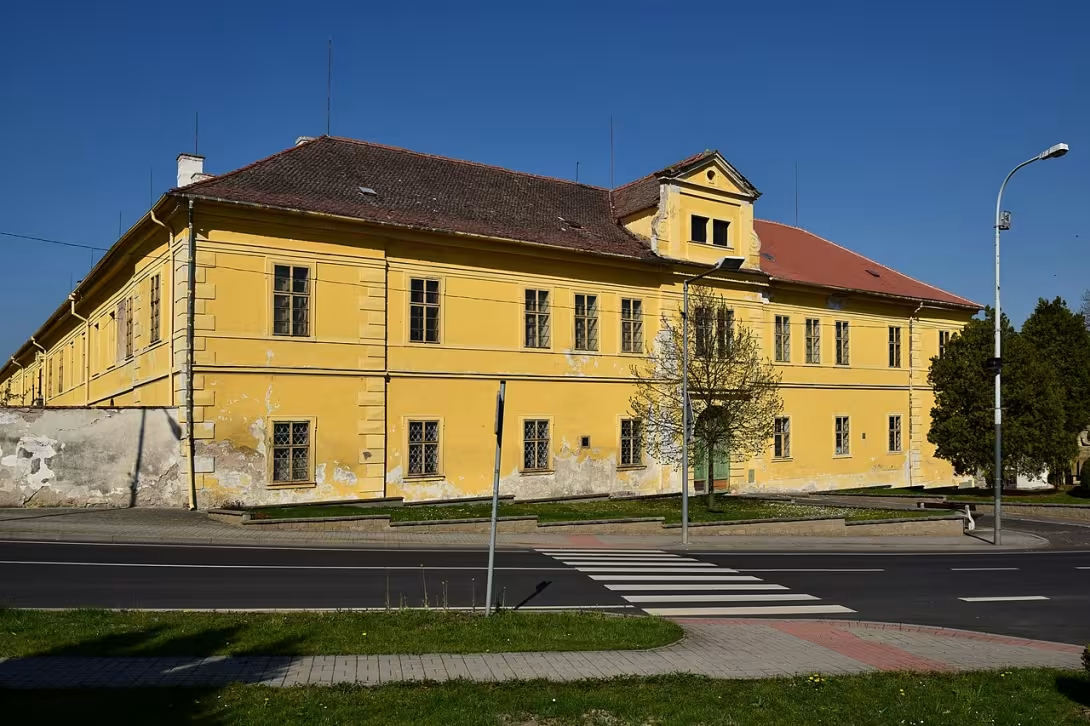

The historical appearance on the left is an AI-generated visualisation and serves as inspiration only.
Historical milestones
- 1381
- Koldicové z Koldic family acquired the village.
- 1430
- End of Koldicové z Koldic's ownership period.
- 1462
- Bavor z Třebívlic acquired Cítoliby, indicating noble presence.
- 1562
- First documented mention of a fortress in land registry records.
- 1569
- Adam Hruška z Března purchased the estate, starting Renaissance transformation.
- 1665
- Jan van der Croon began significant baroque renovations.
Architectural development
Cítoliby Castle's development began with a Renaissance transformation by Adam Hruška z Března, who added new wings. The major baroque renovation started in 1665 under Jan van der Croon and involved Italian architects Giovanni Battista Bolla and Tommaso Pinchetti. This phase integrated existing Renaissance structures into the new design.
Historical events
In 1562, the first written mention of a Cítoliby fortress was recorded.
The castle underwent significant baroque renovations starting in 1665.
Owners
Adam Hruška z Března (1569)
Arnošt Schütz z Leipoldsheimu (1651)
Jan van der Croon (1664)
Points of interest
- Despite its current baroque prominence, Cítoliby Castle's early history is shrouded in mystery, with no clear records of when the first noble residence was established. This obscurity adds an enigmatic layer to its historical narrative.
- The castle underwent a significant architectural transformation under Adam Hruška z Března, who converted it into a Renaissance-style residence by constructing new wings that formed an "L" shape, showcasing early integration of existing structures for functional and aesthetic purposes.
- Italian architects Giovanni Battista Bolla and Tommaso Pinchetti were pivotal in the baroque transformation initiated by Jan van der Croon, blending Renaissance elements with expansive baroque designs, reflecting a unique architectural synthesis during that era.
- Cítoliby Castle became a cultural hub under Arnošt Karl Pachta's ownership in the late 18th century, hosting performances by composers of the Cítoliby School of Music such as Karel Blažej Kopřiva and Jan Adam Gallina, highlighting its role beyond architecture as a center for musical innovation.
- The castle's significance is further underscored by its changing hands among notable figures like Jan Oldřich z Bisingenu and Arnošt Schütz z Leipoldsheimu, reflecting its desirability and importance in Bohemian noble circles over the centuries.
Guide
This guide is narrated by a synthetic voice generated by artificial intelligence.
Show guide text
This text was created by artificial intelligence and has not been editorially reviewed. It may contain inaccuracies.
The castle in Cítolibech in the Louny region arose on the site of an older fortified house. Its construction began in 1665, but its present appearance was mainly determined by renovations in the eighteenth century. The castle is protected as a cultural monument.
We do not know when the first noble residence was established here. It could have been already under the Koldiči of Koldic, who held the village roughly between the years 1381 and 1430. In 1462, Bavor of Třebívlice wrote himself on a document as residing in Cítolibech, so the fortified house must have stood here by then, presumably in the place of today's castle. Its remains are preserved as a transverse wall in the cellar. The first direct written mention of the fortified house comes from 1562. The property then also included a brewery, a farmyard, vineyards, a hop field, and fruit gardens.
In 1569, Adam Hruška of Března purchased the estate. He apparently converted the old fortified house into agricultural facilities and built a Renaissance residence with two wings in the shape of the letter L. An inventory from 1620 mentions eight living quarters including a representative hall, a guest room, and also a cellar where the maidservants lay eggs.
After a series of owners, the estate passed to Jan van der Croon. He was an imperial deputy marshal and an expert on the construction of fortifications. In 1665, shortly before his death, he commissioned new window and door frames from Italian stonemasons settled in Prague. Construction then lasted until 1684. Both Renaissance wings were incorporated into the new building, and a new southern wing was added for representation. In the eighties of the seventeenth century, a French garden was created in front of the southern wing according to the plan of the gardener Jan Tulipán.
In 1720, the Pachta family of Rájov acquired the estate. Under Ernst Charles Pachta, who lived from 1718 to 1803, the castle became a sought-after cultural centre. Compositions of the so-called Cítolibech composer school were frequently performed here, composed by such figures as Karel Blažej Kopřiva, Jan Adam Gallina, or Jakub Lokaj. Pachta also had the castle garden renovated. In 1766, he commissioned new stone sculptures from Ernst Linke, a sculptor from Slany. The garden was originally adorned with approximately fifty sculptures.
Tips for visitors
The best time to visit Cítoliby Castle is during late spring or early autumn when the weather is pleasant, allowing you to fully enjoy the picturesque landscapes surrounding the castle. These seasons offer mild temperatures and vibrant natural scenery, making it ideal for exploring both the castle grounds and nearby areas. Additionally, visiting outside of peak summer months can provide a more tranquil experience with fewer crowds.
It's advisable to check current transportation options in advance using an online travel planner or contacting local tourist information centers for the most up-to-date details.
When planning your visit, consider bringing comfortable walking shoes and weather-appropriate clothing, as exploring the castle grounds can involve some walking on uneven surfaces. A camera is recommended to capture the stunning views and architectural details of the baroque structure. Sunscreen and a hat are also advisable if visiting during sunny days, while an umbrella or raincoat might be necessary for unpredictable spring or autumn weather.
Photography enthusiasts will find several spots around Cítoliby Castle offering excellent opportunities for capturing its beauty, especially during the golden hours of early morning or late afternoon when the light is soft and warm. The castle's baroque architecture looks particularly striking against the backdrop of Northern Bohemia’s landscapes. Additionally, exploring the surrounding area can provide unique perspectives and compositions.
In a 30-minute radius from Cítoliby Castle, visitors can explore other historical sites that complement their experience. These include nearby natural features and additional historical landmarks within the region, offering a broader understanding of the local heritage. Families with children might enjoy these nearby attractions as they often provide educational insights and engaging activities suitable for all ages.
Frequently asked questions
Can the monument be visited?
Some buildings of this kind are open for guided tours, others serve another purpose or are privately owned. We have not verified whether and when this monument is open – please ask the operator.
What are the opening hours and admission?
We have not verified the opening hours or admission. Current information is published by the operator.
Where is the monument?
Location: Tyršovo náměstí 1, Cítoliby, Ústecký kraj. The map on this page shows the exact spot.
Why is the monument protected?
It is listed in the Central List of Cultural Monuments of the Czech Republic as a cultural monument (register no. 43309/5-1086).
Businesses nearby
Do you run a restaurant, accommodation, shop, museum, rental, wellness or other visitor service near this monument? Show yourself directly to the people heading to it — this is how they will see you in the app and on the web:
Nearby
Cítoliby Castle is surrounded by picturesque landscapes typical of Northern Bohemia, with nearby natural features and other historical sites within a five-kilometer radius.
Accommodation nearby
Themed route
Tematická výletní trasa zámek Cítoliby
1. Zámek Cítoliby (zámek) Start your journey at the Castle of Cítoliby, an architectural masterpiece with a rich history. The castle features elegant baroque elements and offers visitors views of beautiful gardens and parks. It is an ideal place to learn about the history of local noble families.
2. Park u Zámku Cítoliby (park) A short distance from the castle lies a picturesque park that is part of the estate complex. The park provides peaceful strolls among trees and is perfect for relaxing after visiting the castle itself. It's also an excellent space for family outings, with opportunities to observe local flora and fauna.
3. Kaple u Zámku Cítoliby (kaple) Not far from the castle is a historic chapel that is part of the estate grounds. The chapel is a significant monument with rich architecture and offers a peaceful place for meditation or a brief prayer. It's also an interesting example of spiritual life that accompanies the history of the castle.
4. Zahrady u Zámku Cítoliby (zahrady) Near the castle are extensive gardens cultivated using traditional methods and historical appearance. These gardens offer visitors the chance to explore a variety of plants and flowers once favored by noble families. They are ideal for botany enthusiasts as well as those seeking simple tranquility.
This tour offers visitors a comprehensive view of the history and nature surrounding Castle Cítoliby, making it an ideal spot for a full-day outing.
Seasonal recommendations
Spring: Visiting Cítoliby Castle during spring offers a unique experience as the surrounding landscape bursts into life with vibrant colors and fresh blooms. The castle grounds become a picturesque setting, enhanced by longer daylight hours that illuminate the historic architecture beautifully. This is an excellent time to enjoy nature walks around the castle, where you can witness wildflowers in full bloom and perhaps spot some early migratory birds. Visitors should be prepared for occasional rain showers typical of spring; therefore, wearing layers and bringing a waterproof jacket is advisable. To avoid larger crowds that tend to gather during weekends, consider visiting on a weekday.
Summer: Summer at Cítoliby Castle is characterized by lush greenery and warm weather, making it ideal for exploring the castle's extensive gardens and enjoying outdoor activities. The long daylight hours provide ample time to explore both inside and outside the castle grounds. However, this season also attracts more visitors, especially during holidays and weekends, so arriving early in the day can help avoid the peak crowds. Comfortable walking shoes and light clothing are recommended due to the warmer temperatures. Don't forget sunscreen and a hat for protection against the sun.
Autumn: Autumn transforms Cítoliby Castle into a stunning spectacle of warm hues with its golden leaves providing a picturesque backdrop to the historic site. The cooler weather makes it an inviting time for leisurely strolls through the castle grounds, which are less crowded compared to summer months. This season is perfect for photography enthusiasts looking to capture the serene beauty of fall. Visitors should dress in layers to accommodate the fluctuating temperatures and bring a light jacket or sweater as evenings can be quite chilly.
Winter: Winter at Cítoliby Castle offers a magical atmosphere with snow-covered grounds that add an enchanting touch to its historic charm. While the castle itself remains open year-round, some outdoor activities might be restricted due to weather conditions. Wearing warm clothing is essential, including a thick coat, hat, gloves, and insulated boots for comfort during your visit. The winter season also provides a quieter experience with fewer visitors, allowing for a more intimate exploration of the castle's history and architecture.
Visualizations and artistic views


The visualisations are generated by artificial intelligence and serve as inspiration.
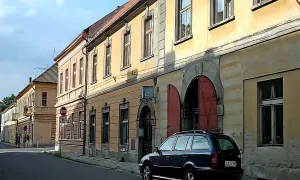
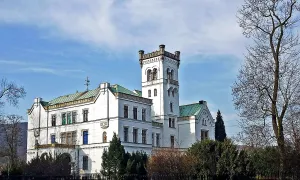
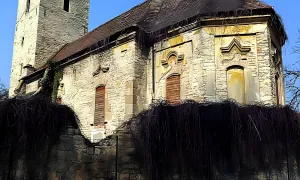
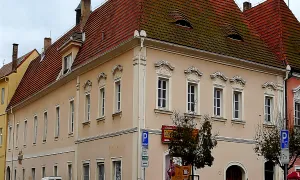
Photos from the area
Real photos taken near the monument

Zdroj a licence jsou uvedeny u každého snímku.
Tips from visitors
No tips yet. Be the first!
Log in and add your tip.
Sources and literature
Photos: Petr Kinšt / CC BY-SA 4.0, rozlišení zvýšeno umělou inteligencí — Wikimedia Commons. The author and licence also appear when you hover over the image.
Faktickým podkladem tohoto textu byl článek na Wikipedii, jehož autory jsou přispěvatelé Wikipedie. Článek je dostupný pod licencí CC BY-SA 4.0.
Location on the map
Příběhy a pověsti
Legendy, pověsti a příběhy spjaté s touto památkou

Fotografie návštěvníků
Zatím žádné fotografie. Buďte první, kdo přidá fotografii z návštěvy!
Log in a přidejte svou fotografii nebo hodnoťte.
Za ověřenou návštěvu v aplikaci získáte víc bodů — poznáme podle GPS, že jste na místě.
Reviews and comments