






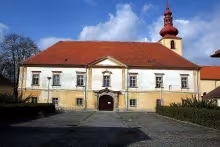
Zámek Dalešice is a notable cultural monument located in the village of Dalešice, within the Vysočina Region of the Czech Republic. Originally part of a monastery founded in 1303, it was transformed into a baroque noble seat around 1540 by Kraličtí z Kralic. The castle underwent significant renovations under Jindřich Josef Daun in the early 18th century, designed by architect Josef Fischer z Erlachu. This site reflects its rich cultural heritage through various ownerships and historical events.
The origins of Zámek Dalešice trace back to a monastery first mentioned in 1303. By around 1540, following the decline of the monastery, Kraličtí z Kralic acquired the property and transformed it into a noble seat. This marked its transition from religious to secular use. In the early 18th century, during a period of cultural and architectural development in Bohemia as part of the Habsburg Monarchy, Jindřich Josef Daun commissioned architect Josef Fischer z Erlachu to convert one of the former monastic buildings into a baroque castle. This transformation was significant, marking a new architectural phase for the site.
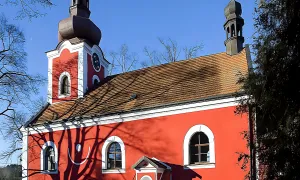
The architecture of Zámek Dalešice is characterized by its baroque style, initiated under Daun's ownership in the early 18th century. The design by Josef Fischer z Erlachu played a crucial role in shaping the castle's appearance during this period. While specific materials and elements are not detailed, the transformation from monastic to noble seat involved significant architectural changes that reflect the baroque aesthetic of the time.
Ownership of Zámek Dalešice has changed hands several times throughout its history. After Kraličtí z Kralic, it was briefly held by hrabata z Náchoda following the White Mountain period and then by svobodní páni z Hodic in the 17th century. Odkolkové z Újezdce owned it later in the same century before Jan Antonín Pachta z Rájova acquired Dalešice and Valeč in 1712. Jindřich Josef Daun's purchase in 1724 marked a significant period of transformation, followed by ownerships under Heřman Vavřinec z Kannengiesseru, baron Jáchym Albert Hesse, Šimon Jiří II. baron Sin, and finally Anton Dreher in 1882.
Throughout its history, Zámek Dalešice has been the site of several key events. The transformation into a baroque castle under Daun's direction was a pivotal moment, reflecting broader cultural shifts in Bohemia during the early 18th century. Additionally, the property underwent various ownership changes that influenced its development and use over time.
Today, Zámek Dalešice stands as a testament to its historical significance and architectural evolution. The site is accessible to visitors interested in exploring its rich history and baroque architecture. Its proximity to the Church of Saints Peter and Paul adds to its cultural allure. Despite challenges in recent decades, including periods of neglect and legal disputes over ownership, Zámek Dalešice remains a valuable cultural monument worth visiting.
Zámek Dalešice offers a unique glimpse into the historical transformations that have shaped this region. Its baroque architecture and storied past make it an intriguing destination for those interested in Czech history and culture. Visitors are invited to explore its grounds and appreciate the legacy of the many families who have left their mark on this remarkable site.
Historical milestones
- 1303
- The monastery on the site was first mentioned.
- 1712
- Jan Antonín Pachta z Rájova acquired Dalešice and Valeč.
- 1724
- Jindřich Josef Daun began baroque renovations of the castle.
Architectural development
The site originally housed a monastery, which was transformed into a noble seat by Kraličtí z Kralic around 1540. In the early 18th century, Jindřich Josef Daun commissioned architect Josef Fischer z Erlachu to convert one of the former monastic buildings into a baroque castle. This transformation marked a significant architectural phase in its history.
Historical events
The monastery on the site was first mentioned in 1303.
In 1712, Jan Antonín Pachta z Rájova acquired Dalešice and Valeč.
Baroque transformation of the castle began under Jindřich Josef Daun in the early 18th century.
Owners
Kraličtí z Kralic (circa 1540)
Hrabata z Náchoda (post-White Mountain period)
svobodní páni z Hodic (briefly in the 17th century)
Odkolkové z Újezdce (late 17th century)
Jan Antonín Pachta z Rájova (1713)
Jindřich Josef Daun (1724-1762)
Heřman Vavřinec z Kannengiesseru (1762-1778)
baron Jáchym Albert Hesse (post-1778)
Šimon Jiří II. baron Sin (1850s)
Anton Dreher (1882)
Points of interest
- The transformation of Zámek Dalešice from a monastery to a noble seat in 1540 marked its unique transition from religious to secular use, reflecting broader societal changes during that period.
- Architect Josef Fischer z Erlachu was instrumental in the castle's baroque redesign under Jindřich Josef Daun in the early 18th century, showcasing the influence of Habsburg Monarchy cultural trends on local architecture.
Guide
Show guide text
Welcome to the historic Zámek Dalešice, nestled in the charming village of Dalešice within the Vysočina Region. As you stand here, imagine yourself stepping back into a tapestry woven with centuries of history and transformation. Before you lies an architectural gem that has witnessed significant cultural shifts from its origins as a monastery to becoming a noble seat.
Let's start by exploring the roots of this magnificent site. The story begins in 1303 when a monastery was first mentioned on this very land, marking the inception of what would become Zámek Dalešice. Over time, societal changes and evolving ownership led to its transformation around 1540 by Kraličtí z Kralic, who repurposed it from a religious institution into a noble residence. This pivotal change reflects broader shifts in society during that era, where secular power began to emerge more prominently.
Now, direct your gaze toward the castle’s architecture. The current grandeur you see owes much to the baroque renovations initiated by Jindřich Josef Daun in 1724. These enhancements were masterfully designed by architect Josef Fischer z Erlachu, whose vision brought a new level of opulence and sophistication to the structure. As you wander around, take note of the elegant symmetry and ornate detailing that define its baroque style—a testament to the architectural prowess of the era.
Throughout its history, Zámek Dalešice has been intertwined with numerous notable figures. The Pachta z Rájova family, including Jan Antonín Pachta z Rájova, played a crucial role in acquiring and shaping the estate's legacy. Later, the Daun family, particularly Jindřich Josef Daun and his son Maxmilián Daun, left an indelible mark with their extensive renovations. These individuals not only influenced the castle’s physical transformation but also its cultural significance.
One intriguing aspect of Zámek Dalešice is its unique evolution from a monastery to a noble seat in 1540. This transition highlights the broader societal changes during that period, as religious institutions were increasingly integrated into secular life and governance. It's fascinating to think about how this shift mirrors larger historical trends across Europe.
As we conclude our tour, I invite you to continue exploring Zámek Dalešice at your own pace. There is so much more to discover within its walls and grounds, each corner whispering stories of the past. Thank you for joining me on this journey through time. May your visit here inspire a deeper appreciation for the rich tapestry of history that surrounds us. Safe travels as you continue your exploration!
Tips for visitors
The best time to visit Zámek Dalešice is during the late spring or early autumn months, when the weather is pleasant for exploring both the castle grounds and the surrounding Vysočina landscape. During these times, you can enjoy the blooming flora without the summer crowds or winter chill. Additionally, visiting in these seasons often coincides with local cultural events that provide a deeper insight into regional traditions.
Parking at Zámek Dalešice is generally convenient, with several spots available near the entrance for visitors arriving by car. For those preferring public transport, there are regular bus services connecting nearby towns to Dalešice. It's advisable to check the latest schedules on transportation websites or local information centers before your visit to ensure a smooth journey.
When visiting Zámek Dalešice, it’s recommended to bring comfortable walking shoes as you’ll likely explore various parts of the estate and its grounds. A hat, sunscreen, and water are also essential, especially if you plan to spend several hours outdoors. Don’t forget your camera or smartphone for capturing the picturesque views around the castle.
For photography enthusiasts, the best spots at Zámek Dalešice include the main entrance and the surrounding gardens, particularly during the golden hour when the light is soft and warm. The Church of Saints Peter and Paul nearby also offers excellent opportunities for capturing historic architecture with interesting lighting effects.
Within a 30-minute drive from Zámek Dalešice, you can visit several attractions that complement your experience. The historical estates in the region provide insight into local heritage, while natural features like hiking trails offer beautiful landscapes to explore. These nearby sites are perfect for extending your day trip and experiencing more of what Vysočina has to offer.
Businesses nearby
Do you run a restaurant, accommodation, shop, museum, rental, wellness or other visitor service near this monument? Show yourself directly to the people heading to it — this is how they will see you in the app and on the web:
Nearby
Zámek Dalešice is situated near the village of Dalešice, with the Church of Saints Peter and Paul nearby. The surrounding landscape includes historical estates and natural features typical of the Vysočina Region.
Accommodation nearby
Themed route
Tematická výletní trasa zámek Dalešice
1. Zámek Dalešice (zámek) Začni svou cestu u samotného zámku Dalešice, který je skvělým příkladem barokní architektury s bohatou historií sahající do 17. století. Zámek nabízí krásná nádvoří a výstavní prostory, kde si můžeš užít uměleckých děl a architektonického bohatství. Je to ideální místo pro pochopení historie regionu Vysočina.
2. Kostel svatých Petra a Pavla (církevní památka) Přibližně 500 metrů od zámku Dalešice se nachází kostel svatých Petra a Pavla, který je významnou církevní památkou obce. Tento barokní chrám je známý svými bohatě zdobenými interiéry a historickým významem. Navštívit kostel znamená prozkoumat duchovní i kulturní dědictví oblasti.
3. Historické statky (historické pozůstatky) Obklopující zámek Dalešice se nachází několik historických statků, které jsou svědky bohaté agrární a sociální historie regionu. Tyto statky nabízejí pohled na životní styl a vývoj venkovského prostředí v oblasti Vysočina. Prozkoumání těchto pozůstatků poskytuje hlubší pochopení historických změn, které formovaly současnou krajinu.
4. Nádvoří zámku Dalešice (parková oblast) Po prozkoumání interiérů a okolních památek se vrať na nádvoří zámku, kde si můžeš užít klidné chvíle v parkové oblasti. Nádvoří nabízí krásnou příležitost pro relaxaci a promluvit o historických dobrodružstvích, které zámek a jeho okolí vyprávějí. Je to ideální místo pro uzavření svého výletu s pohledem na krásnou krajinu.
Tato trasa ti umožní pochopit historický a kulturní kontext zámku Dalešice a jeho okolí, nabízející kombinaci architektonického, duchovního a přírodního pohledu na region Vysočina.
Seasonal recommendations
Spring: Visiting Dalešice Castle during spring offers a unique experience as the surrounding landscape bursts into life with vibrant colors and fresh greenery. The blossoming trees and blooming flowers create a picturesque setting, enhancing the castle's historic charm. This season is ideal for photography enthusiasts who wish to capture the castle against a backdrop of nature in full bloom. As spring can bring unpredictable weather, it's advisable to dress in layers that can be easily adjusted. Early mornings or late afternoons are preferable times to visit when the light is softer and fewer tourists are around.
Summer: Summer at Dalešice Castle provides an idyllic atmosphere with long daylight hours perfect for exploring its grounds and enjoying outdoor activities. The lush greenery and warm weather make it a popular time, so expect larger crowds, especially during peak holiday periods. To fully appreciate the castle's beauty without the hustle, consider arriving early in the morning or visiting on weekdays. Light, breathable clothing is recommended to stay comfortable, along with sun protection such as hats and sunglasses.
Autumn: The autumn season at Dalešice Castle offers a serene and tranquil experience as the foliage turns into shades of red, orange, and gold. This colorful transformation provides a stunning contrast against the castle's historic architecture, making it an excellent time for nature lovers and photographers alike. As temperatures start to cool down, layering your clothing is advisable to stay comfortable throughout your visit. The cooler weather also means fewer visitors, allowing for a more relaxed exploration of the castle grounds.
Winter: Winter at Dalešice Castle presents a magical atmosphere with snow-covered landscapes that enhance its historic appeal. The shorter days and potential for snow mean that certain areas might be less accessible, but this can add to the charm and exclusivity of your visit. Dress warmly in layers, including waterproof outerwear if needed, and be prepared for limited opening hours due to weather conditions. Visiting during weekdays or early mornings can help avoid any crowds that do venture out in the colder months.
Visualizations and artistic views

Vizualizace jsou generovány umělou inteligencí a slouží jako inspirace.


Tips from visitors
No tips yet. Be the first!
Log in and add your tip.


Reviews and comments