



Zámek Hradiště Chateau
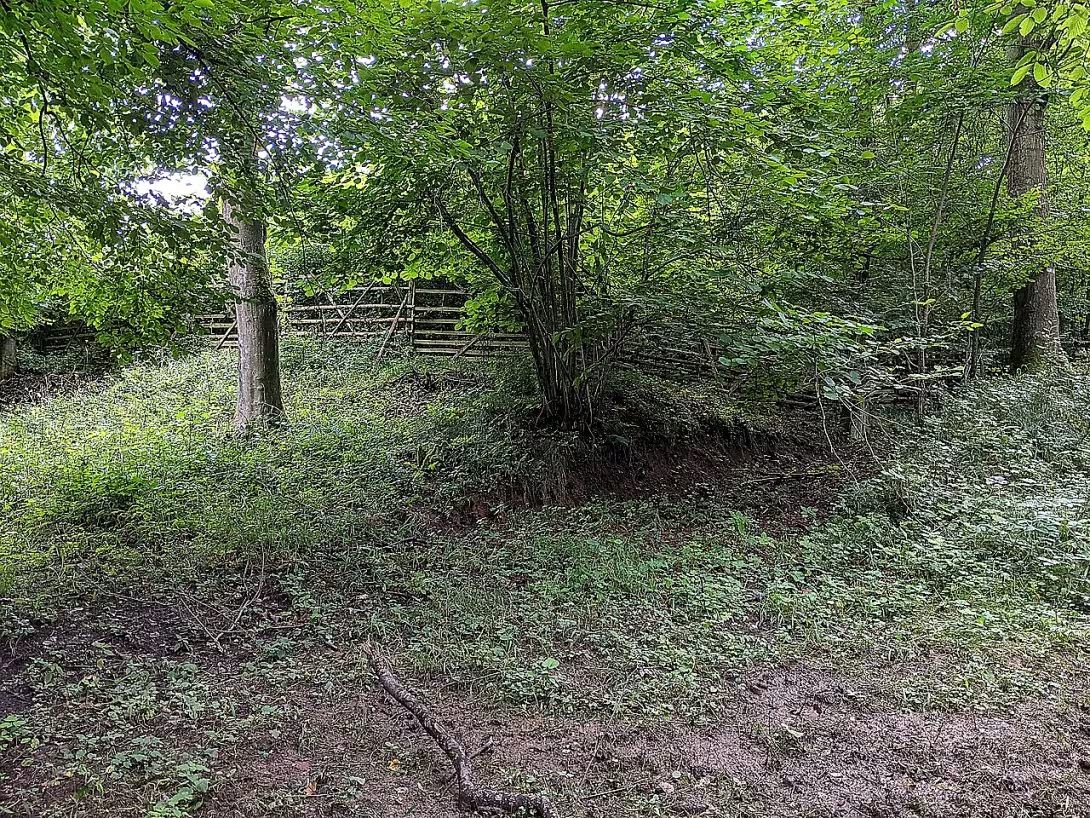
Zámek Hradiště is nestled in the village of Hradiště near Kolínec. It stands as a testament to architectural evolution from fortress to late Baroque chateau. Originally founded in the 14th century, this monument has served various noble families over centuries and was transformed into its current form at the end of the 18th century. Recognized for its cultural significance, Zámek Hradiště has been protected as a cultural monument since 1964.
The origins of Zámek Hradiště trace back to the 14th century when it began as a fortress serving as a noble seat for a small estate. The first documented mention dates to 1383, indicating its early significance in the region. Over time, ownership passed through several notable families, each contributing to its history and development. In the late 18th century, Bedřich z Elvenich undertook significant reconstruction efforts, transforming the original fortress into a late Baroque chateau, marking a pivotal moment in its architectural evolution.
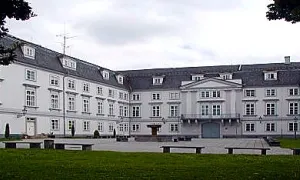
Architecturally, Zámek Hradiště is characterized by its single-story structure with an oblong floor plan and mansard roof. The façade features a central risalit that houses a baroque portal adorned with wavy lintels, reflecting the stylistic influences of its time. This design element underscores the chateau's transition into the late Baroque period, aligning with broader European artistic trends during Empress Maria Theresa's reign in the Habsburg Monarchy.
Throughout its history, Zámek Hradiště has seen a succession of owners who have shaped its legacy. Initially owned by Protiva z Kvasejovic in the 14th century, it later passed to Běšinové z Běšin and subsequently to Jan Karel Bernklau ze Schönreithu in 1614. The chateau continued to change hands through figures such as Jan Jaroslav Dlouhoveský z Dlouhé Vsi, Jan Jindřich Schottberger, and Adam Ferdinand Khek ze Schwarzbachu. By the early 18th century, it was under the ownership of Koci z Dobrše, followed by Antonín Leopold Vidršpergár, and finally Bedřich z Elvenich, who commissioned its transformation into a late Baroque chateau between 1768 and 1801. Afterward, Kleistové acquired it in 1828, integrating it with the Mlazovský estate.
The history of Zámek Hradiště is marked by significant events such as its first documented mention in 1383 and its transformation into a late Baroque chateau under Bedřich z Elvenich's direction. These milestones highlight the chateau's enduring presence and adaptability through changing times and ownerships, reflecting broader historical currents within Bohemia.
Today, Zámek Hradiště remains an accessible cultural monument, inviting visitors to explore its rich history and architectural beauty. The surrounding park, with its enclosing wall and six-pillared gates, offers a glimpse into the natural landscapes typical of the Plzeňský region. This site not only preserves the legacy of its noble past but also serves as a reminder of the cultural flourishing that characterized late Baroque Bohemia.
Zámek Hradiště stands as a valuable piece of Czech heritage, offering insights into the architectural and historical narratives of the region. Its preservation allows visitors to connect with the past while appreciating the enduring beauty of its design. Those interested in history and architecture are encouraged to visit this remarkable site, where the echoes of centuries past continue to resonate.
Then and now
Drag the slider to compare how the landmark may have looked when it was built with the view today.
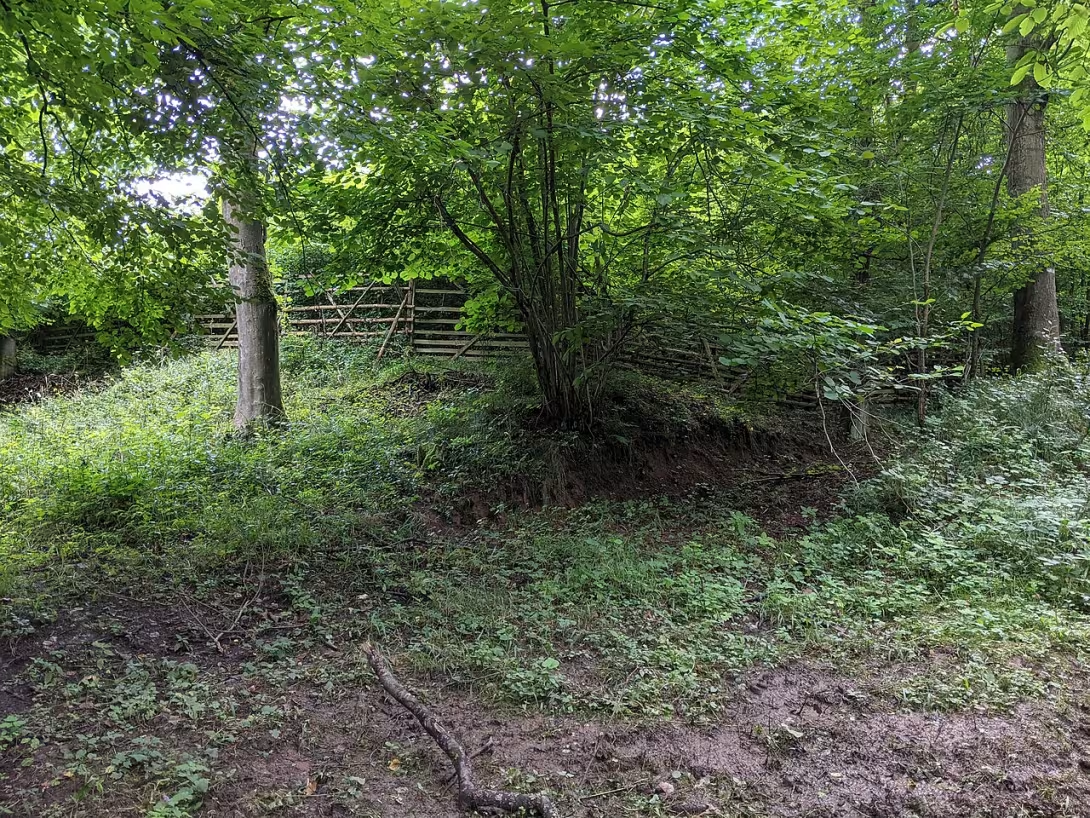
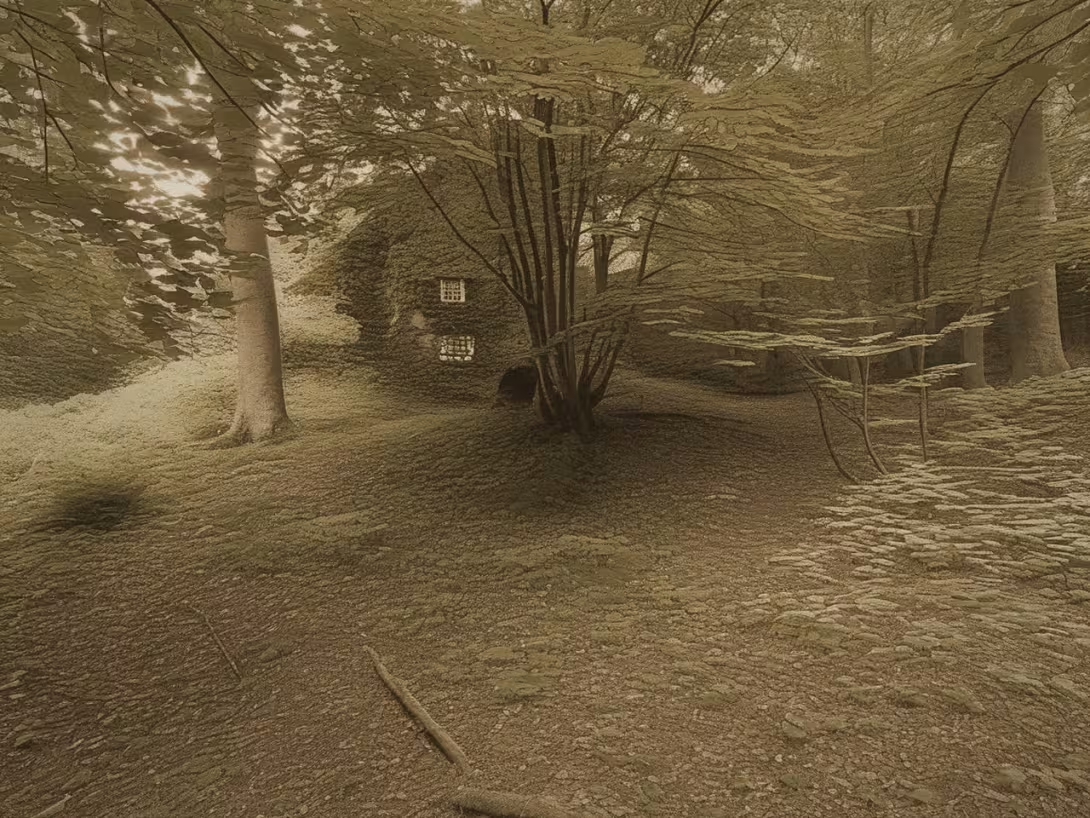
The historical appearance on the left is an AI-generated visualisation and serves as inspiration only.
Historical milestones
- 14th century
- Zámek Hradiště founded as a fortress.
- 1383
- First documented mention of Zámek Hradiště.
- Late 18th century
- Transformation into a late Baroque chateau by Bedřich z Elvenich.
- 1768
- Reconstruction of Zámek Hradiště began.
- 1801
- Reconstruction of Zámek Hradiště completed.
- 1964
- Zámek Hradiště recognized as a cultural monument.
Architectural development
The original fortress was established in the 14th century. It underwent several reconstructions over time, culminating in its transformation into a late Baroque structure at the end of the 18th century by Bedřich z Elvenichu.
Historical events
First documented mention in 1383.
Reconstruction into a late Baroque chateau by Bedřich z Elvenichu between 1768 and 1801.
Owners
Protiva z Kvasejovic (14th century)
Běšinové z Běšin (15th century to 1614)
Jan Karel Bernklau ze Schönreithu (from 1614)
Jan Jaroslav Dlouhoveský z Dlouhé Vsi (from 1652)
Jan Jindřich Schottberger (from 1683)
Adam Ferdinand Khek ze Schwarzbachu (from 1683)
Koci z Dobrše (from 1704)
Antonín Leopold Vidršpergár
Bedřich z Elvenichu (1768–1801)
Kleistové (after 1828)
Points of interest
- Although Zámek Hradiště is renowned for its transformation into a late Baroque chateau, it originally served as a fortress in the 14th century, highlighting its strategic importance long before becoming an architectural marvel.
- The chateau's history includes ownership by Jan Karel Bernklau ze Schönreithu in 1614, a figure whose involvement is less commonly known but pivotal during a time of significant political and social change in Bohemia.
- Zámek Hradiště's architectural evolution was heavily influenced by the broader European artistic trends during Empress Maria Theresa’s reign, reflecting not just local but also imperial cultural currents within its design elements like the baroque portal with wavy lintels.
- Despite being a prominent site today, Zámek Hradiště faced periods of obscurity and potential decline between ownership changes, such as after Jan Jaroslav Dlouhoveský z Dlouhé Vsi's tenure, before its significant reconstruction by Bedřich z Elvenich.
- The six-pillared gates surrounding the chateau’s park are a distinctive feature that not only enhance its aesthetic appeal but also serve as a historical reminder of the estate's integration with the Mlazovský estate under Kleistové in 1828.
Guide
This guide is narrated by a synthetic voice generated by artificial intelligence.
Show guide text
This text was created by artificial intelligence and has not been editorially reviewed. It may contain inaccuracies.
Hradiště is a fortress that was rebuilt into a castle. It stands in the village of the same name near Kolinec in the Klatovy region. The fortress originated in the fourteenth century and served as a noble residence of a small estate. Over the centuries it was rebuilt several times. It acquired its present appearance through a late Baroque reconstruction at the end of the eighteenth century. Since 1964, the castle has been protected as a cultural monument.
The first written mention of the fortress dates from 1383. The village was then divided into two parts and one of them was owned by Protiva of Kvasejovice. In the fifteenth century, Hadřiště was acquired by the Běšinové family of Běšín. It belonged to them until 1614, when Jan Karel Bernklau from Schönreithu became the owner. Then the owners changed quite rapidly. In 1652, Jan Jaroslav Dlouhoveský from Dlouhá Ves arrived. In 1683 the estate was acquired by Jan Jindřich Schottberger and later that same year by Adam Ferdinand Khek from Schwarzbach.
From 1704, Hadřiště belonged to the Kocům family of Dobrše, followed by Antonín Leopold Vidršpergár. Between 1768 and 1801 the estate was owned by Friedrich from Elvenich. It was he who had the old fortress rebuilt into a late Baroque castle. His descendants farmed there until 1828. Then the Kleists acquired Hadřiště and attached it to the Mlázov estate. Until the end of the Second World War, several other owners passed through the castle. In the second half of the twentieth century, the national enterprise Armabeton used the building as a recreation centre.
The castle is a single-storey building with a rectangular floor plan and a mansard roof. The façade is emphasised by a central risalit, which is a protruding central part of the façade. In it is a Baroque portal with a wavy arch. The protected area also includes a park. It is surrounded by a boundary wall with six pillar gates.
Frequently asked questions
Can the monument be visited?
Some buildings of this kind are open for guided tours, others serve another purpose or are privately owned. We have not verified whether and when this monument is open – please ask the operator.
What are the opening hours and admission?
We have not verified the opening hours or admission. Current information is published by the operator.
Where is the monument?
Location: Hradiště, Plzeňský kraj. The map on this page shows the exact spot.
Why is the monument protected?
It is listed in the Central List of Cultural Monuments of the Czech Republic as a cultural monument (register no. 39112/4-2776).
Businesses nearby
Do you run a restaurant, accommodation, shop, museum, rental, wellness or other visitor service near this monument? Show yourself directly to the people heading to it — this is how they will see you in the app and on the web:
Events nearby
Zdroj akcí: otevřená data měst a obcí ČR (Národní katalog otevřených dat) a kalendář akcí Národního památkového ústavu.
Nearby
The chateau is surrounded by a park with an enclosing wall and six-pillared gates. The area features natural landscapes typical of the Plzeňský region.
Accommodation nearby
Themed route
Thematic Walking Tour: Zámek Hradiště and Surroundings
1. Zámek Hradiště (Chateau) - Type: Historical Monument - Why Visit: Begin your journey at the heart of this historic site, Zámek Hradiště, a stunning example of architectural evolution through centuries. Explore its rich history and enjoy panoramic views from its towers that offer insights into the region's past.
2. Castle Park - Type: Natural Landscape - Why Visit: Stroll through the expansive park surrounding the chateau, where you can immerse yourself in serene landscapes typical of the Plzeňský region. The park is a perfect spot for relaxation and photography, with its lush greenery and tranquil atmosphere.
3. Six-Pillared Gates - Type: Architectural Feature - Why Visit: Discover the impressive six-pillared gates that serve as both a historical artifact and an architectural marvel. These gates mark the entrance to the chateau's park and are emblematic of the site’s grandeur and defensive history.
4. Enclosing Wall - Type: Historical Structure - Why Visit: Walk along the enclosing wall, which offers a unique perspective on medieval fortification techniques. This structure not only provided defense but also adds to the mystique and historical ambiance of Zámek Hradiště.
5. Castle Grounds Exploration - Type: Open Area - Why Visit: Conclude your tour by exploring the open grounds around the chateau, where you can enjoy a leisurely walk or sit in one of the quieter spots to reflect on the day's experiences. The area provides an excellent opportunity for a peaceful end to your thematic journey through history and nature.
This walking tour offers a comprehensive experience of Zámek Hradiště and its immediate surroundings, highlighting both historical significance and natural beauty.
Seasonal recommendations
Spring: As the snow melts and nature awakens, Zámek Hradiště is enveloped in a vibrant tapestry of blooming flowers and lush greenery, creating an idyllic setting for visitors. The gentle warmth of spring encourages exploration of the chateau's grounds, where gardens come to life with color and fragrance. During this season, it's advisable to wear layers as temperatures can vary throughout the day. Early mornings or late afternoons are ideal times to visit when fewer people are around, allowing you to fully appreciate the serene atmosphere and picturesque landscapes.
Summer: The summer months bring long days of sunshine that illuminate Zámek Hradiště in a golden hue, enhancing its historic charm. This is the peak tourist season, so expect larger crowds as visitors flock to enjoy the chateau's outdoor spaces and scenic views. To avoid the midday heat and throngs of people, plan your visit for early morning or late afternoon. Comfortable walking shoes and light clothing are recommended, along with sunscreen and a hat to protect against the sun.
Autumn: Autumn transforms Zámek Hradiště into a stunning canvas of reds, oranges, and yellows as leaves change color. The cooler temperatures make it an ideal time for leisurely strolls through the chateau's grounds, capturing the essence of fall in photographs. This season is less crowded than summer but still busy with visitors eager to experience the picturesque scenery. Dressing in layers will keep you comfortable as temperatures can fluctuate, and carrying a light jacket or sweater is advisable.
Winter: In winter, Zámek Hradiště exudes a magical charm under a blanket of snow, offering a unique perspective on its historic architecture. The chateau's grounds are quieter, providing a peaceful retreat from the hustle and bustle of daily life. Dress warmly in layers, including thermal clothing, gloves, and a hat, and consider bringing boots with good traction for snowy paths. Visiting on weekdays can help avoid any remaining holiday crowds.
Visualizations and artistic views


The visualisations are generated by artificial intelligence and serve as inspiration.
Photos from the area
Real photos taken near the monument


Zdroj a licence jsou uvedeny u každého snímku.
Atmosphere of the place
This atmospheric visualisation of the place and period was generated by artificial intelligence. It is not real footage of the location.
Tips from visitors
No tips yet. Be the first!
Log in and add your tip.
Sources and literature
Faktickým podkladem tohoto textu byl článek na Wikipedii, jehož autory jsou přispěvatelé Wikipedie. Článek je dostupný pod licencí CC BY-SA 4.0.
Location on the map
More monuments – Hradiště
Show all in the municipality


Příběhy a pověsti
Legendy, pověsti a příběhy spjaté s touto památkou
Fotografie návštěvníků
Zatím žádné fotografie. Buďte první, kdo přidá fotografii z návštěvy!
Log in a přidejte svou fotografii nebo hodnoťte.
Za ověřenou návštěvu v aplikaci získáte víc bodů — poznáme podle GPS, že jste na místě.
Reviews and comments