






Zámek Jezeří Chateau
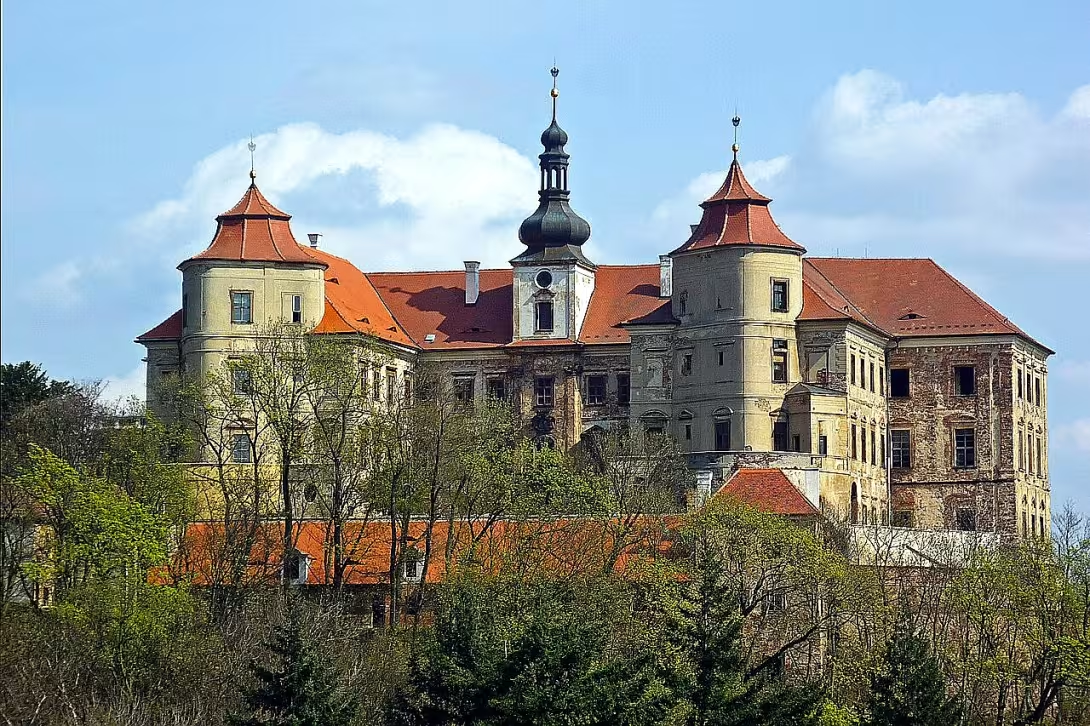
Zámek Jezeří stands as a remarkable testament to architectural evolution and historical significance in the Czech Republic's Ore Mountains. Originally constructed as a medieval fortress between 1355 and 1365 by Nevlas ze Rvenic, it was later transformed into a Renaissance chateau by Mikuláš Hochhauser in 1549. The site is notable not only for its strategic location near mining operations but also for its designation as a national cultural monument since July 1, 2023. Its rich history and architectural blend make Zámek Jezeří an essential visit for those interested in the region's past.
The origins of Zámek Jezeří are deeply rooted in the medieval period when Bohemia was part of the Holy Roman Empire. The chateau's initial construction as a fortress by Nevlas ze Rvenic marked its strategic importance, particularly due to nearby iron mining activities that influenced its original name, Eisenberg or "Iron Mountain." Ownership passed through various notable figures, including Petr z Perče and Albrecht z Kolovrat, before Mikuláš Hochhauser's significant transformation of the structure into a Renaissance chateau. This period was characterized by political and economic changes that shaped the region's development.
Architecturally, Zámek Jezeří showcases a fascinating blend of styles. Initially built as a medieval fortress, it underwent substantial modifications under Mikuláš Hochhauser in 1549, transitioning to a Renaissance aesthetic. Further Baroque elements were added around 1627, reflecting the evolving tastes and influences of its time. Despite suffering extensive damage from a fire in 1646, which necessitated provisional repairs, the chateau remains an impressive example of architectural adaptation.
Throughout its history, Zámek Jezeří has seen numerous owners and administrators who have left their mark on its legacy. After Mikuláš Hochhauser's transformation, ownership passed through various hands, including Vilém Popel z Lobkovic, who expanded the estate and commissioned Baroque renovations. The chateau's fortunes changed dramatically in 1623 when it was confiscated from Jan Mikuláš Hochhauser due to his involvement in the Bohemian Revolt, illustrating the turbulent political landscape of the era.
Key events at Zámek Jezeří highlight its historical significance. The transformation into a Renaissance structure by Mikuláš Hochhauser and subsequent Baroque modifications underscore the chateau's architectural evolution. Additionally, the 1646 fire that devastated much of the complex is a poignant reminder of the challenges faced in preserving such heritage sites.
Today, Zámek Jezeří stands as a cultural treasure under the care of the National Heritage Institute, accessible to the public and offering insights into its storied past. Visitors can explore not only the chateau itself but also the surrounding park and arboretum, which enhance its historical ambiance. The site's proximity to Komořanské jezero (Komořany Lake) adds to its allure, making it a worthwhile destination for those interested in history, architecture, and nature.
Zámek Jezeří embodies the rich tapestry of Czech history and architectural innovation. Its journey from a medieval fortress to a Renaissance chateau reflects broader historical narratives and cultural shifts. As a national cultural monument, it invites visitors to delve into its past and appreciate its enduring legacy. Whether drawn by its historical significance or architectural beauty, Zámek Jezeří promises an enriching experience for all who explore its grounds.
Then and now
Drag the slider to compare how the landmark may have looked when it was built with the view today.
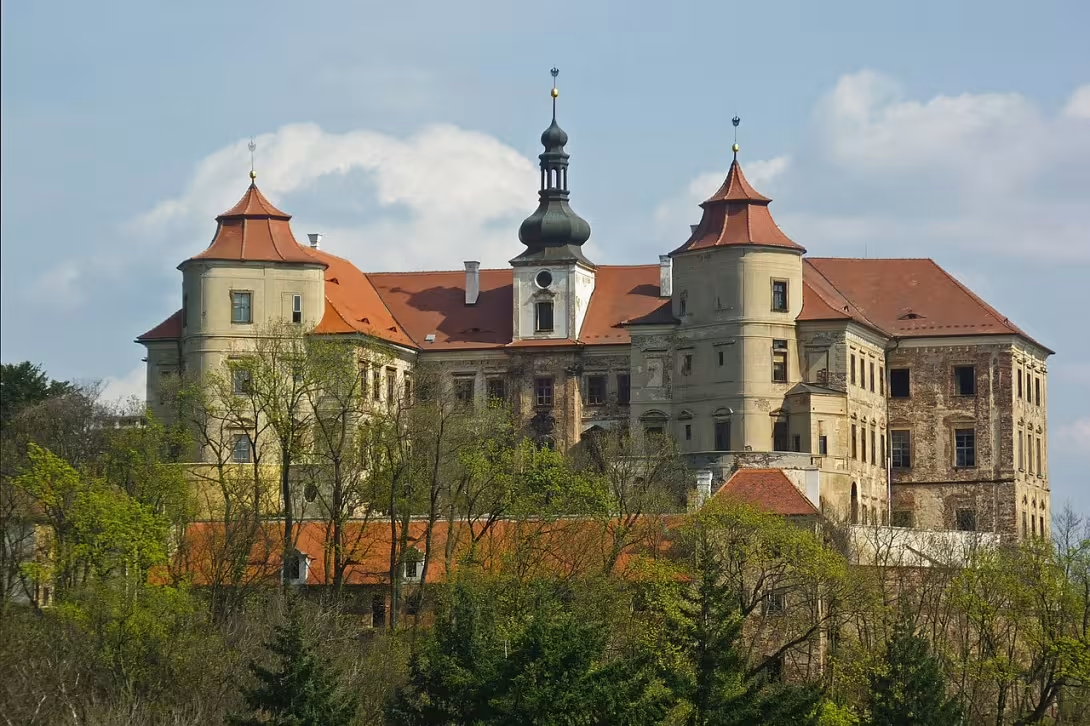

The historical appearance on the left is an AI-generated visualisation and serves as inspiration only.
Historical milestones
- 1355-1365
- The Jezeří Chateau was built as a medieval fortress.
- 1549
- Mikuláš Hochhauser transformed the chateau into a Renaissance chateau.
- 1623
- The chateau was confiscated due to participation in the Bohemian Revolt.
- 1627
- Baroque elements were added to the chateau's architecture.
- 1646
- The chateau suffered a fire that caused extensive damage.
- 2023
- The chateau was declared a national cultural monument.
Architectural development
Originally built as a medieval fortress between 1355 and 1365, Zámek Jezeří underwent significant transformation into a Renaissance chateau by Mikuláš Hochhauser in 1549. The structure was further modified with Baroque elements around 1627. A major fire in 1646 caused extensive damage, leading to provisional repairs.
Historical events
The chateau was transformed into a Renaissance structure by Mikuláš Hochhauser in 1549.
In 1623, the estate was confiscated from Jan Mikuláš Hochhauser due to his involvement in the Bohemian Revolt.
Owners
Nevlas ze Rvenic (1355-1365)
Petr z Perče (before 1407)
Albrecht z Kolovrat (1410–1413)
Jan Smolík ze Slavic (from 1416)
Zikmund ze Slavic (1459)
Mikuláš Hochhauser z Hochhazu (1513)
Points of interest
- Zámek Jezeří was originally named Eisenberg or "Iron Mountain," reflecting its proximity to important iron mining operations during the medieval period.
- The chateau underwent a significant transformation into a Renaissance structure in 1549 by Mikuláš Hochhauser, marking one of the many architectural evolutions it experienced over centuries.
- In 1623, Zámek Jezeří was confiscated from Jan Mikuláš Hochhauser due to his involvement in the Bohemian Revolt, highlighting its role in the turbulent political landscape of early modern Europe.
- Despite suffering extensive damage from a fire in 1646, which necessitated provisional repairs, the chateau has been preserved as an impressive example of architectural adaptation and resilience.
- The National Heritage Institute now manages Zámek Jezeří, ensuring it remains accessible to the public and allowing visitors to explore not only its historical structures but also the surrounding park and arboretum.
Guide
This guide is narrated by a synthetic voice generated by artificial intelligence.
Show guide text
This text was created by artificial intelligence and has not been editorially reviewed. It may contain inaccuracies.
Jezeří is a castle converted into a chateau. It stands on the slopes of the Krušné Mountains in the Most district, roughly twelve kilometers southwest of Litvínov, in the settlement of Jezeří, which belongs to Horní Jiřetín. The chateau rises directly above the Lom ČSA quarry, less than five hundred meters from its edge. It has been a cultural monument since 1963, and since July first, 2023, it has been a national cultural monument together with the nearby arboretum.
The original German name Eisenberg means Iron Mountain and recalls the mining of iron ore. The name Jezeří began to be used only in the nineteenth century. It is connected with the Komořanské Lake, which once lay below the castle. According to it, some of the lords from Rvenic gave themselves the epithet de Lacu or de Zee.
The castle was built between 1355 and 1365 by Nevlas of Rvenic. His sons sold it before 1407, and the owners changed hands several times. From 1416, the castle belonged to the lords of Slavic.
The most dramatic story is connected with Kunz of Kaufunk. In 1455 he abducted the sons of the Elector Frederick the Second from the Saxon castle of Altenburk. During his flight he was wounded and captured, and a few days later he was beheaded in Freiberg for violating the peace of the land. King George of Poděbrady then feared a Saxon attack on Jezeří, where Kunz's wife and children lived, and he preferred to occupy the castle.
In 1513 Zikmund of Slavic bequeathed Jezeří to his brother-in-law Mikuláš Hochhauser of Hochhaz. Mikuláš had the old castle converted into a Renaissance chateau in 1549. His descendants divided the estate, bought and sold it among themselves, and one of them, Václav, fell in 1596 during a campaign to Hungary.
Jan Mikuláš of Hochhazu took part in the Estates Rebellion, so his estate was confiscated in 1623. Vilém the Younger Popel of Lobkovic acquired it in pledge for a loan of ten thousand guilders. Jezeří then included a farmyard, vineyards, and a number of villages. Vilém further expanded the estate and in 1627 had the chateau renovated in the Baroque style. In February 1646, however, a major fire broke out. It destroyed all the buildings except the servants' quarters and the stables. The damage was repaired only provisionally, and the nobility moved to the chateau in Nové Sedlo.
Frequently asked questions
Can the monument be visited?
Yes. We verified the opening hours or admission on the official website (24. 9. 2026); you will find them in the visitor information on this page. Please double-check with the operator before you travel.
What are the opening hours and admission?
Details verified on the official website (24. 9. 2026) are listed in the visitor information on this page. Official website: https://www.zamek-jezeri.cz/cs
Where is the monument?
Location: Jezeří č.p. 1, Horní Jiřetín, Ústecký kraj. The map on this page shows the exact spot.
Why is the monument protected?
It is listed in the Central List of Cultural Monuments of the Czech Republic as a national cultural monument (register no. 487).
Businesses nearby
Do you run a restaurant, accommodation, shop, museum, rental, wellness or other visitor service near this monument? Show yourself directly to the people heading to it — this is how they will see you in the app and on the web:
Natáčelo se zde
- Svět pod hlavou seriál
Zdroj: Wikidata (vlastnost „místo natáčení“) · Všechna filmová místa
Events nearby
Zdroj akcí: otevřená data měst a obcí ČR (Národní katalog otevřených dat) a kalendář akcí Národního památkového ústavu.
Nearby
Zámek Jezeří is surrounded by the Ore Mountains and features a nearby arboretum. The landscape includes historical mining sites such as Lom ČSA.
Accommodation nearby
Themed route
Jezeří Castle Day Trip
Explore the historic Zámek Jezeří and its surroundings in the Ore Mountains. This 3-5 point itinerary will take you through a mix of history, nature, and culture.
1. Zámek Jezeří (Chateau Jezeří) - This stunning Baroque chateau is the main attraction of the day. Explore its grand halls, gardens, and learn about its rich history. 2. Arboretum - Just a short walk from the chateau, the arboretum features a beautiful collection of trees and plants. Take a leisurely stroll and enjoy the peaceful surroundings. 3. Lom ČSA (ČSA Mine) - Visit the historic mining site and learn about the region's industrial past. The mine operated from the 16th to the 20th century and played a significant role in the local economy. 4. Zámecký park (Castle Park) - Take a walk through the park surrounding the chateau and enjoy the scenic views of the Ore Mountains. The park features several walking trails and a picturesque pond.
This itinerary offers a mix of history, nature, and culture, making it a perfect day trip from Most.
Seasonal recommendations
Jaro
In the spring season, Jezeří Chateau is surrounded by greenery and flowers, creating a pleasant atmosphere. The lighting is also unique, being soft and warm, evoking a delightful sense of spring awakening. If you plan to visit during the spring season, we recommend arriving early in the morning to avoid crowds and fully enjoy the tranquil atmosphere.
Léto
During the main summer season, Jezeří Chateau is crowded with tourists, so it's best to arrive early in the morning to avoid large crowds. The atmosphere in summer is relaxed and sunny, making it ideal for exploring the chateau and its surroundings. Don't forget to bring a sun hat and water to protect yourself from uncomfortable sunlight.
Podzim
In autumn, Jezeří Chateau is surrounded by the colors of fall nature, creating a beautiful atmosphere. The lighting is also unique, being soft and warm, evoking a pleasant sense of autumn tranquility. If you plan to visit during the autumn season, we recommend arriving in the late afternoon to avoid crowds and fully enjoy the tranquil atmosphere.
Zima
In winter, Jezeří Chateau is closed and open only for limited hours, so it's best to check opening times in advance. The atmosphere in winter is calm and quiet, making it ideal for exploring the chateau and its surroundings. Don't forget to bring warm clothing and boots to protect yourself from uncomfortable cold temperatures.
Visualizations and artistic views


The visualisations are generated by artificial intelligence and serve as inspiration.
Photos from the area
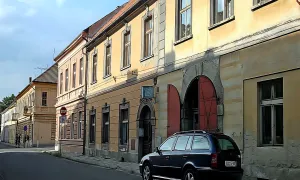
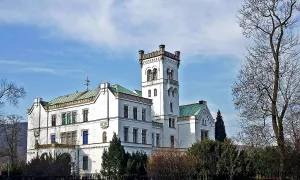
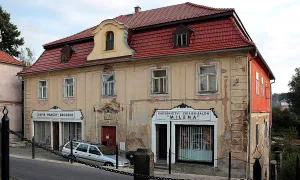
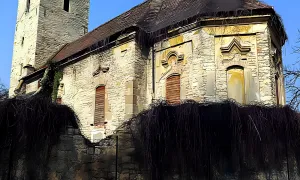
Real photos taken near the monument

Zdroj a licence jsou uvedeny u každého snímku.
Tips from visitors
No tips yet. Be the first!
Log in and add your tip.
Sources and literature
Photos: SchiDD / CC BY-SA 4.0 — Wikimedia Commons. The author and licence also appear when you hover over the image.
Faktickým podkladem tohoto textu byl článek na Wikipedii, jehož autory jsou přispěvatelé Wikipedie. Článek je dostupný pod licencí CC BY-SA 4.0.
Location on the map

Příběhy a pověsti
Legendy, pověsti a příběhy spjaté s touto památkou
Fotografie návštěvníků
Zatím žádné fotografie. Buďte první, kdo přidá fotografii z návštěvy!
Log in a přidejte svou fotografii nebo hodnoťte.
Za ověřenou návštěvu v aplikaci získáte víc bodů — poznáme podle GPS, že jste na místě.
Reviews and comments