






zámek Jinonice Chateau
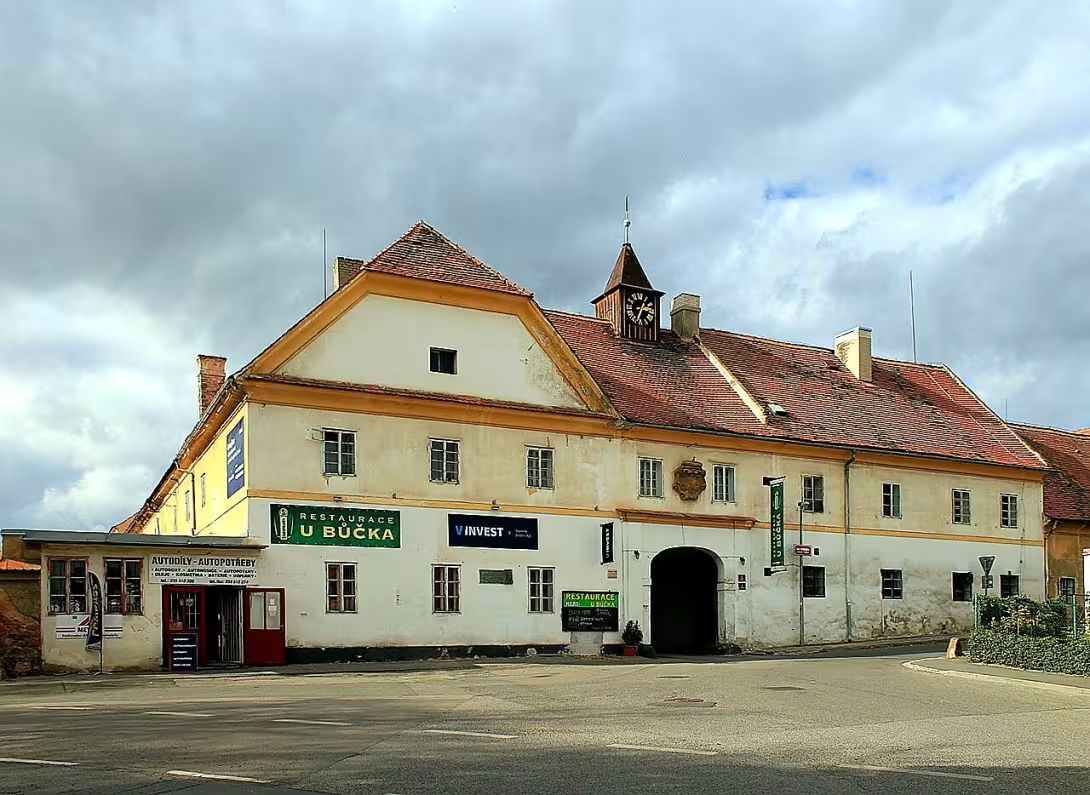
Zámek Jinonice is an architectural monument in the Prague district of Jinonice, known for its early Baroque style. Originally a manor house from 1088, it evolved into a castle over centuries and has been protected as a cultural heritage site since May 3, 1958. The estate holds historical significance due to its blend of architectural styles and notable figures associated with its ownership.
The origins trace back to a manor house first mentioned in 1088. Over time, it transformed into a castle, although records are sparse until 1621 when Albrecht Pfefferkorn z Otopachu was posthumously condemned for his role in the anti-Habsburg uprising. The original structure faced destruction during the Thirty Years' War but was later rebuilt and expanded. By the late 17th century, under Jan Adolf ze Schwarzenberg's direction, it adopted Baroque elements, reflecting broader European architectural trends of grandeur and detail.
Architecturally, Zámek Jinonice showcases a transition from its early manor house form to a Baroque-style castle by 1685. This transformation was marked by the introduction of elaborate designs typical of the period. In 1815, the estate underwent Classical renovations, further diversifying its architectural narrative. Despite these changes, parts of the original structures were lost or repurposed over time.
Ownership saw several notable figures and dramatic shifts. After the Thirty Years' War, Pavel Michna z Vacínova acquired the estate and is credited as the founder of the current castle structure. His son, Václav Michna z Vacínova, succeeded him before it passed to Jiří Ludvík von Sinzendorf, who faced financial difficulties. Eventually, Ferdinand ze Schwarzenberg purchased the property through an auction, leaving a lasting legacy commemorated by a memorial plaque at the entrance.
Key events include Albrecht Pfefferkorn z Otopachu's posthumous condemnation in 1621 and significant architectural changes in 1685 and 1815. An archaeological excavation in 2018 uncovered remnants of the original manor house, providing insights into its early history.
Today, Zámek Jinonice is partially accessible to the public, featuring restaurants and businesses within its grounds. While some historical structures have been demolished or repurposed for modern developments like residential complexes, the site retains elements of its past grandeur. The area around the castle includes contemporary neighborhoods such as Botanica Vidoule, reflecting a blend of history and modernity.
Zámek Jinonice offers visitors a glimpse into Bohemia's rich architectural and historical tapestry. Its evolution from a medieval manor to a Baroque castle encapsulates significant cultural shifts over centuries. Visitors are invited to explore this site, where the layers of history continue to unfold amidst its preserved and repurposed structures.
Then and now
Drag the slider to compare how the landmark may have looked when it was built with the view today.
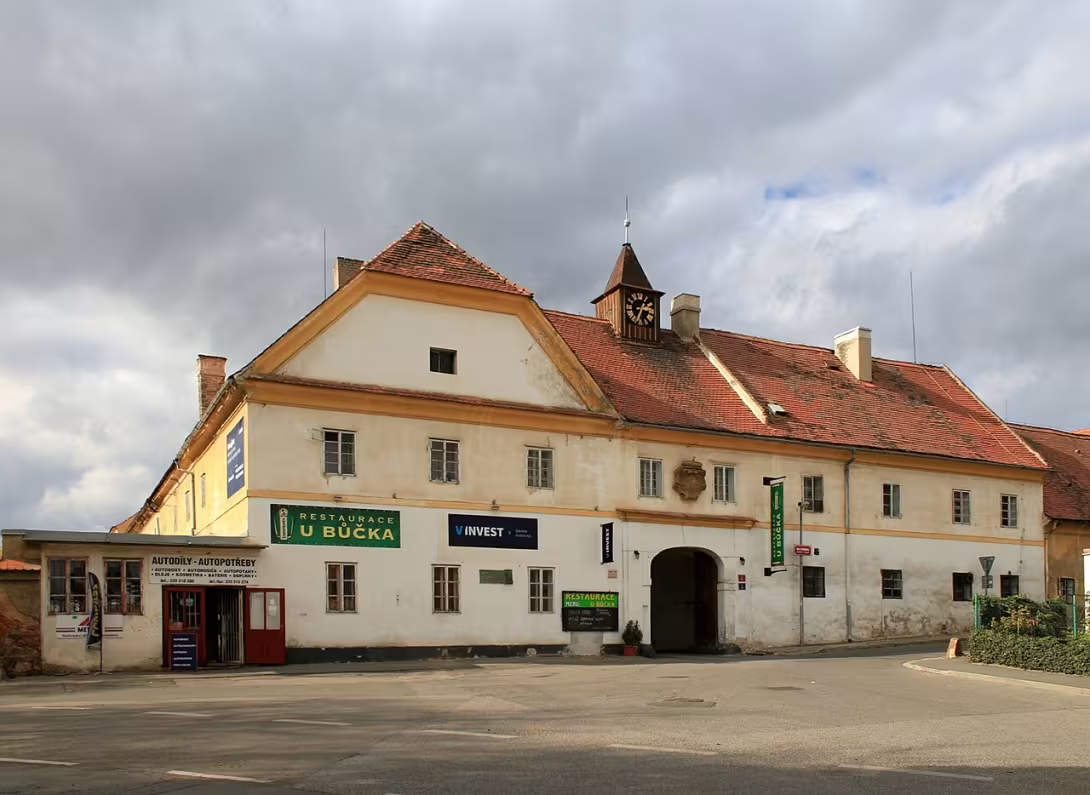
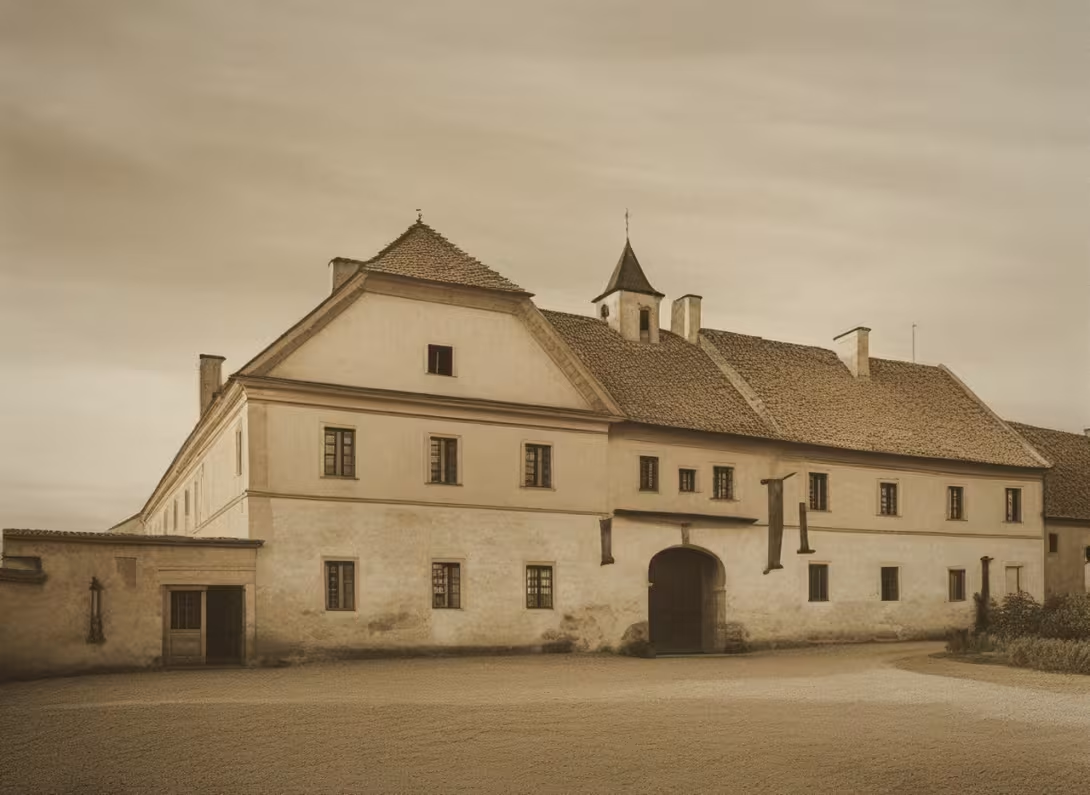
The historical appearance on the left is an AI-generated visualisation and serves as inspiration only.
Historical milestones
- 1621
- Albrecht Pfefferkorn z Otopachu was posthumously condemned.
- 1685
- Jan Adolf ze Schwarzenberg rebuilt the estate with Baroque elements.
- 1815
- The castle underwent Classical renovations.
Architectural development
The original manor house was destroyed during the Thirty Years' War and later transformed into a Baroque-style castle by Jan Adolf ze Schwarzenberg in 1685. In 1815, it received Classical modifications. Over time, parts of the estate were demolished or repurposed for modern developments.
Historical events
1621: Albrecht Pfefferkorn z Otopachu was posthumously condemned for his role in the anti-Habsburg uprising.
1685: Jan Adolf ze Schwarzenberg rebuilt the estate, introducing Baroque elements.
1815: The castle underwent Classical renovations.
Owners
Pavel Michna z Vacínova (after Thirty Years' War)
Václav Michna z Vacínova
Jiří Ludvík von Sinzendorf
Ferdinand ze Schwarzenbergu (acquired through auction)
Schwarzenberg family until 1945
Points of interest
- The castle's transformation from a manor house to a Baroque-style structure by 1685 is particularly intriguing because it reflects the broader European architectural trend of incorporating grandeur and intricate details during that period.
- Despite its long history, the original records of Zámek Jinonice are sparse until 1621. This gap in documentation adds an air of mystery surrounding the castle's early years and the events leading up to Albrecht Pfefferkorn z Otopachu's posthumous condemnation for his involvement in anti-Habsburg activities.
- In a surprising twist, the estate was auctioned off due to financial difficulties faced by Jiří Ludvík von Sinzendorf. This led to Ferdinand ze Schwarzenberg acquiring Zámek Jinonice, which is commemorated today with a memorial plaque at the entrance—a nod to his lasting impact on the property.
- An archaeological excavation in 2018 revealed remnants of the original manor house, providing new insights into its early history. These findings highlight how layers of the past continue to be uncovered, adding depth to our understanding of Zámek Jinonice's origins and evolution.
- Today, while some historical structures have been demolished or repurposed for modern developments like residential complexes, elements of Zámek Jinonice’s past grandeur remain. This juxtaposition of history with contemporary neighborhoods such as Botanica Vidoule offers a unique blend that reflects both the castle's storied past and its adaptation to modern times.
Guide
This guide is narrated by a synthetic voice generated by artificial intelligence.
Show guide text
This text was created by artificial intelligence and has not been editorially reviewed. It may contain inaccuracies.
Welcome to the historic Zámek Jinonice, nestled in the serene district of Jinonice within Prague's embrace. As you stand here, take a moment to absorb the grandeur that unfolds before your eyes—an architectural monument steeped in history and culture.
The story of this castle begins as far back as 1088 when it was first established as a manor house. Over time, through centuries of transformation, it evolved into the majestic structure you see today. The estate has been recognized for its cultural significance since May 3, 1958, safeguarding its legacy for future generations.
As you gaze upon Zámek Jinonice, notice how it embodies the early Baroque style—a testament to its architectural evolution. By 1685, under the guidance of Jan Adolf ze Schwarzenberg, the estate was reborn with grand Baroque elements that reflect a broader European trend during this era. The intricate details and imposing presence invite you to explore further.
The castle's history is rich with intriguing tales and notable figures. In 1621, Albrecht Pfefferkorn z Otopachu faced posthumous condemnation, marking a tumultuous period in the estate’s past. Despite being ravaged during the Thirty Years' War, Zámek Jinonice rose from its ashes, undergoing various ownerships and transformations. By 1815, it embraced Classical renovations, adding another layer to its storied history.
Among the historical figures associated with this place are Pavel Michna z Vacínova, Václav Michna z Vacínova, Jiří Ludvík von Sinzendorf, Ferdinand ze Schwarzenbergu, and Jan Adolf ze Schwarzenbergu. Each contributed to its legacy in unique ways, weaving a tapestry of stories that echo through the halls.
One fascinating aspect of Zámek Jinonice is how it mirrors the broader architectural trends of Europe during its transformation into a Baroque-style structure by 1685. This change reflects not only an aesthetic shift but also the cultural and historical currents of the time, making it a captivating subject for exploration.
As you continue your journey through this historic site, let your imagination wander and delve deeper into its past. Zámek Jinonice is more than just walls and stones; it's a living narrative waiting to be discovered. We invite you to explore further, uncovering the secrets that lie within its storied grounds. Thank you for visiting, and may your journey through history here inspire endless curiosity.
Tips for visitors
The best time to visit Zámek Jinonice is during the late spring or early autumn months, when the weather is pleasant for exploring both the castle grounds and its surrounding park. These seasons offer vibrant natural scenery without the peak summer crowds, allowing visitors a more tranquil experience. The soft light of these periods also enhances the architectural beauty of the Baroque-style castle.
Always check current transport options online before your visit for the most efficient route.
When planning your visit, consider bringing comfortable walking shoes as there are several paths to explore within the park and around the castle grounds. Given the historical nature of Zámek Jinonice, a camera is recommended to capture its architectural details and the serene park environment. A light jacket or sweater might also be useful, especially in the cooler months.
For photography enthusiasts, early morning or late afternoon provides the best natural lighting for capturing the castle's features and the surrounding landscape. The gazebo within the historical park can offer a picturesque spot with soft shadows and warm hues during these times. Exploring different angles around the castle will reveal unique perspectives of its Baroque architecture.
Within 30 minutes, visitors can explore other attractions such as the Botanica Vidoule neighborhood for a modern contrast to the historic castle. This area offers green spaces and contemporary residential designs that provide an interesting juxtaposition to Jinonice's historical charm. For families with children, the park surrounding Zámek Jinonice is ideal for leisurely walks or picnics, allowing kids to enjoy open spaces while adults appreciate the site’s history.
Frequently asked questions
Can the monument be visited?
Some buildings of this kind are open for guided tours, others serve another purpose or are privately owned. We have not verified whether and when this monument is open – please ask the operator.
What are the opening hours and admission?
We have not verified the opening hours or admission. Current information is published by the operator.
Where is the monument?
Location: Na Vidouli 1, Jinonice, Praha, Hlavní město Praha. The map on this page shows the exact spot.
Why is the monument protected?
It is listed in the Central List of Cultural Monuments of the Czech Republic as a cultural monument (register no. 40303/1-1365).
Businesses nearby
Do you run a restaurant, accommodation, shop, museum, rental, wellness or other visitor service near this monument? Show yourself directly to the people heading to it — this is how they will see you in the app and on the web:
Events nearby

Zdroj akcí: otevřená data měst a obcí ČR (Národní katalog otevřených dat) a kalendář akcí Národního památkového ústavu.
Nearby
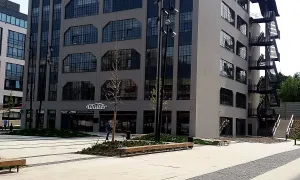
The area around Zámek Jinonice includes modern residential developments, such as the Botanica Vidoule neighborhood. Historically, it featured a castle park with an early Classical gazebo.
Accommodation nearby
Trips and activities nearby
Guided tours, tickets and activities nearby from GetYourGuide
Affiliate link: if you buy from the partner, we may receive a commission. The price for you does not change.
Search tours and activities →Themed route
Tematická výletní trasa zámek Jinonice
1. Zámek Jinonice (zámek) Začni svou cestu u samotného Zámku Jinonice, který je jednou z nejkrásnějších renesančních stavb v České republice. Představuje historický dům paní Kateřiny Šternberkovny a je známý svými impresivními interiéry, zahrady a parkem. Navštív tuto památku, užij si krásnou architekturu a pohledy na okolní krajinu.
2. Park Zámku Jinonice (park) Podívej se do parku zámku, který je součástí historického areálu. Park nabízí krásné procházky mezi stromy a květinovými sady, což poskytuje ideální prostředí k relaxaci a užívání si přírody. Je to perfektní místo pro piknik nebo jen pro chvíli klidu.
3. Klasicistní gazebo (historická památka) V parkové zahradě se nachází zajímavý klasicistní gazebo, který je připomínkou raně klassických architektonických stylů. Je to krásný malý útulek pro odpočinek a ideální místo k fotografování. Gazebo představuje historii zámku a jeho parku, což ho činí zajímavou stopou na trase.
4. Botanica Vidoule (moderní obytný komplex) Po procházce v parku se podívej do moderního obytného komplexu Botanica Vidoule, který je nedaleko zámku. Tento komplex představuje současnou architekturu a urbanistickou integraci s historickým prostředím. Je to zajímavá kontrastní část trasy, kde se můžeš dozvědět více o moderním životu v okolí starého zámku.
Tato trasa nabízí kombinaci historických a moderních prvků, což umožňuje poznat jak minulost, tak současnost oblasti kolem Zámku Jinonice.
Seasonal recommendations
Spring: Visiting the Jinonice Castle during spring offers a picturesque experience as nature awakens with vibrant colors and blooming flowers surrounding the estate. The gentle warmth of the season enhances the beauty of the gardens, creating an inviting atmosphere for leisurely strolls. Practical advice includes wearing comfortable layers to accommodate the mild but sometimes unpredictable weather, while arriving early can help avoid larger crowds that gather to enjoy the blossoms.
Summer: Summer at Jinonice Castle is characterized by lush greenery and extended daylight hours, perfect for exploring its historical architecture under the bright sun. The castle grounds are particularly lively during this time, with gardens in full bloom and a more active wildlife presence. Visitors should dress in light clothing to stay cool and consider arriving early or later in the afternoon to avoid peak visitor times, ensuring a more relaxed visit.
Autumn: Autumn transforms Jinonice Castle into a stunning display of warm hues as leaves change color, offering a serene and magical atmosphere. The cooler temperatures make it an ideal time for photography enthusiasts looking to capture the castle's beauty against a backdrop of fall foliage. Visitors are advised to wear layers to adjust comfortably to varying temperatures throughout the day and enjoy the quieter visiting hours compared to summer.
Winter: Jinonice Castle in winter presents a unique charm with its snow-covered landscapes, offering a quiet, almost mystical experience as the grounds take on a serene white blanket. The atmosphere is cozy, enhanced by shorter daylight hours which create dramatic lighting for photography. Practical tips include dressing warmly in layers and checking opening times, as they may be reduced during this season. Arriving early can help ensure you make the most of your visit before any potential closures due to weather conditions.
Visualizations and artistic views


The visualisations are generated by artificial intelligence and serve as inspiration.
Photos from the area
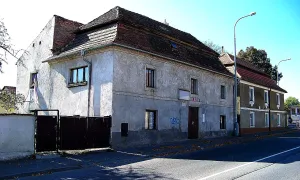
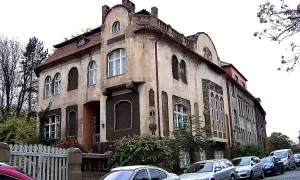
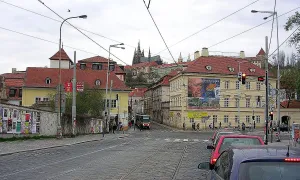
Real photos taken near the monument

Zdroj a licence jsou uvedeny u každého snímku.
Tips from visitors
No tips yet. Be the first!
Log in and add your tip.
Sources and literature
Photos: VitVit / CC BY-SA 4.0 — Wikimedia Commons. The author and licence also appear when you hover over the image.
Faktickým podkladem tohoto textu byl článek na Wikipedii, jehož autory jsou přispěvatelé Wikipedie. Článek je dostupný pod licencí CC BY-SA 4.0.
Location on the map
Příběhy a pověsti
Legendy, pověsti a příběhy spjaté s touto památkou

Fotografie návštěvníků
Zatím žádné fotografie. Buďte první, kdo přidá fotografii z návštěvy!
Log in a přidejte svou fotografii nebo hodnoťte.
Za ověřenou návštěvu v aplikaci získáte víc bodů — poznáme podle GPS, že jste na místě.
Reviews and comments