



Zámek Kamenná Chateau
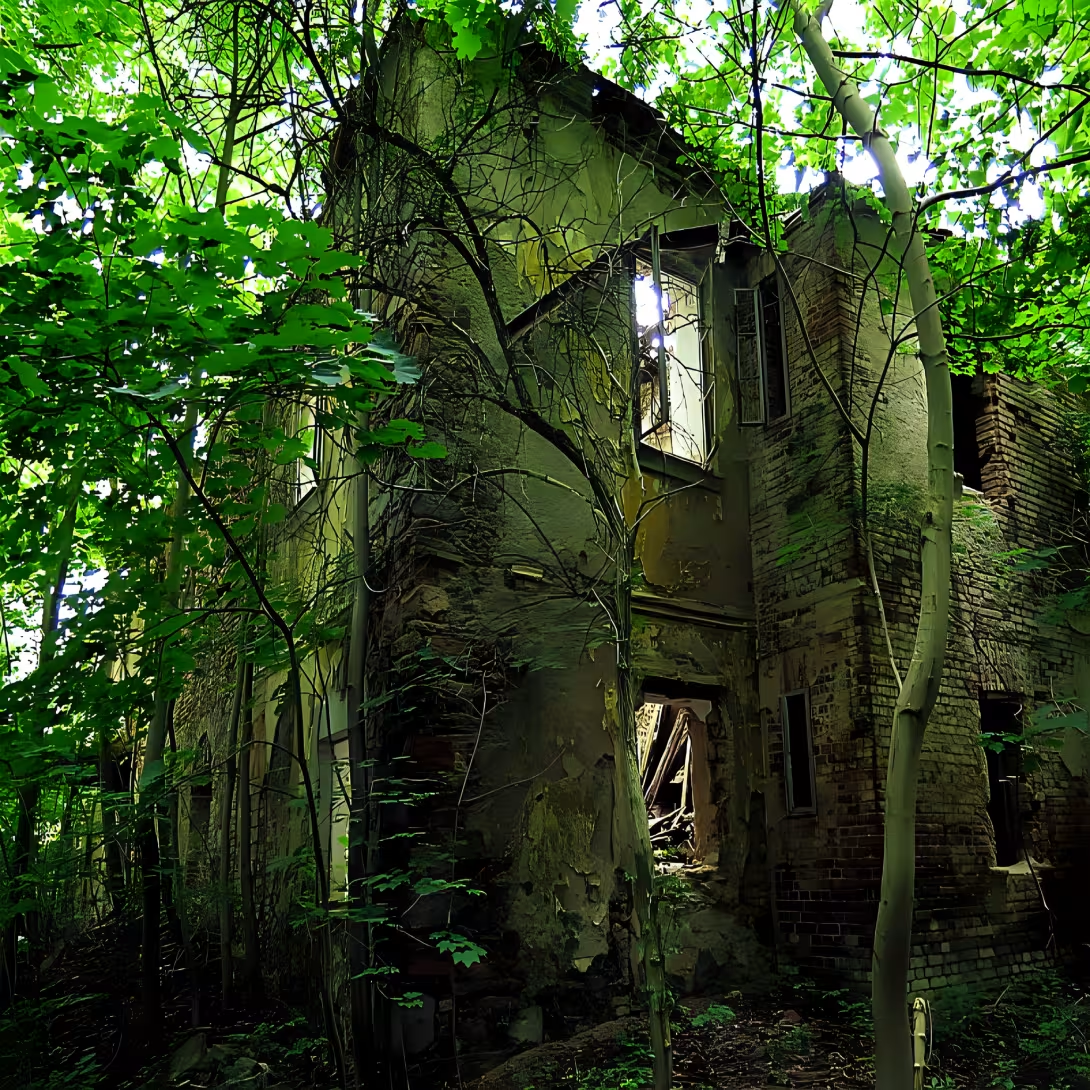
Zámek Kamenná is a Renaissance castle ruin in the village of Kamenná, part of Milín municipality within the Středočeský kraj region. Built in the late 16th century and later renovated in the Baroque style during the latter half of the 18th century, this historical site has been recognized as a cultural heritage monument since 1958. Despite its current dilapidated state due to financial constraints on restoration, Zámek Kamenná remains notable for its architectural evolution and historical significance.
The origins of Zámek Kamenná trace back to the late 16th century when it was constructed in the Renaissance style, reflecting Bohemia's cultural influences as part of the Habsburg Monarchy. This period marked significant changes across Europe with the Renaissance movement introducing new architectural styles and ideas. The castle's initial construction set the stage for its later transformations, mirroring broader European trends.
Architecturally, Zámek Kamenná began as a single-story building with an oblong floor plan typical of Renaissance design. It underwent significant changes in the latter half of the 18th century when Jan Dominik Krumpholtz initiated Baroque renovations. These modifications added grandeur and complexity, aligning with the ornate characteristics of the Baroque period. The early 19th century saw further expansions in a Classical style under Jan Arnošt Fleisner's ownership.
Ownership of Zámek Kamenná has seen several notable figures throughout history. After Krumpholtz's renovations, Matyáš Wagner z Angerburgu acquired it in 1788. The castle continued to change hands, with Richard Clam Martinic owning it towards the end of the 19th century. In 1895, Kocián Hernych became its owner, followed by Otakar Brdlík in 1910, who later co-owned it with his son-in-law Mirko Uher. The post-1950 era marked a significant shift when the castle was nationalized and fell into disrepair.
Key events at Zámek Kamenná include a devastating fire in 1921 that destroyed a sheep barn on its premises. This incident, along with subsequent neglect after nationalization, contributed to the castle's current state of degradation. Despite these challenges, efforts were made to preserve its cultural value, leading to its designation as a protected site in 1958.
Today, Zámek Kamenná stands as a testament to its rich history and architectural evolution, though it remains in a dilapidated condition due to financial limitations on restoration. The surrounding English-style park, which underwent revitalization in 2018, adds to the site's appeal. While access may be restricted due to safety concerns, the castle's historical significance makes it a worthwhile visit for those interested in exploring its history.
Zámek Kamenná offers a unique glimpse into the architectural and cultural transformations that have shaped this region over centuries. Its preservation as a cultural heritage site underscores its importance, inviting visitors to reflect on the past while contemplating the challenges of maintaining such historical treasures for future generations.
Then and now
Drag the slider to compare how the landmark may have looked when it was built with the view today.
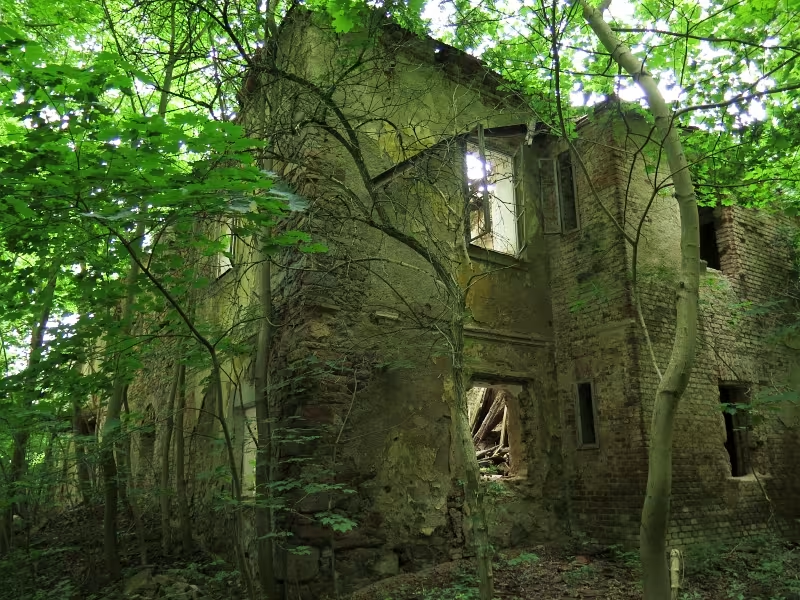

The historical appearance on the left is an AI-generated visualisation and serves as inspiration only.
Historical milestones
- end of the 16th century
- The Kamenná Castle was built in Renaissance style.
- mid-18th century
- Baroque renovation of the castle under Jan Dominik Krumphultz.
- 1788
- Matyáš Wagner from Angerburg became the owner of the castle.
- 1895
- Kocián Hernych acquired ownership of the castle.
- 1921
- The castle suffered a fire that destroyed the sheepfold.
- 1958
- The castle was recognized as a cultural monument.
Architectural development
Zámek Kamenná was originally built in Renaissance style during the late 16th century. It experienced Baroque renovations in the latter half of the 18th century under Jan Dominik Krumpholtz's ownership. The early 19th century saw Classical expansions, and further modifications were made by subsequent owners throughout the 19th and early 20th centuries.
Historical events
In the late 16th century, Zámek Kamenná was constructed in Renaissance style.
The castle underwent Baroque renovations in the latter half of the 18th century.
A fire destroyed a sheep barn on the premises in 1921.
Post-1989, the castle transitioned to private ownership.
Owners
The castle was initially built in the late 16th century. In the 18th century, it belonged to Jan Dominik Krumpholtz and later Matyáš Wagner z Angerburgu from 1788. It was expanded in a Classical style in the early 19th century by Jan Arnošt Fleisner, followed by ownership under Landerville and Richard Clam Martinic towards the end of the 19th century. In 1895, it became owned by Kocián Hernych, and in 1910, Otakar Brdlík acquired it, later co-owning with his son-in-law Mirko Uher. Post-1950, it was nationalized and fell into disrepair.
Points of interest
- Despite its ruined state today, Zámek Kamenná once hosted a vibrant English-style park that was revitalized in 2018, offering a lush contrast to the castle's dilapidation and providing visitors with a glimpse into historical landscaping trends.
- The castle’s ownership by Richard Clam Martinic towards the end of the 19th century ties it to one of Bohemia's most influential noble families, known for their significant contributions to local culture and politics during that era.
- A lesser-known aspect of Zámek Kamenná is its transformation under Jan Dominik Krumpholtz in the late 18th century, when he introduced Baroque elements, reflecting broader European artistic movements despite the castle's initial Renaissance design.
- The devastating fire in 1921 not only destroyed a sheep barn but also marked the beginning of a period of neglect that would eventually lead to the castle’s current state, highlighting how unforeseen events can alter historical preservation trajectories.
- Zámek Kamenná was co-owned by Otakar Brdlík and his son-in-law Mirko Uher in 1910, illustrating the personal connections and familial ties that often influenced property ownership in early 20th-century Bohemia.
Guide
This guide is narrated by a synthetic voice generated by artificial intelligence.
Show guide text
This text was created by artificial intelligence and has not been editorially reviewed. It may contain inaccuracies.
Welcome to the historic site of Zámek Kamenná, a remarkable testament to both architectural grandeur and the passage of time. As you stand before this Renaissance castle ruin in the village of Kamenná, part of the Milín municipality, take a moment to absorb its presence. The remnants of what once was speak volumes about its storied past.
The origins of Zámek Kamenná trace back to the late 16th century when it was constructed in the elegant Renaissance style. Over time, this architectural gem underwent significant transformations. In the latter half of the 18th century, it received Baroque renovations under the guidance of Jan Dominik Krumpholtz, adding layers of complexity and beauty to its design.
As you look upon the castle's current state, notice how nature has begun to reclaim parts of this once-grand structure. The ruins evoke a sense of mystery and timelessness, inviting reflection on the countless stories they hold within their weathered stones. Although much of the original architecture is no longer intact, the essence of its historical significance remains palpable.
Throughout its history, Zámek Kamenná has been home to many notable figures. In 1788, Matyáš Wagner z Angerburgu became the owner, followed by Kocián Hernych in 1895. Each owner left their mark on this place, contributing to its rich narrative tapestry.
One of the most intriguing aspects of Zámek Kamenná is its connection to Richard Clam Martinic, a significant historical figure whose ownership added another layer to the castle's storied past. While much of his influence remains shrouded in history, it adds an element of intrigue for those who explore this site.
As you continue your exploration, take note of the surrounding park, which was revitalized in 2018. This English-style garden offers a lush contrast to the castle’s dilapidated state, providing visitors with a glimpse into historical landscaping trends and enhancing the overall experience of visiting Zámek Kamenná.
I invite you to delve deeper into this fascinating site, imagining the lives that once unfolded within these walls and the events that have shaped its history. As we conclude our audio tour, I hope you feel inspired to explore further and perhaps return with new questions or perspectives on this remarkable piece of cultural heritage.
Thank you for joining us at Zámek Kamenná. May your journey through history continue to be filled with discovery and wonder.
Tips for visitors
The best time to visit Zámek Kamenná is during the late spring or early fall, typically from May to September. During these months, the weather is mild, making it ideal for exploring both the castle ruins and the surrounding English-style park. The revitalized park in 2018 offers a lush landscape that complements the historical ambiance of the Renaissance castle ruin. Additionally, visiting during this period allows you to enjoy outdoor activities without the extreme temperatures found in summer or winter.
Always verify current transportation details through a travel planner or official websites before your visit.
When visiting Zámek Kamenná, it's advisable to bring comfortable walking shoes, as exploring both the castle ruins and park can involve some walking on uneven terrain. Additionally, consider bringing water, sunscreen, and perhaps a hat for sun protection during sunny days. A camera is recommended to capture the picturesque views of the Renaissance architecture against the backdrop of the revitalized park.
For photography enthusiasts, the best spots at Zámek Kamenná are those that offer panoramic views of the castle ruins with the surrounding landscape. Early morning or late afternoon light provides a soft glow that enhances the textures and colors of the stone structures. The English-style park can also serve as a beautiful setting for capturing nature shots, especially during sunrise or sunset when the lighting is most favorable.
Nearby attractions within 30 minutes include remnants of a large Baroque farm complex, which offers insight into historical agricultural practices in the region. Exploring these remains provides an additional layer of understanding about the area's past. For families with children, this site can be educational and engaging, offering opportunities to learn about history while enjoying outdoor exploration.
Frequently asked questions
Can the monument be visited?
Some buildings of this kind are open for guided tours, others serve another purpose or are privately owned. We have not verified whether and when this monument is open – please ask the operator. According to the heritage register the structure is in poor condition – do not enter it and take care nearby.
What are the opening hours and admission?
We have not verified the opening hours or admission. Current information is published by the operator.
Where is the monument?
Location: Kamenná č.p. 1, Milín, Středočeský kraj. The map on this page shows the exact spot.
Why is the monument protected?
It is listed in the Central List of Cultural Monuments of the Czech Republic as a cultural monument (register no. 28463/2-2924).
Businesses nearby
Do you run a restaurant, accommodation, shop, museum, rental, wellness or other visitor service near this monument? Show yourself directly to the people heading to it — this is how they will see you in the app and on the web:
Events nearby

Zdroj akcí: otevřená data měst a obcí ČR (Národní katalog otevřených dat) a kalendář akcí Národního památkového ústavu.
Nearby
Zámek Kamenná is surrounded by an English-style park, which underwent revitalization in 2018. The area features remnants of a large Baroque farm complex and is located within the Milín municipality.
Accommodation nearby
Themed route
Tematická výletní trasa Zámek Kamenná
1. Zámek Kamenná
- Typ: Historický zámek s parkem
- Proč stojí za návštěvu: Zámek Kamenná je krásnou reprezentací architektonického umění, který vyniká svým klasicistním dům a okolním anglickým parkem. V roce 2018 byl park revitalizován, což zvýšilo jeho přitažlivost pro návštěvníky hledající místo klidu a krásy.
2. Anglický park
- Typ: Zahrada
- Proč stojí za návštěvu: Park kolem zámku nabízí příjemné procházky mezi starými stromy a elegantními cestami. Jeho design je inspirován anglickou tradicí, což vytváří atmosféru klidu a krásy. Je to ideální místo pro relaxaci a užívání si přírody.
3. Ostatky velkého barokního hospodářského areálu
- Typ: Historický archeologický objekt
- Proč stojí za návštěvu: Tyto zbytky poskytují pohled do minulosti a ilustrují historii oblasti. Jsou zajímavé pro ty, kteří se zajímají o architekturu a historii venkovských farmářských komplexů.
4. Nádvoří zámku
- Typ: Historický areál
- Proč stojí za návštěvu: Nádvoří je centrem zámku, kde se nachází klasicistní dům. Je to ideální místo pro pochopení architektonického složení a historie zámku jako celku.
5. Věž zámku
- Typ: Historická věž
- Proč stojí za návštěvu: Věž nabízí jedinečné výhledy na okolní krajinu a je důležitou součástí historie zámku. Je to ideální místo pro ty, kteří hledají pohledy a chtějí se dozvědět více o historických funkcích zámku.
Tato trasa nabízí návštěvníkům možnost objevit krásu a historii Zámku Kamenná a jeho okolí, přičemž se soustředí na hlavní památku a její bezprostřední areál.
Seasonal recommendations
Spring: Visiting Zámek Kamenná during spring offers a unique experience as the castle grounds come alive with vibrant wildflowers and fresh greenery, creating an enchanting atmosphere. The soft light of longer days enhances the beauty of this historic site, making it ideal for photography enthusiasts. As nature awakens, there might be fewer visitors compared to summer, allowing for a more tranquil exploration. It's advisable to wear comfortable walking shoes and bring layers, as temperatures can vary throughout the day.
Summer: The summer months at Zámek Kamenná are characterized by lush landscapes and warm sunshine, making it perfect for outdoor activities such as picnics or leisurely strolls around the castle grounds. However, this is also the peak tourist season, so arriving early in the morning can help avoid larger crowds and longer wait times. Light, breathable clothing is recommended to stay comfortable in the heat, along with sun protection like hats and sunscreen.
Autumn: Autumn brings a magical transformation to Zámek Kamenná as the foliage turns into a palette of rich reds, oranges, and yellows. The cooler temperatures and softer light create an atmospheric setting ideal for capturing picturesque scenes. While there may still be visitors enjoying the fall colors, it's generally less crowded than in summer. Wearing layers is essential to accommodate changing weather conditions throughout the day.
Winter: Winter at Zámek Kamenná offers a stark yet beautiful contrast with snow-covered landscapes and an air of quietude that enhances the castle’s historic charm. The shorter days mean limited visiting hours, so planning ahead is crucial. Telescopic views from the castle grounds can be particularly striking against the winter sky. Visitors should dress warmly in insulated clothing and wear sturdy boots to navigate any icy paths safely.
Visualizations and artistic views


The visualisations are generated by artificial intelligence and serve as inspiration.
Tips from visitors
No tips yet. Be the first!
Log in and add your tip.
Sources and literature
Photos: Sovicka169 / CC BY-SA 4.0, rozlišení zvýšeno umělou inteligencí — Wikimedia Commons. The author and licence also appear when you hover over the image.
Faktickým podkladem tohoto textu byl článek na Wikipedii, jehož autory jsou přispěvatelé Wikipedie. Článek je dostupný pod licencí CC BY-SA 4.0.
Location on the map





Příběhy a pověsti
Legendy, pověsti a příběhy spjaté s touto památkou
Fotografie návštěvníků
Zatím žádné fotografie. Buďte první, kdo přidá fotografii z návštěvy!
Log in a přidejte svou fotografii nebo hodnoťte.
Za ověřenou návštěvu v aplikaci získáte víc bodů — poznáme podle GPS, že jste na místě.
Reviews and comments