



Zámek Líšeň Chateau
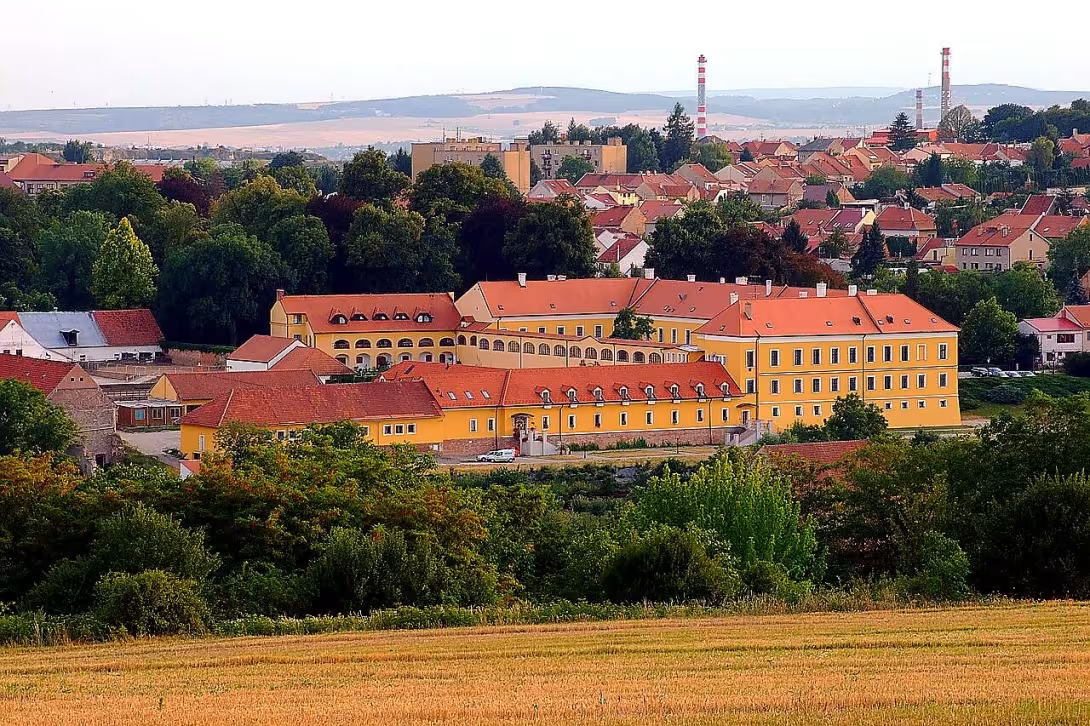
Zámek Líšeň is a three-wing one-storey Baroque chateau in the centre of Brno-Líšeň. It was created after 1714 by rebuilding an older Renaissance fortress and is protected as a cultural monument. This object is an important example of Baroque and Classicist architecture in Brno. It has undergone complex historical developments from the nobility to the state property to today's use for hotel and social purposes.
The Renaissance fortress from the beginning of the 17th century stood at the site of the present chateau. During the Baroque reconstruction in the early 18th century, Czech countries recovered from the consequences of the Thirty Years' War. There was a boom in baroque art and construction, while Europe was undergoing power changes and consolidation of the Habsburg monarchy at that time. In 1714 he won the Líšenský manor Jan Kryštof z Freyenfelsu, which started construction of a new chateau on the site of an older fortress. The project of the new building was probably created by the architect Christian Alexander Oedtl.
Líšeň Chateau is a three-wing one-storey two-track building. Its longer main west wing is followed by shorter cross wings at the ends. The yard closes a single-storey open corridor on the east side, followed by buildings of the economic court. The facades of the chateau are smooth and the palate breaks the cordon ledge. The windows on the ground floor of the main facade frame the champagne. The floor is equipped with suprafenestrami and ledge. In the front of the main wing, there is a main entrance with a balcony port that carries four pillars. The emblem and motto of the Belcredi Et and Domino factum est istud are placed above the roof ledge above the balcony. This means in translation, and this is from the Lord. Behind the entrance there is a vaulted pillar hall with a two-arm staircase leading to the floor. The rooms on the ground floor have mostly arched ceilings, while the floors have flat ceilings. The sculpture decoration of the chateau and park was made by Antonín Schweigl. From the outer facade of the south wing comes the risalite of the chapel with a volute shield. A two-arm staircase leads to the chapel space on the first floor. The chapel of the oval floor plan is closed with a low dome. The interior of the chapel is decorated by the stucco Giacomo Antonio Corbellini and two unknown painters. At the top of the vault is a fresco of St. Trinity surrounded by stucco frame.
In 1819 the estate was inherited by rod Belcrediů, whose members had the chateau modified in classical style. Before 1826, the original Baroque garden was adapted to the nature of the landscape park while maintaining its original availability. The chateau served as a seat of the Belcredi family until 1949 when it was confiscated by the Czechoslovak state. In 1992 the decrepit chateau was returned to the original Belcredi family as part of the restitution.
Probably in 1724 or 1727 the chateau chapel was added to the chateau. The ceremonial hall was set up in 1967. Natural landscape park with an area of 1.5 hectares is situated at the south side of the chateau. It is dominated by grown trees, which grow spread across the whole area except for a smaller inch in the back. The park underwent the so-called Anglanization of the original axis-solved park. Two alleys and a central axis were preserved from the features of the original park, which originally had a two-arm staircase with decoration. In 1985 there were 8 conifers and 44 leaflets. Among them there are, for example, terraces, spruce, beech, jasanolic maple, shacholan, green linden and greens always green.
After reconstruction, the chateau serves as a hotel and place for cultural and social events. A visit to this conservation site offers a view of the history of baroque and classical construction in the South Moravian Region. At the same time, it is an opportunity to look at valuable architecture and adjacent historical park in the centre of Brno-Líšna.
Then and now
Drag the slider to compare how the landmark may have looked when it was built with the view today.
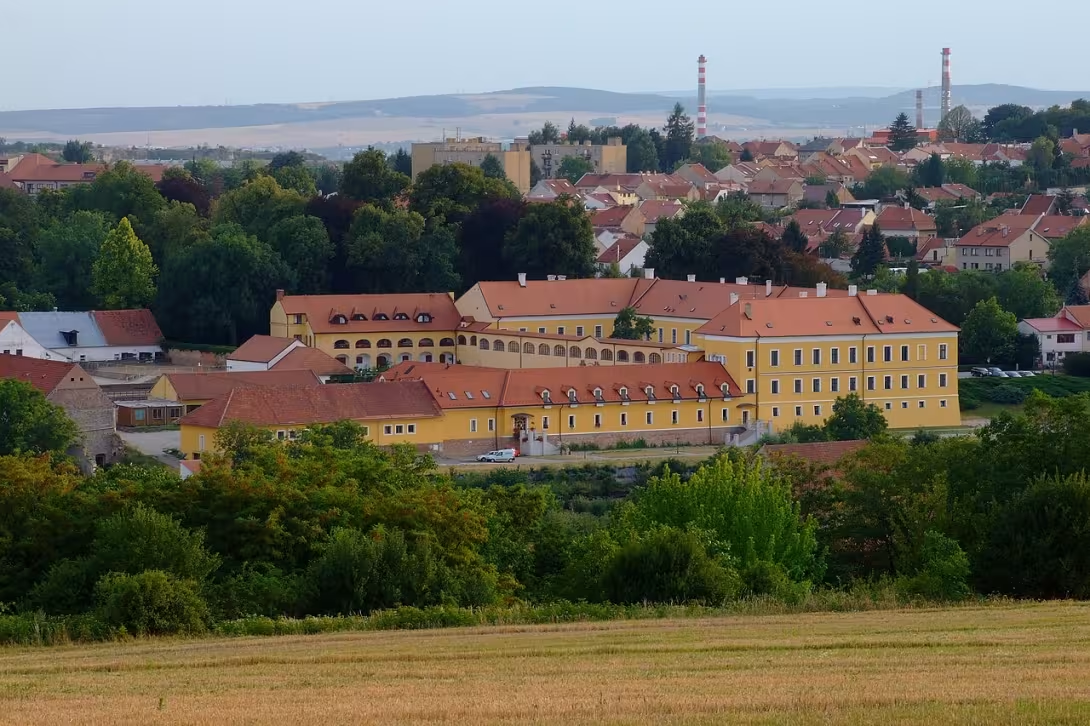
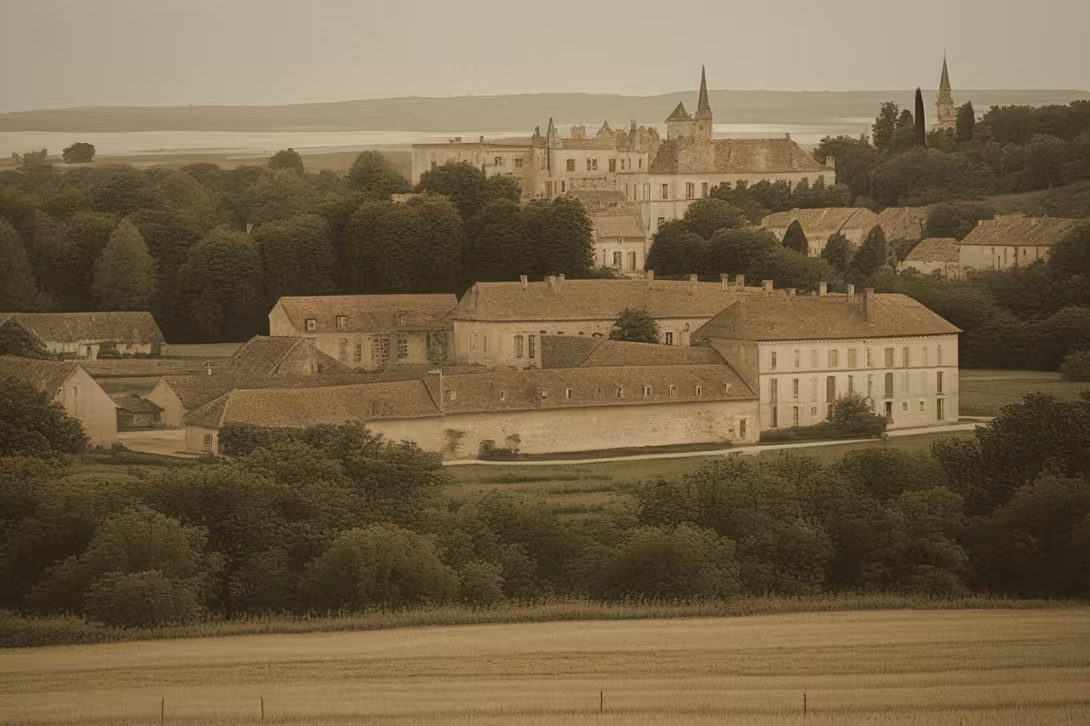
The historical appearance on the left is an AI-generated visualisation and serves as inspiration only.
Historical milestones
- 1714
- Jan Kryštof z Freyenfelsu acquired the Líšenský manor and started building a new chateau.
- 1819
- The House of Belcredi inherited the estate and modified the chateau in a classic style.
- 1949
- The chateau was seized by the Czechoslovak state.
- 1992
- The decrepit chateau was reconstructed after the Belcredi family was restituted.
Architectural development
The three-wing one-storey building was created by the Baroque reconstruction of the Renaissance fortress. The facades are broken by a cordon ledge, the windows are supplemented by champagne and suprafenestry, and the main entrance is carried by a balcony Portic with a Belcredi character. An oval chapel with dome and volute shield was added to the south wing. The original Baroque garden was adapted to the natural landscape park before 1826, while maintaining the original layout.
Historical events
In 1714 he acquired the manor Jan Kryštof z Freyenfelsu and started construction of the chateau. In 1819 the estate inherited rod Belcrediů and had it modified in classical style. In 1949, the chateau was seized by the Czechoslovak state and in 1992 the decrepit object was resected to the original family.
Owners
Jan Kryštof z Freyenfelsu from 1714, rod Belcrediů from 1819 to 1949, followed by the Czechoslovak State and returned in 1992 as part of the restitution of the Belcredi family.
Points of interest
- Zámek Líšeň was created after 1714 by rebuilding an older Renaissance fortress from the beginning of the seventeenth century and is a three-wing single-storey Baroque chateau. - The project of the new building was probably created by the architect Christian Alexander Oedtl and the construction started by Jan Kryštof z Freyenfelsu, which won the estate in 1714. - Above the roof ledge above the balcony is the emblem and family motto of the Belcreds, which means and from the Lord is this. - Sculpture decoration of the chateau and park was made by Antonín Schweigl and the interior of the chapel decorated with stucco Giacomo Antonio Corbellini and two unknown painters. - In 1819 the estate was inherited by rod Belcrediů, who had the chateau modified in classical style and lived here until 1949 when the property was seized by the state.
Guide
Show guide text
This text was created by artificial intelligence and has not been editorially reviewed. It may contain inaccuracies.
Welcome to this lovely place. You are standing right in front of the chateau Líšeň, which is located in the heart of this city area and attracts your attention as a three-wing single storey building. Look around you and try to perceive the unique atmosphere this historic building radiates. When you look at what's right in front of you, you see the result of the centuries of development and transformation that this area has undergone.
Let's move back in time and see how this gem came to be. The whole story of the modern form of this mansion begins after 17 hundred and fourteen. That's when Jan Kryštof z Freyenfelsu won the estate and decided to take a radical step. On the site of the older Renaissance fortress, which stood here since the beginning of the seventeenth century, he had a completely new mansion built. This nobleman became the initiator and first builder who breathed a new form of Baroque chateau into this place.
Now pay attention to the architecture itself and the details that extend before you. Note the overall shape and layout of the building, which consists of three wings and one floor. According to experts, this project was created by a gifted builder whose name is linked to the design of a new building, which was Christian Alexander Oedtl. Other important creative personalities such as Antonín Schweigl and Giacomo Antonio Corbellini, who put their art into the conversion of this space, also participated in the construction works.
Let's move on to the next chapters of history and the people who have linked their fates to this place. At the beginning of the nineteenth century, the complex went through another important period. It was obtained by the noble rod Belcrediů, who inherited the estate and modified the mansion in a classical style. This important family owned the property for an incredibly long time, until nineteen hundred forty-nine.
The interesting thing about this place is also what is in close proximity. The whole area includes an oval chateau chapel and an adjoining nature landscape park, which offers space for peaceful contemplation and walks. But the history of this place has not always been calm. In nineteen hundred forty-nine, the chateau was seized by the Czechoslovak state and then the period of decaying began. The break occurred in nineteen hundred ninety-two, when this decrepit object was finally reconstructed after the restitution of the Belcredi family, thanks to which we can now admire its renewed beauty.
Thank you for your attention to this story. I hope you can walk around, enjoy the park atmosphere and explore the next corner of this remarkable place. Good-bye to your other historical wanderings.
Tips for visitors
The best time to visit is the late spring or autumn months, when the weather is pleasant and the surrounding nature in the centre of Líšne excels beautifully.
You can easily reach the monument by car and public transport.
For comfortable movement on the premises we recommend shoes suitable for walking. We recommend to photographers the morning clock, when the light best highlights the architecture of the three-wing building.
Families with children will appreciate the area around the chateau. The city centre of Brno-Líšeň is nearby, where you can spend free time.
Frequently asked questions
Can the monument be visited?
Some buildings of this kind are open for guided tours, others serve another purpose or are privately owned. We have not verified whether and when this monument is open – please ask the operator.
What are the opening hours and admission?
We have not verified the opening hours or admission. Current information is published by the operator. Official website: http://www.zamekbelcredi.cz/
Where is the monument?
Location: Líšeň, Jihomoravský kraj. The map on this page shows the exact spot.
Why is the monument protected?
It is listed in the Central List of Cultural Monuments of the Czech Republic as a cultural monument (register no. 1000160819).
Businesses nearby
Do you run a restaurant, accommodation, shop, museum, rental, wellness or other visitor service near this monument? Show yourself directly to the people heading to it — this is how they will see you in the app and on the web:
Events nearby


Zdroj akcí: otevřená data měst a obcí ČR (Národní katalog otevřených dat) a kalendář akcí Národního památkového ústavu.
Nearby
Zámek leží v centru městské části Brno-Líšeň východně od hlavního náměstí v Jihomoravském kraji.
Accommodation nearby
Trips and activities nearby
Guided tours, tickets and activities nearby from GetYourGuide
Affiliate link: if you buy from the partner, we may receive a commission. The price for you does not change.
Search tours and activities →Themed route
Travel day route:
1.Zámek Líšeň Type: Castle Why is it worth a visit: This main destination lies right in the centre of the town of Brno-Líšeň east of the main square in the South Moravian Region and offers a view of the historical building in the heart of the village.
2. Chateau area Líšeň Type: Monument surroundings Why is it worth a visit: In the immediate vicinity of the chateau in the centre of the town of Brno-Líšeň east of the main square in the South Moravian Region you can see the adjacent area.
3. Space near the main square in Líšni Type: Public spaces Why is it worth a visit: The location is located in the village Líšeň east of the main square in the South Moravian Region and forms a natural part of the local area of the chateau.
Seasonal recommendations
Spring in the chateau grounds in Líšni brings the surrounding nature to a new life. The sun's rays are starting to warm and the waking greenery in the chateau park creates a perfect scenery for peaceful walks. The atmosphere is full of optimism, because after cold months, the outdoor space comes alive. During this period you will not meet large crowds of tourists, so you can enjoy the tour at your own pace. We recommend to choose fixed shoes because of the possible wet soil in the park and lighter sweater or coat, as the weather is usually variable. The best time to visit is in the morning when the morning fog rises above the old trees.
The summer season in the chateau brings sunny days full of bright light, which beautifully highlights the historical facade of the building. Nature is in full bloom and offers shady corners under the crowns of grown trees. The main tourist season brings more visitors, especially on weekends. To avoid the biggest crowds and hot midday air, it is best to arrive immediately after opening the gate in the morning. Wear air clothes made of natural materials, don't forget the headgear and bottle of drinking water to freshen up during the outdoor walk.
The autumn moons cover the Lischean chateau in watermelon, yellow and brown shades of decaying leaves. The sun's light is already low and creates long shadows that give the whole place a melancholy and romantic touch. Soggy weather and morning fog often create mysterious scenery for lovers of a quiet atmosphere without crowds. Hot waterproof clothes, tight shoes and umbrella are essential for this visit. The ideal time for the tour is around noon, when the temperature reaches the daily maximum and the fog recedes to the weak sunlight.
The winter season brings peace to Líšna and ideally also a snow blanket that turns the chateau park into a fairy tale landscape. The days are very short and soon it gets dark, while the low sun creates sharp contrasts. In advent time and during winter weekends, people come here for quiet atmosphere and rest. To stay outside in cold cold weather it is necessary to have a warm winter coat, hat, gloves and quality shoes with anti-slip soles. The best time to visit is around noon, when outside is the best chance of daylight and a more pleasant temperature.
Visualizations and artistic views


The visualisations are generated by artificial intelligence and serve as inspiration.
Photos from the area
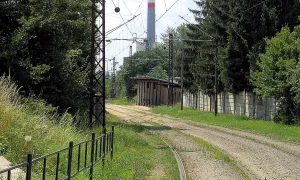
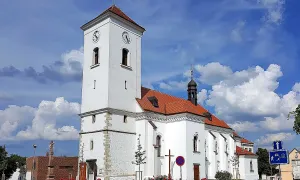
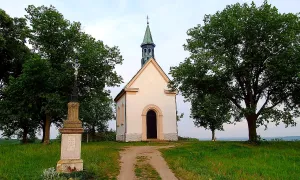
Real photos taken near the monument


Zdroj a licence jsou uvedeny u každého snímku.
Tips from visitors
No tips yet. Be the first!
Log in and add your tip.
Sources and literature
Photos: Kirk / CC BY-SA 3.0 — Wikimedia Commons. The author and licence also appear when you hover over the image.
Faktickým podkladem tohoto textu byl článek na Wikipedii, jehož autory jsou přispěvatelé Wikipedie. Článek je dostupný pod licencí CC BY-SA 4.0.
Location on the map


Příběhy a pověsti
Legendy, pověsti a příběhy spjaté s touto památkou
Fotografie návštěvníků
Zatím žádné fotografie. Buďte první, kdo přidá fotografii z návštěvy!
Log in a přidejte svou fotografii nebo hodnoťte.
Za ověřenou návštěvu v aplikaci získáte víc bodů — poznáme podle GPS, že jste na místě.
Reviews and comments