






kaple Panny Marie Pomocnice (Líšeň) Chapel
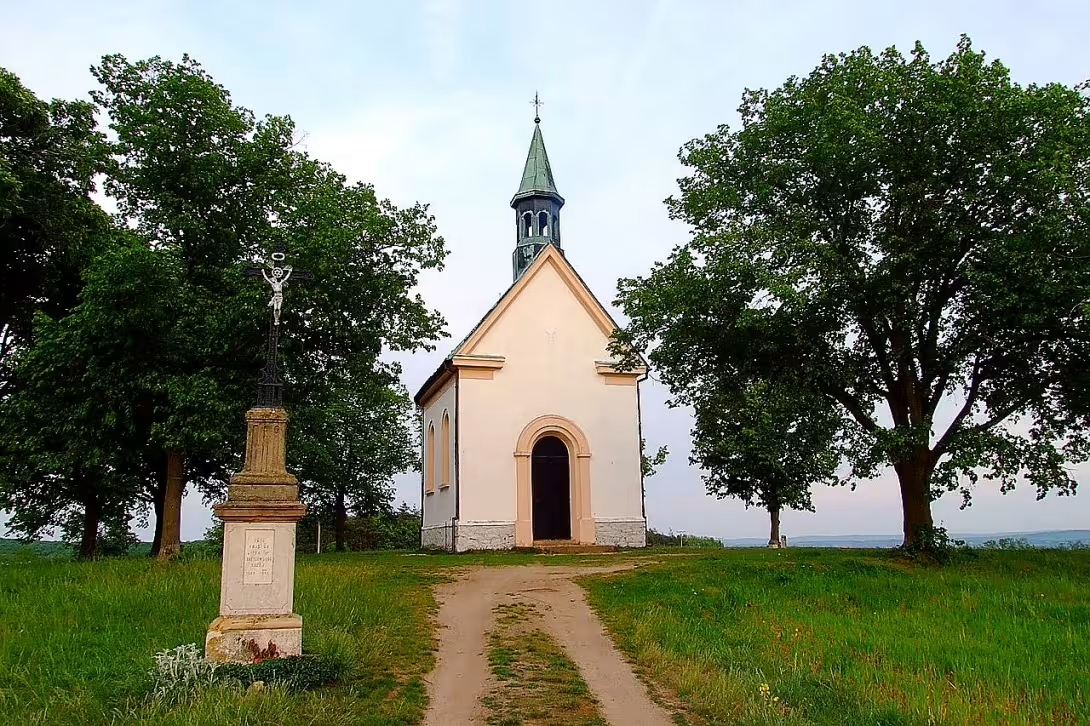
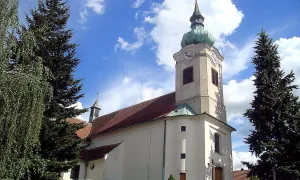
The Chapel of Our Lady Helper is located in Líšeň near Brno. It stands as a testament to resilience and faith through centuries of change. Originally constructed in 1630 by Baroness Eliška Bergrová on a hill known as 'Kostelíček', the chapel was built to express gratitude for her son's miraculous healing, attributed to an apparition of the Virgin Mary. Despite its destruction during Joseph II’s reforms, it was reconstructed in 1914, maintaining its historical and spiritual significance for locals and visitors.
The origins of this sacred site date back to a period marked by religious tensions within the Habsburg Monarchy. Baroness Eliška Bergrová commissioned the original wooden chapel after reportedly witnessing an apparition of the Virgin Mary with her son on the hilltop, leading to his healing from blindness. This event catalyzed its establishment as a place of worship and pilgrimage. In 1634, a stone chapel replaced the initial structure and was consecrated by Bishop František z Ditrichštejna, further solidifying its religious importance.
Architecturally, the Chapel of Our Lady Helper has undergone significant transformations. The original wooden chapel gave way to a more durable stone construction in 1630, which stood until it was demolished under Joseph II's reforms in 1784. The current rotunda-style chapel, built in 1914, replicates the design of its predecessor, funded by local contributions including those from Count Ludvík Belcredi. This architectural continuity underscores a commitment to preserving the chapel’s historical essence.
Throughout its history, the chapel has witnessed various administrative and ownership changes. Initially overseen by Baroness Bergrová, it later fell under the jurisdiction of religious authorities until its destruction in 1784. The site was then revitalized through community efforts led by local figures such as P. Pavel Pavelka and Count Ludvík Belcredi, who played pivotal roles in its reconstruction.
Key events at this site include its establishment as a pilgrimage destination following reports of Marian apparitions in the 17th century. Despite its destruction in 1784, the chapel's legacy endured, culminating in its 1914 reconstruction. The presence of a large iron cross with a stone base, erected by the Švehlo family around 1803 or 1805, remains a notable feature at the original site.
Today, the Chapel of Our Lady Helper continues to serve as a spiritual haven for both locals and visitors. Its serene setting on 'Kostelíček' hill, enhanced by acacia trees planted in 1879, offers a tranquil environment for reflection and prayer. The chapel's accessibility is limited compared to its past, but it remains an important cultural and religious landmark. Visitors are encouraged to explore this site, where history and faith converge, offering a unique glimpse into the region’s spiritual heritage.
The Chapel of Our Lady Helper stands as a symbol of enduring faith and community resilience. Its rich history invites exploration and reflection, making it a worthwhile destination for those interested in the cultural and religious tapestry of the Czech Republic.
Then and now
Drag the slider to compare how the landmark may have looked when it was built with the view today.
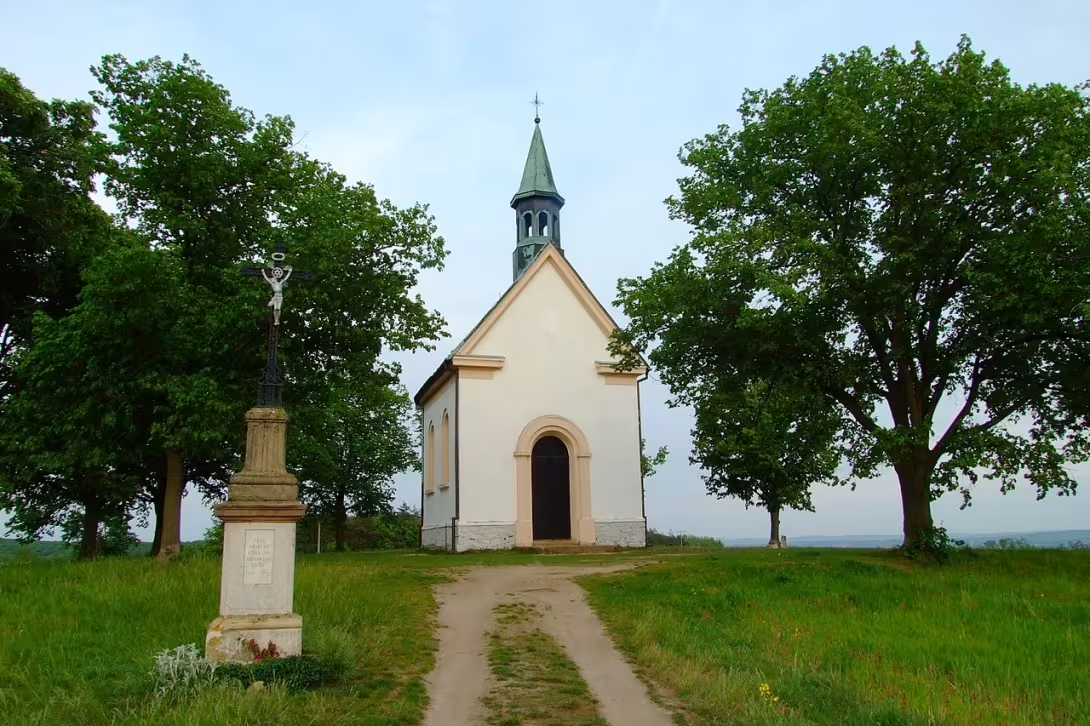
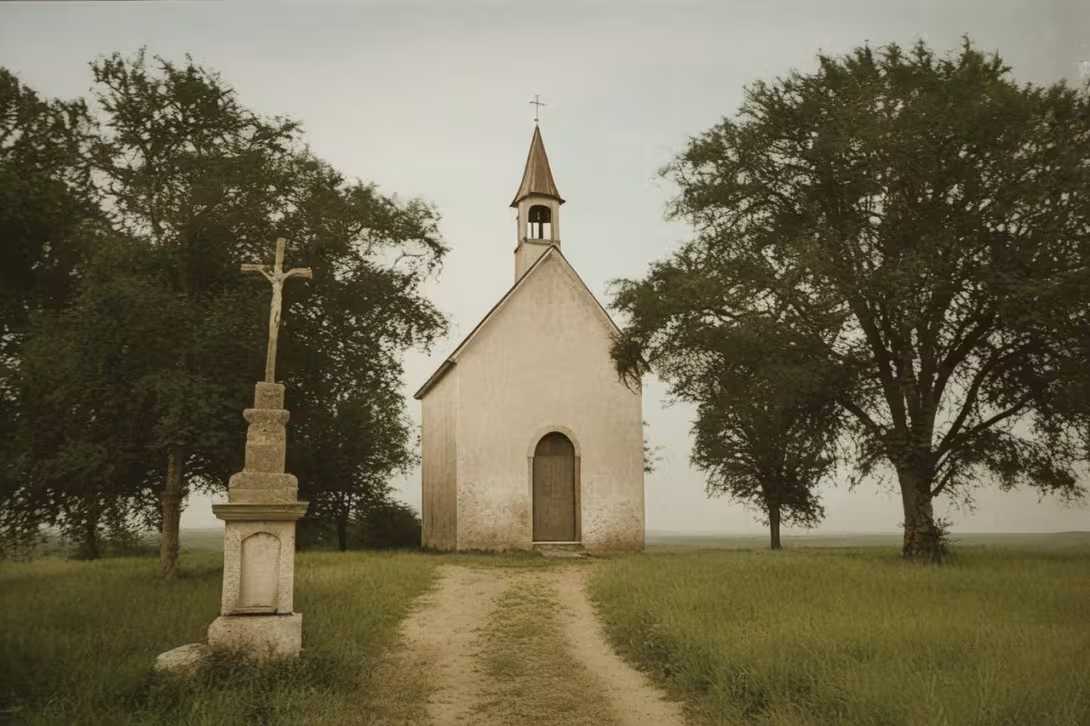
The historical appearance on the left is an AI-generated visualisation and serves as inspiration only.
Historical milestones
- 1630
- Construction of the original wooden chapel.
- 1634
- Consecration of the stone chapel.
- 1784
- Destruction of the original chapel under Joseph II's reforms.
- 1914
- Reconstruction of the chapel in a rotunda style.
Architectural development
The Chapel of Our Lady Helper has seen significant architectural evolution. Initially built as a wooden structure in 1630, it was replaced with a stone chapel in the same year and consecrated in 1634. The original chapel was demolished in 1784 during Joseph II's reforms. In 1914, a new rotunda-style chapel was constructed to replicate the original design, funded by local donations.
Historical events
- 1630
- Construction of the original wooden chapel by Baroness Eliška Bergrová.
- 1634
- Consecration of the stone chapel by Bishop František z Ditrichštejna.
- 1784
- Destruction of the original chapel under Joseph II's reforms, with its assets confiscated or stolen.
- 1914
- Reconstruction of the chapel in a rotunda style, funded by local contributions including those from Count Ludvík Belcredi.
Points of interest
- The chapel was originally built on a hill known as 'Kostelíček', which translates to "Little Church Hill," reflecting its intended purpose and setting.
- Despite being demolished in 1784 during Joseph II’s reforms, the site retained spiritual significance, evidenced by the erection of a large iron cross with a stone base around 1803 or 1805 by the Švehlo family, marking the location even after destruction.
Guide
This guide is narrated by a synthetic voice generated by artificial intelligence.
Show guide text
This text was created by artificial intelligence and has not been editorially reviewed. It may contain inaccuracies.
Welcome to the Chapel of Our Lady Helper, a serene and historic gem nestled atop 'Kostelíček'—Little Church Hill—in Líšeň near Brno. As you stand here, take a moment to absorb the tranquil surroundings that envelop this sacred site. The chapel's rotunda-style structure rises gracefully before you, its simple yet elegant design inviting contemplation and reverence.
The story of this chapel begins in 1630 when Baroness Eliška Bergrová commissioned its construction. Moved by gratitude for her son's miraculous recovery from illness, she sought to express her thanks through the creation of a place of worship. Initially built as a wooden structure, it was consecrated four years later in stone form—a testament to its enduring spiritual significance.
Over time, this chapel has witnessed numerous transformations. In 1784, under the reforms of Joseph II, the original chapel met its demise. However, its legacy endured, and by 1914, a new rotunda-style chapel was erected, faithfully replicating the original design. This reconstruction ensured that the spiritual essence of the site continued to thrive.
As you explore the architecture, notice how the rotunda's circular form symbolizes eternity and unity, inviting visitors into a space both intimate and expansive. While specific architectural details remain unnamed, the structure itself speaks volumes about its historical journey and resilience.
Key figures associated with this chapel include Eliška Bergrová, whose devotion sparked its creation, and František z Ditrichštejna, another soul touched by its spiritual aura. Their stories are woven into the fabric of this place, adding layers of personal history to its sacred walls.
An intriguing aspect of this site is its survival through periods of change. Despite being demolished in 1784, it retained a profound spiritual significance for the community, leading to its eventual reconstruction. This resilience speaks volumes about the chapel's role as a beacon of hope and faith across generations.
As you continue your visit, I encourage you to immerse yourself further into this place of peace and reflection. Explore the surrounding landscape, feel the history beneath your feet, and let the spirit of those who walked here before guide your journey. Thank you for joining me on this exploration of the Chapel of Our Lady Helper—may it leave a lasting impression as you continue your adventures in Líšeň.
Tips for visitors
The best time to visit the Chapel of Our Lady Helper is during late spring or early autumn when the weather is mild, and the surrounding landscapes are particularly beautiful. During these seasons, you can enjoy pleasant temperatures that make walking around the wooded hill of 'Kostelíček' more comfortable. Additionally, visiting outside of peak summer months helps avoid larger crowds, allowing for a more serene experience.
Parking near the chapel is limited, so it's advisable to use public transportation if possible. The area can be accessed by car, but you may need to park at a nearby location and walk or take a short shuttle ride to reach the chapel. Public transport options are available from Brno, with routes connecting through local buses. Always check current schedules online for the most accurate information.
When visiting the Chapel of Our Lady Helper, consider bringing comfortable walking shoes as you'll likely be exploring the wooded hill and surrounding paths. A camera is also recommended to capture the chapel's architecture and scenic views. Since lighting can vary depending on the time of day, early morning or late afternoon visits are ideal for photography, offering softer light that enhances the natural beauty of the area.
For families with children, the Chapel of Our Lady Helper offers a peaceful setting perfect for a leisurely outing. The surrounding nature provides opportunities for exploration and play. Nearby attractions within 30 minutes include other historical sites in the Brno region, which can be part of an educational day trip. Always check current information about accessibility and family-friendly facilities at these locations.
Businesses nearby
Do you run a restaurant, accommodation, shop, museum, rental, wellness or other visitor service near this monument? Show yourself directly to the people heading to it — this is how they will see you in the app and on the web:
Events nearby


Zdroj akcí: otevřená data měst a obcí ČR (Národní katalog otevřených dat) a kalendář akcí Národního památkového ústavu.
Nearby
The Chapel of Our Lady Helper is situated on a wooded hill known as 'Kostelíček' in Líšeň. The area features scenic landscapes and is within proximity to other historical sites in the Brno region.
Accommodation nearby
Trips and activities nearby
Guided tours, tickets and activities nearby from GetYourGuide
Affiliate link: if you buy from the partner, we may receive a commission. The price for you does not change.
Search tours and activities →Themed route
Thematic Walking Tour: The Chapel of Our Lady Helper and Surroundings
1. Kaple Panny Marie Pomocnice (Líšeň) - Type: Religious Site - Why Visit: Begin your journey at the heart of this tour, the charming Kaple Panny Marie Pomocnice, nestled on the wooded hill known as 'Kostelíček'. This chapel is a serene spot that offers not only spiritual solace but also breathtaking views of the surrounding landscapes. Its historical significance and architectural beauty make it an essential visit for those interested in religious heritage.
2. Scenic Walk through Kostelíček Woods - Type: Natural Area - Why Visit: After exploring the chapel, take a leisurely walk through the tranquil woods of 'Kostelíček'. The area is known for its scenic beauty and provides an excellent opportunity to immerse yourself in nature. It's a perfect spot for photography enthusiasts or anyone looking to enjoy a peaceful stroll amidst lush greenery.
3. Historical Sites in Brno Region - Type: Cultural Exploration - Why Visit: While specific sites are not listed, the proximity of Líšeň to other historical areas within the Brno region suggests potential exploration opportunities. These nearby sites offer insights into the rich cultural tapestry and history of the area, making them worthwhile for those interested in regional heritage.
This tour offers a blend of spiritual reflection, natural beauty, and cultural exploration, providing a well-rounded experience of Líšeň's unique offerings.
Seasonal recommendations
Spring: Visiting the Kaple Panny Marie Pomocnice during spring offers a unique experience as nature begins to awaken around this historic site. The surrounding landscape is adorned with blooming flowers and fresh greenery, creating a vibrant atmosphere that enhances the charm of the chapel. Early morning visits are ideal when the air is crisp and the light gently illuminates the architecture, highlighting its intricate details. While crowds may still be manageable, it's wise to dress in layers as temperatures can vary throughout the day.
Summer: The summer season at Kaple Panny Marie Pomocnice is characterized by long daylight hours and warm weather, making it perfect for outdoor exploration around Líšeň. This time of year sees increased visitor numbers due to its popularity during the peak tourist season, so arriving early can help avoid larger crowds. Wearing comfortable, breathable clothing and bringing sun protection like hats or sunglasses will enhance your experience. The chapel's serene environment provides a peaceful retreat from the summer heat.
Autumn: Autumn brings a picturesque transformation with warm hues of reds, oranges, and yellows enveloping the landscape around Kaple Panny Marie Pomocnice. This season offers a magical atmosphere as the leaves create a stunning backdrop for the historic site. The cooler temperatures make it comfortable to explore without the summer heat, though bringing a light jacket is advisable. Visiting in late afternoon allows you to enjoy the soft, golden light that enhances the chapel's architectural beauty.
Winter: Winter at Kaple Panny Marie Pomocnice offers a serene and contemplative atmosphere as snow may blanket the surrounding area, creating a picturesque winter wonderland. The shorter days mean earlier closures, so planning your visit during daylight hours is essential. Dress warmly in layers to stay comfortable while exploring the chapel's tranquil setting amidst the quiet of the season. While visitor numbers are generally lower, this provides an opportunity for a more intimate experience with fewer distractions from crowds.
Visualizations and artistic views


The visualisations are generated by artificial intelligence and serve as inspiration.
Photos from the area
Real photos taken near the monument


Zdroj a licence jsou uvedeny u každého snímku.
Tips from visitors
No tips yet. Be the first!
Log in and add your tip.
Sources and literature
Fotografie: Kirk / CC BY-SA 3.0 — Wikimedia Commons. The author and licence also appear when you hover over the image.
Faktickým podkladem tohoto textu byl článek na Wikipedii, jehož autory jsou přispěvatelé Wikipedie. Článek je dostupný pod licencí CC BY-SA 4.0.
Location on the map

Příběhy a pověsti
Legendy, pověsti a příběhy spjaté s touto památkou
Příběh: kaple Panny Marie Pomocnice (Líšeň)
Bylo to v pondělí ráno, kdy Jindřich z Březové se podíval dolů na hluboký les kolem Líšeňského kopec a jeho srdce se třásla úzkostí. Ztracený ve svých myšlen…
Číst příběh
Pověst: kaple Panny Marie Pomocnice (Líšeň)
Traduje se, že na přelomu dvacátých a třicátých let sedmnáctého století trápil baronku Elišku Bergrovou, tehdejší paní líšeňského panství, žal, jenž nedával …
Číst příběhFotografie návštěvníků
Zatím žádné fotografie. Buďte první, kdo přidá fotografii z návštěvy!
Přihlaste se a přidejte svou fotografii nebo hodnoťte.
Za ověřenou návštěvu v aplikaci získáte víc bodů — poznáme podle GPS, že jste na místě.
Reviews and comments