






zámek Potštejn Chateau
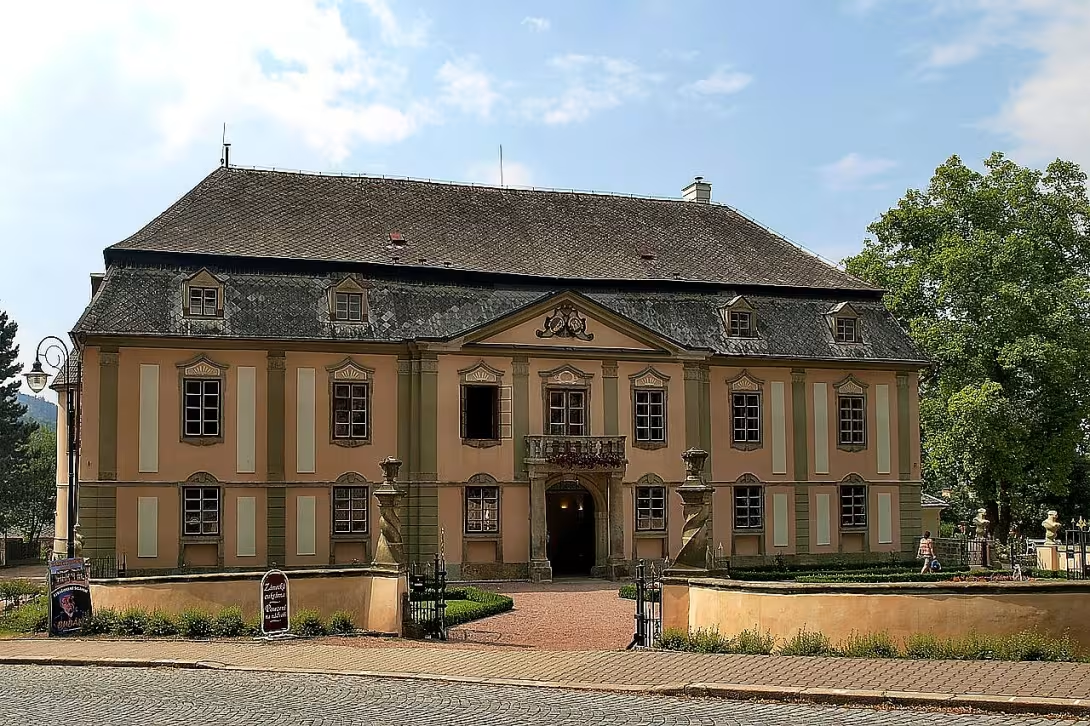
Potštejn Chateau, located in the village of the same name near Vamberk in the Hradec Králové Region, is a Baroque residence with a rich history and distinct architectural features. Built at the beginning of the 18th century, the chateau is known for its unique four-wing structure surrounding a courtyard and its outstanding park. Its history dates back to 1746, when it was founded by Count Jan Ludvík Harbuval Chamaré, and continues through various phases of ownership changes and renovations.
The origin of Potštejn Chateau is linked to the year 1746, when Count Jan Ludvík Harbuval Chamaré acquired the estate. On the site of older buildings, which included a manorial farm and other administrative buildings, he constructed a single-story Baroque chateau with a high mansard roof. This new complex was designed by architect Josef Jäger and construction was completed in 1757. Between 1771 and 1772, modifications were made to the chateau's surroundings, gardens, and park, utilizing materials from the ruins of Velešov Castle.
Architecturally, the chateau is characterized by a four-wing, single-story building with a mansard roof surrounding a square courtyard. The front wing features a facade articulated with pilaster strips, with a central risalit containing a portal and balcony, topped by a triangular pediment displaying the coats of arms of the builder and his wife. Above the driveway in the front wing is a ceremonial hall with marble pilasters, while the southern facade features a semi-cylindrical projection housing the Chapel of the Holy Trinity. This architectural style and its elements are exemplary of the Baroque art of the period.
The chateau underwent several changes in ownership, beginning with Jan Ludvík Harbuval Chamaré (1746–1765), who was succeeded by Jan Antonín Harbuval Chamaré. After the death of the last male of the Potštejn branch of the family, Jan Antonín (1808–1849), the estate passed to Prokop Jan Dobřenský of Dobřenice through marriage. Following World War II, the chateau was confiscated in 1945 and subsequently managed by the Revolutionary Trade Union Movement, which used it as a training center. After the fall of communism, the chateau became private property.
An interesting feature is the "Bubákov" area created in part of the cellars, a spooky space featuring the story of the robber knight Mikuláš of Potštejn. After 1989, several changes in ownership and renovations took place, leading to the restoration of the building.
Today, Potštejn Chateau is open to the public and offers various attractions. In 2006, after many years of abandonment, it reopened to visitors, providing access to its interiors and an exhibition gallery. The chateau park, revitalized in 2010, attracts visitors with its English style and the Rose Garden. A tour of the chateau offers a glimpse into its historical interiors and artworks.
Potštejn Chateau is not only an architecturally significant heritage site but also a place full of history and stories. Its restoration and opening to the public allow visitors to explore its rich past and enjoy the beauty of the chateau park. This chateau is truly worth a visit, not only for historians but for anyone interested in Czech cultural heritage and architecture.
Then and now
Drag the slider to compare how the landmark may have looked when it was built with the view today.
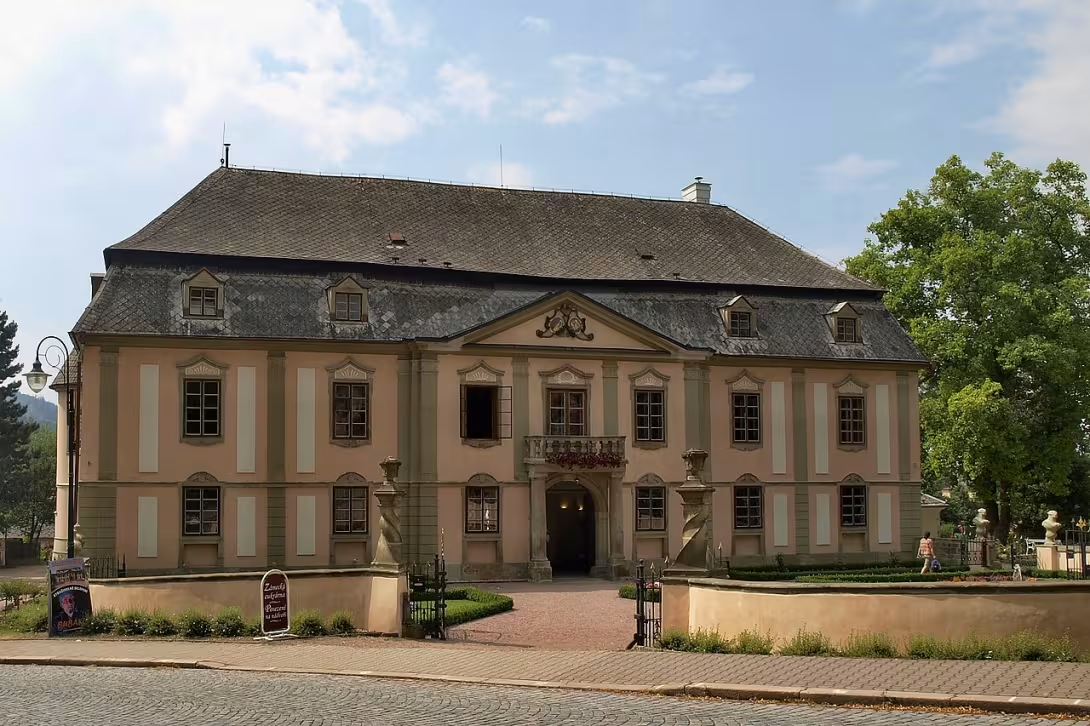
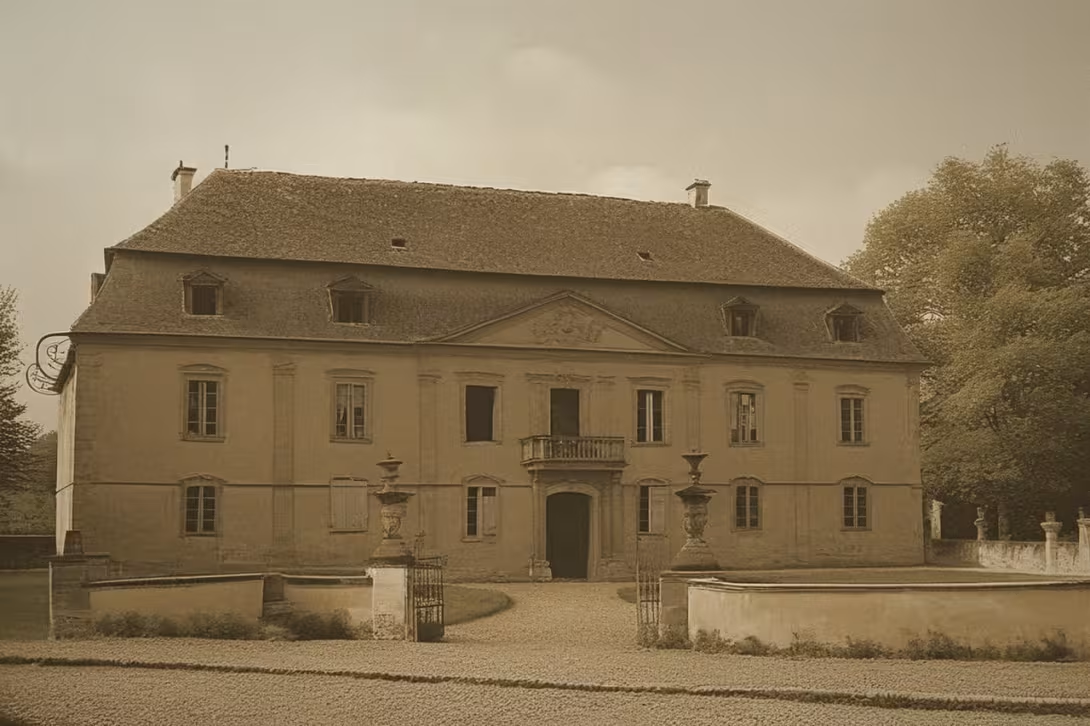
The historical appearance on the left is an AI-generated visualisation and serves as inspiration only.
Historical milestones
- 1746
- Construction of the single-story Baroque manor began.
- 1749
- The year inscribed on the tympanum of the eastern facade.
- 1757
- Completion of the main construction works.
- 1771
- Modifications to the surrounding castle garden and park commenced.
- 2006
- The castle was opened to the public.
Architectural development
The current Baroque manor was built by architect Josef Jäger on the site of older administrative buildings. The design features a central three-axis risalit with a tympanum and a ceremonial hall with marble pilasters. In the 1770s, the surrounding gardens and park were modified, using stones from the Velešov castle ruins.
Historical events
- 1746
- Jan Ludvík Harbuval Chamaré acquired the Potštejn estate and began building the Baroque manor.
- 1757
- Major construction work was completed, including the addition of the main hall.
- 1945
- The castle was confiscated from the Dobřenský family based on the Beneš decrees.
- 2004
- The Nováček family acquired the property and began its gradual renovation.
Owners
Jan Ludvík Harbuval Chamaré (from 1746), Jan Antonín Harbuval Chamaré (until 1849), Prokop Jan Dobřenský z Dobřenic (from 1849), private owners (since after 1989).
Points of interest
– The castle is a Baroque building with four wings around a courtyard and a high mansard roof. It was designed by architect Josef Jäger and completed in 1757. – During the modifications of the garden and park in 1771–1772, material from the ruins of Velešov castle was used. – The front wing features a ceremonial hall with marble pilasters, and the southern facade includes a semi-cylindrical projection with the chapel of Nejsvětější Trojice. – A part of the cellar contains Bubákov, a spooky space with a story about the robber knight Mikuláš z Potštejna. – The castle park was revitalized in 2010 and features an English style and a Růžová zahrada.
Guide
This guide is narrated by a synthetic voice generated by artificial intelligence.
Show guide text
This text was created by artificial intelligence and has not been editorially reviewed. It may contain inaccuracies.
Welcome to Potštejn. As you stand here, take a moment to simply breathe in the atmosphere of this corner of the Královéhradecký kraj. You are standing before a remarkable piece of history, a structure that has witnessed the changing tides of East Bohemian life for centuries. Before you rises the Potštejn manor house, a stately example of late Baroque architecture that commands the space around it with a sense of quiet, ordered elegance. As you look at the building, notice its impressive scale and the way it is organized. It is not a haphazard collection of rooms, but a carefully composed four-wing layout that embraces a central courtyard, creating a sense of enclosure and private sanctuary within its walls.
To truly appreciate what you see, we must travel back in time to the mid-18th century. The Potštejn you see today did not emerge from nothing; it was born out of a desire for transformation. Before this elegant residence took shape, this site served much more practical, perhaps even more rugged, purposes. In the years leading up to the construction of the manor, the area was occupied by older administrative buildings and a brewery. Imagine the sounds and smells of that era—the industry of a working estate, the bustle of local administration, and the functional, unadorned nature of the structures that once stood here.
The transition from a place of utility to a place of noble residence began in 1746. This was the year that the construction of this single-story Baroque manor house first commenced. It was a period of great architectural ambition, where the focus shifted from mere function to the expression of status, beauty, and symmetry. The project was led by the architect Josef Jäger, a man tasked with turning a site of industry into a site of prestige. The construction was a significant undertaking, and as the years progressed, the vision of Josef Jäger began to take physical form. If you look toward the eastern facade of the building, you might notice a specific detail that marks a milestone in this journey. There, inscribed upon the tympanum, is the year 1749. This date serves as a permanent testament to the era when the building was rising from its foundations, a moment frozen in stone. The main construction works were eventually brought to a successful completion in 1757, marking the birth of the manor as a finished architectural statement.
Now, let your eyes wander across the architectural details that define this Baroque masterpiece. Pay close attention to the rhythm of the building. One of the most striking features is the presence of the ground-floor courtyard arcades. These arched walkways provide a sense of depth and shadow, guiding the eye around the central courtyard and offering a sophisticated way to move through the space. Above the main structure, notice the prominent mansard roof. This high, distinctive roofline is a hallmark of the period, giving the manor its dignified silhouette against the sky and adding to the overall sense of grandeur. The symmetry of the four wings creates a balanced, harmonious appearance that is central to the Baroque aesthetic—a sense that everything is in its proper place, reflecting a world of order and grace.
A house of this magnitude is never just a collection of stones and mortar; it is a vessel for the lives, the ambitions, and the legacies of the people who called it home. The history of Potštejn is deeply intertwined with the lives of noble families who shaped the region. As you contemplate the halls of this manor, think of the figures who once walked these grounds. There was Jan Ludvík Harbuval Chamaré and later Jan Antonín Harbuval Chamaré, members of a family whose presence is etched into the history of this estate. We also remember Anna Barbara ze Sannigů, whose name is part of the social fabric that once animated these wings. And we must not forget Prokop Jan Dobřenský z Dobřenic, another figure whose connection to this place adds to the rich tapestry of its human history. These were not just residents; they were the stewards of this land, and their influence can still be felt in the very atmosphere of the manor.
As you prepare to move further into the grounds, I want to share a fascinating detail with you—a small mystery of sorts involving the landscape itself. In the years following the completion of the main house, specifically between 1771 and 1772, significant modifications were made to the surrounding castle garden and park. This was a time when the concept of the "picturesque" was becoming highly valued, and the landscape was being shaped to complement the elegance of the manor. But there is a unique twist to this story. During these renovations, the materials used to shape the garden and the park were not all new. Instead, they were sourced from the ruins of Velešov castle. There is something almost poetic about this, is there not? The very stones that once formed another fortification were repurposed to create the beauty of this garden, allowing the history of one site to physically support and enhance the beauty of another. It is as if the past itself was being woven into the greenery of the present.
Today, Potštejn stands as a revitalized landmark, a bridge between the industrious mid-18th century and our modern world. Since it was opened to the public in 2006, it has allowed visitors like you to step into this carefully preserved world. As you continue your journey, I invite you to explore the revitalized park and to lose yourself in the quiet beauty of the surroundings. Walk through the spaces where the Harbuval Chamaré family once strolled, and let your mind wander through the architectural precision of Josef Jäger’s design. Whether you are drawn to the symmetry of the four wings, the shadow of the arcades, or the historical echoes found in the garden, there is much to discover here. Thank you for joining me on this brief journey through time. Please, continue your exploration of Potštejn at your own pace.
Tips for visitors
The best time to visit the castle Potštejn is the autumn period when the trees are in full glow and illuminates the place of sunlight. This time of year offers a beautiful view of the Baroque architecture of the castle and surrounding landscape.
Parking can be found near the castle, however we recommend checking the actual availability of parking lots before visiting. The castle is also well accessible by public transport; You can check the best connection options in the online search engine.
When visiting, bring comfortable shoes because exploring the castle and its surroundings can be the best on your feet. Also remember to bring sun protection collar and water, especially if you plan to spend the whole day outside.
Photography of castle Potštejn offers several beautiful perspectives. The best light is usually in the early morning or in the evening when the sun illuminates the castle facades and surrounding forests. When photographing, also note the original arcades and the column vestibule.
In the vicinity of the castle Potštejn you can visit several interesting places such as the historic pond or nearby forests suitable for a short walk. These places are ideal for relaxing after a visit to the castle.
Frequently asked questions
Is zámek Potštejn open to the public?
Yes, the castle is open to visitors. We recommend checking the current state of accessibility and time periods on the official site of the monument.
How do I get to the place by car / public transport?
The castle is accessible both by car and public transport. For accurate information about routes and times, use the route search engine.
How much is the entrance fee and is it paid on the spot?
Admission fee is payable on site. Current prices can be found on the official Potštejn Castle website.
Is the tour suitable for children and seniors?
Yes, the tour is also accessible for families with children and seniors. The castle offers quiet rooms and beautiful gardens.
How long does the tour take?
A tour of the castle can take from a few hours, depending on how thoroughly you want to explore the site.
What are the opening times and booking is required?
Opening hours may vary depending on the season. We recommend checking the current information on the official website and checking whether booking is required.
What's interesting in the immediate vicinity?
The castle Velešov and the town of Vamberk are located near the castle. These places offer other historical monuments and opportunities to explore the region.
For kids
Hey, you want to join the adventure? Imagine the world about 280 years ago, when riders and nobles led by Count John Louis Harbuval Chamar were ready for a big change. A new zámek Potštejn built on the site of older buildings, which was like lightning in the landscape around Vamberk. It was like you were building a magnificent castle out of lego blocks - no matter how nice.
Businesses nearby
Do you run a restaurant, accommodation, shop, museum, rental, wellness or other visitor service near this monument? Show yourself directly to the people heading to it — this is how they will see you in the app and on the web:
Nearby
The castle is located near the town of Vamberk and is situated near the ruins of Velešov castle, from which stones were used to build the park walls.
Accommodation nearby
Themed route
1. Vamberk (Town) – A nearby town that serves as a convenient starting point for your journey. 2. Potštejn (Castle) – The main destination of the route, offering a fascinating look at a historic fortification. 3. Velešov (Castle ruins) – These ruins are historically significant, as the stones used to build the park walls of the main castle were sourced from this location.
Seasonal recommendations
In spring, zámek Potštejn is surrounded by awakening nature and vibrant greenery, creating a refreshing atmosphere. The soft light of the season highlights the castle's architecture against a backdrop of blooming flora. Visitors should wear layered clothing to adapt to fluctuating temperatures and consider visiting during the weekdays to avoid the initial surge of spring tourists.
During the summer, the castle is bathed in bright sunlight, and the surrounding forests are at their lushest. This is the peak season, so the atmosphere is lively and bustling. To avoid the largest crowds and the midday heat, it is best to arrive early in the morning. Light, breathable clothing and comfortable walking shoes are essential for exploring the grounds.
Autumn brings a moody and romantic vibe to Potštejn, with the landscape transforming into a palette of gold and red. The misty mornings and soft, angled light make it an ideal time for photography. Since the weather can be unpredictable, waterproof footwear and a light jacket are recommended. Late afternoon visits often provide the most atmospheric experience.
In winter, the castle takes on a serene and quiet character, often framed by frost or snow. The stark contrast between the stone walls and the white landscape creates a dramatic scene. Because opening hours are typically shorter during this period, it is advisable to plan your visit for the morning. Heavy, warm clothing and thermal layers are necessary to stay comfortable in the cold.
Visualizations and artistic views


The visualisations are generated by artificial intelligence and serve as inspiration.
Photos from the area
Real photos taken near the monument


Zdroj a licence jsou uvedeny u každého snímku.
Tips from visitors
No tips yet. Be the first!
Log in and add your tip.
Sources and literature
Fotografie: Patrik Hejduk / CC BY-SA 3.0 — Wikimedia Commons. The author and licence also appear when you hover over the image.
Faktickým podkladem tohoto textu byl článek na Wikipedii, jehož autory jsou přispěvatelé Wikipedie. Článek je dostupný pod licencí CC BY-SA 4.0.
Location on the map

Příběhy a pověsti
Legendy, pověsti a příběhy spjaté s touto památkou
Fotografie návštěvníků
Zatím žádné fotografie. Buďte první, kdo přidá fotografii z návštěvy!
Přihlaste se a přidejte svou fotografii nebo hodnoťte.
Za ověřenou návštěvu v aplikaci získáte víc bodů — poznáme podle GPS, že jste na místě.
Reviews and comments