






zámek Slezské Rudoltice Chateau
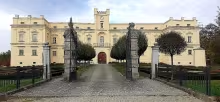
Castle Slezské Rudoltice, located in the same name village in the district of Bruntál in Moravia, is a Baroque monument with a rich history. Originally a Renaissance fortress built by the Fulštejných family was converted into a Baroque castle in the second half of the 18th century, which gave him the name Silesian Versailles. The park area has been protected since 1963 and its history attracts visitors from all over the world.
The castle evolved from a Renaissance fortress built by Fulštejnové between 1548 and 1565. After confiscation for participation in the state uprising he went to the hands of Sedlnicki of Choltice. Maximilián hrabě z Ditriechsteinu then sold it to George, the free master of the Hodice, who became owner in 1630. Julius Leopold z Hodic, son of George, took over the property in 1667 and built a castle chapel on the west wing of the castle. The Baroque reconstruction began under the leadership of Karel Josef from Hodice in 1686, which added four single-storey wings around a rectangular courtyard.
Albert Josef hrabě z Hodic (1706-1778) brought the castle the peak of its bloom. Under his guidance, baroque modifications were carried out and the park was modified in the style of the Jardin picturesque with many quaint building elements. The castle became the cultural centre of Silesia, hosted nobles, artists and famous personalities, including Prussian King Bedřich II, who was the nephew of his wife. There was also a castle band and theatre.
After Albert's death, a costly life led to bankruptcy, leading to the sale of interiors and collections. Since 1779 the estate was owned by a township from the Čejkové z Badenfeldu family, whose coat of arms can be seen on the building of the castle winery. Other owners were manufacturers Steuer z Krnova and Heřman Brücker z Červené Vody, who did not care much about the castle. The last owner until 1942 was the horse handler Franz Andres. In World War II, the Goebbels Ministry of Propaganda's estate was trained here by Hitler Youth.
After the war, the castle served briefly as the headquarters of the local national committee, then as a medical warehouse. In 2004 the municipality became a manager and in 2008 the owner of the castle. The reconstruction took place in 2020- 2022 with the European Union's resources.
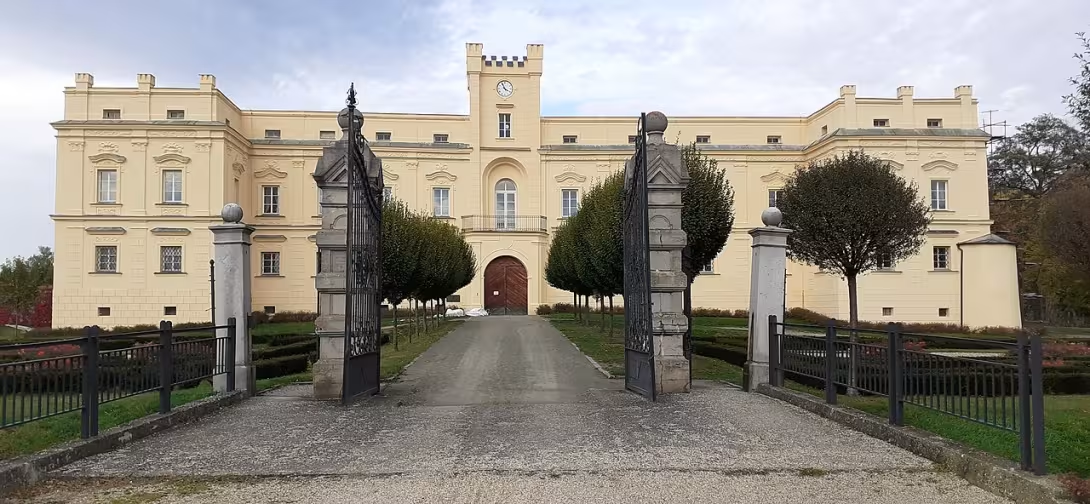
The chateau consists of four single-storey wings around a rectangular courtyard, with a distinctive risality and rich stucco decoration. The interior interiors were marked by industrial use, but the former library also served as a theatre hall.
Today zámek Slezské Rudoltice is accessible to visitors and offers a view of rich history and architecture. Its importance lies not only in its artistic and cultural heritage, but also as a monument that resembles the region's multilateral history. Visiting the castle offers a unique view of the past and is a welcome opportunity for anyone interested in history or architecture.
Then and now
Drag the slider to compare how the landmark may have looked when it was built with the view today.
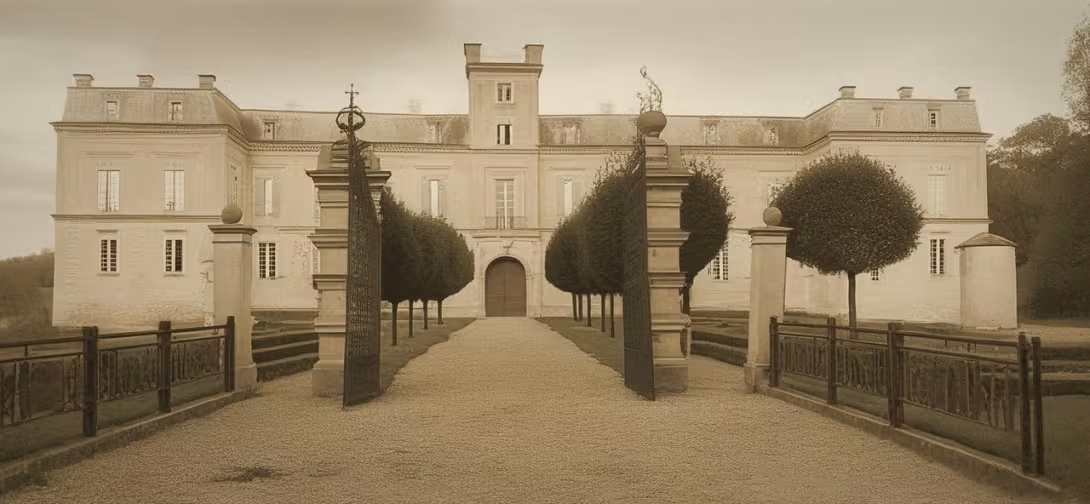
The historical appearance on the left is an AI-generated visualisation and serves as inspiration only.
Historical milestones
- 1963
- The castle area with the park is protected by a monument.
Architectural development
The castle was originally a Renaissance fortress built by Fulštejnové. During the Baroque period under Karel Josef of Hodice and his son Alberto Josef Count of Hodice, a significant reconstruction took place during which four single-storey wings were built. The park has been modified in the style of Jardin picturesque.
Historical events
1548-1565: Fulštejnové built a renovation lock
1630: Maximilián hrabě z Ditriechsteinu sold the castle to George, the free master of the Hodice
1667: Julius Leopold z Hodic became owner of the castle
1686: Julius died and Karel Josef z Hodic became owner of the entire estate
Owners
Fulštejnové
Sedlničtí z Choltic
Maximilián hrabě z Ditriechsteinu
Jiří, svobodný pán z Hodic
Julius Leopold z Hodic
Karel Josef z Hodic
Albert Joseph Count of Hodice
Čejkové z Badenfeldu
Steuer z Krnova
Heřman Brücker z Červené Vody
Franz Andres
Points of interest
- Castle Slezské Rudoltice is called "Silesian Versailles" thanks to its Baroque reconstruction in the second half of the 18th century.
- Baroque reconstruction of the castle began under the direction of Karel Josef from Hodice in 1686, which added four single-storey wings around a rectangular courtyard.
- Albert Josef hrabě z Hodic (1706-1778) brought the castle the peak of its bloom, under its guidance were done baroque modifications and the park was modified in the style of the Jardin picturesque.
Guide
This guide is narrated by a synthetic voice generated by artificial intelligence.
Show guide text
This text was created by artificial intelligence and has not been editorially reviewed. It may contain inaccuracies.
Welcome to the historical monument of the castle Slezské Rudoltice, known as "Silesian Versailles." You are standing in front of the Baroque mansion, which awaits you with rich history and beautiful views. If you look around, you'll see a rectangular courtyard bounded by four single-storey wings that remind you of his glorious past. This majestic castle is indeed a symbol of Silesia's cultural flourishing.
The castle has its origin in a medieval fortress which has been transformed over the years into this Baroque beautiful mansion. The most significant changes occurred in the second half of the 18th century when the castle reached its highest bloom as the cultural centre of Silesia. It's a time we remember for her architectural success and historical significance.
Look up at the rectangular courtyard and you will see elegant single-storey wings that have been added to the beginning of the 18th century. These structures are a key element of the Baroque architecture of the castle and today stand as a testament to its rich history. Note also the park, which is part of the protected area since 1963. This park provides peace and beauty, creating an ideal environment for relaxation and reflection.
Interesting historical personalities were connected to this place. These included Fulštejnové and Sedlničtí z Choltic, who played a key role in the early years of the fortress. Later came Maximilián hrabě z Ditriechsteinu, which influenced further development. However, the most important changes were made by the Hodice family, in particular Karl Joseph and Albert Joseph's Count of Hodice, who initiated the Baroque reconstruction. Their efforts have turned the fortress into this formidable Baroque residence.
The interesting thing is that this castle was once referred to as "Silesian Versailles." This title reflects its fame and an important role in the region. It's a place full of stories that deserve exploring by every history lover.
Now that you've learned of his rich past and architectural beauties, I urge you to explore this miraculous site. We wish your visit to be full of discoveries and inspiration. When you return home, you can proudly share your impressions of this unique historical residence. With God on further exploration!
Tips for visitors
The best time to visit the castle Slezské Rudoltice is in the spring or autumn season when the outdoor areas are ideally lit and nature offers a beautiful background. In addition, during these months the castle is less visited than during the summer period, which allows for a more relaxed tour.
Parking and transport: The Slezské Rudoltice Castle is available both by car and public transport. Parking is near the castle, but due to limited capacity it is advisable to arrive at the place as early as possible in the morning. For those travelling by public transport, it is good to check the current connection in the online traffic search engine.
What to take with you: When visiting the castle we recommend to wear a comfortable suit because walking around the castle and its surroundings are the best opportunity to discover. Also remember to take with you protective sunglasses, umbrella (if weather is unpredictable) and guide shoes for more comfortable walking.
Photography: The best places to photograph the Slezské Rudoltice Castle are especially its baroque facade and park areas offering beautiful views in the morning or evening light. The sunny day is ideal for capturing the details of architecture, while the soft light evening provides a romantic atmosphere.
What to visit in the area: In the vicinity of the castle Slezské Rudoltice there are several interesting sites that can be explored during a short trip. If you like nature and history, we recommend visiting nearby forests and ancient roads that offer comfortable walks and the possibility of relaxing in peace.
Frequently asked questions
Is zámek Slezské Rudoltice open to the public?
Yes, the castle is open to the public. The tour is suitable for all age groups.
How do I get to the place by car / public transport?
The Slezské Rudoltice Castle is accessible by car and public transport. Check the current connection in the search engine.
How much is the entrance fee and is it paid on the spot?
Admission is paid on site, the current price list can be found on the official site of the sights.
Is the tour suitable for children and seniors?
Yes, the Slezské Rudoltice Castle tour is suitable for all age groups. There are special programs for families with children and seniors.
How long does the tour take?
The length of the tour depends on the number of visitors, but usually lasts around 1-2 hours.
What are the opening times and booking is required?
The opening times of the castle Slezské Rudoltice vary according to the season. Check the current opening hours on the official site of the monuments. Reservation is not mandatory, but it is recommended for groups and families.
What's interesting in the immediate vicinity?
In the immediate vicinity of the castle Slezské Rudoltice there are natural elements such as forests and rivers. These locations are suitable for trips and relaxation.
For kids
Good day, young friends! Today we're going to talk about an amazing castle in the Czech Republic called Slezské Rudoltice Castle. Are you ready for a thrilling adventure?
Imagine yourself in the 18th Century, when this magnificent castle was at its peak. It was like a fairytale come true - with grand hall, beautiful gardens, and a majestic architecture that would make your eyes wide with wonder.
Businesses nearby
Do you run a restaurant, accommodation, shop, museum, rental, wellness or other visitor service near this monument? Show yourself directly to the people heading to it — this is how they will see you in the app and on the web:
Nearby
Ambient landscape, natural elements
Accommodation nearby
Themed route
Thematic cruise route: Castle Slezské Rudoltice and surroundings
1. Lock Slezské Rudoltice (lock) Start your trip at the castle Slezské Rudoltice itself, which is one of the best preserved examples of Renaissance architecture in Moravia. The castle offers visitors the opportunity to explore its historic interiors, including a beautiful castle and park with Baroque fountains. It is an ideal place to understand the cultural heritage of the area.
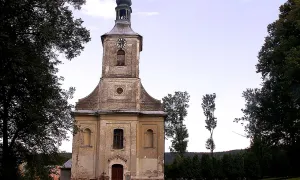
2. Saint Anne's Chapel (Chapel) Around 500 metres from the castle is the chapel of St. Anne, which is part of the castle complex. The chapel is famous for its simple but distinctive baroque design and provides a quiet place to relax after a tour of the castle. It's a beautiful place for a few minutes of meditation or photography.
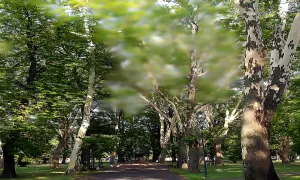
3. Castle courtyard (courtyard) We return to the castle grounds where it is possible to explore the castle courtyard. This place used to serve as a centre of castle activities and today offers visitors a view of the historical park with its ancient trees and elegant paths. It is an ideal place for a short walk or relaxation in nature.
4. Castle parks (park) Around 300 metres from the castle, the castle parks are situated, which are famous for their beautiful orchards and Baroque fountains. The park is a great place for nature walks and offers beautiful views of the surrounding countryside. It's an ideal place to observe wildlife or just enjoy a quiet moment.
This route offers visitors a comprehensive view of the history and nature of the Silesian Rudoltic region, with an emphasis on the main memory of the castle and its surroundings.
Seasonal recommendations
Spring: In the spring season zámek Slezské Rudoltice offers an unforgettable view of flowering shrubs and trees that add color and life to the atmosphere. Sunshine days are the perfect time for walking around the castle and enjoying the flourishing nature. Visitors should wear a warm coat, because because of cold morning and evenings, temperatures may still be low. The best time for a tour is usually in the afternoon when the sun rises above the clouds and brings warmth.
Summer: Summer in Silesian Rudoltice brings long sunny days and a warm atmosphere that is ideal for visiting the castle. During the midday sun, visitors may be looking for a shadow, so it is recommended to bring protective clothes and a hat. The best time for a tour is morning or evening to avoid the hottest hours of the day and possible crowds during the summer months.
Autumn: In autumn, zámek Slezské Rudoltice offers a unique atmosphere with rich colours of falling leaves, creating a beautiful background for photos. Sun days are still present, but the first colder and damp days may appear, so it is advisable to wear warmer clothes. Visitors should take advantage of the beautiful autumn sun and visit the castle early in the morning or later in the evening to enjoy a quiet tour.
Winter: Winter visit of castle Slezské Rudoltice offers impressive look covered by snow of buildings and park. The atmosphere is slightly freezing, which adds to the quiet and quiet surrounding. Visitors are advised to wear warm clothes, including fur coats and hats to protect themselves from cold. The castle is usually less visited, so it is advisable to visit early in the morning or later in the evening, because opening hours can be limited to winter hours.
Visualizations and artistic views


The visualisations are generated by artificial intelligence and serve as inspiration.
Photos from the area
Real photos taken near the monument


Zdroj a licence jsou uvedeny u každého snímku.
Tips from visitors
No tips yet. Be the first!
Log in and add your tip.
Sources and literature
Fotografie: Mikuláš Galuszka / CC BY-SA 4.0 — Wikimedia Commons. The author and licence also appear when you hover over the image.
Faktickým podkladem tohoto textu byl článek na Wikipedii, jehož autory jsou přispěvatelé Wikipedie. Článek je dostupný pod licencí CC BY-SA 4.0.
Location on the map


Fotografie návštěvníků
Zatím žádné fotografie. Buďte první, kdo přidá fotografii z návštěvy!
Přihlaste se a přidejte svou fotografii nebo hodnoťte.
Za ověřenou návštěvu v aplikaci získáte víc bodů — poznáme podle GPS, že jste na místě.
Reviews and comments