






zámek Třebešice Chateau
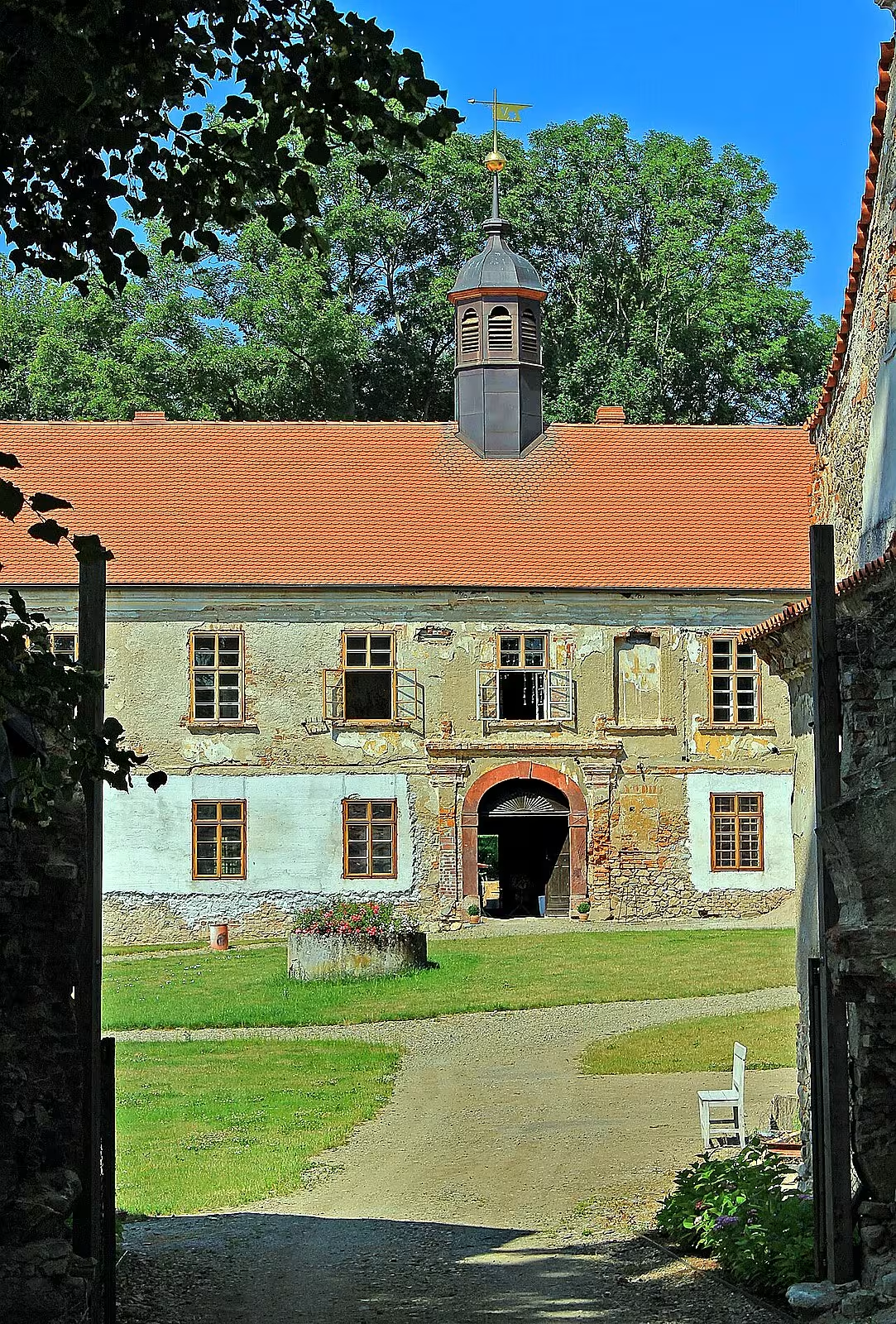
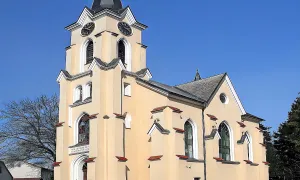
Chateau Třebešice is a late Baroque two-winged single-story building with a tower over a gabled roof, located in the village of Třebešice within the Benešov District of Středočeský kraj. This historical monument stands out for its architectural style and rich history. The estate includes additional structures such as a Baroque granary with volute finials, stables with vaults, and a former distillery. Both the chateau and the granary are partially underground, adding to their unique character. Since 1965, the entire complex, including the chateau park with ponds, has been protected as a cultural monument.
The origins of Chateau Třebešice trace back to medieval times when a fortress known as Třebešice existed in the area during the 13th century. The Valkoun family, notable figures of that era, were among its early inhabitants and played significant roles in regional events, such as supporting Jiří z Poděbrad in capturing Prague in the mid-15th century. Over time, the original fortress was replaced by a new residence closer to the church, marking a shift from medieval fortifications to more residential structures.
Architecturally, Chateau Třebešice showcases a blend of styles. The ground floor is Renaissance, while the upper floor of the main southern wing likely retains Renaissance elements with Classical ceilings. A Baroque chapel was once part of this wing but was later relocated to the ground floor of the eastern wing. This eastern wing features early Baroque architectural details such as cornices and dormers, highlighting the transition in styles over time.
Ownership of Chateau Třebešice has changed hands several times throughout its history. In 1599, Rytíř Václav Věžník z Věžníka acquired the estate, followed by Rytíř Tomáš Sohier z Windmühle in 1651. By 1704, Judita Alžběta, married to Jan Maxmilián hrabě z Götzu, became its owner. In 1752, Marie Barbora z Roggendorfu, née z Götzu, sold the estate to the Emauzský klášter in Prague. The monastery retained ownership until 1924 when František Šesták purchased it during a land reform. Most recently, Eliška and Igor Valdovi acquired the chateau in 2009 and undertook extensive reconstruction from 2009 to 2020, earning them a prestigious heritage restoration award in 2018.
Several key events and curiosities are associated with Chateau Třebešice. The Valkoun family's involvement in historical conflicts, such as aiding Jiří z Poděbrad, underscores the estate's significance during turbulent times. Additionally, the granary bears a date inscription from 1773, providing insight into its construction period. A small chapel on the access road features a statue of Saint John Nepomucene, adding to the site's historical and cultural richness.
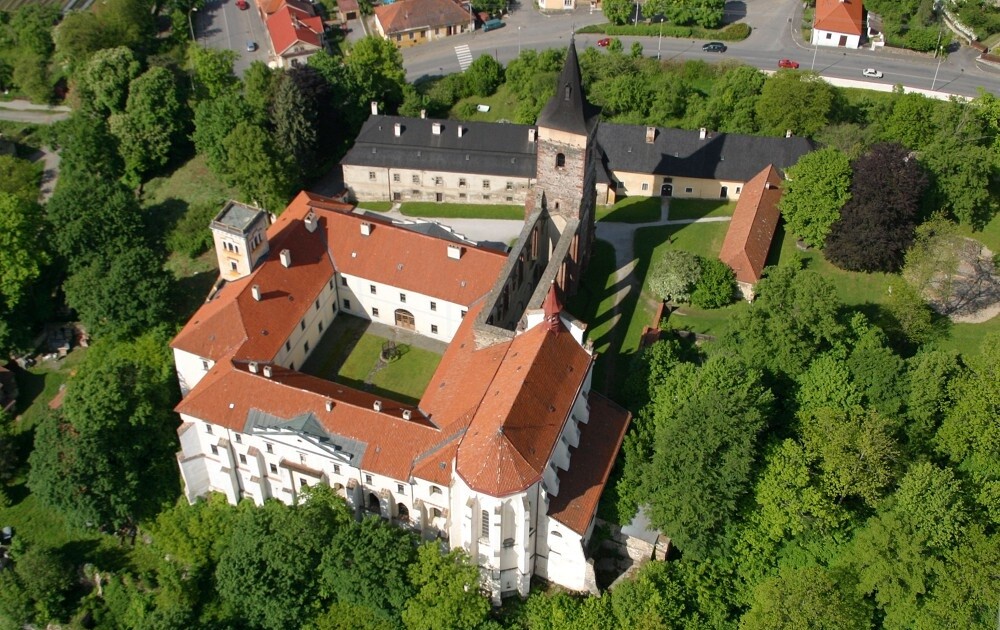
Today, Chateau Třebešice stands as a testament to the architectural evolution and historical narratives of the region. The estate is situated on a gentle southern slope, featuring an economic courtyard with the chateau building, a park to the southwest, a garden to the north, several ponds, and residential buildings to the east. Its well-preserved structures and surrounding landscape make it a worthwhile visit for those interested in history and architecture.
Chateau Třebešice offers a unique glimpse into the past, reflecting both the cultural heritage and architectural advancements of its time. Visitors are invited to explore this remarkable site, where history comes alive amidst stunning Baroque and Renaissance elements.
Then and now
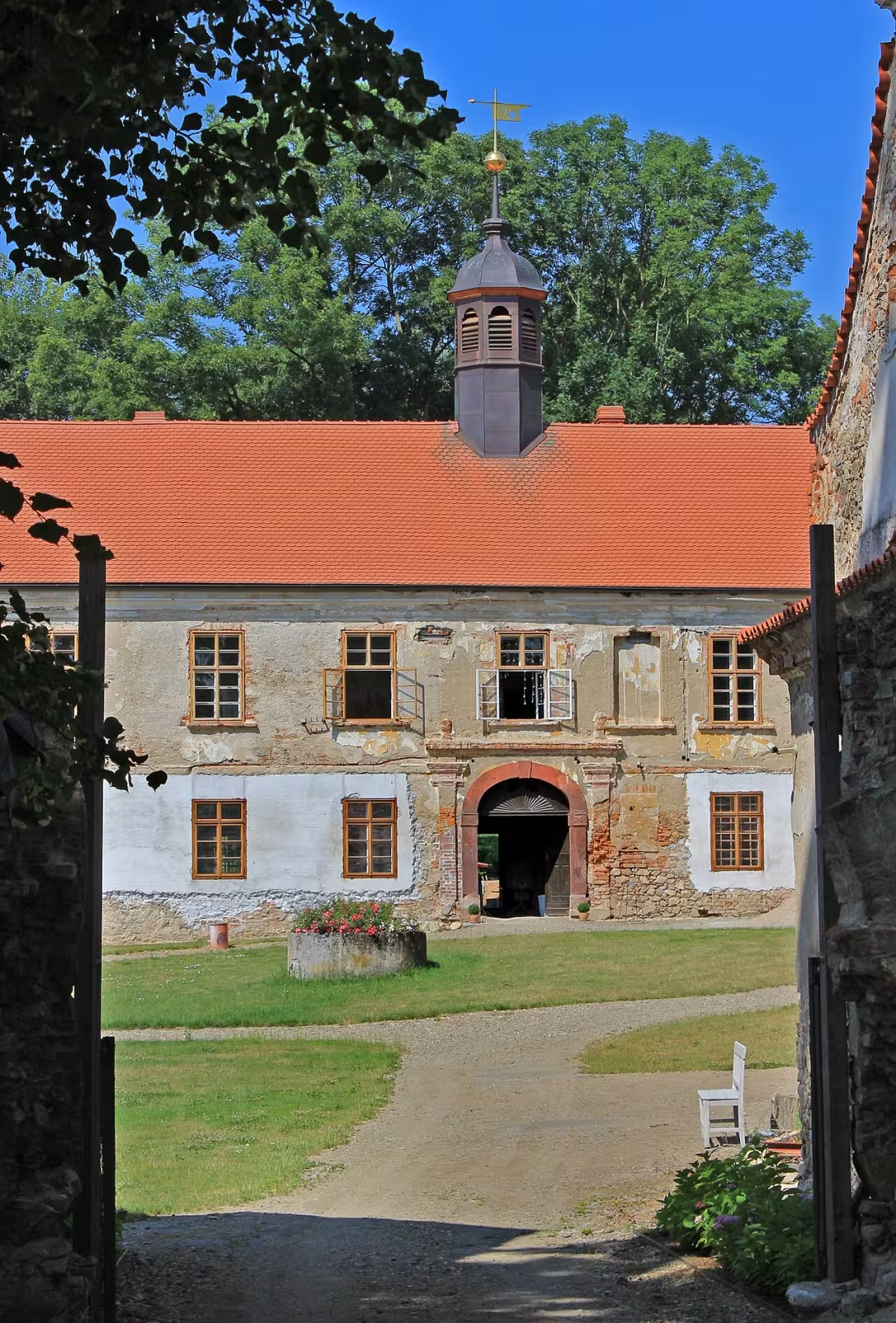
Drag the slider to compare how the landmark may have looked when it was built with the view today.
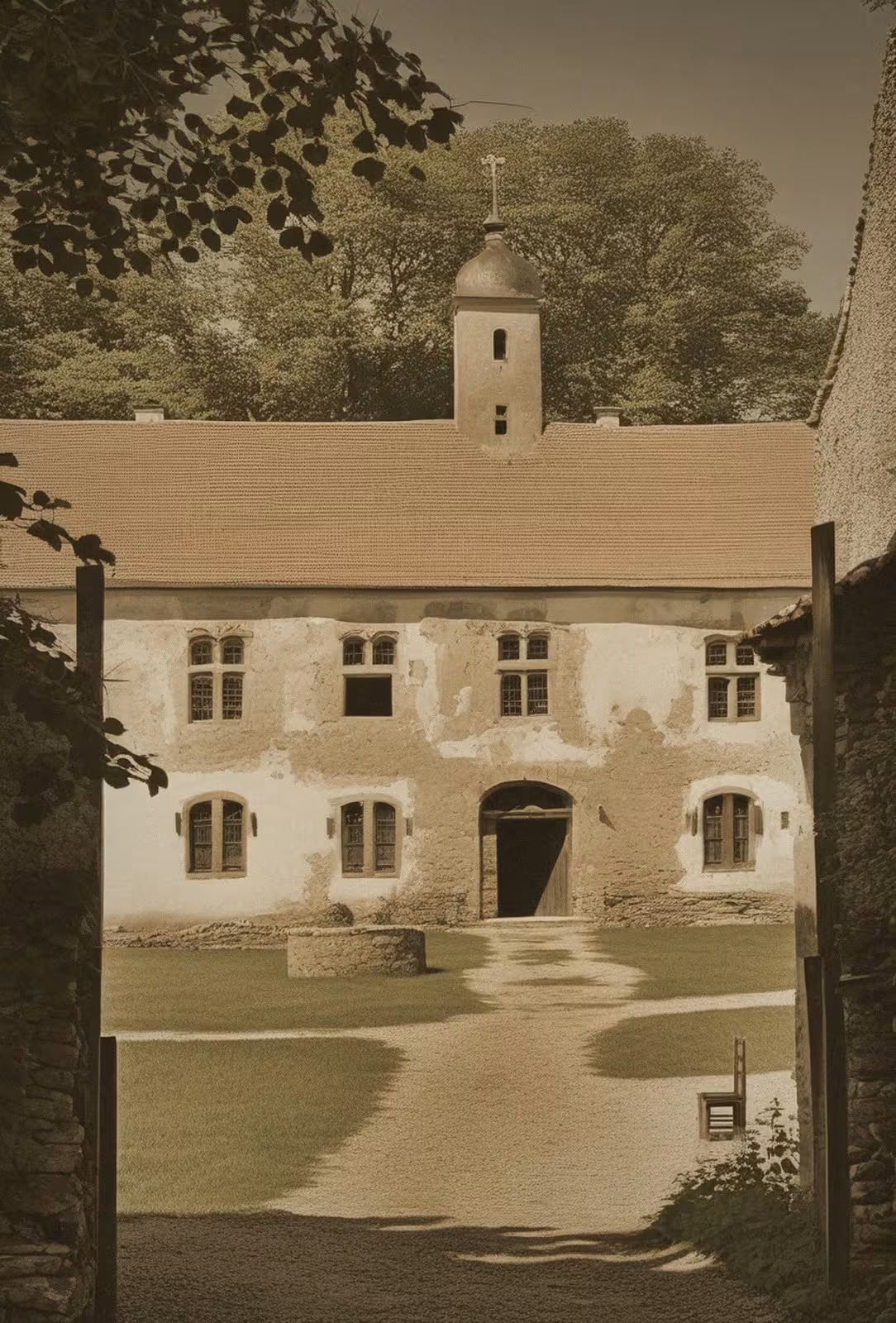
The historical appearance on the left is an AI-generated visualisation and serves as inspiration only.
Historical milestones
- 1965
- The chateau estate, including the park with ponds, became a protected cultural monument.
Architectural development
The chateau's ground floor is Renaissance style, while the upper floor of the main southern wing is likely also Renaissance with Classical ceilings. A Baroque chapel was probably located here but later moved to the ground floor of the eastern wing. The eastern wing features early Baroque elements such as cornices and dormers.
Historical events
13th century: A fortress known as Třebešice existed in the area.
15th century: The Valkoun family supported Jiří z Poděbrad in capturing Prague.
2009-2020: Reconstruction by Eliška and Igor Valdovi, who won a major heritage restoration award in 2018.
Owners
1599: Rytíř Václav Věžník z Věžníka
1651: Rytíř Tomáš Sohier z Windmühle
1704: Judita Alžběta, manželka Jana Maxmiliána hraběte z Götzu
1752: Emauzský klášter v Praze (Marie Barbora z Roggendorfu, rozená z Götzu)
1924: František Šesták
2009: Eliška a Igor Valdovi
Points of interest
- The chateau's unique architectural blend includes a Renaissance ground floor and an upper floor with Classical ceilings, showcasing the transition from medieval to Baroque styles. - A small chapel on the access road features a statue of Saint John Nepomucene, adding a layer of religious significance and artistic detail to the estate.
- Originally part of a medieval fortress, Chateau Třebešice was later replaced by a more residential structure closer to the church, reflecting changing needs and architectural trends over time.
- The Valkoun family's historical role in aiding Jiří z Poděbrad during his capture of Prague highlights their influence and the chateau's strategic importance in regional conflicts.
- In 2018, Eliška and Igor Valdovi received a prestigious heritage restoration award for their extensive reconstruction efforts from 2009 to 2020, preserving the chateau's historical integrity.
Guide
This guide is narrated by a synthetic voice generated by artificial intelligence.
Show guide text
This text was created by artificial intelligence and has not been editorially reviewed. It may contain inaccuracies.
Welcome to the historical site of Zámek Třebešice, a remarkable testament to architectural evolution nestled in the picturesque village of Třebešice, Středočeský kraj. As you stand here, take a moment to soak in your surroundings: before you lies an elegant late Baroque two-winged single-story building with its distinctive tower rising above a gabled roof. This structure is not just a feast for the eyes; it's a gateway into centuries of history.
The origins of Zámek Třebešice are shrouded in mystery, as the architects remain unknown to us today. However, what we do know is that this estate has been shaped by numerous hands over time. The chateau and its accompanying structures have witnessed significant historical transitions, from medieval times through the Renaissance, culminating in the Baroque elegance you see before you.
As you gaze upon the building, notice how it seamlessly blends different architectural styles. The ground floor retains a Renaissance charm, while the upper floors boast Classical ceilings—a fascinating juxtaposition that marks the transition from medieval to Baroque aesthetics. This blend is not just an artistic statement but also a narrative of the cultural shifts over centuries.
The estate extends beyond the chateau itself, including a Baroque granary adorned with volute finials and stables featuring vaulted designs. A former distillery adds another layer to this historical tapestry. Interestingly, both the chateau and the granary are partially underground—a feature that speaks volumes about the architectural ingenuity of its time.
Zámek Třebešice has been home to many notable figures throughout history, each leaving their mark on its legacy. Among them were Jan and Jaroslav Valkoun, as well as Jiří z Poděbrad, Václav Věžník z Věžníka, Tomáš Sohier z Windmühle, Judita Alžběta hraběnka z Götzu, and Marie Barbora z Roggendorfu. These individuals played pivotal roles in shaping not just the estate but also the region's history.
As you continue your exploration, take a moment to step onto the access road leading up to the chateau. Here lies a small chapel featuring a statue of Saint John Nepomucene—a symbol of religious significance that adds another layer to this historical site. This statue is more than an artistic piece; it represents the spiritual heritage intertwined with Zámek Třebešice's history.
In 1965, recognizing its cultural and historical importance, the chateau estate, along with its park and ponds, was designated a protected cultural monument. This protection ensures that future generations can continue to appreciate this architectural marvel and its storied past.
As you conclude your visit, I invite you to explore further. Wander through the expansive chateau park, where serene ponds reflect the sky above. Each corner of Zámek Třebešice holds a story waiting to be discovered, a testament to the rich tapestry of history that this place embodies.
Thank you for joining me on this journey through time at Zámek Třebešice. May your curiosity continue to lead you to new discoveries and deeper understandings of our shared heritage. Farewell, and may your explorations be ever rewarding!
Businesses nearby
Do you run a restaurant, accommodation, shop, museum, rental, wellness or other visitor service near this monument? Show yourself directly to the people heading to it — this is how they will see you in the app and on the web:
Events nearby
Zdroj akcí: otevřená data měst a obcí ČR (Národní katalog otevřených dat) a kalendář akcí Národního památkového ústavu.
Nearby
The estate is situated on a gentle southern slope, featuring an economic courtyard with the chateau building, a park to the southwest, a garden to the north, several ponds, and residential buildings to the east.
Accommodation nearby
Themed route
Třebešice Thematic Tour
1. **Zámek Třebešice (Chateau) Begin your journey at the heart of this estate, the Zámek Třebešice. This chateau stands as a testament to architectural elegance and historical significance in the region. Explore its grand halls and learn about its storied past that dates back several centuries.
2. **Economic Courtyard (Estate) Adjacent to the chateau, the economic courtyard offers a glimpse into the traditional management of such estates. This area showcases structures like barns and stables, reflecting the self-sufficient lifestyle once led by the estate's residents. It provides insight into the daily operations that supported the chateau.
3. **Park (Park) A short walk southwest from the chateau leads you to a beautifully landscaped park. Wander through its serene paths and enjoy the lush greenery, which offers a peaceful retreat and a chance to appreciate nature's beauty in harmony with historical architecture.
4. **Garden (Garden) To the north of the chateau lies an enchanting garden. This area is perfect for those who appreciate horticulture and design. The variety of plants and thoughtful layout make it a delightful spot to relax and reflect on the estate's rich history.
5. **Residential Buildings (Historical Homes) Conclude your tour by exploring the residential buildings to the east. These structures provide insight into the living conditions and architectural styles favored during different periods of the estate’s history, offering a complete picture of life at Třebešice.
This thematic route offers a comprehensive exploration of Zámek Třebešice and its immediate surroundings, providing both historical context and natural beauty.
Seasonal recommendations
Spring: Visiting Třebešice Chateau in spring offers a breathtaking view of the surrounding landscape as nature awakens from its winter slumber. The chateau grounds are adorned with blooming flowers, and fresh greenery envelops the historic architecture, creating an idyllic atmosphere perfect for photography enthusiasts. During this time, the weather can be unpredictable, so it's advisable to wear layers that you can adjust according to temperature changes. While spring is not as crowded as summer, weekends may see a moderate increase in visitors, making weekdays a better choice for a more tranquil experience.
Summer: The chateau shines under the bright summer sun, with lush gardens and expansive grounds providing an excellent backdrop for exploration. The long daylight hours allow for extended visits, but it's wise to arrive early in the morning or later in the afternoon to avoid peak tourist times. Summer is ideal for families and those looking to enjoy outdoor activities, though visitors should dress comfortably in light clothing and bring sun protection such as hats and sunscreen. Refreshments can be enjoyed at nearby cafes, making a summer day at Třebešice Chateau both relaxing and enjoyable.
Autumn: Autumn transforms Třebešice Chateau into a picturesque setting with vibrant foliage that enhances the historical charm of the site. The cooler temperatures make for comfortable walking tours through the chateau's grounds, which are less crowded compared to summer months. This is an excellent time for photography, capturing the warm hues of reds and oranges against the historic backdrop. Visitors should dress in layers to accommodate fluctuating weather conditions and consider bringing a light jacket or sweater as evenings can become quite chilly.
Winter: In winter, Třebešice Chateau exudes a serene and mystical charm with its snow-covered grounds and quiet ambiance. The shorter daylight hours mean that visits are best planned for the morning to maximize time exploring the chateau's interiors and exhibits. Winter is less crowded, offering a peaceful experience, but it's important to dress warmly in insulated clothing and wear comfortable footwear suitable for potentially slippery surfaces. While some outdoor areas might be inaccessible due to snow or ice, the winter landscape provides a unique and enchanting perspective of this historic site.
Visualizations and artistic views


The visualisations are generated by artificial intelligence and serve as inspiration.
Photos from the area
Real photos taken near the monument


Zdroj a licence jsou uvedeny u každého snímku.
Atmosphere of the place
This atmospheric visualisation of the place and period was generated by artificial intelligence. It is not real footage of the location.
Tips from visitors
No tips yet. Be the first!
Log in and add your tip.
Sources and literature
Fotografie: This file is available under Creative Commons BY-SA license. Basically: You can use this picture for any purpose, provid / CC BY-SA 4.0 — Wikimedia Commons. The author and licence also appear when you hover over the image.
Faktickým podkladem tohoto textu byl článek na Wikipedii, jehož autory jsou přispěvatelé Wikipedie. Článek je dostupný pod licencí CC BY-SA 4.0.
Location on the map
Příběhy a pověsti
Legendy, pověsti a příběhy spjaté s touto památkou
Fotografie návštěvníků
Zatím žádné fotografie. Buďte první, kdo přidá fotografii z návštěvy!
Přihlaste se a přidejte svou fotografii nebo hodnoťte.
Za ověřenou návštěvu v aplikaci získáte víc bodů — poznáme podle GPS, že jste na místě.
Reviews and comments