






Zámek Vísky Chateau
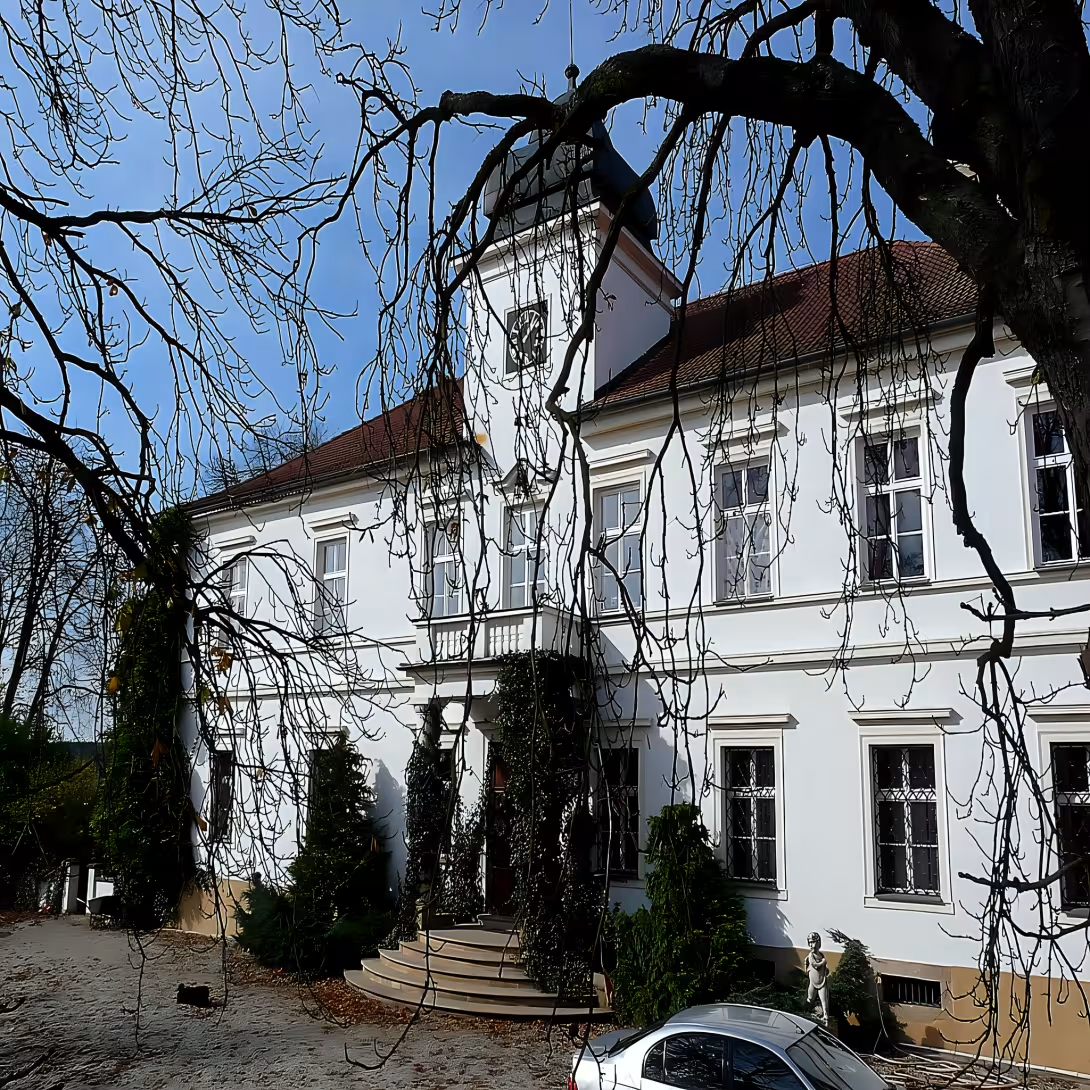
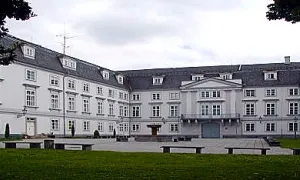
The Vísky Chateau is a late Baroque chateau situated in the Trnová village, near the town of Trnová, in the Plzeňský kraj region. Built in 1804 by Josef Rab on the site of a former manor house, it is a well-preserved example of late Baroque architecture in Bohemia. The chateau's unique history and architectural style make it a notable monument in the region.
The Vísky Chateau was built on the site of a former fortress, the Ježlový fortress, which was destroyed during the Hussite Wars in 1419. The first written mention of the Ježlový fortress dates back to 1386. The chateau's history is closely tied to the Ježlový fortress, which was later converted into a manor house and eventually a chateau.
The Vísky Chateau is a rectangular building with a prominent rizalit on both main facades. It has undergone several changes and renovations over the centuries, including the addition of a new wing and the renovation of the interior. Originally built as a manor house, it was later converted into a chateau.
Throughout its history, the chateau has had several owners. Josef Rab built the chateau in 1804, followed by Antonín Rab, Marie Pidollová, and Isidor Schmiedel. Maxmilián Schmiedl purchased the chateau in 1895 and renovated it in the late 19th century. After World War II, the chateau was nationalized and used for various purposes. In 1995, the Dajbychovi family purchased the chateau and began its restoration.
The Vísky Chateau has a unique history, having been built on the site of a former fortress and later converted into a chateau. The chateau has undergone several changes and renovations over the centuries, including the addition of a new wing and the renovation of the interior. Today, it is a well-preserved example of late Baroque architecture in Bohemia.
The Vísky Chateau is a well-preserved example of late Baroque architecture in Bohemia. It has undergone several restorations, including the addition of a new wing and the renovation of the interior. The chateau is now a popular tourist destination, offering visitors a glimpse into the region's rich history and architectural heritage.
The Vísky Chateau is worth visiting for its unique history and architectural style. The chateau's well-preserved interior and exterior make it a must-see for anyone interested in history and architecture. Visitors can explore the chateau's grounds, including the park and the surrounding landscape, and learn more about the chateau's fascinating history.
Then and now
Drag the slider to compare how the landmark may have looked when it was built with the view today.
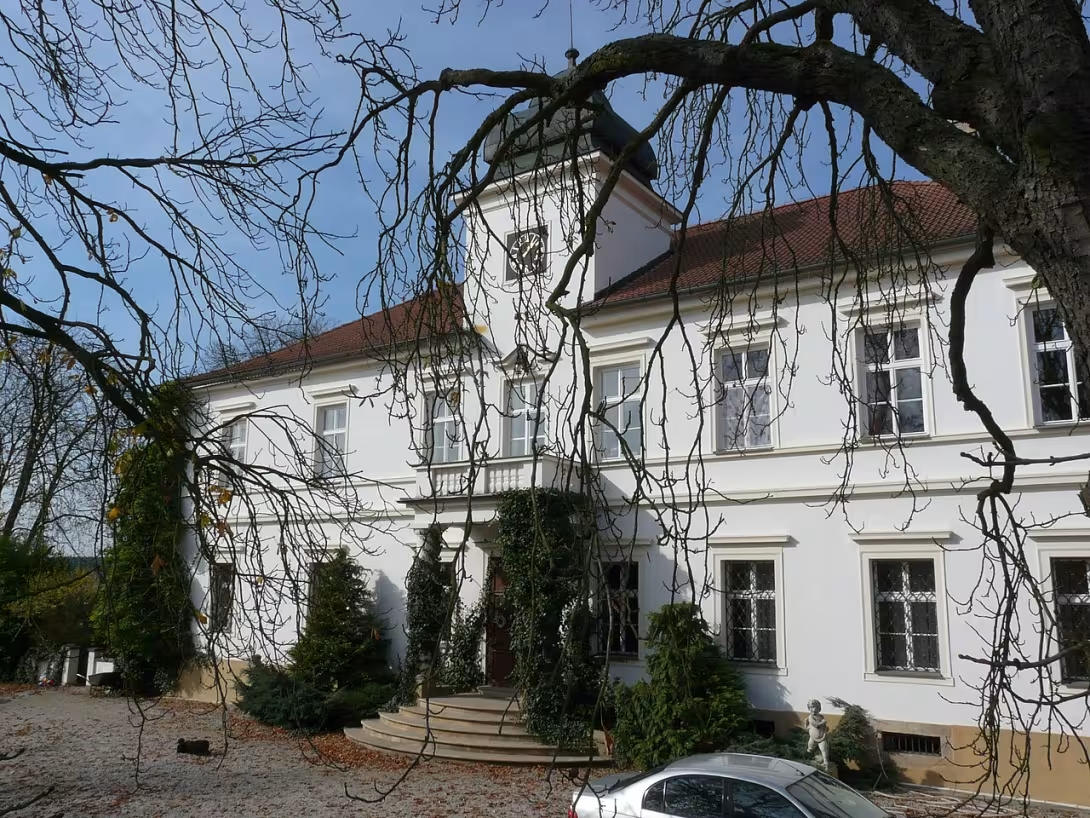
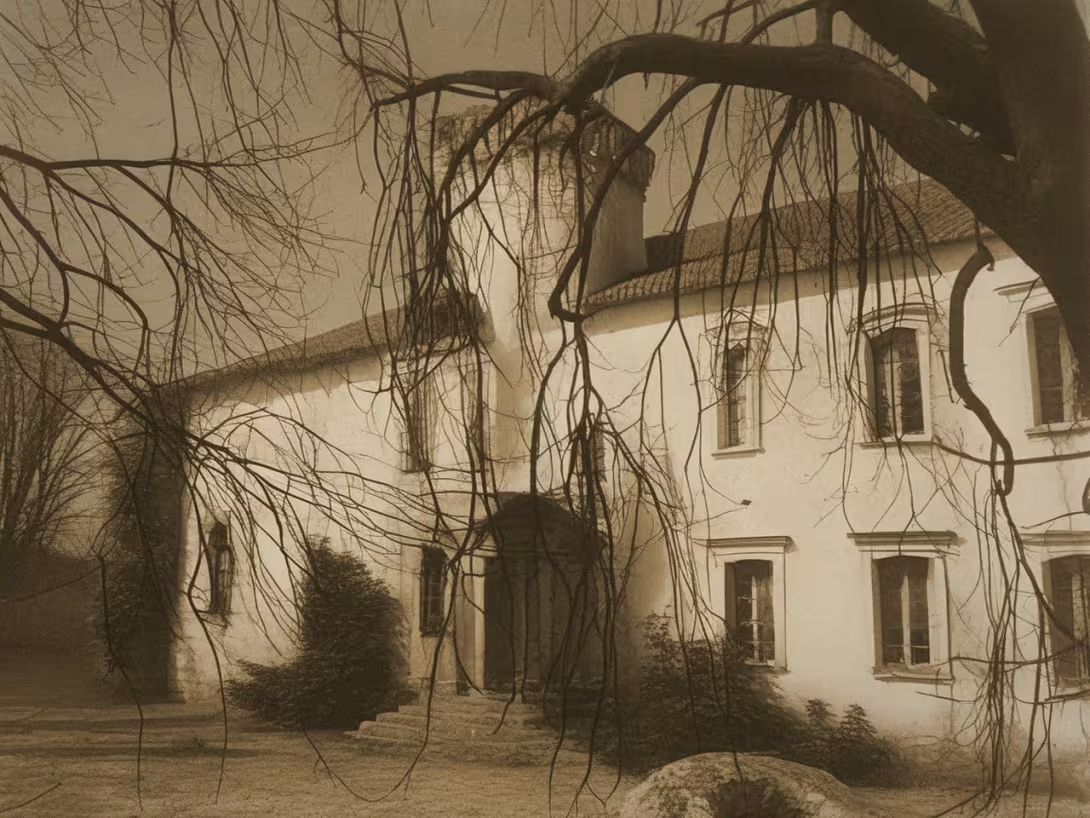
The historical appearance on the left is an AI-generated visualisation and serves as inspiration only.
Historical milestones
- 1386
- The first written mention of the Ježlový fortress dates back to 1386.
- 1419
- The Ježlový fortress was destroyed during the Hussite Wars.
- 1804
- The Vísky Chateau was built by Josef Rab on the site of the former Ježlový fortress.
- 1874
- The Vísky Chateau was divided into two separate estates.
- 1880
- Marie Pidollová established a kaolin processing factory on the estate.
- 1895
- Isidor Schmiedel purchased the Vísky Chateau and estate.
- 1927
- Maxmilián Schmiedl died, and the estate was inherited by his relatives.
- 1945
- The Vísky Chateau was nationalized after World War II.
- 1995
- The Dajbychovi family purchased the Vísky Chateau and began its restoration.
Architectural development
The chateau was built in the late Baroque style with a rectangular plan and a prominent rizalit on both main facades. The building has undergone several changes and renovations over the centuries, including the addition of a new wing and the renovation of the interior. The chateau was originally built as a manor house, but it was later converted into a chateau.
Historical events
The chateau was built in 1804 by Josef Rab.
The chateau was renovated in the late 19th century by Maxmilián Schmiedl.
The chateau was nationalized after World War II and used for various purposes.
The chateau was restored in the 20th century by the Dajbychovi family.
Owners
Josef Rab (1804-?), Antonín Rab (after 1804), Marie Pidollová (after 1804), Isidor Schmiedel (after 1874), Maxmilián Schmiedl (after 1895), Jiří Goldegg (after 1927), Ferdinand Goldegg (after 1927), František Goldegg (after 1927), Dajbychovi (after 1995)
Points of interest
– The Vísky Chateau has a mysterious connection to the Ježlový fortress, which was destroyed during the Hussite Wars in 1419, and the first written mention of the fortress dates back to 1386, suggesting a long and complex history.
– The chateau has undergone several changes and renovations over the centuries, including the addition of a new wing and the renovation of the interior, but it still maintains its original late Baroque architectural style.
– The Vísky Chateau has had several owners throughout its history, including Josef Rab, Antonín Rab, Marie Pidollová, Isidor Schmiedel, and Maxmilián Schmiedl, each leaving their mark on the chateau's design and layout.
– The chateau's unique history and architectural style make it a notable monument in the region, and its well-preserved interior and exterior make it a must-see for anyone interested in history and architecture.
– The Vísky Chateau was nationalized after World War II and used for various purposes, but in 1995, the Dajbychovi family purchased the chateau and began its restoration, returning it to its former glory.
Guide
This guide is narrated by a synthetic voice generated by artificial intelligence.
Show guide text
This text was created by artificial intelligence and has not been editorially reviewed. It may contain inaccuracies.
Welcome! You are standing in front of one of the most interesting historical landmarks in the region – Vísky Chateau. Look up at its facade and notice the two prominent risalits that adorn the main frontage. It is truly an impressive building, which holds a rich history and fascinating stories.
Let's step back in time and visit the places where Vísky Chateau stands today. The first written mention of Ježlový Hrad dates from 1386, but during the Hussite Wars, the chateau was destroyed in 1419. After such dramatic events, a new chateau began to be built on this site, which was constructed in 1804 by Josef Ráb. Now you can admire a beautiful example of late Baroque that characterizes this place.
Notice how the chateau's architecture has evolved since its inception. The façade is adorned with rows of windows and doors that create a harmonious and balanced base. Let's now focus on some of the key figures who contributed to the history of the chateau. Josef Ráb, who built the chateau, was a significant architect of his time. Marie Pidollová, who founded a kaolin factory at the chateau in 1880, was a pioneer in industry. And Isidor Schmiedel, who purchased the chateau in 1895, was an important businessman and owner.
Now take a moment to ponder the relationship between Vísky Chateau and Ježlový Hrad. The first mention of the chateau dates from 1386, but it was destroyed in 1419. What happened to it? Where does its mystery lie hidden? This is just one of the enigmatic puzzles you can try to solve as you stroll around here.
And so we pause at Vísky Chateau. It is a place that invites further exploration and discovery. Welcome, and we hope your visit to this site will be unforgettable.
Tips for visitors
The best time to visit the Vísky Chateau is during spring and summer when the surrounding park is in full bloom.
It's recommended to bring comfortable shoes and a camera to capture the chateau's stunning architecture and picturesque surroundings.
The best spots for photography are the chateau's facade, the park, and the Ježlový stream.
Nearby attractions include the Trnová village, the Ježlový stream, and the surrounding forests.
Frequently asked questions
Can the monument be visited?
Some buildings of this kind are open for guided tours, others serve another purpose or are privately owned. We have not verified whether and when this monument is open – please ask the operator.
What are the opening hours and admission?
We have not verified the opening hours or admission. Current information is published by the operator.
Where is the monument?
Location: Trnová, Plzeňský kraj. The map on this page shows the exact spot.
Businesses nearby
Do you run a restaurant, accommodation, shop, museum, rental, wellness or other visitor service near this monument? Show yourself directly to the people heading to it — this is how they will see you in the app and on the web:
Nearby
The Vísky Chateau is located in the Trnová village, near the town of Trnová, in the Plzeňský kraj region. The surrounding landscape is characterized by rolling hills and forests. The chateau is situated near the Ježlový stream and is surrounded by a park.
Accommodation nearby
Trips and activities nearby
Guided tours, tickets and activities nearby from GetYourGuide
Affiliate link: if you buy from the partner, we may receive a commission. The price for you does not change.
Search tours and activities →Themed route
Tour Route Around Château Vísky
1. Château Vísky, historic château - This château is worth visiting due to its rich history and architectural value. It is located in an idyllic setting near the Ježlový stream and is surrounded by a beautiful park.
2. Park at Château Vísky, natural park - The park offers stunning views of the surrounding landscape and is an ideal place for rest and relaxation.
3. Ježlový Stream, natural watercourse - The Ježlový Stream flows near the château and is a great spot for observing nature and its wildlife.
4. Courtyard of Château Vísky, historic courtyard - The courtyard of the château is a beautiful place to explore and learn about the history and significance of the château.
5. Parking at Château Vísky, parking area - The parking area is an ideal spot for parking cars and starting your tour.
Seasonal recommendations
Jaro
Spring is the ideal time to visit Chateau Vísky because nature around it begins to bloom and green trees create a pleasant atmosphere. The lighting during spring is often soft and sunny as well. Practical tips: the best time for a visit is in the afternoon when there are fewer crowds than during the main summer season. It's also a good idea to bring comfortable shoes so you can walk through the gardens and surrounding area of the chateau.
Léto
Summer is the peak season for visitors to Chateau Vísky, so it’s wise to prepare for larger crowds. The lighting during summer is often sunny and warm. The atmosphere is relaxed and pleasant, but due to large crowds, it's a good idea to arrive early to avoid waiting in line for entry. Practical tips: bring along a sun hat, an umbrella, and comfortable shoes so you can walk through the gardens and surrounding area of the chateau.
Podzim
Fall is a beautiful time to visit Chateau Vísky because nature around it begins to change colors and create stunning views. The lighting during fall is often soft and golden. The atmosphere is calm and romantic, making it an ideal time for those seeking more tranquility. Practical tips: the best times to visit are in the morning or late afternoon when there are fewer crowds than during the main summer season. It's also a good idea to bring comfortable shoes so you can walk through the gardens and surrounding area of the chateau.
Zima
Winter is a quiet time for visiting Chateau Vísky, so it’s important to dress warmly for comfort and safety. The lighting during winter is often soft and bright. The atmosphere is calm and serene, making it an ideal time for those seeking more tranquility. Practical tips: the best times to visit are in the morning or late afternoon when there's a shorter opening period and fewer crowds. It’s also important to bring warm clothing for comfort.
Visualizations and artistic views


The visualisations are generated by artificial intelligence and serve as inspiration.
Tips from visitors
No tips yet. Be the first!
Log in and add your tip.
Sources and literature
Photos: Laura.lennovaaa / CC BY-SA 4.0, rozlišení zvýšeno umělou inteligencí — Wikimedia Commons. The author and licence also appear when you hover over the image.
Faktickým podkladem tohoto textu byl článek na Wikipedii, jehož autory jsou přispěvatelé Wikipedie. Článek je dostupný pod licencí CC BY-SA 4.0.
Location on the map

Příběhy a pověsti
Legendy, pověsti a příběhy spjaté s touto památkou
Fotografie návštěvníků
Zatím žádné fotografie. Buďte první, kdo přidá fotografii z návštěvy!
Log in a přidejte svou fotografii nebo hodnoťte.
Za ověřenou návštěvu v aplikaci získáte víc bodů — poznáme podle GPS, že jste na místě.
Reviews and comments